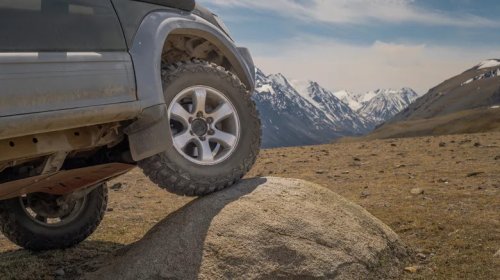
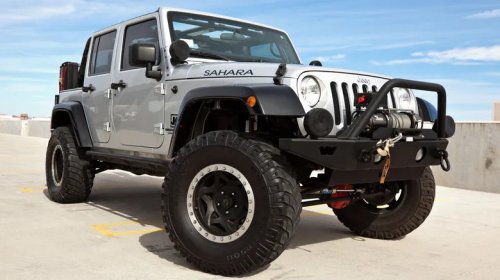
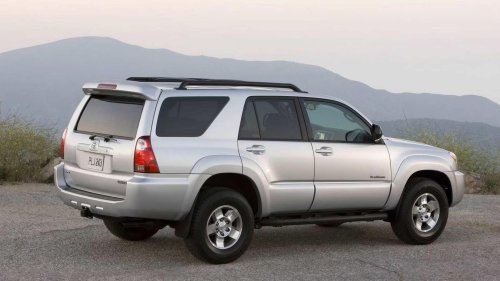
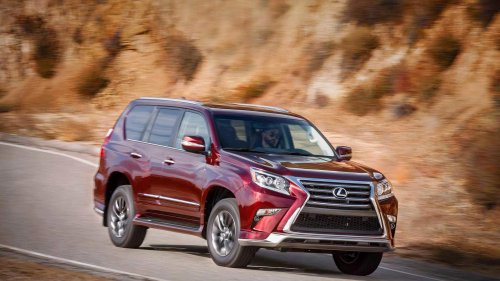
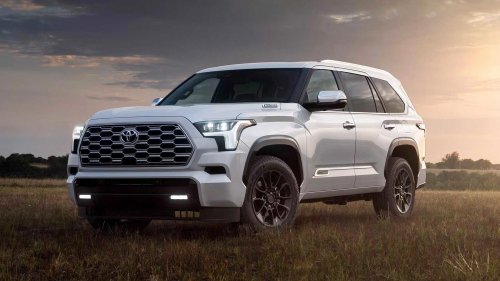
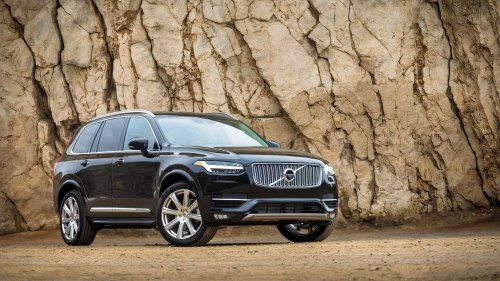
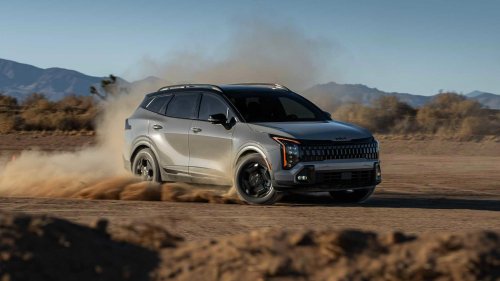
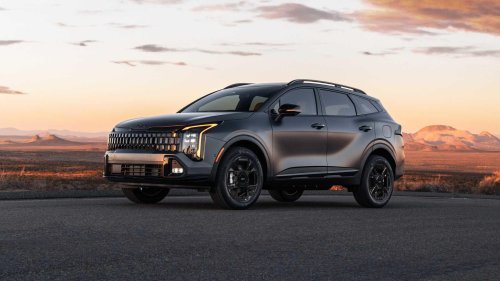
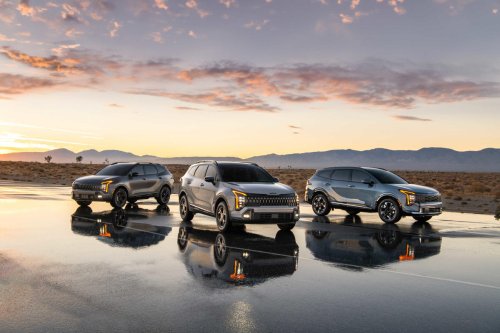
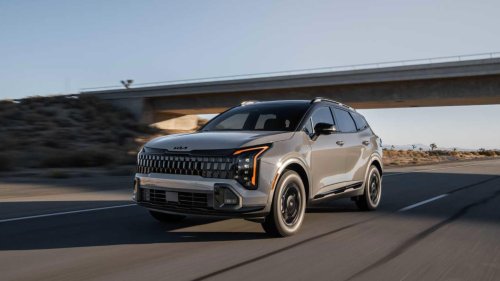
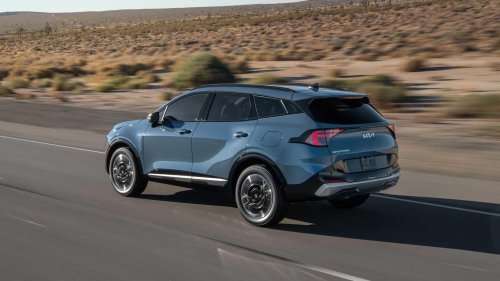
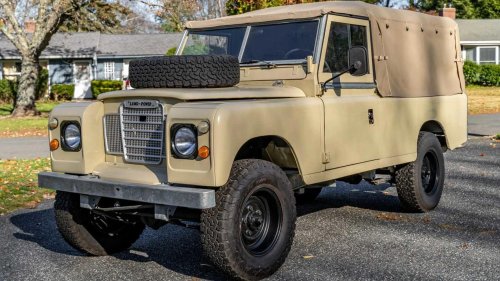
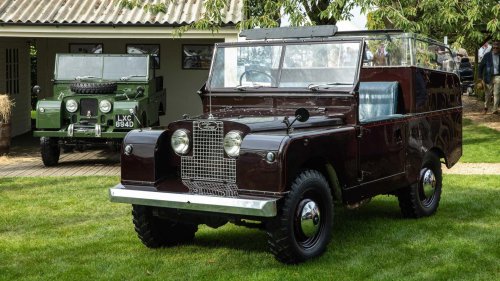
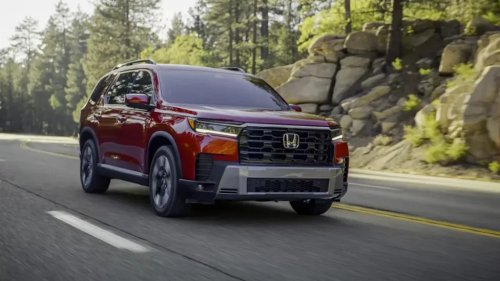
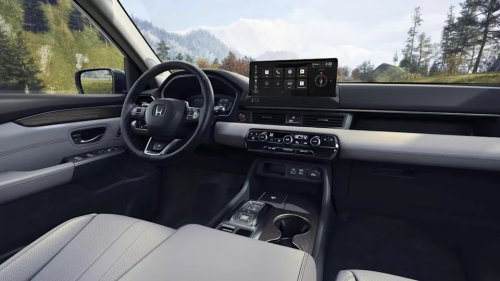
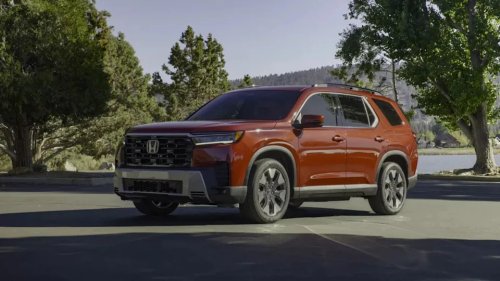
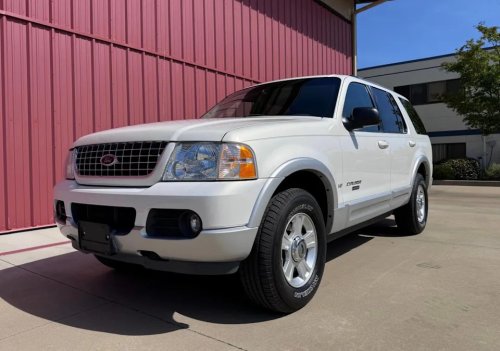
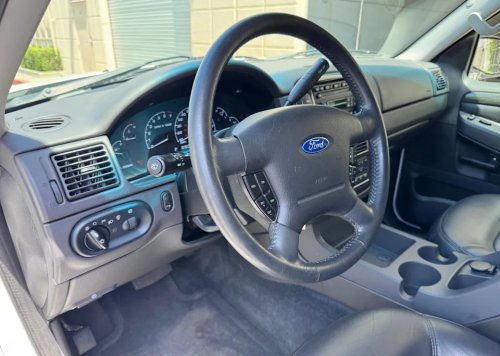
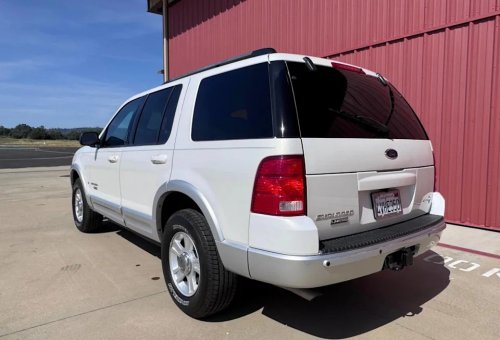
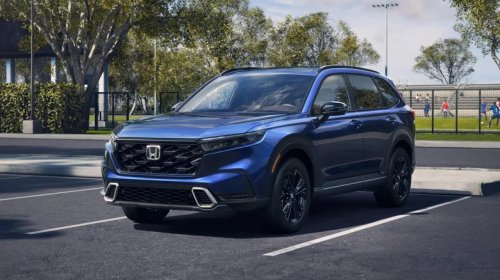
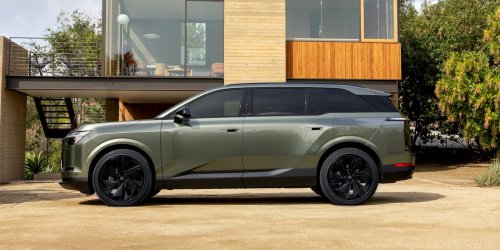
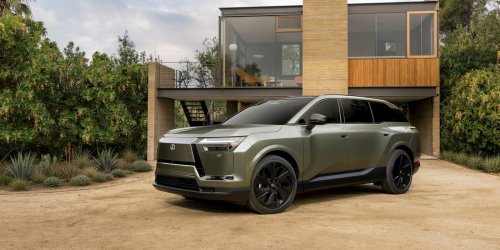
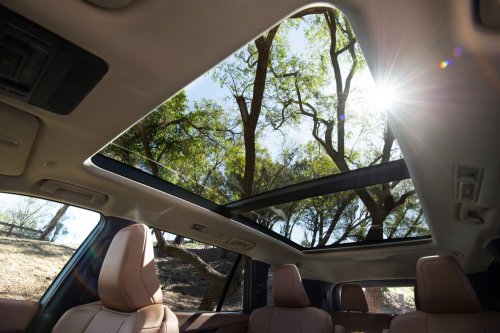
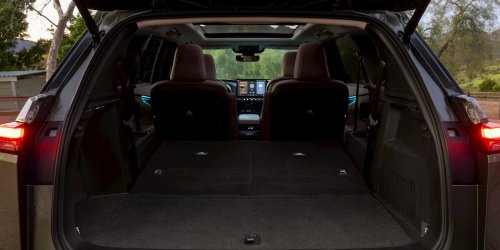
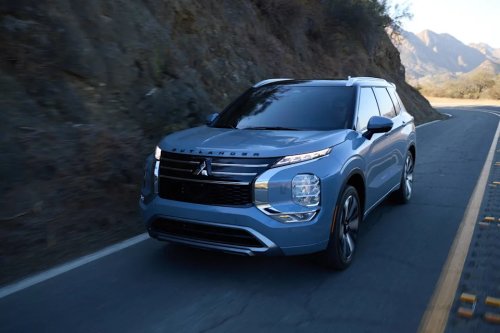
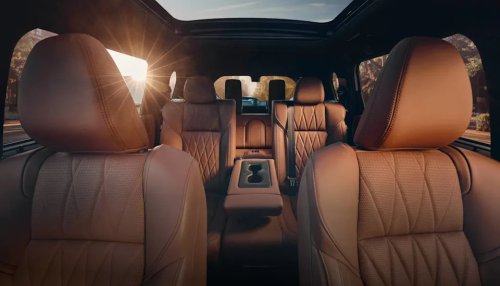
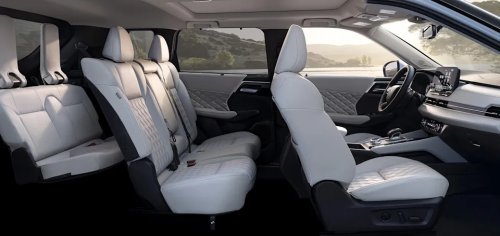
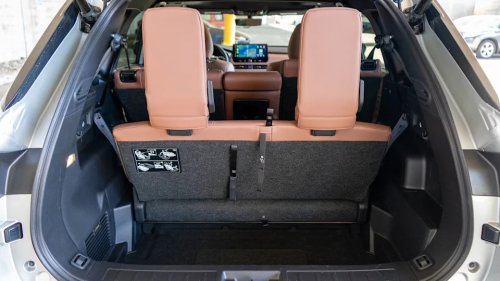
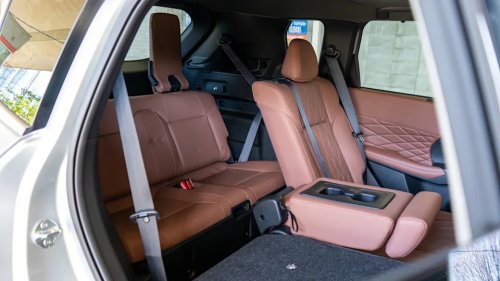
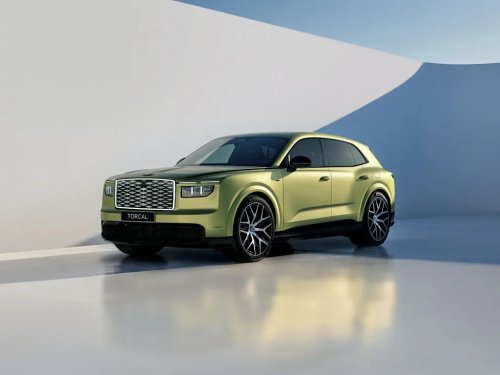
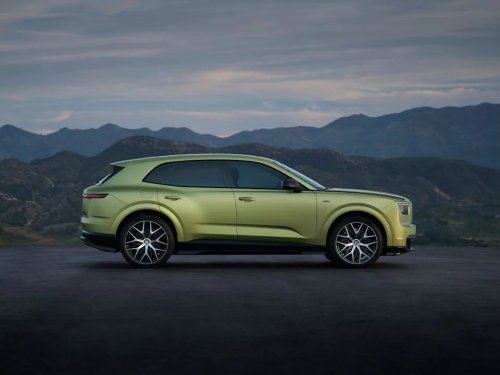
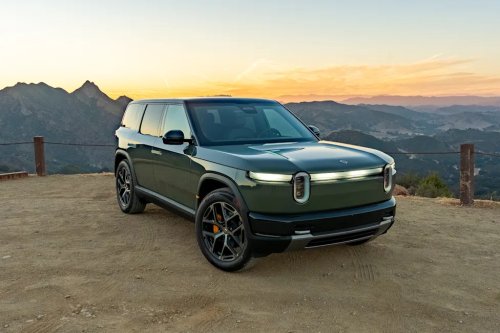
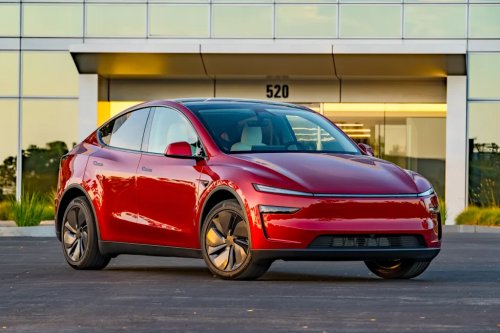
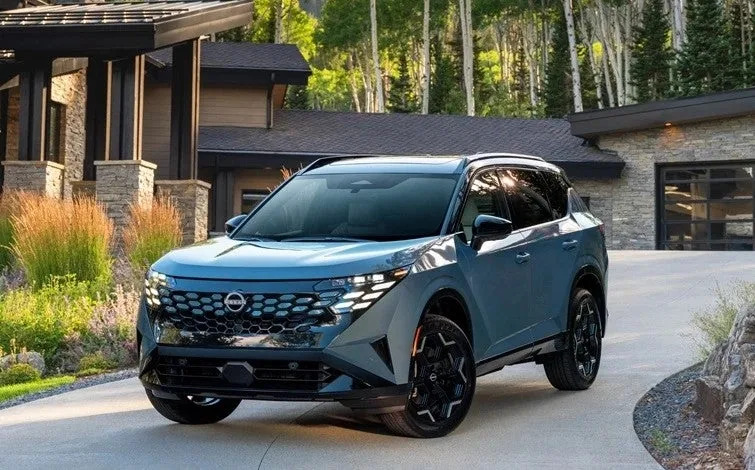
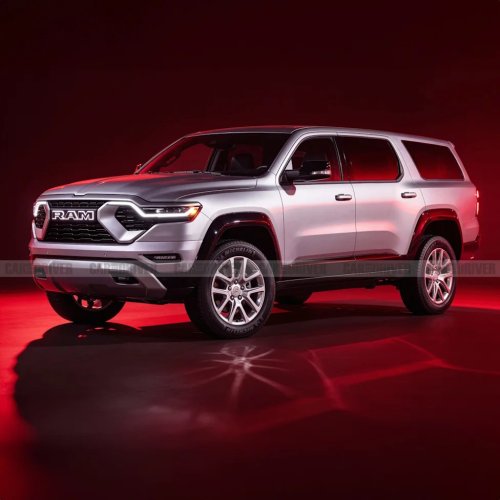
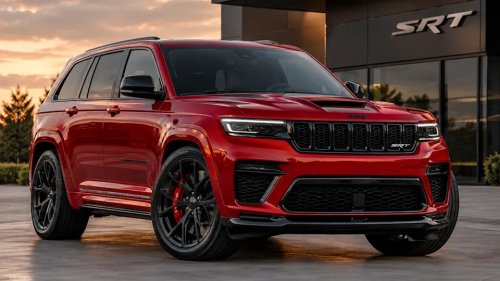
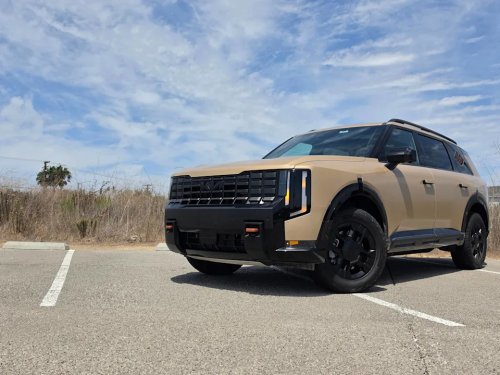
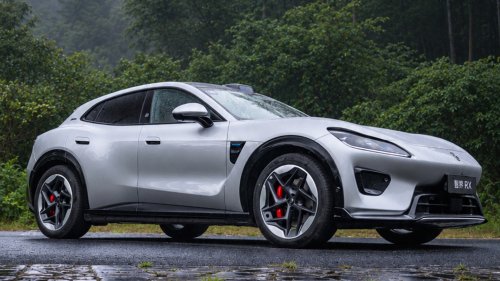
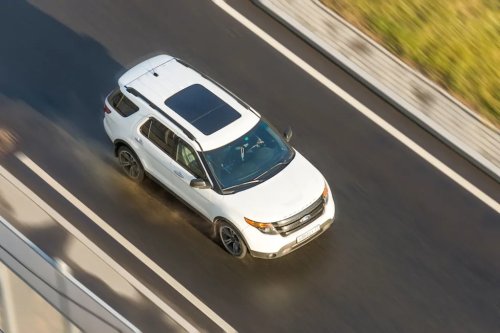
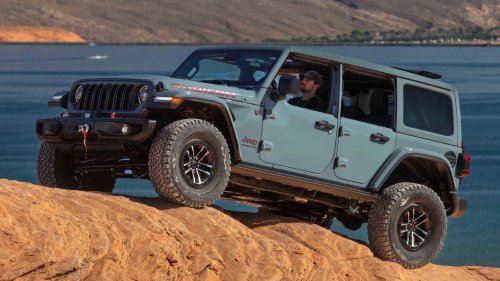
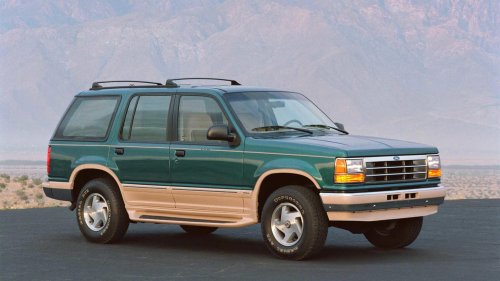
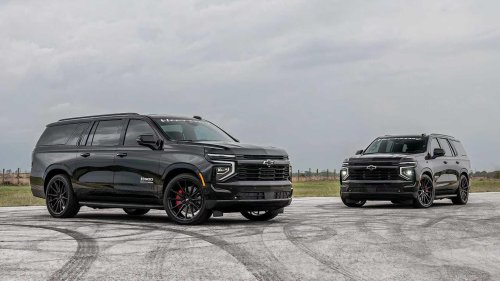
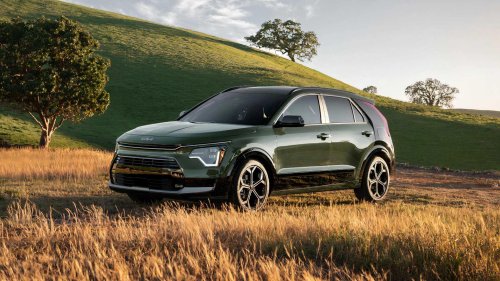
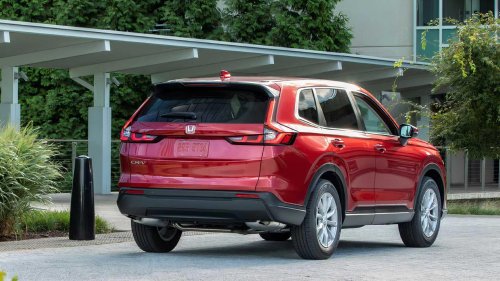
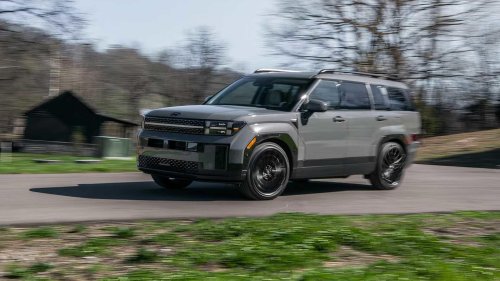
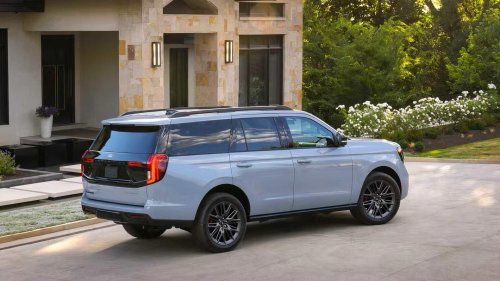
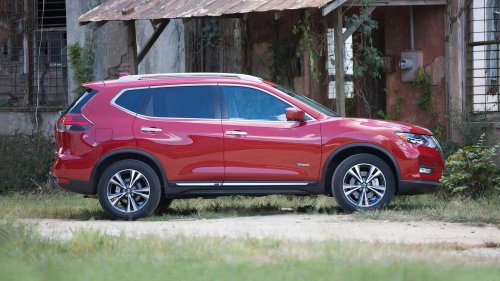
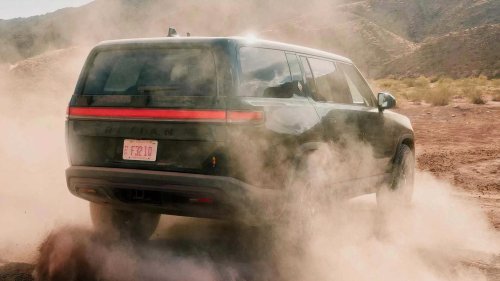
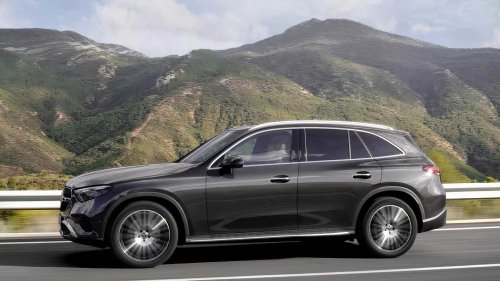
Ask ten people what SUV stands for, and you’ll likely get a few different answers — “something utility vehicle,” “super utility vehicle,” or just a knowing shrug. But the truth is simple: SUV means Sport Utility Vehicle. However, it's now a category that has come to define the modern car market, swallowing up sedans, wagons, and even some pickups in the process.Still, spelling out the acronym doesn't exactly answer the question of what an SUV is, exactly. And why do people want them so badly? To answer that, we need to go back to what the term originally meant — and how it’s evolved into a catch-all for everything from small crossovers to full-blown off-road monsters. What Is An SUV? Jeep If you break it down, the SUV definition is right there in the name. “Sport” refers to active, outdoor use — the idea that the vehicle can handle more than just city driving. “Utility” emphasizes space and practicality: room for people, pets, and gear. And “Vehicle,” well… that one’s self-explanatory.In plain terms, an SUV is a vehicle designed to combine passenger-car comfort with off-road or utility capability. Traditionally, that meant: Higher ground clearance for rough terrain. Rugged build, often based on a proper truck chassis. Spacious interiors with flexible seating or cargo layouts. Available all-wheel or four-wheel drive, letting you tackle uneven roads or trails. Over time, though, the meaning of SUV expanded. Today’s SUVs might share little with their truck-based ancestors. Many are now car-based crossovers, designed more for comfort and efficiency than for climbing rocks — but they keep the high seating position, roomy cabin, and confident stance drivers love. The SUV’s Rise From Niche To Necessity Ford When SUVs first gained traction in the 1990s, they were marketed as the go-anywhere, do-anything vehicles for active lifestyles. The Ford Explorer, Jeep Cherokee, and Toyota 4Runner turned utility into aspiration. Suddenly, the idea of owning a vehicle that could handle a mountain pass — even if you never drove up one — was enough.The SUV meaning evolved from “sport and utility” to “freedom and security.” People liked sitting up high, with a commanding view of the road. They liked knowing they could carry five people and a week’s worth of luggage without sacrificing comfort. And with better suspension tuning and car-like interiors, SUVs stopped feeling like lumbering trucks.Fast-forward to 2025, and SUVs aren’t just one option among many — they’re the default. Automakers from every corner of the market have bet their future on them, from compact crossovers to all-electric luxury haulers. The question isn’t why SUVs are popular anymore — it’s why wouldn’t they be? What Does SUV Mean? Hennessey Performance No matter how sleek or high-tech modern SUVs get, they still share a few defining traits that make them what they are: Higher Ground Clearance This is one of the most obvious hallmarks of a sport utility vehicle. That extra height gives SUVs a better view of the road and helps when tackling snow, gravel, or curbs that would scrape a sedan’s undercarriage. It also adds to the “commanding” feel drivers love. Spacious Interiors From the tiny compact SUV to the mammoth full-size SUV, interior space is a defining part of the SUV formula. Higher roofs and wider cabins mean more legroom, larger cargo holds, and flexible seating — often with a third row. It’s what makes SUVs the go-to choice for families, dog owners, and road-trippers. Robust Construction While early SUVs were built on truck frames, many modern ones use unibody construction — lighter and more efficient, but still engineered for durability. Whether body-on-frame or unibody, the focus is on toughness: thicker materials, reinforced suspensions, and the ability to tow or haul with ease. All-Wheel or Four-Wheel Drive The “utility” part of sport utility vehicle comes alive with AWD or 4WD. Even if most owners never use it, the system provides better traction in rain or snow and a sense of confidence. Off-road-oriented SUVs like the Jeep Wrangler or Ford Bronco still use advanced 4WD systems, while city SUVs rely on all-wheel drive for security on slick roads. The Many Types Of SUVs Kia Not all SUVs are created equal. The term now covers a broad spectrum — from small city crossovers to luxury flagships that rival limousines. Here’s how they break down: Compact SUVs CarBuzzThink of models like the Toyota RAV4, Honda CR-V, or Mazda CX-5. Compact SUVs combine efficiency and agility with just enough interior space for families. They’re typically powered by small engines or hybrid setups and come with optional all-wheel drive. For most buyers, these are the sweet spot — practical, affordable, and versatile. Midsize SUVs HyundaiA step-up in power, space, and towing ability. The Ford Edge, Hyundai Santa Fe, and Toyota Highlander are classic examples. Midsize SUVs often offer a third row of seating, larger engines, and more advanced comfort features. Full-Size SUVs Car BuzzThese are the heavyweights — vehicles like the Chevrolet Tahoe, Ford Expedition, and Toyota Sequoia. These full-size SUVs, typically built on truck platforms, give them higher towing capacity and a more commanding stance. Inside, there’s room for seven or eight passengers plus serious cargo space. Crossovers 2017 Nissan Rogue Hybrid profile right-1Crossovers are essentially car-based SUVs — built on unibody platforms rather than truck frames. They handle more smoothly and offer better fuel economy, but keep the upright seating position and cargo flexibility people want. Think Honda HR-V, Nissan Rogue, or Subaru Crosstrek. The SUV Appeal: Comfort Meets Confidence Ineos At its core, the reason everyone wants an SUV comes down to comfort and confidence. People don’t want cars that can just take them from point A to point B. They want vehicles that offer drivers the potential to go wherever they might need or want to go, whether they ever actually do or not. SUVs make us feel more powerful, bigger, tougher. Through that lens, it's no question that people prefer them to smaller, weaker sedans. Electric SUVs: The New Frontier Rivian The next evolution in the SUV segment is happening right now. Automakers have realized that the SUV format is the perfect platform for battery-electric vehicles: roomy for large battery packs, quiet, and easily adapted for aerodynamics and luxury.Cars like the Rivian R1S, Hyundai Ioniq 5, and Tesla Model Y show how far the “sport utility vehicle” has come. Instead of roaring engines and truck frames, these new SUVs glide silently and deliver instant torque. These might have strayed pretty far from the original SUV meaning, but the ethos, at least in part, stays intact, just reimagined for a more refined, zero-emissions era. So, What Does SUV Really Mean Today? CarBuzz The SUV definition has stretched so far that it’s almost philosophical now. It’s not just a truck-like vehicle with four-wheel drive anymore. It’s a mindset. A car-selling cheat code. It's slamming as many features and the biggest wheels and tires the earth has to offer on something with a unibody sedan frame with independent suspension. That's not to say there aren't still proper SUVs out there, but the segment that once belonged to rowdy and rugged is now nearly completely standard. Normal. Boring.When you say “SUV,” today you’re talking about a shape that fits nearly every kind of driver. A compact hybrid for a commuter. A three-row family hauler for road trips. An electric luxury pod for those who want quiet power and high style. And, yes, somewhere in the back of the room are the hard-knuckle off-roaders for the wild folk.




















 +78 others