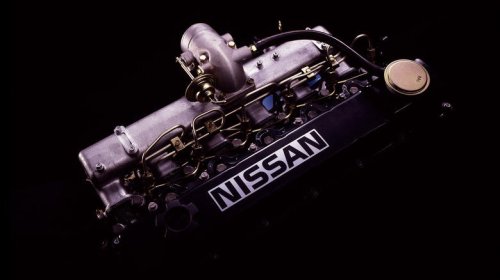
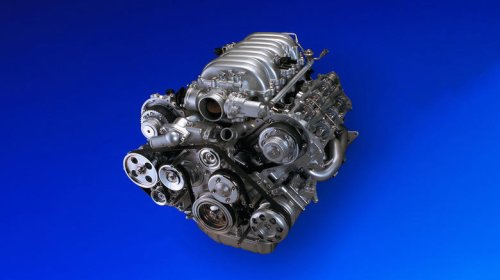
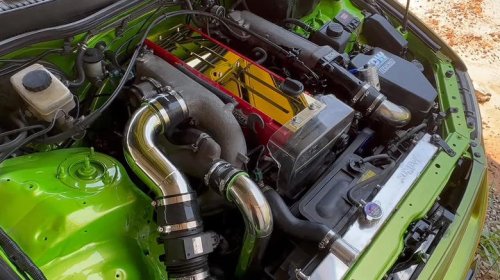
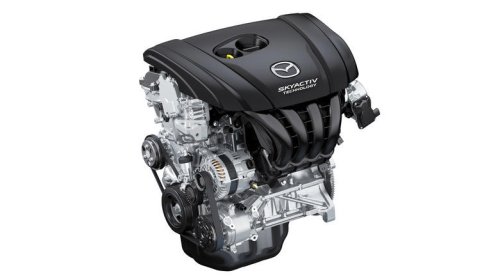
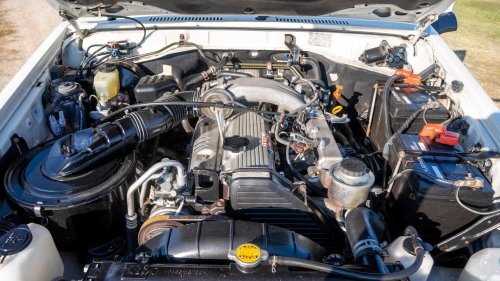
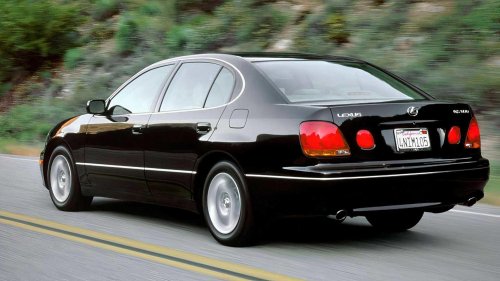
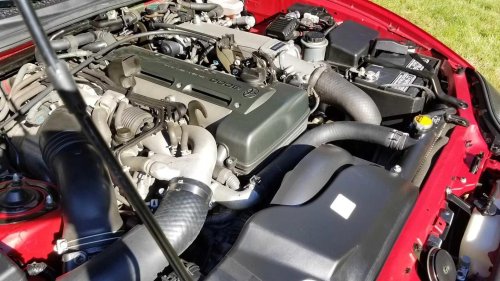
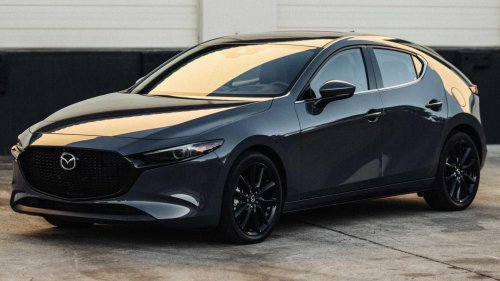
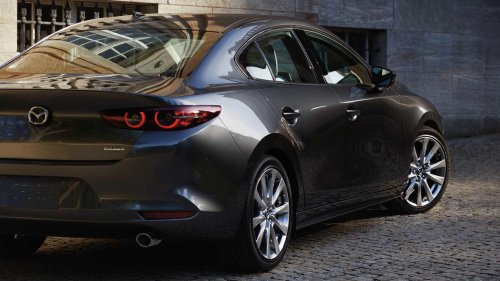
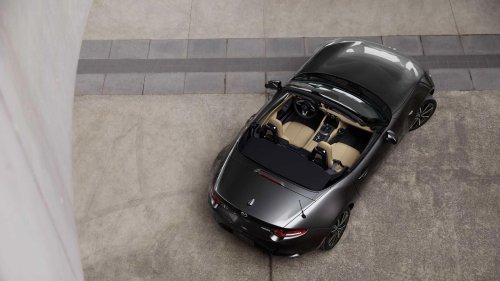
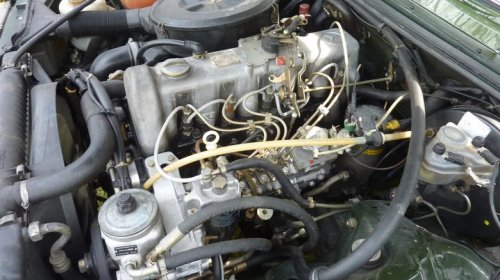
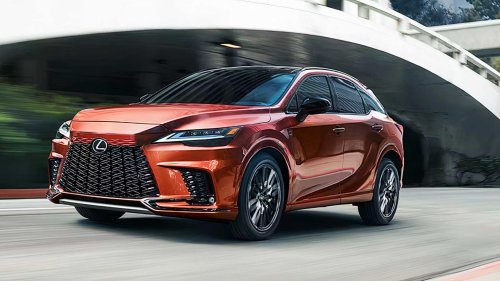
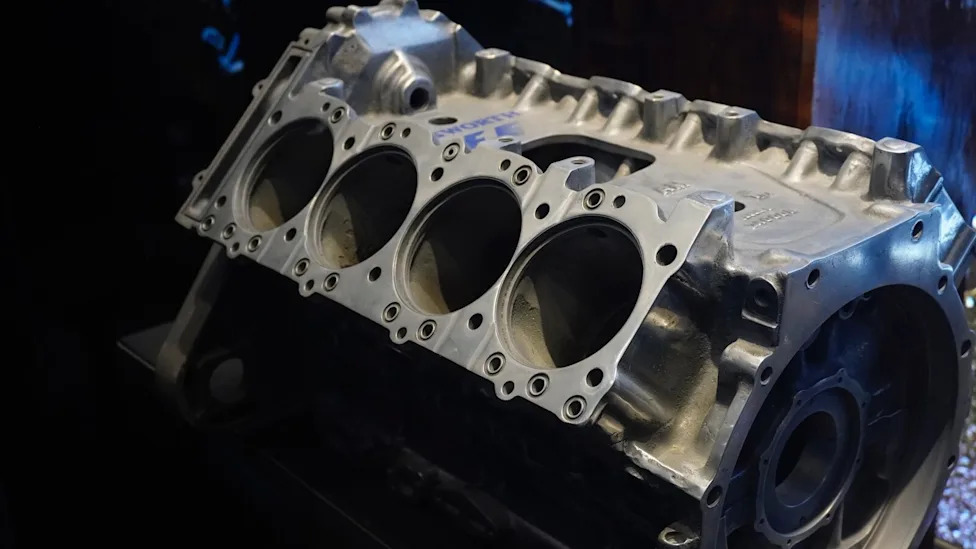
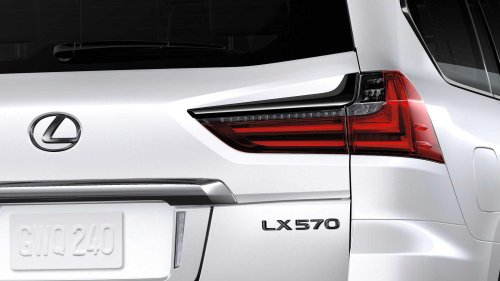
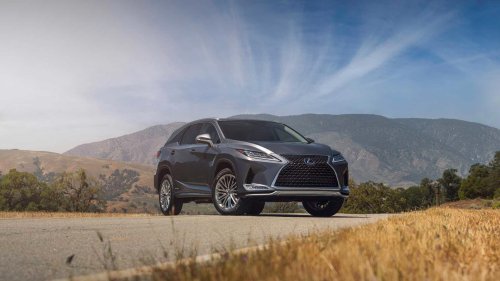
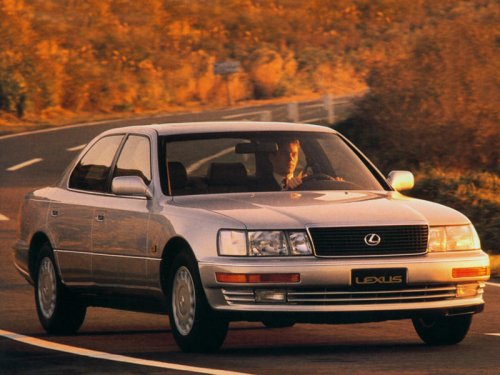
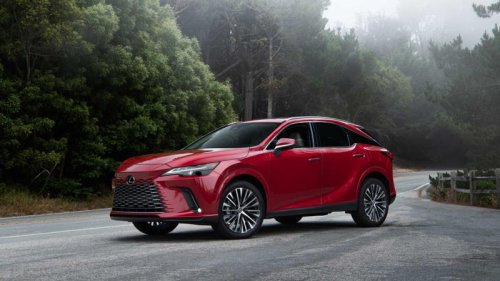
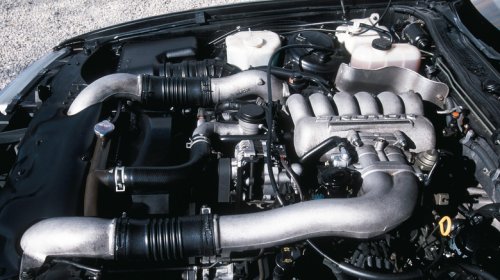
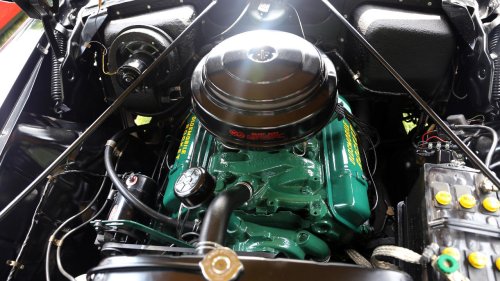
Nissan TD42Toyota isn't the only company popular for making off-roaders that can reach the most remote places in the world – Nissan has been doing the same with its Patrol SUV for decades now. And if you ever wanted to mix that go-anywhere capability of the Patrol with reliability, you had to go for the TD42 diesel engine. With a similar design and capacity to Toyota's 1HZ engine, the TD42 was also built with longevity in mind.An inline-six naturally-aspirated diesel with a 4.2-liter capacity, Nissan's engine was even more underpowered, producing 88 kW (118 horsepower) and 260 Nm (192 lb-ft) of torque. But it didn't matter, as it was still good enough to bring the Patrol to the most remote places, thanks to the SUV's off-road transfer case with short gearing.Crucially, it's a very reliable engine, particularly if you avoid units built between 1994 and 1997, as in these model years, Nissan used thinner and lighter pistons to cut costs. Later, Nissan introduced the TD42T3, a turbodiesel variant with 114 kW (153 horsepower) and 330 Nm (243 lb-ft) of torque, which is almost as reliable as the naturally aspirated variants, thanks to the sturdier internal parts.However, the biggest attraction of the TD42 is its unique design. Like the Toyota 1HZ, this engine also has a cast iron engine block and cylinder head, but unlike its rival's timing belt, the TD42 features a series of gears. As a result, maintenance on these engines is a breeze. You can essentially forget about a timing belt or timing chain replacements.Toyota 1UZ-FEWhen the first Lexus LS 400 appeared on the scene, it surprised the competition. Not only was the first true Japanese luxury car as fast and economical as its German and American rivals, but it was also quieter, more comfortable, and, most importantly, more reliable. Since the first LS, Lexus has been winning reliability and dependability surveys, showcasing Japanese engineering.At the heart of it all was the 1UZ-FE V8 engine with a 4.0-liter capacity, DOHC, and 32 valves. It produced 250 horsepower and 260 lb-ft (353 Nm) of torque in its initial form. Underpowered by today's standards, yes, but at the time, 7.9 seconds to 60 mph and a 150-mph (240 km/h) top speed were pretty good. Besides, the buttery-smooth engine gave the Lexus LS 400 refinement that was far exceeding its price point.Most importantly, this is one of the most reliable V8 engines on the planet, period. Although it has an aluminum block for weight savings, the cylinder linings are made from cast iron. Furthermore, it has a forged crankshaft, forged connecting rods, induction hardened connecting-rod pins, hypereutectic pistons, and six cross-bolted main bearing caps. As a result, the overengineered 1UZ-FE frequently lasts for hundreds of thousands of miles without any significant breakdown.There is even a million-mile (1.6 million kilometers) Lexus LS 400, which passed that figure without the engine ever being opened. This is unsurprising because Toyota clocked 1.67 million miles (2.7 million kilometers) of real-world testing globally, including the hottest and coldest places.Toyota 1JZ/2JZThe 1JZ 2.5-liter and 2JZ 3.0-liter family of Toyota inline-6 engines are mostly known for their "GTE" twin-turbocharged variants, which adorned cars like the legendary MKIV Supra and sporty Chaser sedan. However, this lineup of engines also has naturally aspirated variants, adorning cars like the Lexus GS 300 and IS 300 (2JZ) and Toyota Soarer and Crown (1JZ).Whichever version you choose, though, you can expect stellar reliability. The 1JZ and 2JZ engines can easily go over 300,000 miles without a significant rebuild. That is largely thanks to the strong cast iron block, forged rods, and forged crankshaft, as well as the fact that all of these engines are relatively underpowered when stock. In fact, they are some of the most popular engines for high-horsepower tunes, mainly due to the sound construction.Between the many options in the 1JZ and 2JZ family, the non-VVTi models are more reliable. Namely, the actuator of the VVTi system is a weak point and could fail, requiring the removal of the cylinder head. Also, oil frequently leaks from the cam gear, requiring a replacement of the seals. Meanwhile, the factory turbochargers are less reliable than the engine itself, though regular maintenance largely solves the problem.Still, these issues are just minor annoyances and easily repairable, so don't shy away from the VVTi variants. They are more durable than similar six-cylinder machines from the 1990s, anyway. Crucially, both the 1JZ and 2JZ engines are built like tanks inside and rarely require engine-out service. That is, of course, if you aren't already putting even stronger forged components inside to break the mythical 1,000-horsepower barrier.Mazda SkyActiv-GMazda is most famous in enthusiast circles for its persistence in perfecting the rotary engine. However, the company also implemented unusual engineering ideas in regular internal combustion engines. For instance, its SkyActiv-G family of naturally aspirated inline-four gas engines has a 14.0:1 compression ratio, similar to a diesel engine. A higher compression ratio equals higher efficiency, but gas engines significantly increase the likelihood of detonation, particularly when running on low-octane fuels. And if it happens enough times, this explosive combustion can wreck the piston and its rings in no time.But Mazda wouldn't be Mazda if it didn't overengineer these engines and make them stupendously reliable. So, the company's engineers took to solve the biggest culprit of detonation – high temperatures inside the combustion chambers. They used Dual S-VT (Dual Sequential Valve Timing), which allowed the engine to breathe better at various revolutions, and a low-resistance 4-2-1 exhaust design. Furthermore, a high-pressure direct injection system injected fuel at the right time. Crucially, it injected the fuel inside a small combustion well on the domed pistons, thus keeping it away from the hot cylinder walls.These clever solutions made SkyActiv-G engines efficient, though not very powerful. Still, due to the under-stressed nature, these engines can last long without any engine-out service. SkyActiv-G engines with 150,000+ miles are becoming increasingly common and still run like clockwork. The only real issue you might encounter is low oil pressure, though even that is fairly rare.