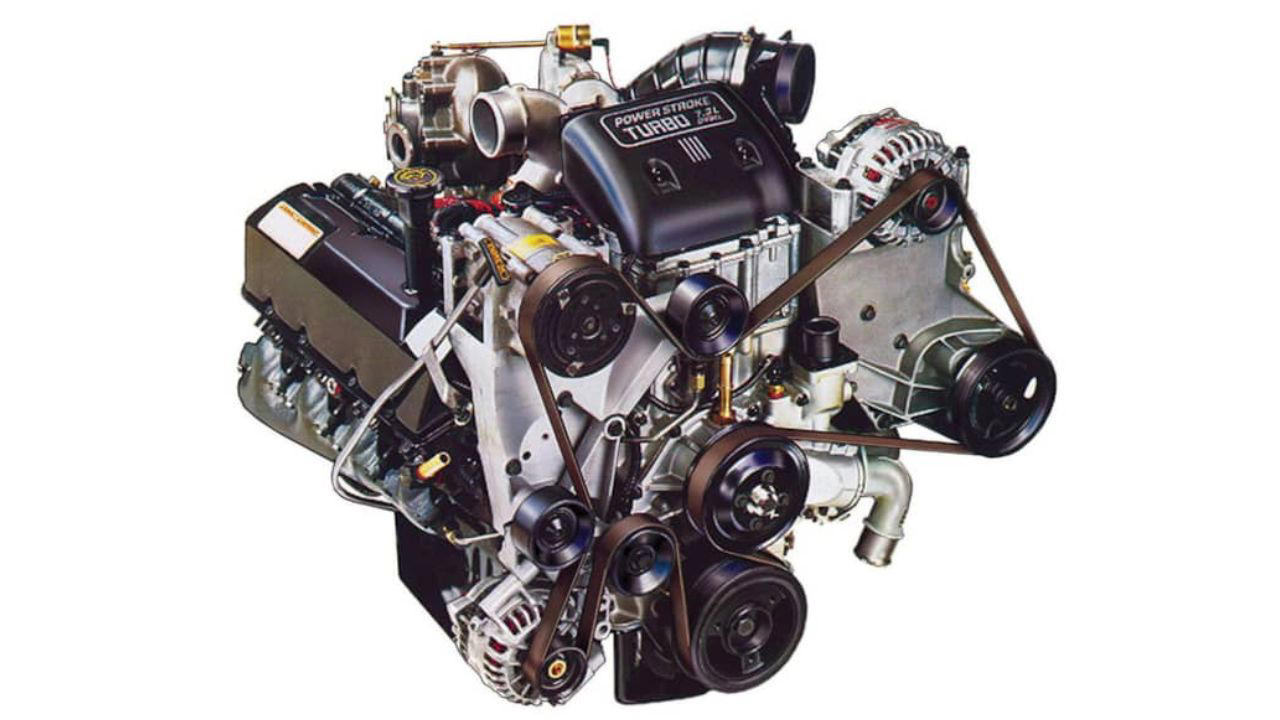
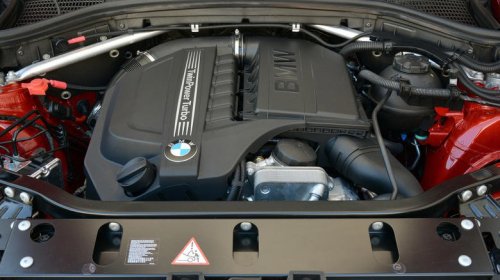
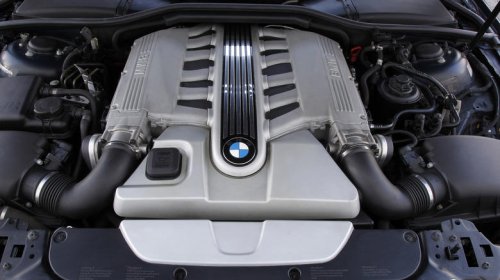
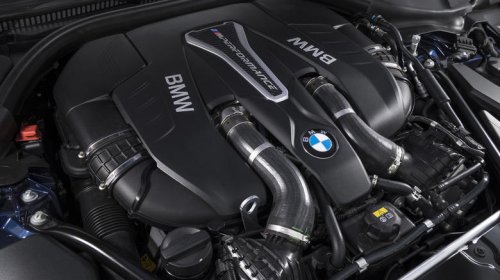
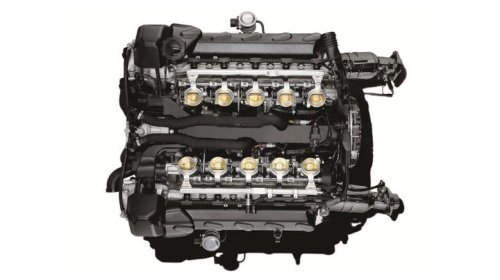
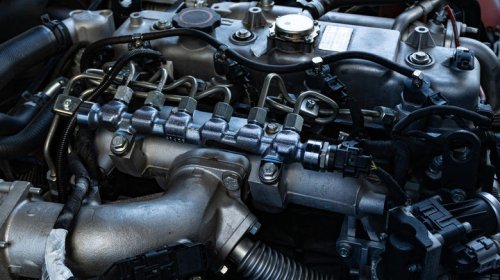
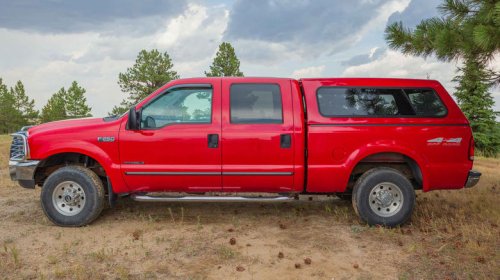
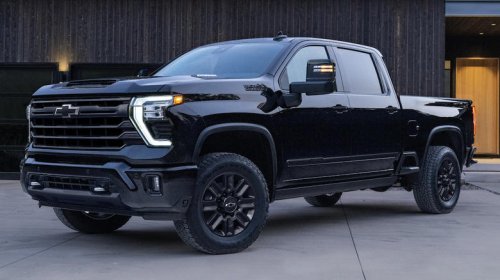
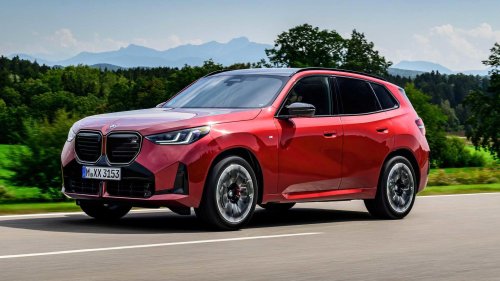
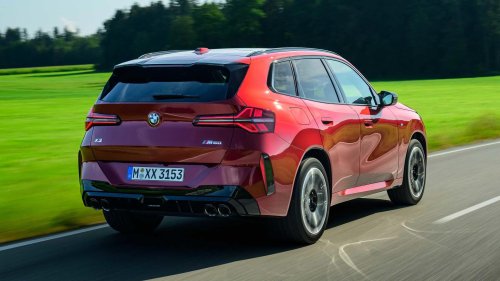
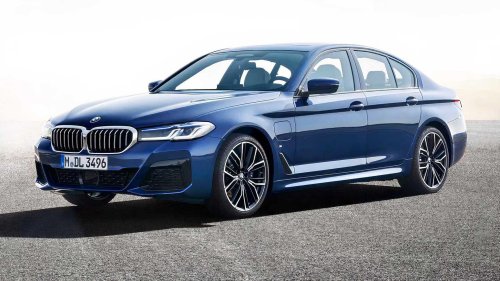
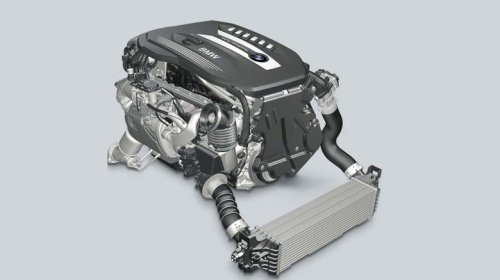
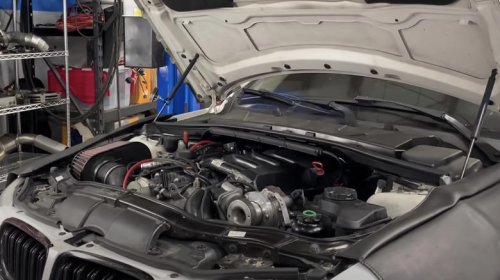
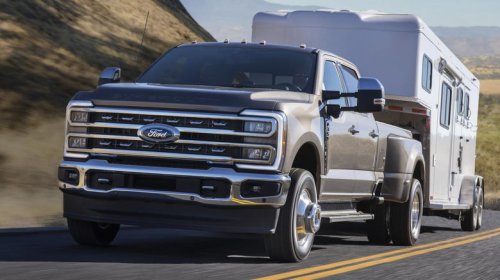
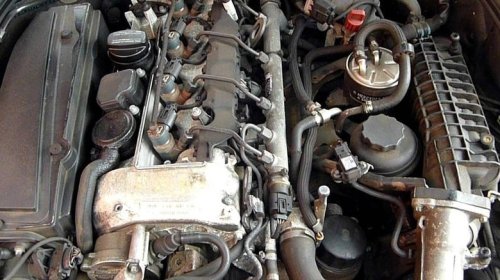
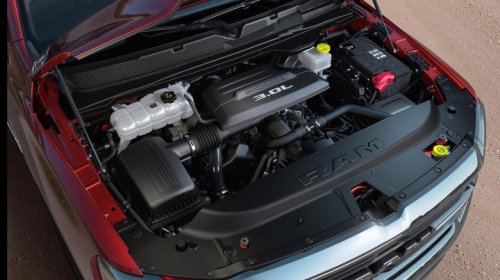
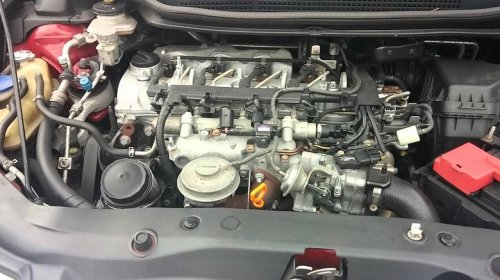
BMW M57 EngineThe BMW M57 is a six-cylinder engine and perhaps the automaker's best diesel ever. In road cars, it typically produces from 150 hp and 221 lb-ft of torque to 286 hp and 580 lb-ft of torque, while the Dakar rally car version generated 320 hp and 580 lb-ft of torque. Produced from 1998 to 2010, BMW made the M57 with three different displacements:2.5, 2.9, and 3.0-liters paired with a variety of exceptional accessories, including a variable geometry turbocharger, Bosch injector, diesel particulate filter, and a double mass flywheel.However, the Common Rail injection system is perhaps the feature that pushed the engine to the top of the best diesel ever made list. It replaces the previous mechanical injection pump with a state-of-the-art high-pressure fuel rail. Pressures of up to 26,000 PSI guarantee that the diesel fuel is completely atomized resulting in a more efficient and cleaner combustion.In 2008, the German automaker introduced the diesel engine to the U.S. market in the BMW 335d equipped with a unique sequential turbo arrangement that helped produce 265 hp and 425 lb-ft of torque. The sporty sedan accelerated to 60 mph in an impressive (for a 6-cylinder) 5.7 seconds and reached the quarter mile in just over 14 seconds. BMW installed the M57, rated to last 600,000 km, in several models including the BMW 3, 5, 6, and 7 Series, X Series, and the diesel engine also powered the Opel Omega B FL (C), and Land Rover Range Rover III (L322).Ford 6.7L Power Stroke Diesel EngineFord Motor Company introduced the 6.7-liter Power Stroke diesel engine in 2011. Developed "in-house," the engine replaced the 6.4-liter Power Stroke manufactured by International Navistar. It was the first Power Stroke engine not supplied by International Navistar for over 30 years.The 6.7-liter Power Stroke diesel has proven to be extremely durable, and reliable. However, as with all engines, a few issues have been reported, but none severe enough to tarnish the power plant's reputation. Turbochargers are often the most likely source of engine problems, and the early Power Stroke models were no exception. Ceramic bearings on the turbo shaft were prone to premature failure, but Ford changed them to more reliable steel ball bearings in later versions. Early model engines used four bolts per cylinder holding down the cylinder heads. Later models changed to six bolts per cylinder, greatly reducing the risk of head bolt stretch and blown head gaskets that allowed coolant and oil to enter the cylinders.For 2023, Ford continues its top-of-the-class diesel power offering its Super Duty pickup with two Power Stroke V8 diesel engine options (in addition to two gasoline engines). The 6.7-liter Power Stroke diesel generates 475 hp and 1,050 lb-ft of torque while the high-output (HO) Power Stroke produces 500 hp and an impressive 1,200 lb-ft of torque. The HO version hauls up to 8,000 pounds of payload and tows up to 40,000 pounds equipped with a gooseneck trailer.Mercedes 2.1 OM611 EngineThe Mercedes 2.1 OM611 engine is the four-cylinder version of the diesel engine series that includes the OM 612 and OM 613 with five or six cylinders, respectively. All three are in-line engines with common features. They have the same cylinder capacity, and are equipped with the same injectors, pistons, connecting rods, valves, and other components. All the engines are built with cast-iron blocks and feature aluminum cylinder heads with four valves per cylinder.Produced from 1997-2006, the OM series engines feature common rail injection with Bosch injectors. In the Mercedes CDI Series II cars, the injection system uses a mechanical fuel feed pump, a pressure control valve, a flow control valve, and a fuel temperature sensor to manage the high pressure. The 2.2 CDI OM611 Engine produces from 82 to 143 hp and is rated to last 600,000 km (over 372,000 miles).Mercedes installed the 2.1 OM611 engine in the C-Class W202, W203, CL203, E-Class W210, V-Class W 638, and Sprinter W901. Mounted in a 1997 Mercedes C 250 Turbodiesel, the five-cylinder OM 612 diesel connected to a five-speed manual or automatic transmission produces 148 bhp at 4,400 rpm and 207 lb-ft of torque at 1,800 rpm. The BMW with a curb weight of 1,480 kg accelerates to 62 mph in 10.2 seconds and reaches a top speed of 126 mph and has an estimated fuel economy of 35.3 mpg.Chrysler 3.0L EcoDieselFiat Chrysler Automobiles (FCA) introduced the 3.0-liter EcoDiesel engine in 2011, offering it to the European market. In North America, the automaker provided the L630 DOHC version in 2014 for the Ram 1500 and Jeep Grand Cherokee.VM Motori, a subsidiary of Fiat Chrysler in Cento, Italy, built the 3.0-liter EcoDiesel with a graphite iron (CGI) engine block making it more compact, stronger, and lighter than an engine using a cast iron block. For additional strength, FCA bolted a bedplate to the engine block, and inside installed an upgraded crankshaft made of forged 4140 steel. The manufacturer also installed high-strength cast iron connecting rods, and lightweight cast aluminum pistons for durability. The six-cylinder engine boasts aluminum DOHC heads with four valves per cylinder, and low-voltage ceramic glow plugs give the engine quick starts and reduced emissions.The 3.0-liter EcoDiesel engine features a high-pressure direct injection fuel system known as MultiJet II, and it employs a water-cooled Garrett variable geometry turbocharger (VGT). Like most modern diesel engines, the EcoDiesel is also fitted with a variety of emission reduction equipment, such as a Diesel Oxidation Catalyst (DOC) and a Diesel Particulate Filter (DPF). From 2014 to 2019, the 3.0L EcoDiesel produced up to 240 hp and 420 lb-ft torque. In 2020, FCA boasted added power of 20 hp and 60 lb-ft torque.The performance, durability, and reliability of the 3.0-liter EcoDiesel engine earned it Ward's "Ten Best Engines" for three consecutive years in 2014, 2015, and 2016. The engine's success inspired Ford to introduce the 3.0-liter V6 Power Stroke engine and GM the 3.0-liter I6 Duramax engine.Honda 2.2 CTDi EngineAlthough Japanese car manufacturers typically purchased diesel engines for their cars before 2003, Honda began production of its own N22A1 diesel engine named the 2.2 CTDi in the same year. The engine was a popular choice in the Civic VIII and Accord VII, generating 140 hp and 250 lb-ft of torque.The four-cylinder, 16-valve engine has a chain-driven camshaft, common rail fuel injection system with Bosch injectors, variable geometry Garrett GTA1752LV turbine, and a double mass flywheel. The engine complies with the Euro 4 emissions standard. The engine has a rated durability of 600,000 kilometers and has an approximate engine life expectancy (before serious repairs) of 220,000 to 370,000 kilometers. A realistic engine life expectancy depends on the regularity of maintenance and the quality of the materials used.However, even a well-maintained CTDi engine can have problems, though such issues are typical of diesel engines. The supercharger is subject to premature failure of shaft bearings and the EGR valve is prone to clogging, especially in cars driven mostly in city traffic. These issues can result in a decrease in power, uneven engine performance, and excessive smoke. Installed in a Honda CR-V, the 2.2 CTDi Engine seems a bit underpowered. Car and Driver tests showed the compact SUV accelerating to 60 mph in a lethargic 9.4-seconds but is only 0.3 seconds slower than the category average. Performance improves once the turbo spins up and the fuel efficiency is rated at 28 mpg while the highest recorded average for a gas-fueled CR-V is 22 mpg.



















 +28 others