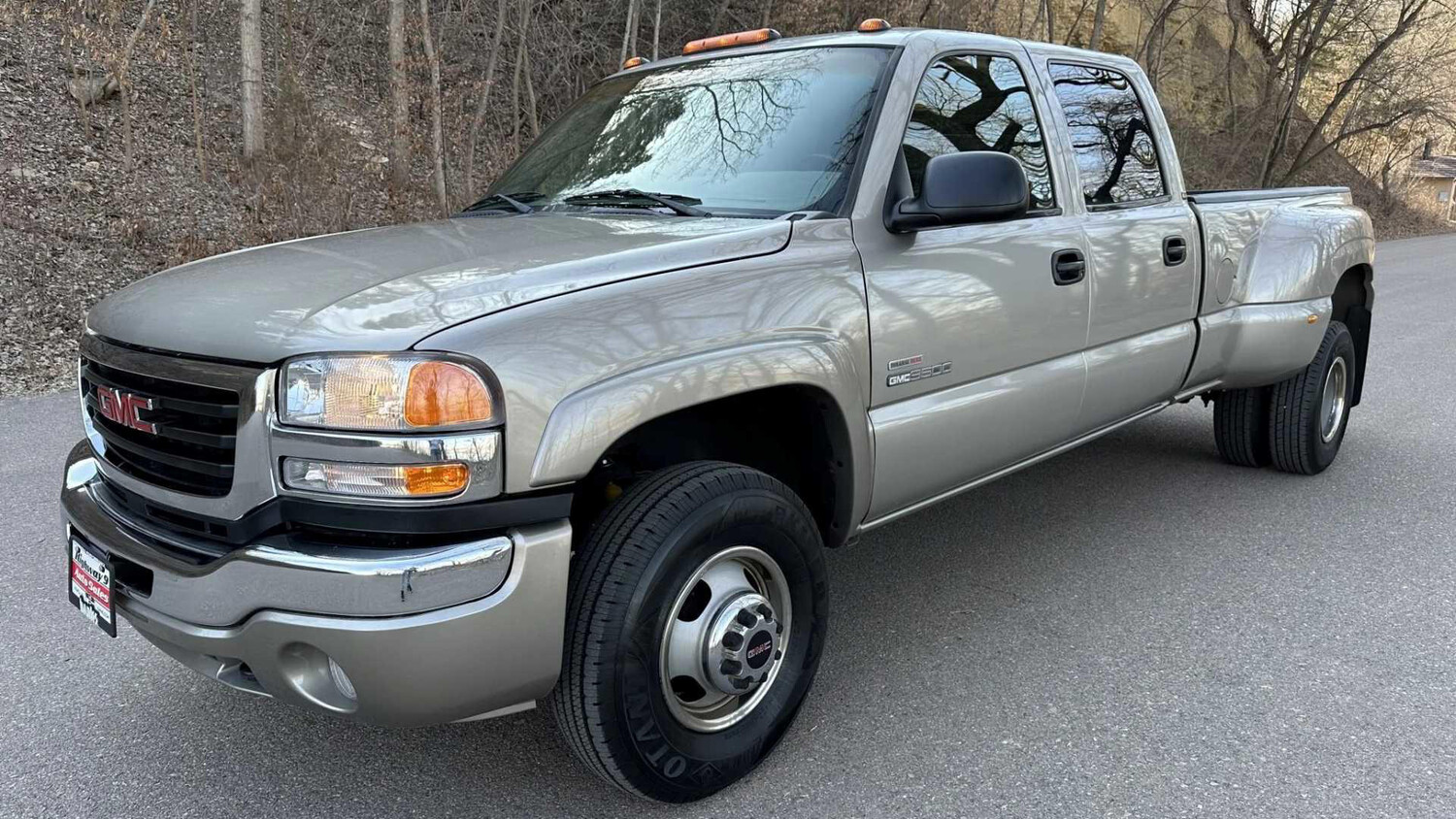
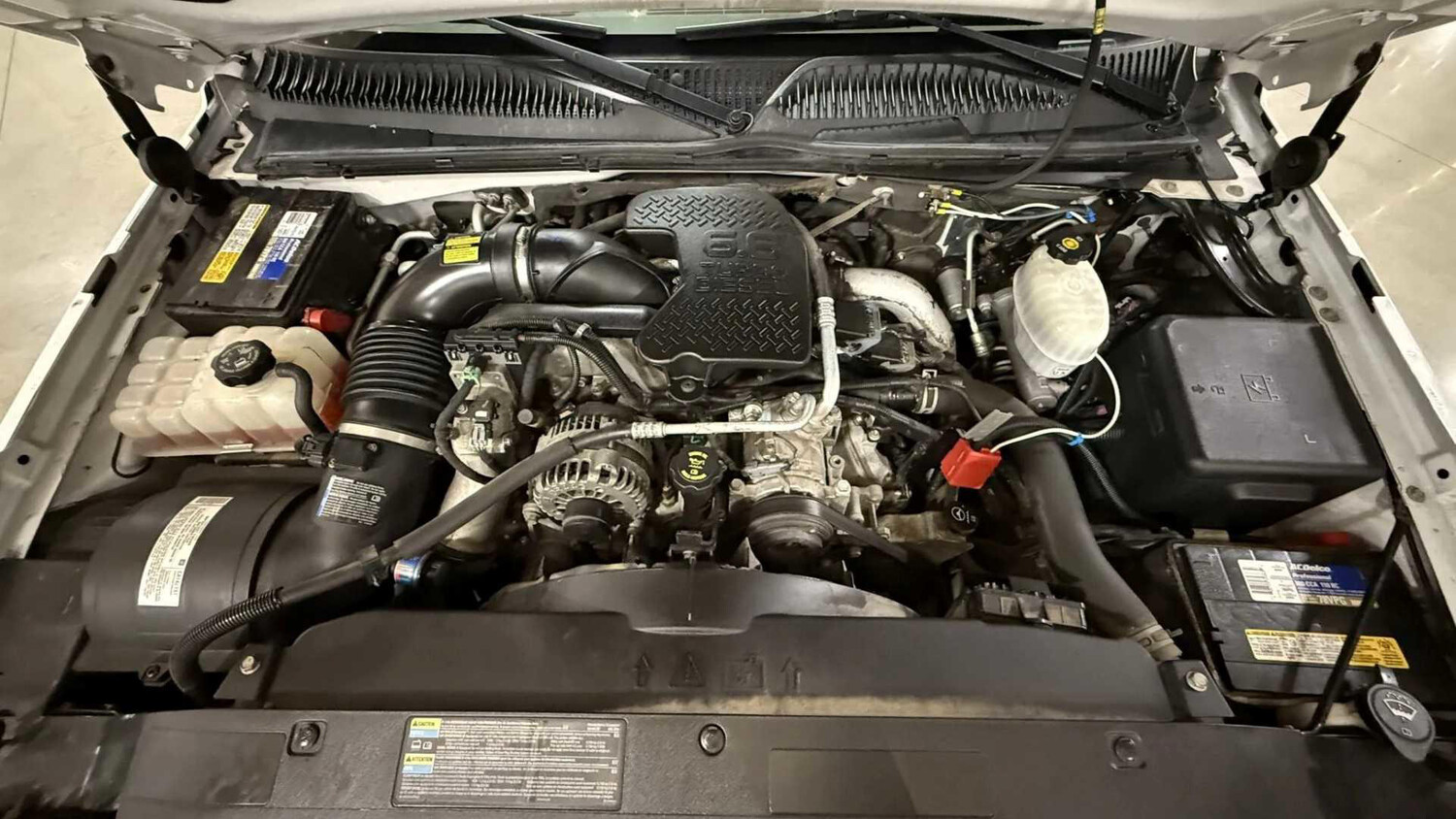
Jump LinksDiesel-powered pickup trucks have been around for the better part of four decades now on a mass-market scale, but there have been some that came about even earlier than that, such as International's diesel model released in the late 1950s. These days, most folks who need to use their pickups for heavy hauling or towing typically opt for diesel power, as it offers more oomph than gasoline motors along with reasonable fuel economy.When it comes to the three main diesel mills we see in the domestic market, there's Ram's Cummins inline-six mills, and Ford's Power Stroke V8s. As for General Motors, they've produced the Duramax diesel mill for nearly 25 years. Over the course of a quarter-century, there have been quite a few variations of the Duramax motor, all of which boast the same displacement. While some Duramax versions were fraught with issues, there are a few that were extremely durable. The iterations in question are the LB7, LBZ, and L5P. Origins, A Much-Needed Change Bring A Trailer General Motors Duramax Diesel Engine Key Points Introduced in 2001 Built in conjunction with Isuzu Boasts a displacement of 6.6 liters Was the first high-pressure common-rail, direct-injection diesel engine offered for sale in an American pickup truck Before the introduction of the Duramax diesel engine in 2001, General Motors was taking advantage of a 6.5-liter diesel mill produced by Detroit Diesel. The first General Motors-bred pickups to offer the Detroit Diesel were introduced in 1982 for both Chevrolet and GMC medium and heavy-duty pickups. Back then, the Detroit mill measured in at 6.2 liters, and produced just 120 horsepower and 260 lb-ft of torque, much less than Ford's 6.9L International IDI diesel engine, which was introduced that same year.In 1994, the Detroit diesel increased in size to 6.5-liters, but was still lagging behind both Ford's Power Stroke diesel and Dodge's Cummins diesel powerplants. The Detroit diesel had the least number of sales when compared to the Dodge and Ford diesel variants, and so by 2000, General Motors was desperate to do something about it. That something would turn out to be the Duramax turbo diesel V8, a motor created thanks to a partnership between General Motors and Isuzu, which the Detroit Giant had majority ownership of since 1971. The First Of Many: LB7 (2001–2004) Bring A TrailerThe very first engine to belong to the Duramax engine family carried the codename "LB7". Released at the tail-end of 2000 for the 2001 model year, the LB7 Duramax was the first commercially-available, pickup-truck-destined diesel engine to feature high-pressure common-rail fuel injection. Keeping with the cutting-edge tech, the LB7 also boasted aluminum cylinder heads, allowing for a lighter diesel engine than those made by Navistar or Cummins at the time.Bring A Trailer Instead of utilizing the existing 4L80E four-speed automatic transmission found in other GM pickup trucks, Duramax-equipped pickups were treated to an Allison automatic transmission, promising more durability and a longer life. Alternatively, buyers could opt for a six-speed ZF manual transmission, although the stick option was the less-popular of the two. The LB7 mill is best known for its simplicity, well-sorted high-pressure common-rail injection system, and for plentiful and cheap parts. The LBZ (2006–2007) Bring A TrailerFive years after the initial LB7 Duramax was introduced in 2001, General Motors unveiled the LBZ Duramax, which constitutes the spiritual third-gen version of the mill, with an iteration called the LLY taking the second-gen spot. It's considered one of the most reliable diesel engines ever produced. The LBZ featured an increase in power in both horsepower and torque, and was also strengthened internally to better cope with hard work. Minor alterations to the engine itself resulted in a motor profile that was two inches taller, requiring a slightly raised hood to accommodate it.Its high-pressure common-rail fuel injection system was tweaked, making for a better fuel flow rate without compromising on fuel economy. An interesting factoid regarding the LBZ is that it was the last Duramax diesel engine to be produced that didn't require the dreaded diesel exhaust fluid (DEF) to operate, which many diesel drivers have reported severely hinders a diesel engine's performance and longevity. The L5P (2017–Present) ChevroletAfter the discontinuation of the LBZ Duramax in 2007, GM's diesel engine went through a bit of a reset, as all manufacturers were, when DEF was being implemented in diesel engine production. Ford famously had issues during this time period, as well, at least early on in the transition with their 6.4L and early 6.7L Powerstroke engines. However, as for GM, once the dust settled and their L5P Duramax was unveiled in late 2016, things took a turn for the better.As of this writing, the L5P Duramax is the longest-lasting Duramax ever built by General Motors. It's currently in its second phase of life, with the first phase ending after the 2023 model year. The L5P features loads of upgrades over the previous Duramax, including a completely redesigned engine block, and a reworked turbocharger. Its fuel system was also overhauled in pursuit of more efficient operation while also providing more power. It seems GM has struck it rich with the L5P, and that's most likely why we're still seeing it built eight years after its initial release.Sources: Chevrolet, GM Heritage, Merchant Automotive, MotorTrend