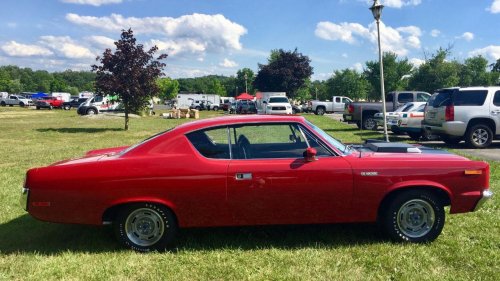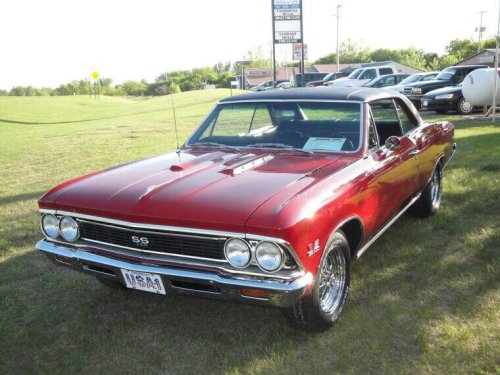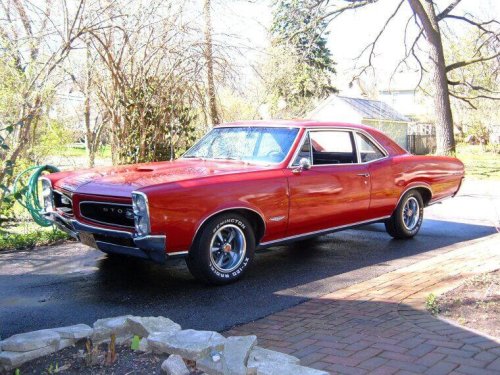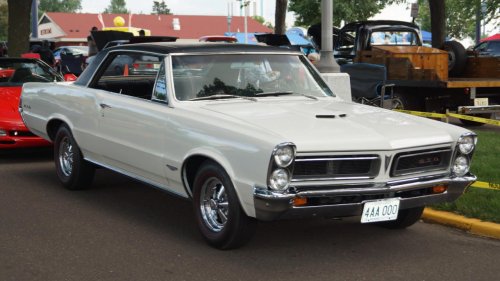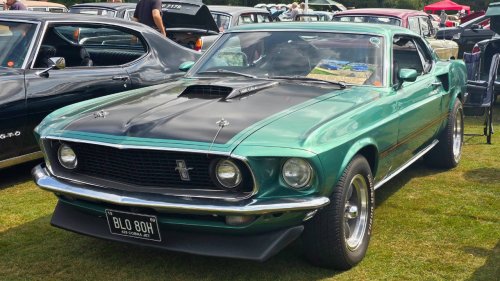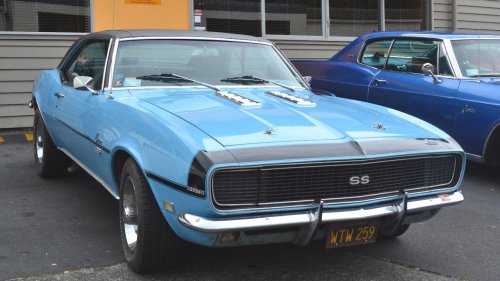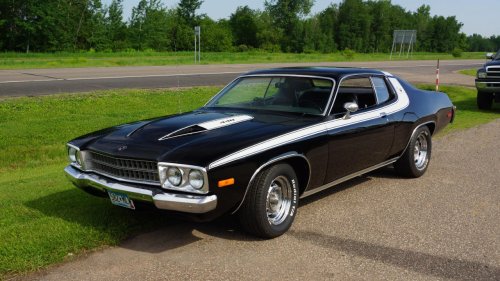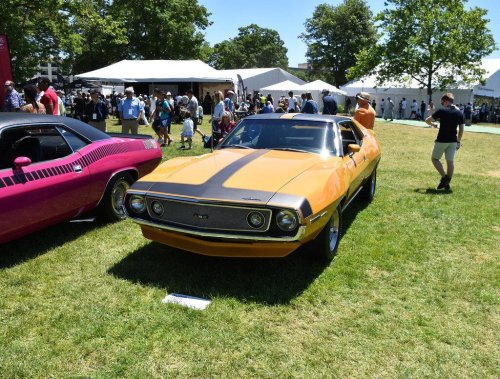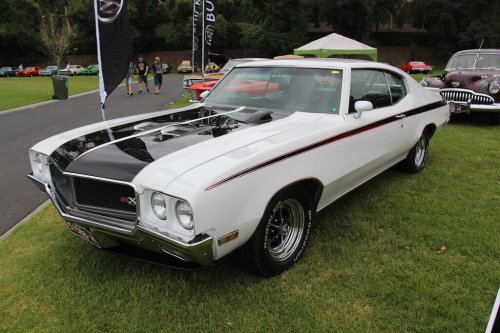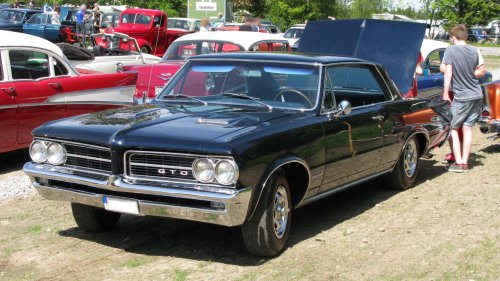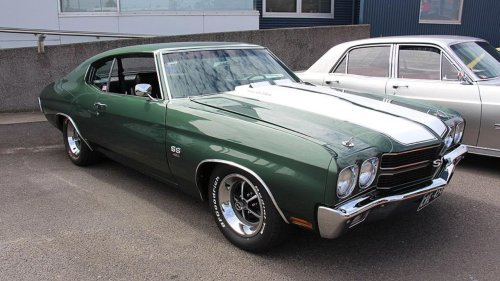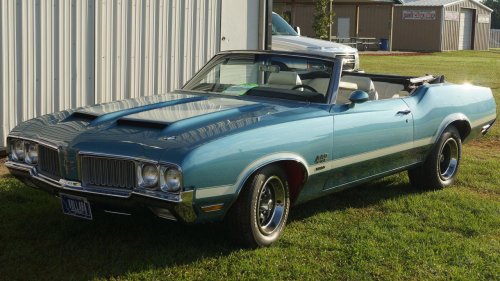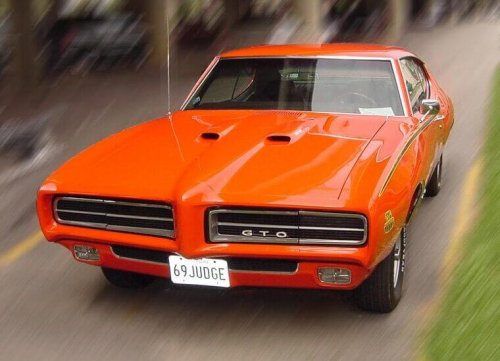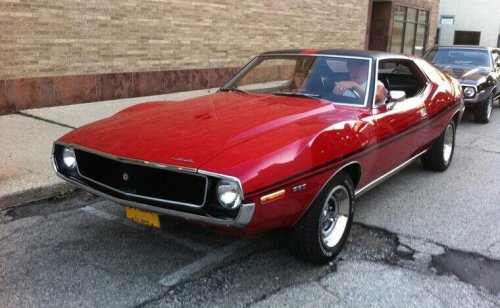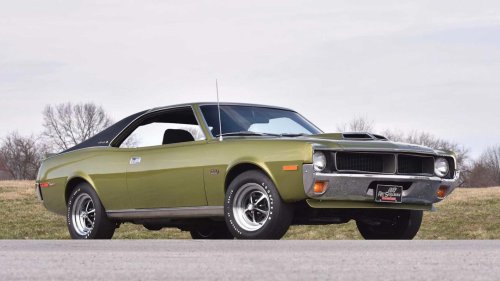
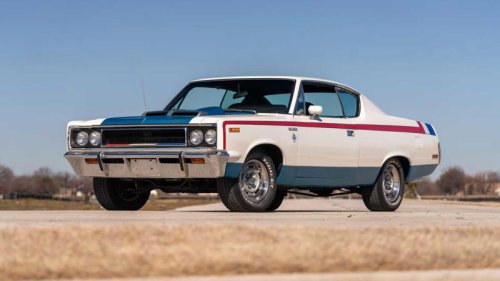
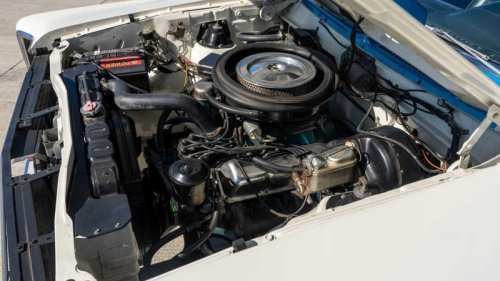
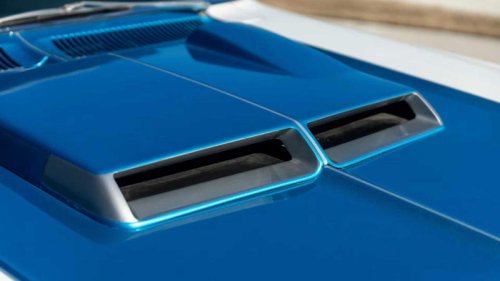
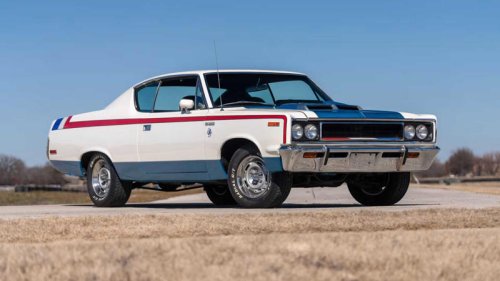
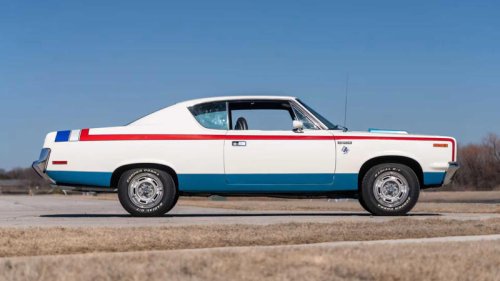
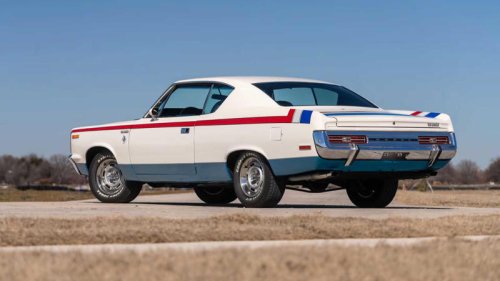
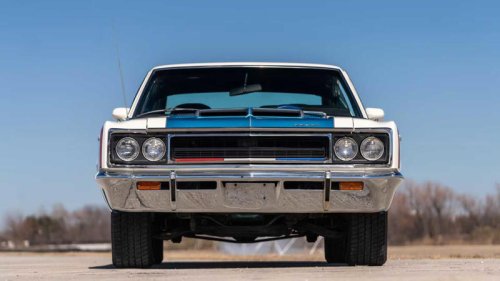
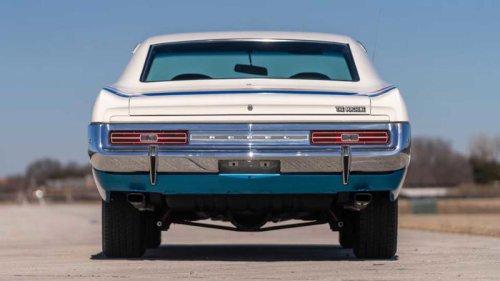



















Home to the "Big Three", Detroit used to be the epicenter of automotive production activities in the U.S., accounting for the vast majority of American cars built in the country before decentralization efforts changed the status quo. However, about 245 miles west of the Motor City, a small, independent automaker known as American Motors Corporation (AMC) operated a sprawling facility that could produce up to 500,000 cars a year, and for decades, it went toe to toe with the Big Three as one of the last truly independent American carmakers.AMC versus Detroit was the automotive equivalent of David versus Goliath, and even though Goliath eventually won when Chrysler acquired AMC in 1987, the "pride of Kenosha" proved that it could compete and sometimes win without the vast resources, economies of scale, and massive dealer networks that the larger companies had. While much of AMC's business model focused on niches that the Big Three largely ignored, it couldn't resist the horsepower wars of the muscle car golden era, and in 1970, it created a model that took direct shots at some of the most popular Detroit muscle cars of the day. AMC Punched Above Its Weight Via Mecum AuctionsGen Z readers may be unfamiliar with AMC's game, as it disappeared long before they were born, but for much of the 20th century, the Kenosha-based marque proved that independent automakers with far tighter budgets than Detroit giants could thrive through sheer determination and with the right strategy. AMC's main focus, and a big reason why it survived for so long, was compact cars like the Rambler that emphasized fuel economy, maneuverability, and value. However, with Detroit running wild in the '60s and the so-called horsepower wars in full swing, AMC made a dramatic shift from its reputation as a builder of sensible economy cars to a serious challenger in the muscle car arena.AMC wanted to shed its 'grandma car' image and attract young, performance-hungry buyers, so it launched several models that stood out for their radical designs and high power-to-weight ratios. The two-seat AMX kicked off AMC's involvement in the muscle car golden era, and not too long after, AMC built its most powerful road-legal model ever, which is what we'll be discussing today. The 1970 AMC Rebel Machine, or simply "The Machine", not only had one of the coolest model names, but it also disrupted the muscle car market by offering a giant-killing performance-to-price ratio and etched its name in muscle car history books. 1970 AMC Rebel "The Machine": AMC's Loudest Shot At Detroit Via Mecum AuctionsThe Pontiac GTO's introduction in the mid-1960s turned the American car industry on its head, as it created the muscle car blueprint that brought affordable performance to the masses. This move left AMC in a precarious position. Before then, most buyers considered AMC to be a 'fuddy-duddy' brand that made boring family cars, and AMC wore that badge with pride. In fact, boring, compact family cars were its bread and butter.But when the GTO proved that affordability and performance could be had in a stylish package and everyone in Detroit followed suit, AMC executives knew they had to rethink their strategy. In the late '60s, they hatched a plan to build several performance-focused cars to appeal to younger buyers, and among them was a new halo muscle car that would carry the brand's most powerful engine to help it trade punches with the GTO and other big-name Detroit rivals at the time. The AMC Rebel SST hardtop was selected as the base car for the project, and with the help of Hurst Performance, AMC gave it significant aesthetic and performance upgrades that turned it into "The Machine." The Rebel Machine was only produced for the 1970 model year, but that was all the time it needed to secure AMC's reputation as a manufacturer of genuine muscle cars, which earned it some much-needed street credibility that helped improve overall sales. It Was A Powerhouse Via Mecum AuctionsDuring the golden age, one of the hallmarks of a proper muscle car was a big V8 engine. AMC ticked that box immediately when they equipped the Rebel Machine with the largest and most powerful AMC-built engine available at the time, a 390 cubic-inch V8 that had been introduced with the AMX two-seat "sports car" (built to compete with the Chevy Corvette) in the 1968 model year. Unlike smaller AMC V8s at the time, the 390 featured heavy-duty internals straight from the factory as AMC didn't have the budget to develop separate economy and racing engine blocks,, including a forged steel crankshaft and forged steel connecting rods.However, this wasn't simply a drop-in engine. AMC made several upgrades that gave the 390 the power it needed to give the Machine a competitive power-to-weight ratio. These included a redesigned, high-flow dual-plane intake manifold, upgraded heads for improved exhaust flow, larger exhaust manifolds, and a more aggressive cam profile. The Machine's 390 made 340 hp (15 hp more than the 1970 AMX), giving it a superior power-to-weight ratio than Detroit giants like the Chevelle SS 396 of the day. Hurst also supplied a floor-mounted shifter and performance linkage for the Borg-Warner T-10 manual gearbox, a pistol grip shifter for buyers who chose the optional Shift-Command automatic transmission, and an integrated 8,000-RPM tachometer mounted on the back of the functional Ram Air hood scoop.Via Mecum AuctionsThe engine gave the Machine the power it needed to run with or even beat similarly priced rivals, but it was just one piece of its performance puzzle. One key thing that gave it an edge over many Detroit rivals was AMC's pricing strategy. While the Machine's base price of $3,475 was higher than rivals like the Plymouth Road Runner, it included power front disc brakes, heavy-duty suspension, a functional Ram Air hood, a Twin-Grip limited-slip differential with a standard 3.54:1 rear axle ratio, and other high-performance equipment that Detroit rivals typically had as options. A buyer could walk into an AMC dealership, pay one price, and drive away in a car that was already race-ready, eliminating the confusing and expensive options game played by the Big Three. Detroit Rivals Couldn't Keep Up Via Mecum AuctionsThe Rebel Machine didn't just send warning shots to direct Detroit rivals on spec sheets; it embarrassed them on drag strips and stoplight-to-stoplight battles. However, it's important to note that while the Machine was the AMC halo muscle car, it was no match for Detroit's halo muscle cars like the Cobra Jet Fords and Hemi-powered Mopars. But, compared to similarly-priced rivals, it was a giant killer that gave AMC some serious performance credentials thanks to its superior power-to-weight ratio and AMC's one-price strategy.In period tests, a Rebel Machine with a four-speed manual and 3.91:1 gears ran the quarter-mile in 14.49 seconds @ 93 mph, beating the Chevrolet Chevelle SS 396, the standard Oldsmobile 4-4-2, and other similarly-priced Detroit rivals. For those in the know who wanted to unlock the Machine's full potential, AMC offered the "Group 19" Service Kit, giving buyers access to a secret menu of high-performance parts that reportedly pushed output above 400 hp and turned it into a legitimate drag strip terror with passes in the 12.2- to 12.7-second range. The Red, White, And Blue Muscle Car That Time Forgot Via Mecum AuctionsThe Machine didn't just offer muscle-car-worthy performance; it also had the looks to match and was intended to be a showstopper from the get-go. Adopting a more boxy look as opposed to the more prevalent Coke bottle style, it stayed true to AMC's more functional, linear design language but still looked like a proper street brawler. Even when parked, it looked ready to dominate, thanks to a functional Ram Air hood with an integrated tachometer facing the driver and a predatory, raked-forward stance achieved by using rear springs yanked from the heavy Rebel station wagon.Even more impressive (and polarizing) was the paint job AMC gave the first 1000 Machines, which made it look like a Star-Spangled Banner on wheels. It had one of the most patriotic paint jobs ever, featuring a Frost White base, red accents, and reflective blue 3M stripes that ensured everyone could identify it even at night. The perfect definition of America, the Rebel Machine was about as stealthy as a fireworks show in a library. However, due to the polarizing nature of the patriotic paint job, AMC released the remaining 1,326 units in solid factory colors and blacked-out hoods, trading the patriotic vibe for a more traditional street-brawler aesthetic. Why The Rebel Machine Is A Forgotten Legend Via Mecum AuctionsThe Machine looked ready to dominate the streets, drag strips, and even sales charts, but it ended up being a one-year model that barely made it into enthusiast folklore. AMC replaced the Rebel with the Matador after the 1970 model year, and at the same time, rising pressures from insurance companies and environmental regulatory organizations forced AMC to drop the 390 V8's compression ratio and performance levels from 1971 onward. Only 2,326 Rebel Machines were built, making it a relatively rare find.The short time in the spotlight was only half the story, though. The Machine's biggest problem was that it was an AMC, a brand typically associated with lackluster compact cars. It always carried a negative perception and had to work harder than Detroit rivals to gain respect from performance-oriented buyers. As a smaller independent brand, AMC also lacked the vast advertising budgets, dealer networks, and racing programs required to make it a household name and boost its performance image. The 1970 AMC Rebel Machine Is An Overlooked Collector Muscle Car Via Mecum AuctionsSource: Hagerty Valuation ToolThe 1970 Rebel Machine is a golden era muscle car with a menacing design, an iconic paint job, tons of V8 power, and relative scarcity, but prices don't really reflect that. Average prices for one in good condition hover around the $50,000 to $70,000 range, but a few perfectly-restored units have crossed the $100,000 mark in recent years. Collectors seemingly prefer units finished in the patriotic livery, and we could hardly find auctions featuring the units with solid colors.As far as golden age collector muscle cars are concerned, the Machine is on the more affordable side of the spectrum, especially when compared to direct rivals like the 1970 Chevelle SS 396, which has a higher average valuation and a lot more six-figure auctions in recent years. While $70,000 isn't exactly cheap, considering that only 2,326 Machine units were built, that's the kind of scarcity that makes collectors keep a close eye on them.Via Mecum AuctionsThe Machine may not have the massive cult following, star power, and collector appeal that many of its Detroit rivals have, and that has a lot to do with AMC's position as an underdog in the U.S. auto market, but it deserves more credit for what it brought to the muscle car industry and its role in enhancing AMC's performance credentials. AMC is long gone, but the Machine will ensure its name lives on forever.Sources: Mecum Auctions, Hot Rod, Hagerty Valuation Tool