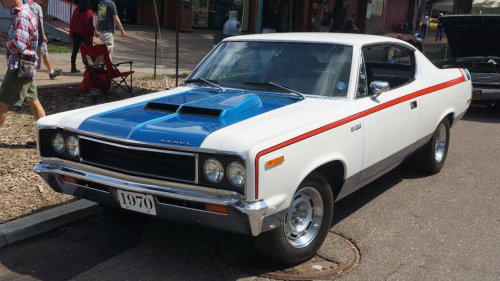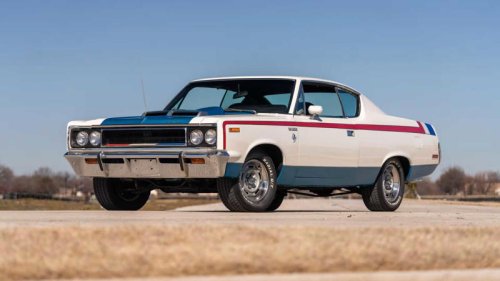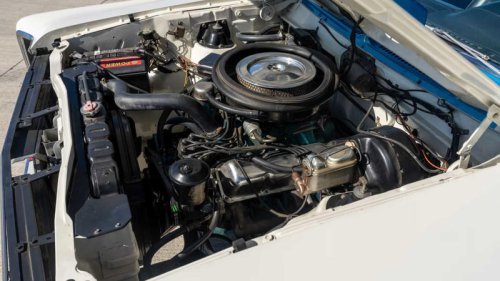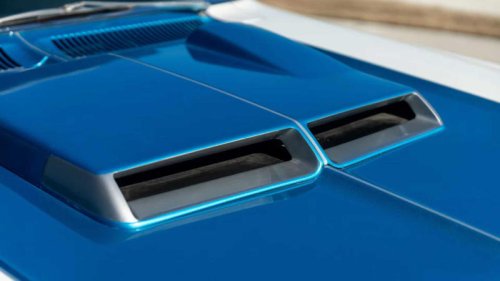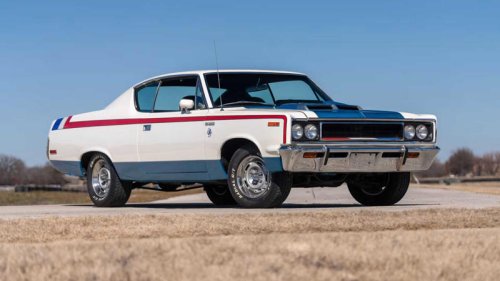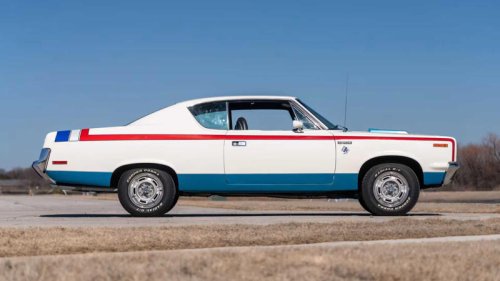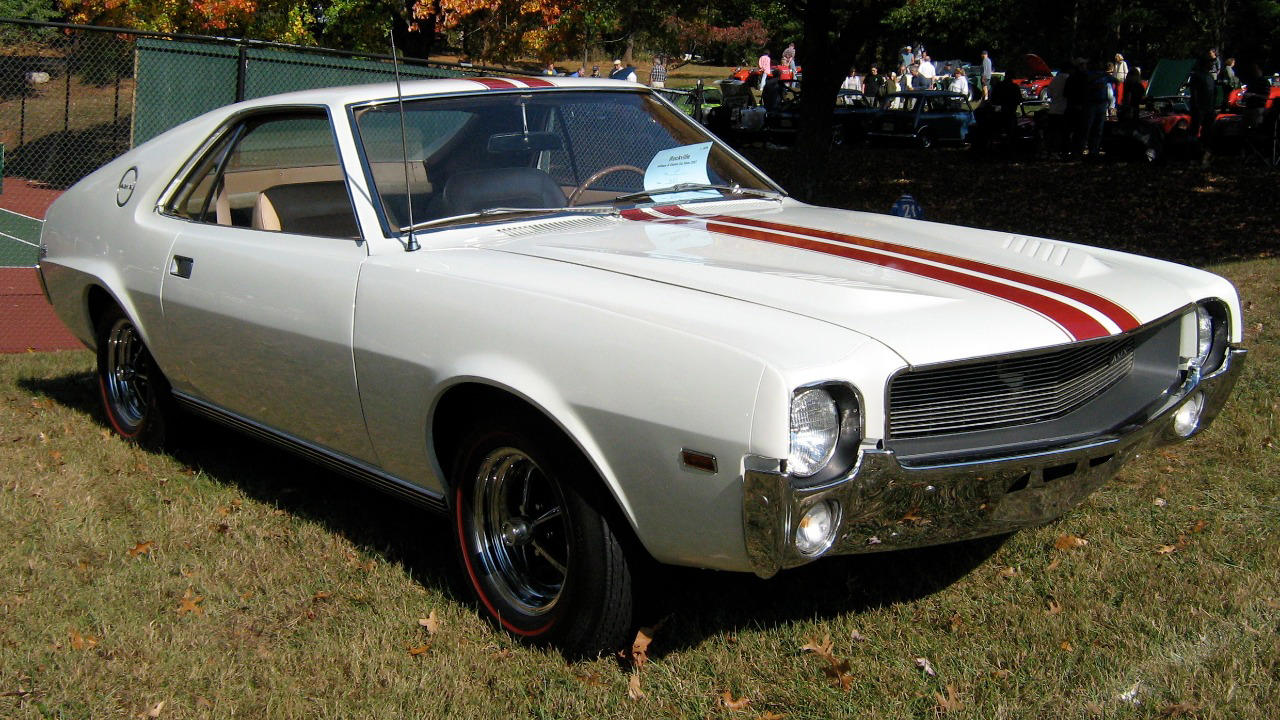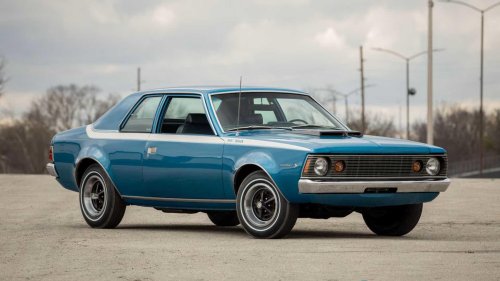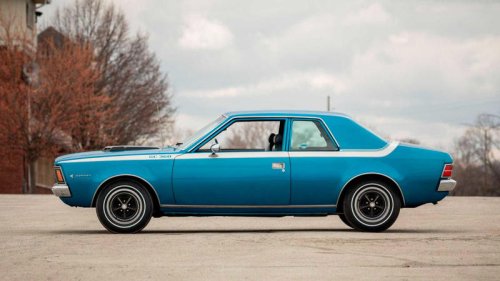
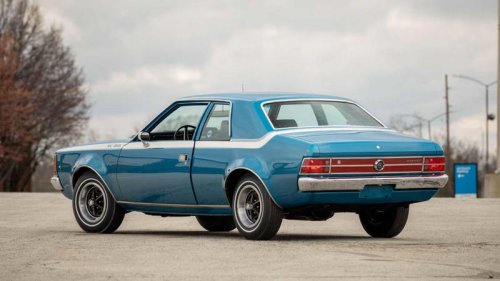
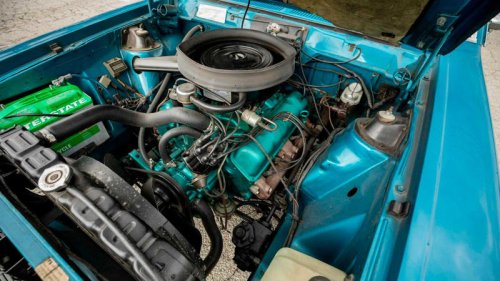
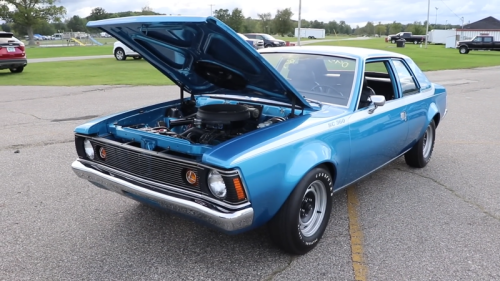
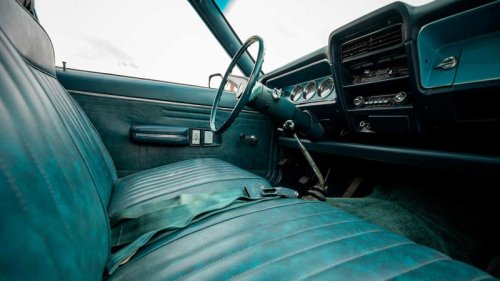
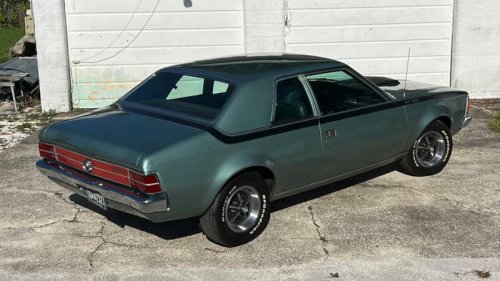
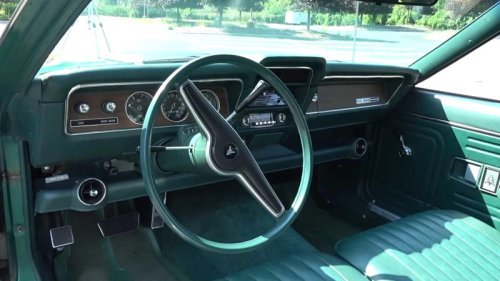



















By the early 1970s, muscle cars hadn’t really gone anywhere. The engines and performance were still there, but everything around them started to change. Insurance companies had started cracking down, and they weren’t subtle about it. If a car looked like a muscle car, sounded like a muscle car, or carried a big enough engine, you were paying for it every single month. For many buyers, that counted more than the sticker price.That’s where things started to split. Some brands kept doing what they’d always done and watched costs climb, but American Motors Corporation took a different approach. Instead of building something louder or faster on paper, it built something smarter. A compact V8 car priced at $2,663 that didn’t trigger the same penalties as everything else around it. AMC's Hornet SC/360 Was A $2,663 Insurance Loophole On Wheels MecumThe Hornet SC/360 works because it doesn’t look like it should. You’re looking at a compact Hornet, something that, at a glance, doesn’t carry the same presence as the bigger muscle cars from the same era. No oversized hood, no dramatic stance in base form, nothing that immediately tells you what’s under it. I mean, unless you read that sneaky little graphic labeled "SC 360" on the side.AMC didn’t hide the engine, but it also didn’t build the car around advertising it. At the time, insurance companies weren’t digging deep into every detail because they were reacting to categories, visuals, and patterns.MecumSo while other cars were being flagged instantly, this one could pass as something much more ordinary. Same basic idea as cars getting hit with higher premiums, but packaged in a way that didn’t trigger the same response. If you knew what you were buying, you were getting away with something. Nothing like a sneaky deal, right?Fun Fact: AMC only built around 784 examples of the Hornet SC/360, making it one of the rarer early-’70s V8 performance cars, even compared to some better-known muscle models. It Delivered Real Muscle Car Performance At A Budget Price None of this would matter if the car didn’t actually back it up. The 5.9-liter V8 was rated at 245 horsepower, which doesn’t jump off the page today, but the way it delivered power is what made it work. It had strong low-end torque, immediate response, and enough pull to make the car feel quick without needing to wind it out. Period testing put 0–60 mph right around the mid-six-second range. That puts it directly in the conversation with cars that cost significantly more at the time.MecumAnd because the Hornet was smaller and lighter than most of its competition, it didn’t need huge numbers to feel fast. It felt more responsive and usable in real-world driving than on straight-line runs.Fun Fact: The optional “Go Package” wasn’t just cosmetic, it included a ram-air-style intake setup that actually fed cooler air into the engine, which helped real-world performance, not just numbers. Performance Specs – Hornet SC/360 If you wanted more, AMC offered the “Go Package,” which is where things got more serious. A four-barrel carburetor, better breathing, upgraded cooling, and a more performance-focused setup overall. That basically turned the car from quick into something that could genuinely surprise people. AMC Cut Costs In Smart Places To Hit That $2,663 Price Cars an Zebra / YouTubeThat $2,663 price point didn’t happen by accident, and it also didn’t come from cutting the wrong corners. The interior was basic, featuring simple materials, less insulation, and fewer extras. This wasn’t a car built to impress you when you were sitting still. It was built to make sense once you started driving. It's kind of crazy to think that a car could have a base price of $2,663 in a world where new cars start over $40,000 these days, but AMC was making a point. It was $40 less than a new 1971 Duster 340. Chevrolet offered the 1971 Camaro V8 at an MSRP of $2,848.However, this bare-bones approach also helped keep weight down, which worked in the car’s favor. Less mass meant the engine didn’t have to work as hard, and the whole package felt more responsive because of it.MecumAMC also kept the base configuration focused. You weren’t paying for features you didn’t need. If you wanted to add performance, you could. If you didn’t, you still had a V8 car that delivered where it counted. That balance is what made the price believable. It wasn’t cheap in a way that felt compromised. It was cheap because AMC chose to spend money where it mattered and ignore everything else.Fun Fact: The Hornet SC/360 was one of the last true high-compression AMC V8 performance cars before emissions regulations tightened, meaning later versions of similar engines quickly lost power in the years that followed. It Arrived At The Perfect Time To Exploit Insurance Crackdowns Timing is a big part of why this car exists the way it does. By this point, insurance companies had already identified muscle cars as a problem. High horsepower, younger buyers, and more accidents meant premiums started climbing fast. Some cars became almost unrealistic to own unless you were willing to absorb that cost. And most brands didn’t adjust quickly enough.Muscle Car Campy / YouTubeAMC did. It built a car that technically checked the boxes for performance but didn’t fit the profile insurers were targeting. Smaller footprint, less aggressive presentation, and a marketing approach that didn’t lean into the same stereotypes. That created a window. Not a huge one, and not one that lasted forever, but long enough for this car to make sense in a way a lot of others didn’t. For buyers paying attention, it was one of the easiest ways to get into a V8 car without getting buried in ownership costs. Now It’s One Of The Smartest Muscle Car Buys No One Talks About Lou Costabile/ YouTubeThis is where it gets interesting today. The Hornet SC/360 doesn’t have the same recognition as the bigger-name muscle cars from the era, and that’s part of why it still feels undervalued. It wasn’t marketed as aggressively, and it didn’t build the same kind of legacy at the time. But when you step back and look at what it actually offers, it’s hard to ignore.You’re getting a relatively lightweight, V8-powered car with real performance, a unique backstory, and production numbers that weren’t high to begin with. It checks a lot of the boxes people look for now, especially as buyers start to move beyond the obvious choices.Muscle Car Campy / YouTube Recent Market Activity – Hornet SC/360 The values are starting to reflect that shift, but they still haven’t reached the level of some of its competitors. That gap is what makes it worth paying attention to right now. Looking at it now, the Hornet SC/360 feels more important than it probably did at the time. It wasn’t trying to lead the segment or redefine anything. It just found a smarter way to work within the rules when those rules started changing. And for a car that cost $2,663 new, that’s a pretty impressive legacy to end up with.