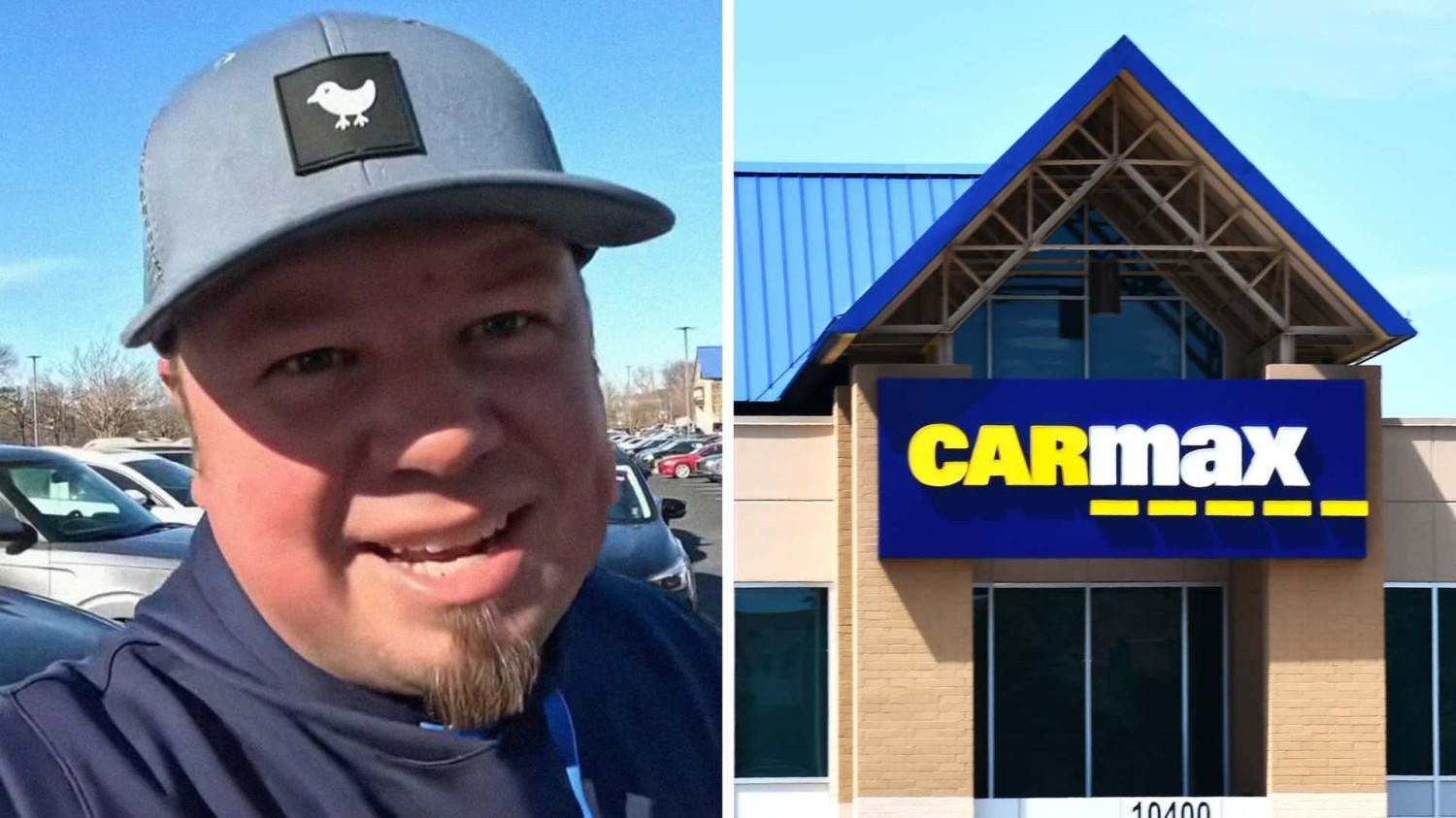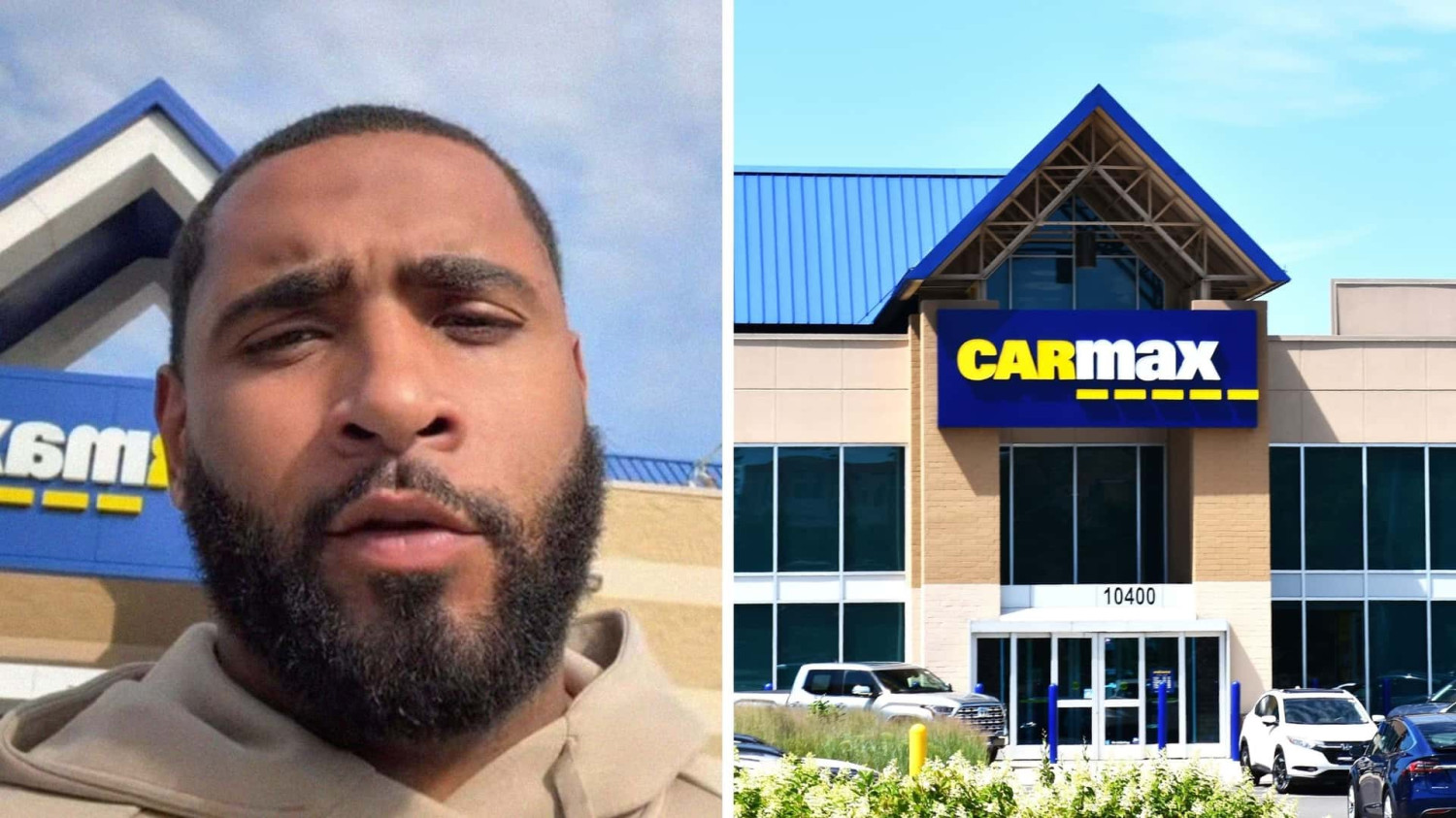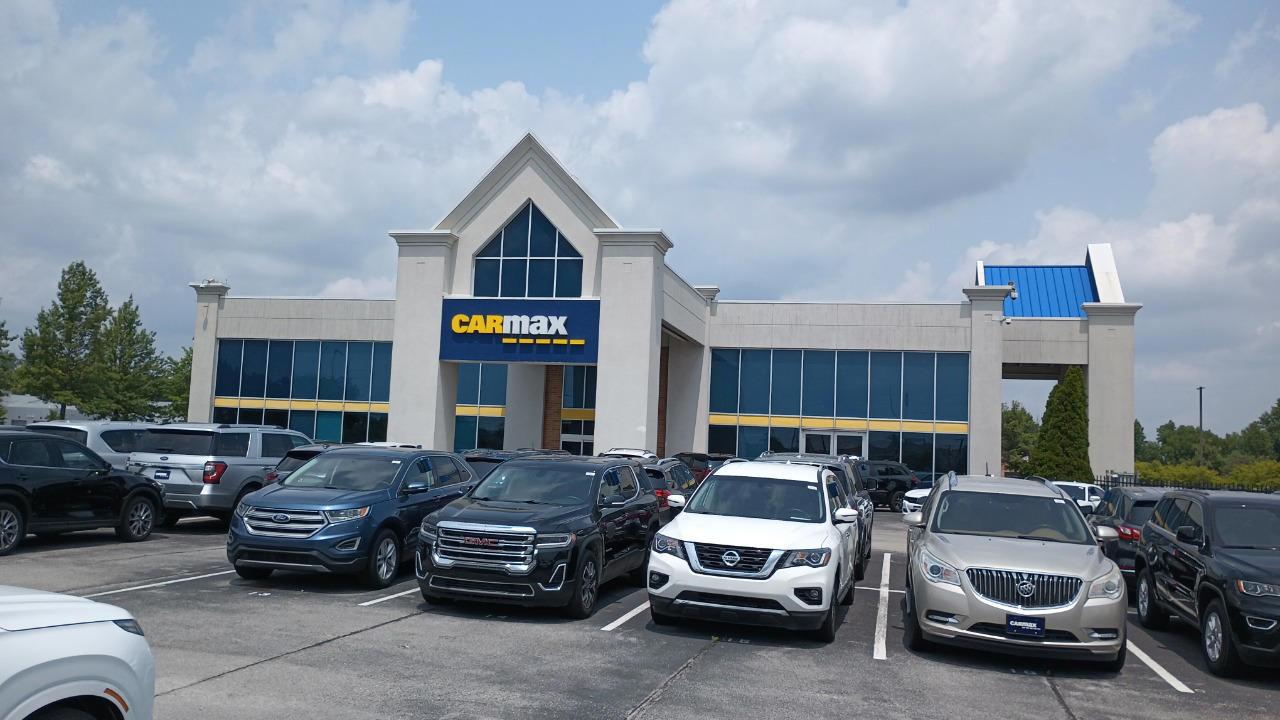


















CarMax to pay $15K per illegally repossessed car from US troopsCarMax is facing a costly reckoning after federal civil-rights enforcers accused the company of seizing vehicles from active-duty personnel without the legal safeguards that protect those in uniform. Under a new settlement, the used-car giant has agreed to pay roughly $15,000 per affected vehicle to U.S. troops whose cars were taken while they were serving. The agreement puts a price tag on conduct that the government says violated protections for deployed service members and their families, and it sends a pointed signal to the broader auto finance industry. At stake is not only nearly $500,000 in payments and penalties, but also the credibility of a retailer that built its brand on a consumer-friendly image. How the CarMax case emerged and what the government alleged The dispute traces back to allegations that CarMax Inc. repossessed vehicles from at least 28 U.S. service members without first obtaining a court order, even when the borrowers had entered active duty after signing their retail installment contracts. According to a federal settlement agreement, the United States asserted that these repossessions formed a pattern or practice of violating the Servicemembers Civil Relief Act, which restricts creditors from seizing property from those on active duty without judicial oversight. The RECITALS section of that agreement explains that the United States alleged CarMax took vehicles from service members who had not waived their rights and who had provided notice of their military status, yet still saw their cars removed while they were away from home. On February 23, 2026, CarMax, Inc. agreed to resolve the investigation through a negotiated deal with federal civil-rights lawyers rather than litigate the claims in court. The Justice Department described the company as the nation’s largest retailer of used cars and alleged that its repossession practices failed to account adequately for customers who had transitioned into military service. In the official description of the settlement, the government states that on February 23, 2026, CarMax agreed to adopt new safeguards to prevent future SCRA violations, including improved screening for military status and enhanced staff training. The money: $15,000 per car and nearly $500,000 overall The financial terms are structured around individual harm, which is where the headline figure of $15,000 per vehicle comes into focus. Reporting on the settlement indicates that CarMax is paying $15,000 for each vehicle it allegedly repossessed illegally, reflecting the loss of transportation and related financial harm to affected service members. A separate analysis of the deal notes that the massive used car dealer will pay at least $420,000 in damages to servicemembers along with a civil penalty of $79,380, tying the overall package to the number of vehicles that were allegedly taken without the required judicial approval. Federal officials have repeatedly described the settlement as approaching half a million dollars in total value. One enforcement summary states that CarMax will pay nearly $500,000 to resolve allegations that it illegally repossessed vehicles from service members, while another federal announcement similarly describes a nearly $500,000 package that combines direct compensation with the $79,380 civil penalty to the United States. Consumer-focused coverage reports that CarMax will pay nearly $500,000 after illegally repossessing service members’ cars, including $15,000 per vehicle in compensation and a $500 civil penalty to the United States for each affected account. What the Servicemembers Civil Relief Act requires from auto lenders At the center of the case is the Servicemembers Civil Relief Act, a federal law that shields active-duty personnel from certain financial and legal actions that could derail their ability to serve. The statute requires creditors to obtain a court order before repossessing a vehicle from a borrower who entered military service after signing a contract, unless that borrower has explicitly waived SCRA protections. Guidance explains that the law covers auto loans, residential leases, and other obligations, and that service members who provide notice of their orders are entitled to court review before a creditor can seize a car, garnish wages, or foreclose on property. The Justice Department has made SCRA enforcement a recurring priority, using its civil-rights authority to investigate lenders, landlords, and storage companies that allegedly ignore the law’s requirements. In the CarMax matter, the government’s complaint described repossessions that took place without the required judicial sign-off, even when the company had documentation that the customer was on active duty. The formal settlement document states that the agreement resolves allegations that CarMax engaged in a pattern or practice of violating the SCRA by repossessing vehicles from protected service members without a court order, even after being informed of their military status. Industry impact, compliance lessons, and what comes next The settlement carries reputational stakes for a company that has long marketed itself as a consumer-friendly alternative to traditional dealerships. CarMax Inc., described in enforcement materials as the largest used car retailer in the country, now finds its name attached to a high-profile civil-rights case involving active-duty troops. Coverage aimed at finance and repossession professionals has framed the outcome as a warning to dealers, noting that CarMax paid $420,000 over military repossessions and emphasizing the importance of proper compliance procedures. Trade coverage of the towing and recovery sector similarly highlights that CarMax will pay nearly $500,000 to resolve the allegations, signaling to repossession agents and finance companies that they share responsibility for verifying military status before a car is hooked up and hauled away. More from Fast Lane Only Unboxing the WWII Jeep in a Crate 15 rare Chevys collectors are quietly buying 10 underrated V8s still worth hunting down Police notice this before you even roll window down