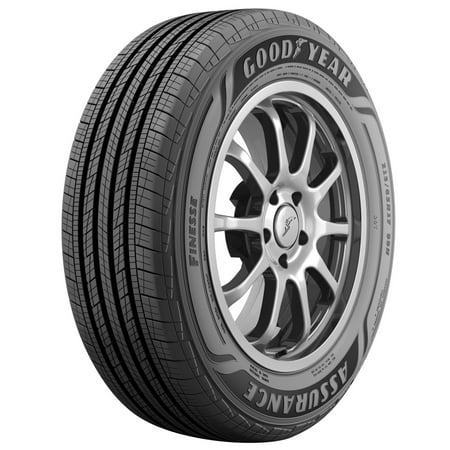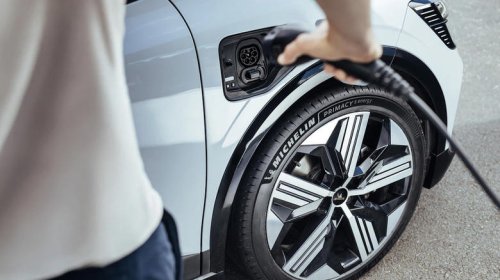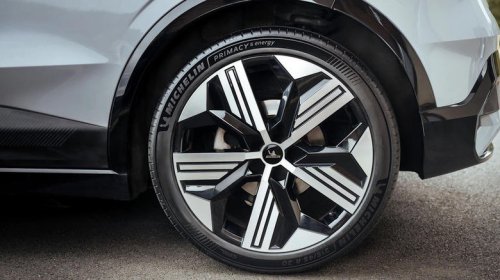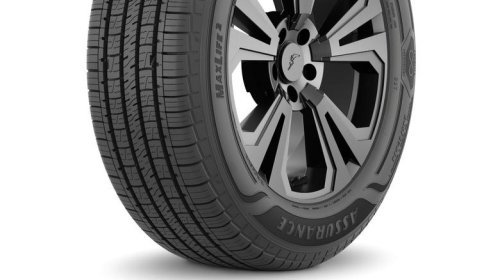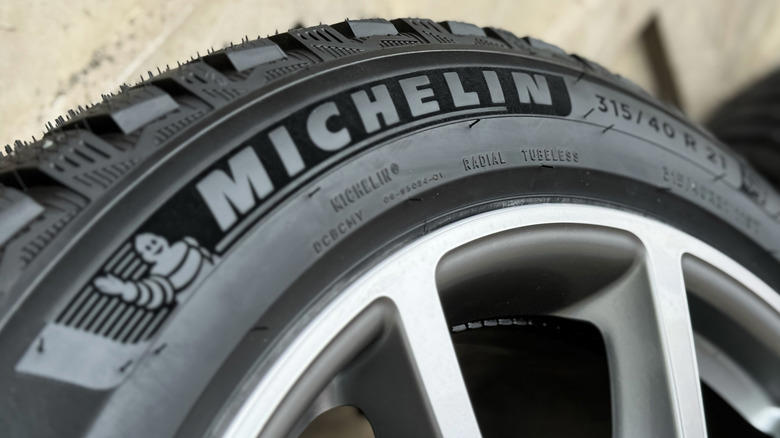
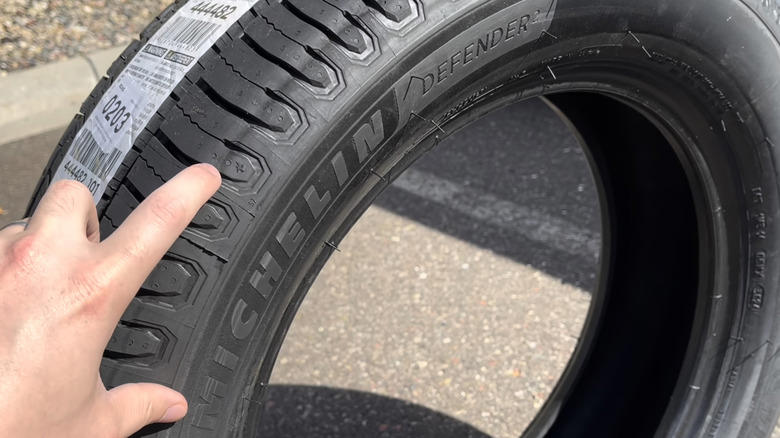



















DiPres/Shutterstock Michelin makes some of the best tires in the industry. In fact, Consumer Reports ranks Michelin as the top tire brand in 2026, beating well-known brands such as Continental, Goodyear, and Bridgestone when it comes to overall performance and tread life. Among the different types of tires tested were the Defender2 and Primacy Tour A/S, both of which, CR says, are top picks from Michelin's all-season catalog. However, when tread life is brought into the mix, the debate between the Defender2 and its Primacy all-season cousin is pretty one-sided. Michelin markets the Defender2 as the longest-lasting tire the company has ever produced, to the point where it's offered with an 80,000-mile limited warranty. The claims for the Defender2 are pretty substantial, whether it be tread wear, comfort, or overall performance. In testing on a 2021 Toyota RAV4, Michelin says, the Defender2 showed an estimated life of 94,400 miles, compared to Bridgestone's Alenza AS Ultra (47,700 miles), Continental's TrueContact Tour (59,400 miles), and Goodyear's Assurance MaxLife (51,900 miles). Relatively speaking, that's two more years of tire life, Michelin says, based on the U.S. Department of Transportation's annual average of 13,500 miles. Michelin adds that its internal dry and wet brake tests also revealed the Defender2's edge over those competitors in stopping distances. Looking at Tire Rack's consumer surveys, it's clear that buyers feel the Defender2 lives up to Michelin's many marketing claims, with the overall sentiment extremely positive. In the hands of a trained expert, however, the tire seems flawed in certain areas. Tire Rack's 2025 all-season touring road tire test reveals some shortcomings of the Defender2, including questionable wet-weather traction and noticeably vague steering, especially during wintry conditions, where all-weather tires typically perform better than all-season ones. Understanding its design and compromises Born to Drive/YouTube Michelin's trademarked EverTread 2.0 compound and MaxTouch 2.0 technology are the secrets behind the Defender2's incredible tire life. Marketing jargon aside, the tire's surface is designed to evenly distribute cornering, braking, and acceleration forces, reducing uneven wear and improving its lifespan. And the compound is engineered to be durable and highly wear-resistant. Campus Automotive Inc, inspecting the Defender2, discussed how the tread's squiggly design, symmetry, and deep grooves all help with traction and longevity. But the site also mentioned trade-offs, particularly in wet conditions, where an all-season tire's performance may be compromised. This falls in line with Tire Rack's review of the Defender2, which says that while the tire is good in terms of tread life, comfort, and general touring ability, its wet and winter-weather performance leaves a lot to be desired, especially on snow. Alternatives from Goodyear, Bridgestone, Continental, and Yokohama offer much better performance on snow, as reflected in their Tire Rack ratings. Understand, too, that steering feel when it's wet and general bad-weather handling are not the Defender2's strong suits. In wet conditions, its front-end traction was found to be less than ideal on the test car, a 2025 Toyota Camry. During an emergency lane change, the steering response felt lacking and not so lively, according to Tire Rack. On the snow, braking performance wasn't the best, and the steering offered almost no feedback. So are there trade-offs? Yes, but none that make the Defender2 unusable. In fact, it's still one of Tire Rack's go-to choices when deciding on a good standard touring all-season tire.