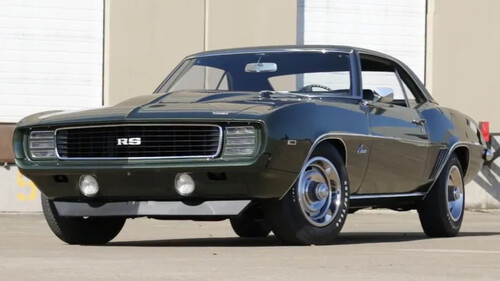
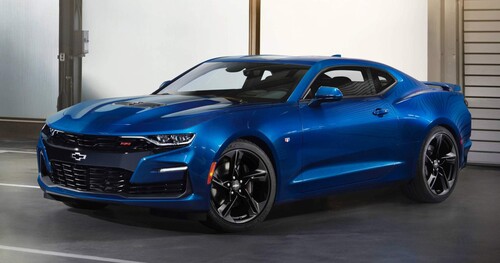
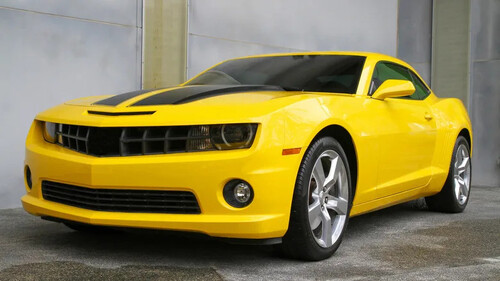
Muscle car fans still debate whether the Camaro lost its soulThe Chevrolet Camaro has long stood as a beacon of American muscle, revered for its unfiltered power and iconic design. Yet, the latest models have ignited a spirited debate among fans over whether the Camaro has diverged too far from its original essence. This controversy centers on the transformation of the Camaro and the passionate discussions about its enduring “soul.” The Legacy of the Camaro The Camaro roared onto the scene in 1966 as Chevrolet’s answer to the Ford Mustang, immediately embedding itself into the tapestry of American muscle car culture. Born in the throes of the 1960s, a decade defined by rebellion and innovation, the Camaro quickly became a symbol of both. Its sleek lines and powerful engines embodied the American spirit of freedom and adventure. Beyond its physical attributes, the Camaro captured the cultural zeitgeist, starring in films like “Transformers” and appearing in countless songs as an emblem of youthful independence. Each iteration of this classic car told its own story, with milestones such as the first Z/28 model in 1967, which introduced a race-inspired edge, or the 1985 IROC-Z, which became synonymous with speed and style. These pivotal moments have cemented the Camaro’s place in automotive lore, fueling the passion of generations of car enthusiasts. Modern Redesigns and Innovations Fast forward to the present day, and the Camaro has undergone significant transformations, sparking debate over whether these changes are an evolution or a deviation from its storied past. The sixth generation, launched in 2016, brought with it a smaller, lighter platform and advanced technology like the Magnetic Ride Control. While some praised these innovations for enhancing performance, others lamented the loss of the Camaro’s muscular bulk, which had been a hallmark of its identity. Striking a balance between tradition and innovation is no small feat. Chevrolet’s challenge is to modernize the Camaro without alienating purists who cherish its historical roots. Recent models have seen mixed reviews from the market. For instance, the 2019 facelift introduced a polarizing front-end design, leading to a dip in sales. Yet, technological advancements like the infotainment system and improved safety features have been generally well received. The question remains: can the Camaro evolve while preserving its soul? Performance vs. Aesthetics When it comes to performance, the modern Camaro delivers in spades. The 2023 Camaro ZL1, for example, boasts a supercharged 6.2-liter V8 engine that churns out 650 horsepower, easily rivaling the powerhouses of its past. Yet, it’s not just about raw power; today’s Camaro also offers refined handling and state-of-the-art suspension, making it a formidable contender on both the streets and the track. However, aesthetics play an equally important role in how the Camaro is perceived. The evolution from the bold, muscular design of the 1969 model to the sleeker, more aerodynamic lines of the current models has sparked debate. While some appreciate the modern Camaro’s refined look, others argue that these changes have diluted its rebellious spirit. Additionally, the influence of global market trends has led to design choices that cater to international tastes, prompting some to question whether the Camaro’s “American muscle” identity has been compromised. The Soul Debate: Enthusiast Perspectives The Camaro community is a vibrant tapestry of opinions, with purists and progressives often finding themselves at odds. Purists yearn for the raw, unfiltered muscle of the past, while progressives embrace the technological advancements that enhance the Camaro’s performance and usability. This dichotomy fuels an ongoing debate about whether the essence of the Camaro has been preserved or lost over the years. Social media and online forums have become the battlegrounds for this debate. Platforms like Reddit and Facebook groups are filled with passionate discussions about what defines the Camaro’s soul. I’ve spoken with members of car clubs who shared personal stories of their first Camaro, the sense of freedom it provided, and how they perceive the changes in recent models. These testimonials highlight a common thread: a deep-seated love for the Camaro, whether in its classic form or its modern guise. Looking Ahead: The Future of the Camaro As the automotive industry shifts towards sustainability, the future of the Camaro is poised for another transformation. The prospect of electric and hybrid Camaros has sparked curiosity and concern among enthusiasts. An electric Camaro could redefine performance standards with instant torque and high efficiency, but it also raises questions about the preservation of its traditional character. Industry trends indicate a move towards integrating advanced technology and reducing carbon footprints, and the Camaro must adapt to survive. Yet, there is hope among fans for a revival that recaptures its original spirit. Future models may blend cutting-edge technology with design elements that hark back to the Camaro’s roots, ensuring it remains a beloved icon in the muscle car pantheon. More from Fast Lane Only Unboxing the WWII Jeep in a Crate 15 rare Chevys collectors are quietly buying 10 underrated V8s still worth hunting down Police notice this before you even roll window down