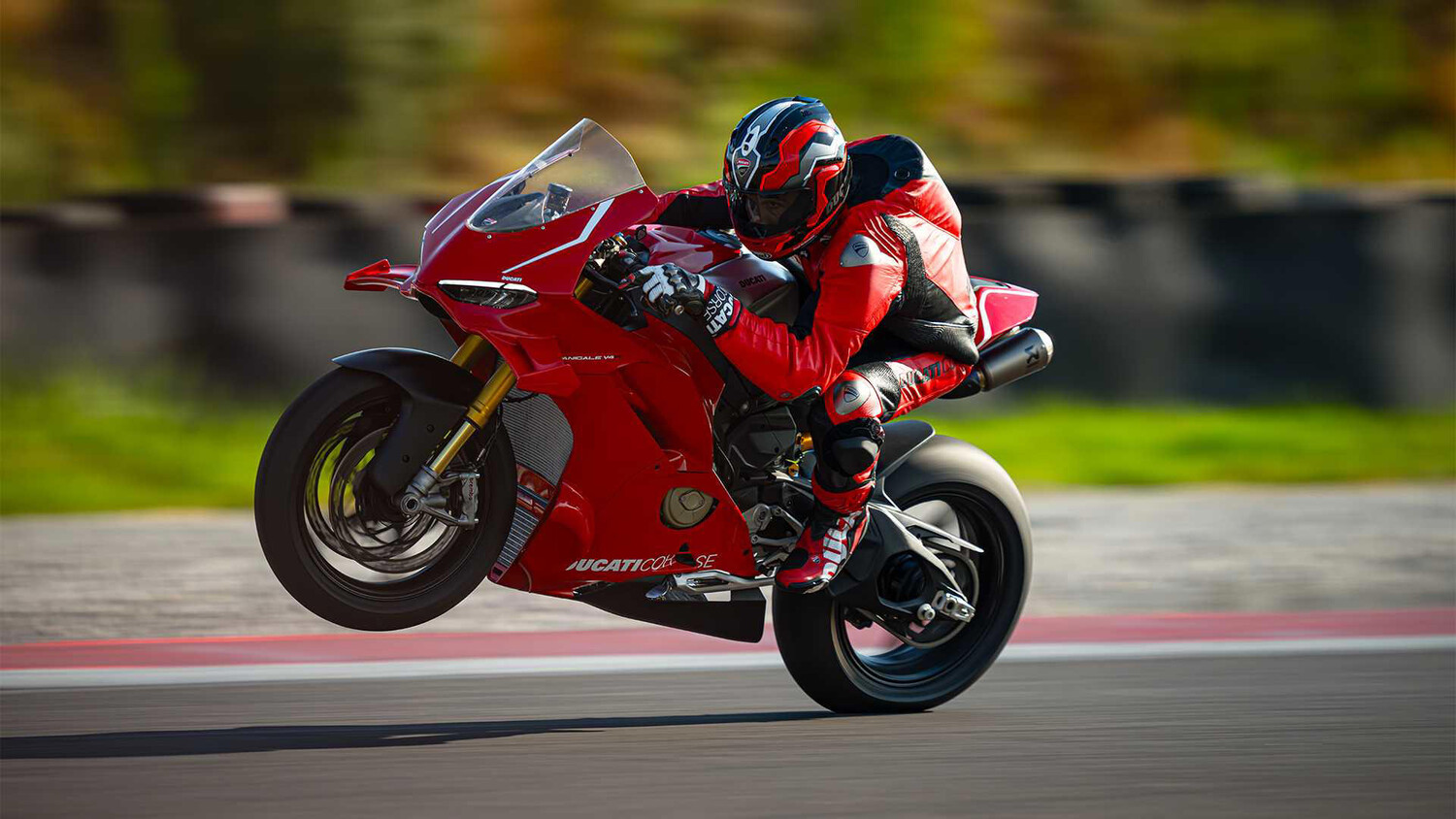
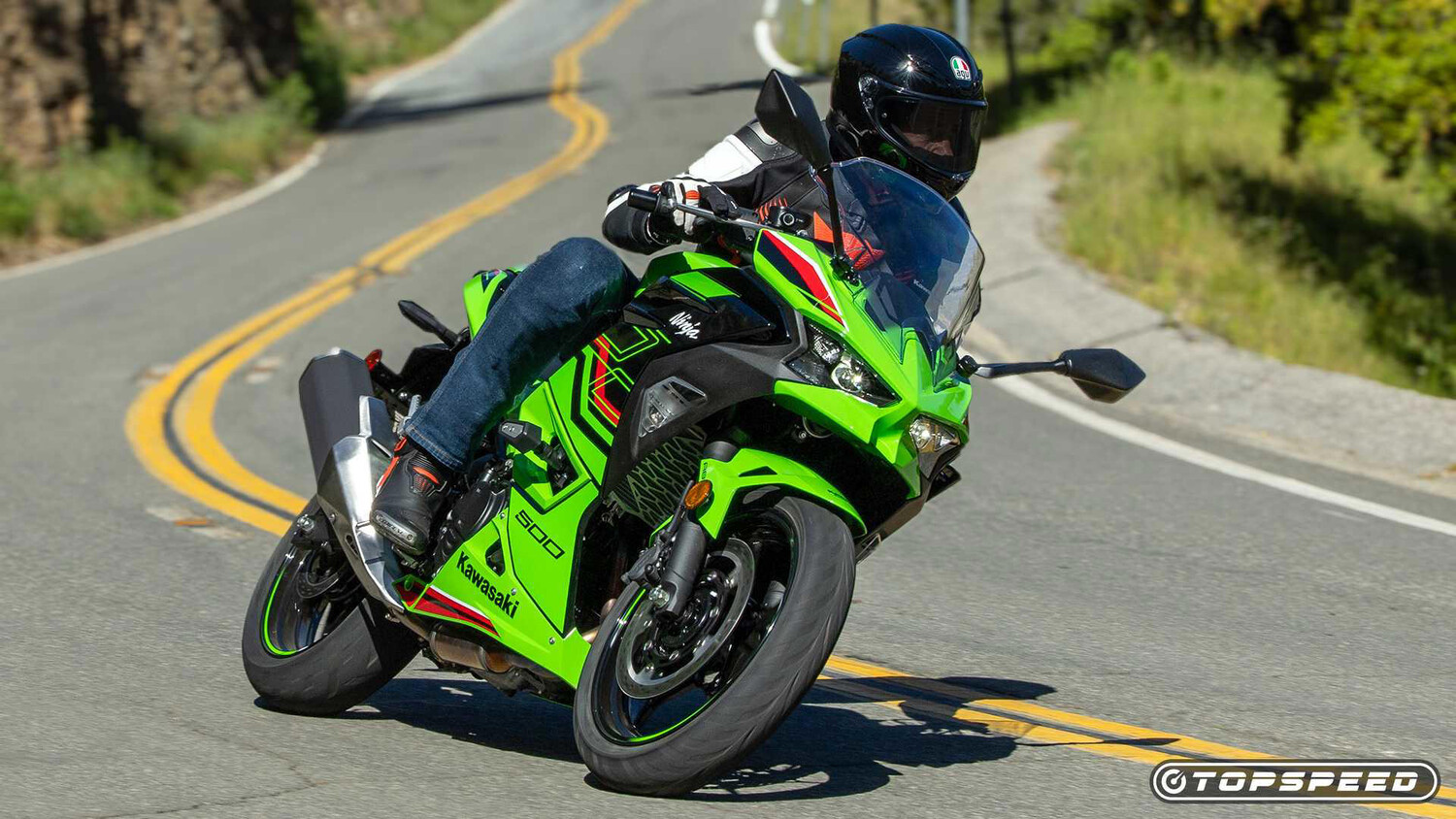
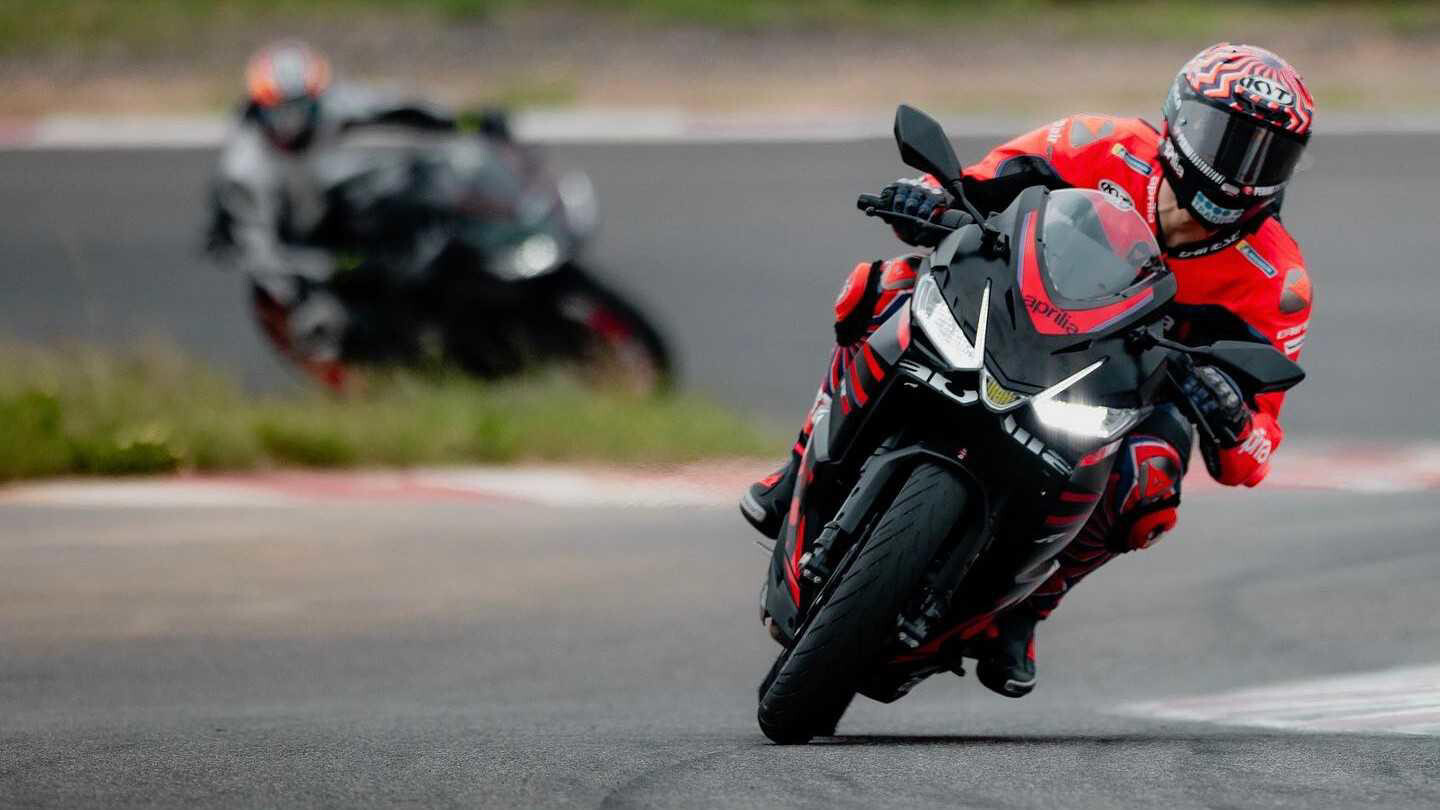
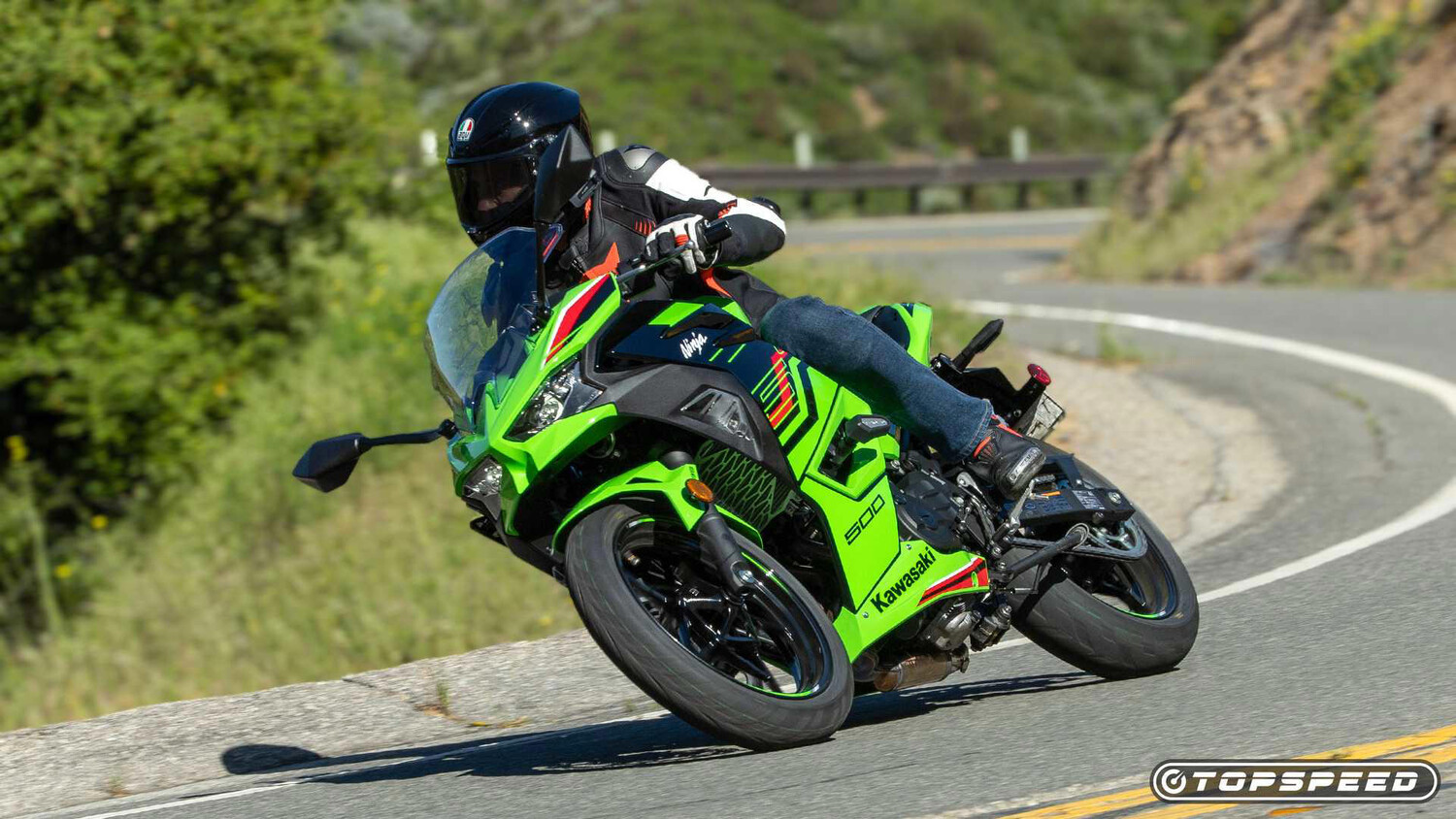
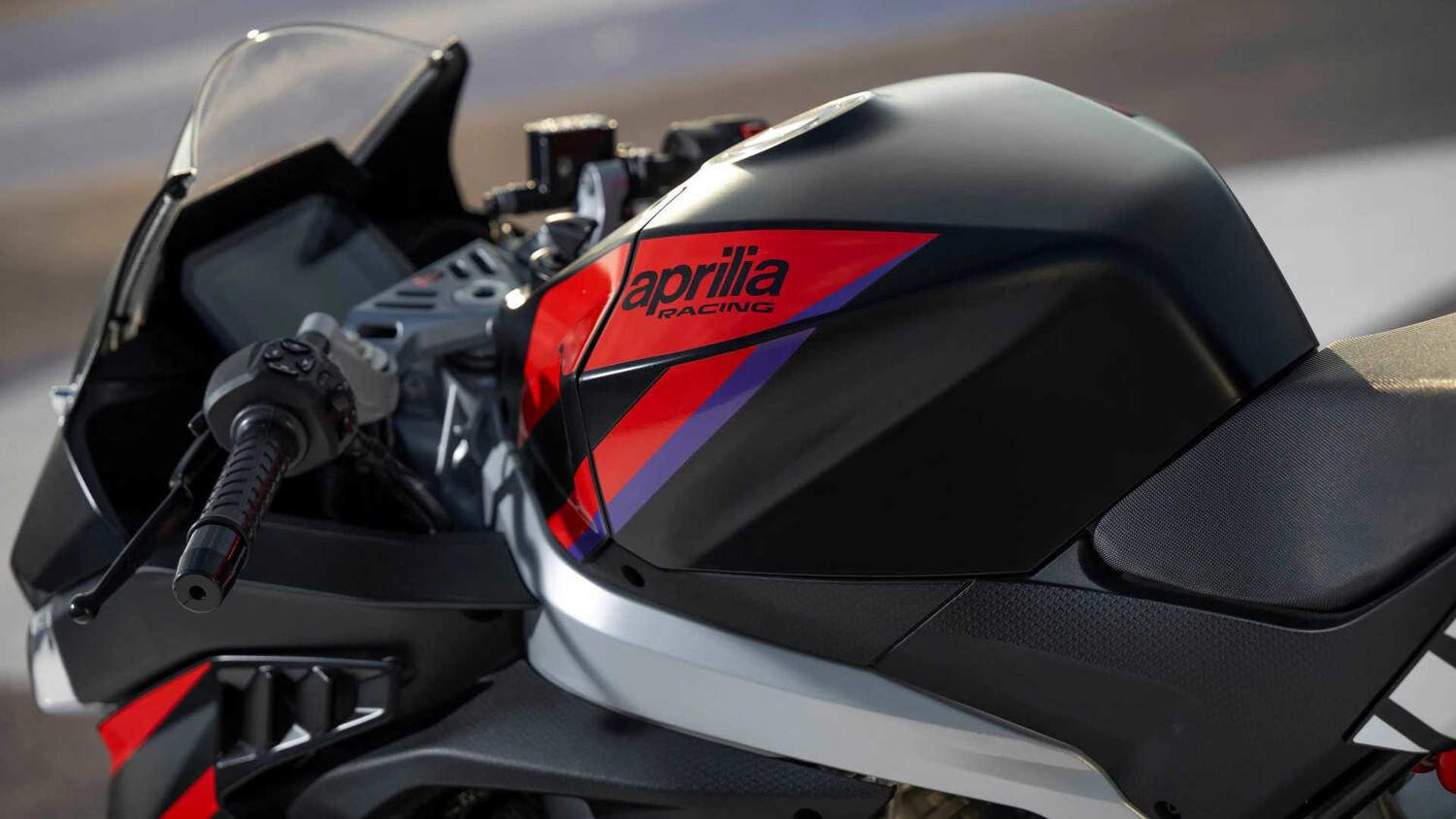
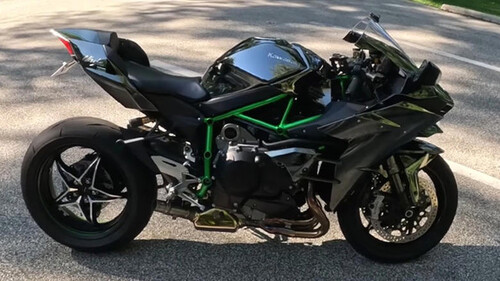
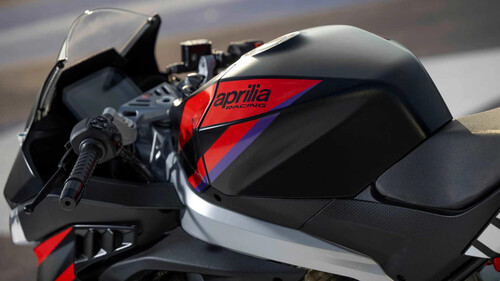
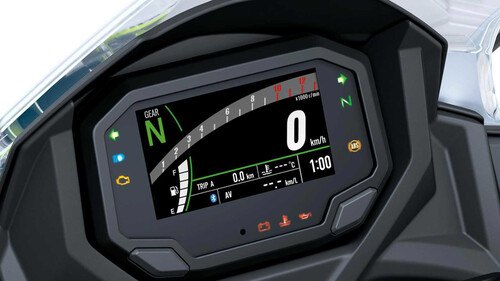
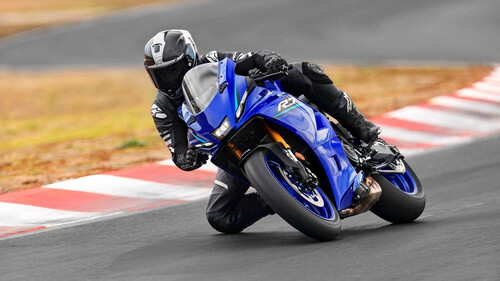
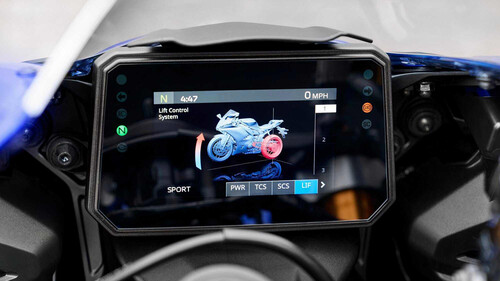
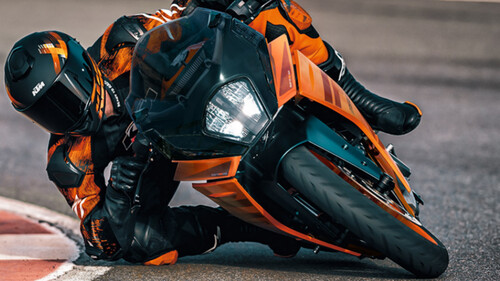
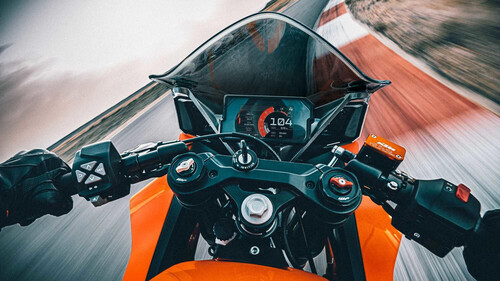
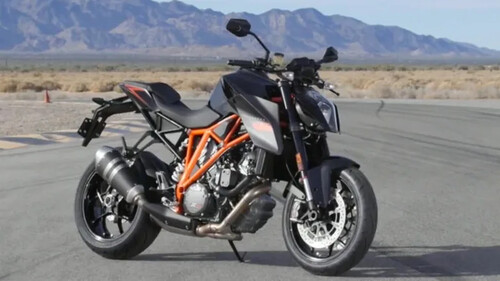
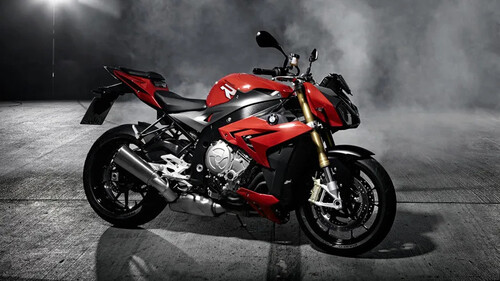
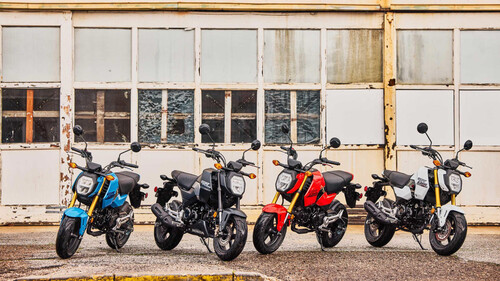
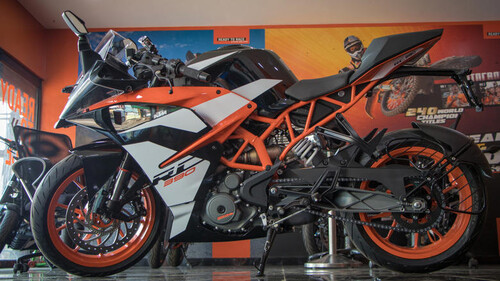
There’s a problem in the American sports bike culture that needs to be addressed. Many new motorcyclists are hesitant to spend their money on a beginner-class motorcycle; instead, they want to spring for a liter-class bike and figure their way out along the way. The justification? They’ll quickly outgrow the small sports bike and will want to upgrade anyway. Call it overconfidence, naivety, or lack of judgment, but starting sports riding on a liter bike is never a good idea.Once you hit the racetrack on such a bike, you’ll quickly realize it’s much harder to master than it looks. Now that you’ve had your humble pie, I’m here to tell you that it doesn’t have to be this difficult. Instead, the smarter thing to do is to take track riding slowly. You need to start small and get something that teaches you the basics of riding a big bike fast, without intimidating you like a liter bike would. Luckily, there’s one bike that promises to do exactly that. Here’s the slow sports bike that can teach you to ride like a pro. UPDATE: 2026/03/20 We have updated this article with more context on why slow bikes make more sense when you want to learn to ride like a pro, as well as why the chosen bike makes more sense compared to its rivals. Why Starting Slow Matters To Master Track-Riding HondaIn the U.S., the moment you get a license, nothing is stopping you from buying a liter-class superbike, heading to your nearest track, and wringing its throttle to your heart’s content. But if you’re new to the sport, it’s easy to predict what will happen. You’ll either be at the back of the pack, being lapped by more experienced riders, while you struggle to control the bike’s power or figure out how to lean a bike into a corner that’s constantly trying to get out from under you. Or, if you have bigger guts than brains, you’ll end up sliding across gravel at the first fast corner. DucatiLike Uncle Ben said, “with great [horse]power comes great responsibility.” That stands true with powerful sports bikes; they require much higher skill levels and, more importantly, they aren’t forgiving. Make one mistake, and they won’t hesitate to humble you. In fact, modern superbikes have gotten so good at what they do, whether it’s going fast, turning, or stopping, that they are simply risky to ride for beginners. You can thank electronic nannies for keeping things in check for newbies here. Starting On Sub-500cc Sports Bikes Makes More Sense Kevin WingThat’s why it’s wiser to start on something that is forgiving. What does that mean? When you’re trying to master sports riding, you’re going to make many mistakes. We’ve all been there: entering the corners too hot, not accelerating hard enough during exits, or simply misjudging the powerband. A forgiving sports bike will let you make those mistakes without testing your expensive riding gear. And typically, this forgiving nature comes with smaller sports bikes. KTM RC 390 sport bike. Photo: KTMThat doesn’t mean you have to master pro riding on a small beginner bike. The sub-500cc sports bike segment in the US is brewing these days, and you have many options to choose from. These sports bikes strike the balance between being forgiving enough to mistakes while being capable enough to push your skill levels and teach you things. One great example of this has always been the KTM RC 390, but a new contender has entered the match and happens to do it all better than the orange little sports bike: the Aprilia RS 457. This Aprilia sports bike walks the thin rope of being very capable and yet forgiving. The Aprilia RS 457 Is The "Slow" Sports Bike That Teaches You To Ride Like A Pro Aprilia Obviously, we had to look at the entry-level segment in the US to justify the ‘slow’ in the title. At the same time, we had to take into account the overall riding dynamics and experience since this would be your stepping stone to being a pro. Taking these into account, we think the Aprilia RS 457 is the perfect pick here. The driving force here is its class-leading aluminum perimeter chassis.Aprilia This is something full-sized liter bikes possess (even most modern-day mid-weight bikes use steel frames), which helps you get accustomed to the overall feel and feedback a big bike would provide you. So you’ll understand how the bike feels under trail braking, how the rear moves around if you’re not easy on the gas, and the bike’s reaction to various inputs/weight changes. Likewise, the suspension adjustability adds to this experience.Aprilia Other than that, you also get an understanding of the electronics you’d get on a big bike. For instance, you can work with ABS at first. If the ABS kicks in, you’re probably going too harsh on the front lever, and the initial application needs work. And when you’re smoother on the brakes, the 457 lets you decrease the intrusion and switch off the ABS at the rear. The traction control will help with the same for the rear wheel (how smoothly you should feed the gas). The Aprilia RS 457 Sells For $6,799 ApriliaLet’s talk about the pricing first. The Aprilia RS 457 starts at $6,799 in the US, while the MotoGP-inspired Racing Stripes livery costs $100 more. At that price, it sits at $400 more than the 2026 Honda CBR500R and Kawasaki Ninja 500 SE ABS. Meanwhile, the 2024 KTM RC 390 sits at $5,899. We think the money is well justified for what this motorcycle offers, especially the aluminum chassis, but the extra features further improve its value proposition here. Stacking Up Against The Rivals In The U.S. Kevin Wing / TopSpeedOther than the 457, the Kawasaki Ninja 500 deserves a shout, too. Unlike the 457, this Ninja is all about getting the bare basics right. That’s because the Ninja has a much simpler package (telescopic forks, trellis frame, and an even-firing parallel-twin engine). So it will happily serve as your partner in learning the basics of riding like a pro, but we believe you will hit a plateau here sooner than the RS 457. The same is the case with the Honda CBR500R, which simply lacks the finesse that would push your limits and help you become a better rider. KTMThe KTM RC 390 still remains an excellent contender in the US for getting your basics right. It features a high-revving single-cylinder engine that’s known for its punchy top-end, and it’s underpinned by a sharp trellis frame hung on WP Apex suspension. The RC 390 is still a sharp mini-supersport, but the thumper engine translates to a gruff character, and it simply feels a bit old and due for an update today, especially considering the rest of the 390 lineup already sits on an updated platform. That’s the reason why we’ve picked the RS 457 over any other small-displacement sports bikes that are available in the US. The RS 457 Has Razor-Sharp Riding Dynamics Aprilia Coming to the bike itself, the RS 457 has a lot going for it. But having ridden it on track extensively, the handling is one of the ultimate selling points. The feedback is brilliant, and you know exactly what the wheels are doing under you. At the same time, the 41 mm USD forks and monoshock come with adjustability in case you want to better the riding dynamics. The only slight hiccup is the brakes, which can fade if the ambient temperature is hot, and you’re braking hard lap after lap. Aprilia’s official race pads (sold as an accessory) solve that issue. The Aluminum Frame Helps Keep The Weight Low Aprilia From afar, the RS 457 looks like a big motorcycle and feels that way from the cockpit, too. But the aluminum frame ensures the weight remains low at just 385 pounds wet. That is almost 40 pounds less than the Honda CBR500R and just a few more than the Kawasaki Ninja 500 SE ABS. What remains unclear are the exact dimensions of the wheelbase and ground clearance. There’s No Lack Of Punch On The Aprilia RS 457 Aprilia While this is an entry-level bike, the RS 457 has enough punch to keep all of us entertained. The 457cc, parallel-twin engine boasts a 270-degree crank to ensure the 47 horsepower and 32 pound-feet are spread all over the revs. That means a lot of tractability for the street. But it also enables you to carry a gear higher in tight corners without losing out on drive.In comparison, a Ninja 500–with its normal firing order–would need to be revved hard for the same drive. The spec sheet paints the same picture: the 457’s torque peaks almost 1,000 RPM earlier than the Ninja 500. There’s no lack of top-end oomph, though, as the RS can take you to 124 miles per hour. Class-Leading Electronics Keep You Safe Aprilia All that torque can launch you to the moon if there’s a lack of grip. So Aprilia has thrown in some nice electronic aids here. There are ride modes, engine maps, an anti-rollover system, traction control, and dual-channel ABS modes with two intervention modes. You can access these via a backlit switchgear and crisp five-inch TFT instrument cluster. You should know that no other bike in the segment has such electronic aids!Source: Aprilia