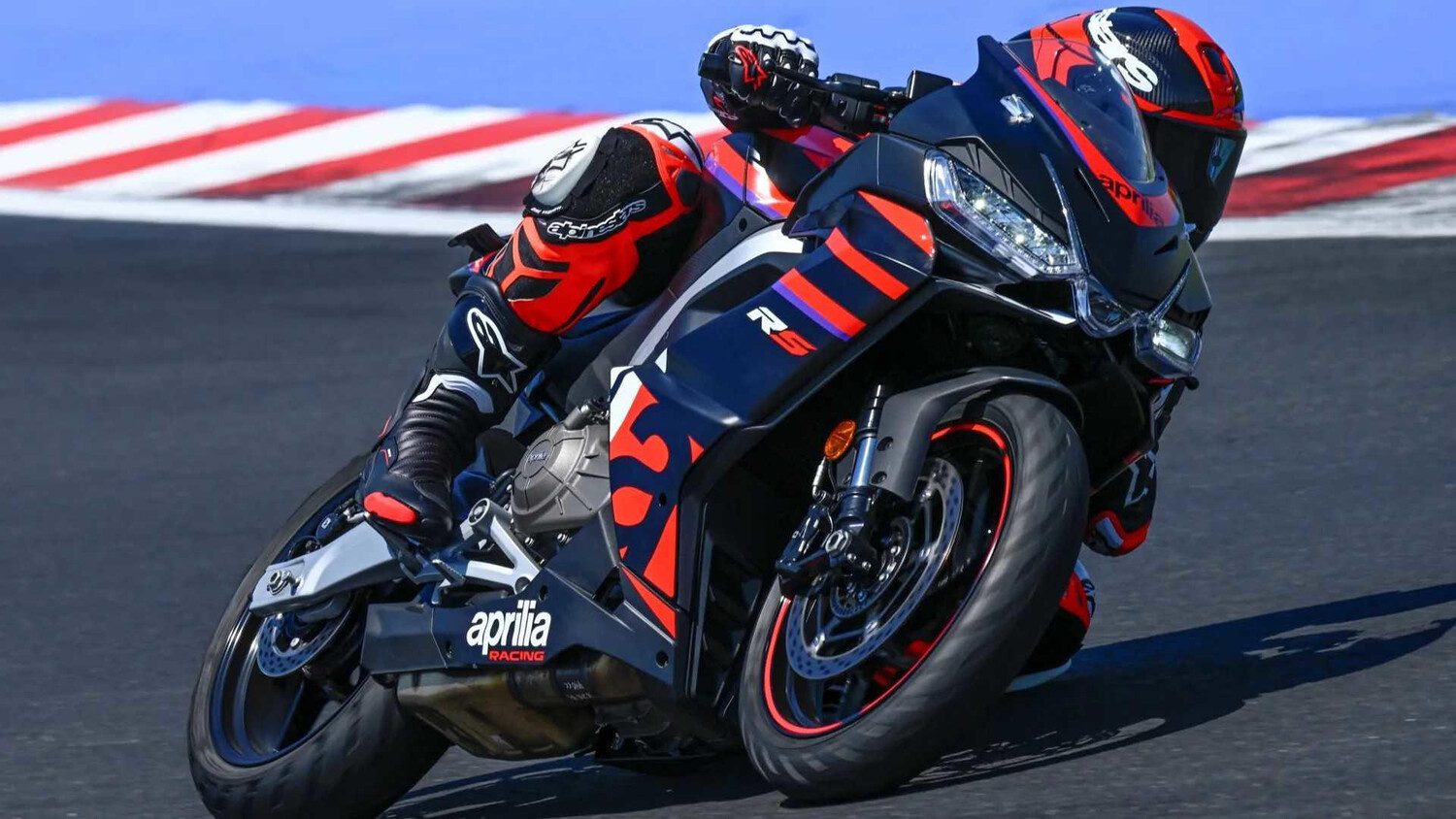
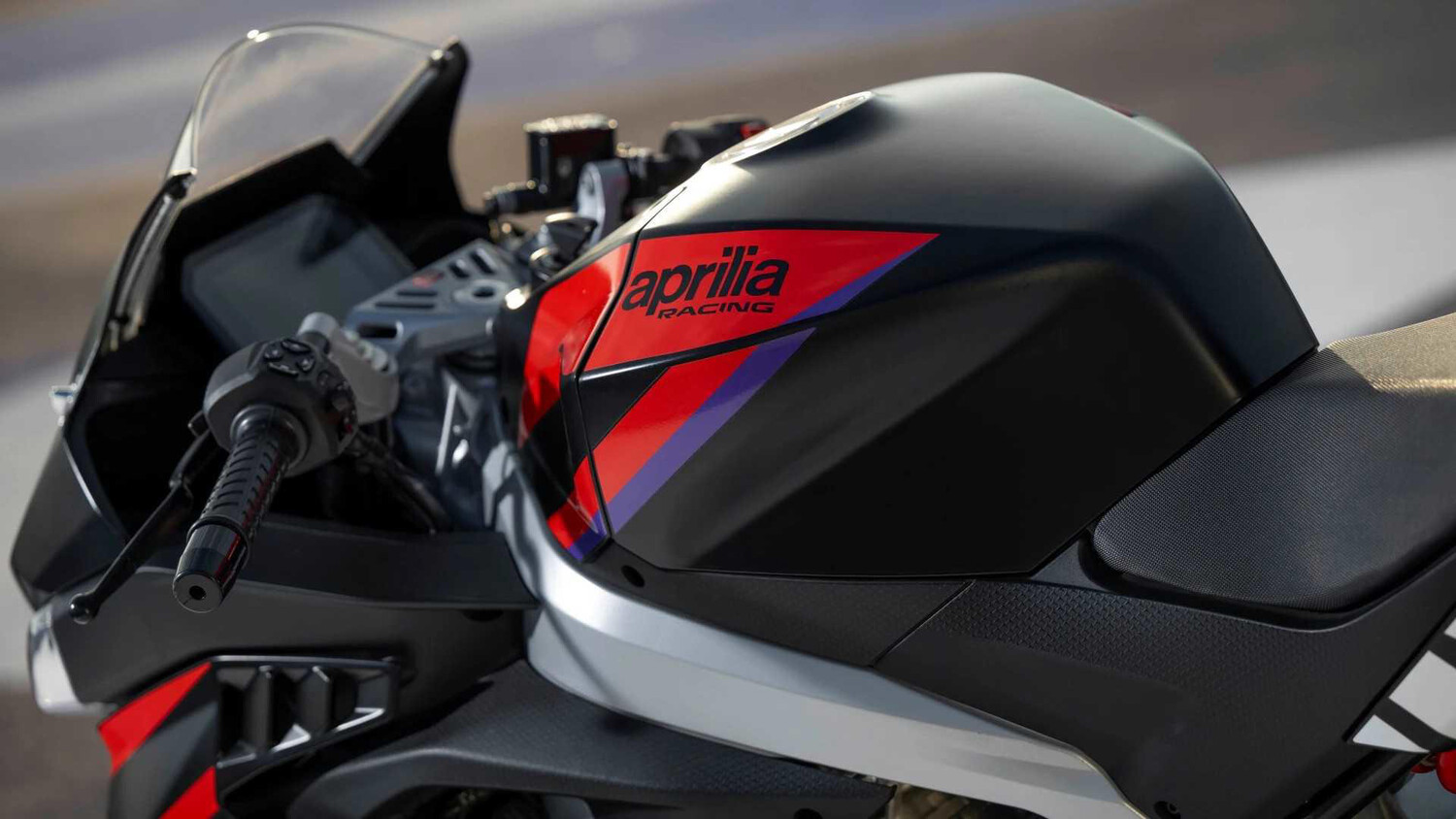
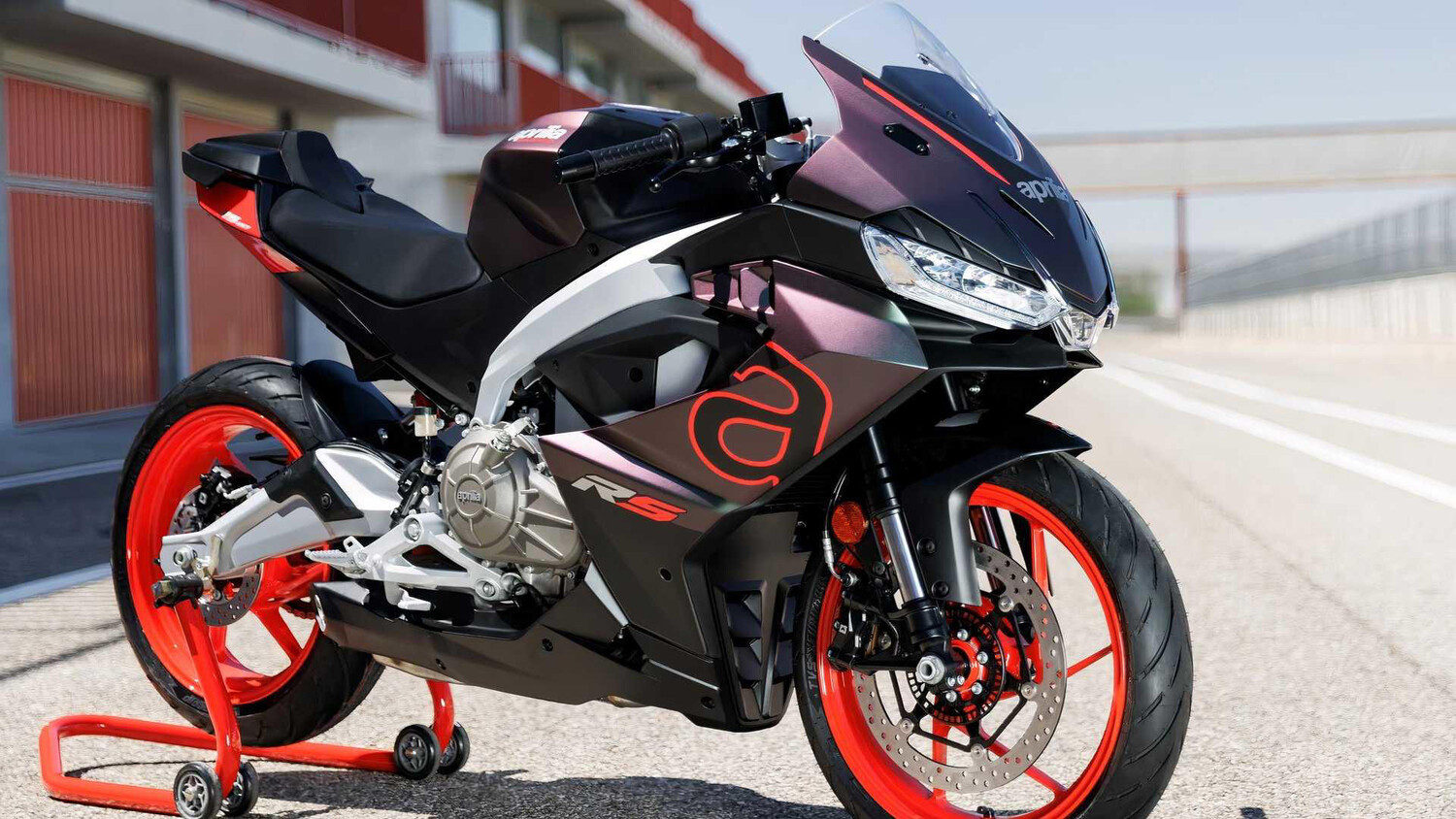
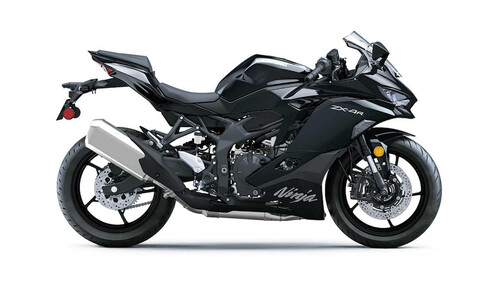
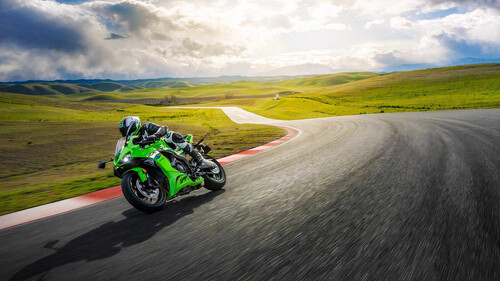
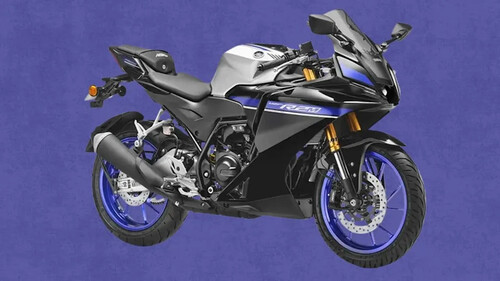
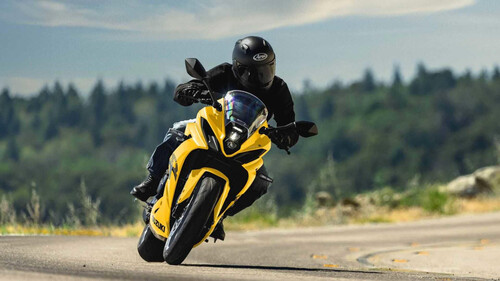
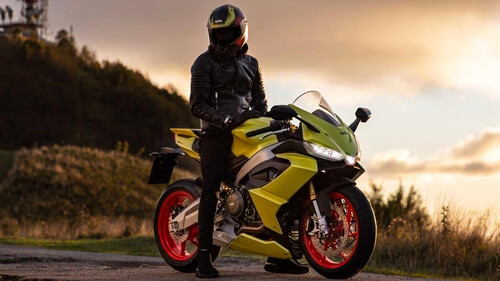
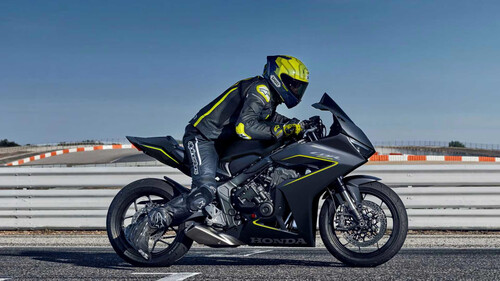
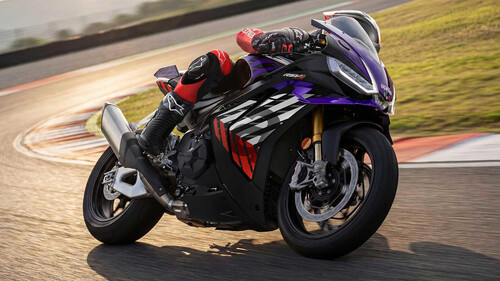
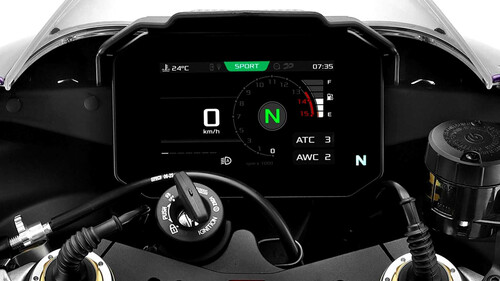
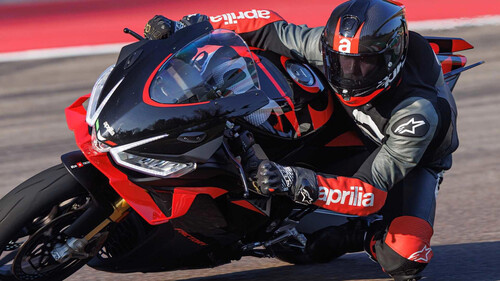
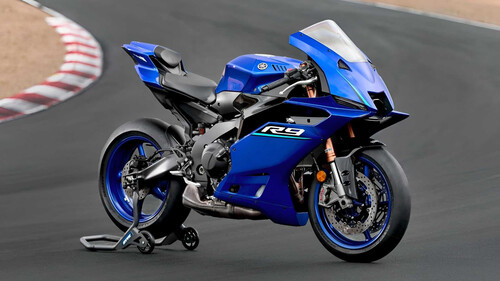
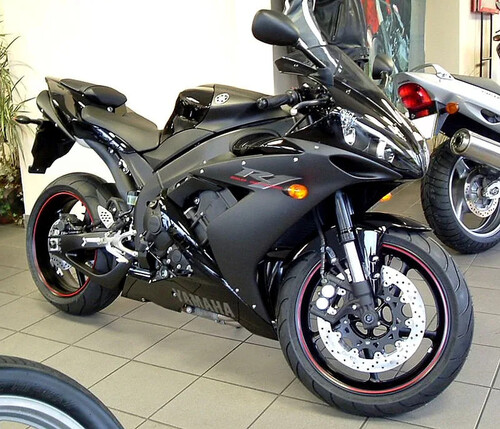
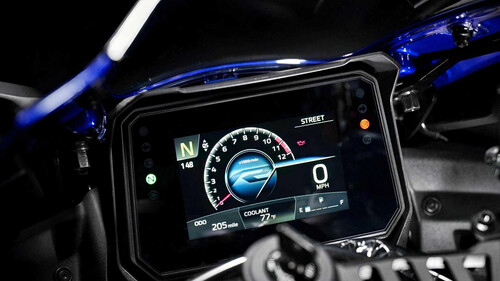
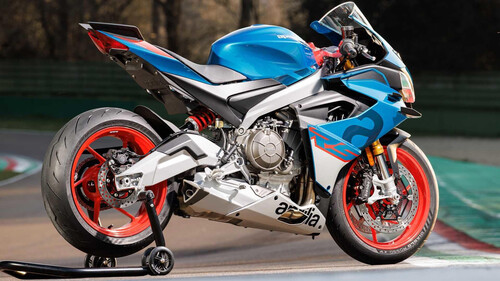
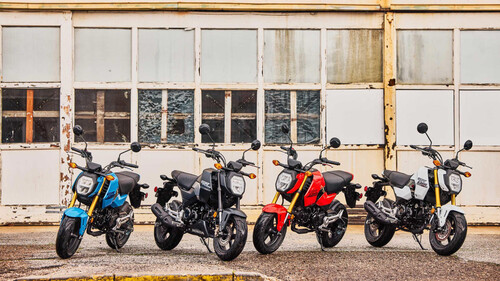
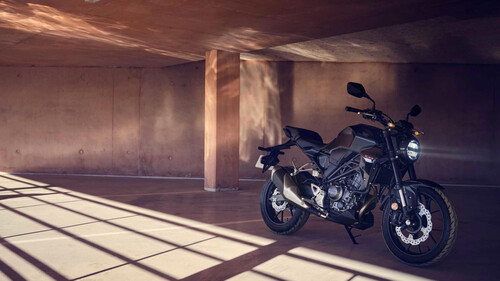
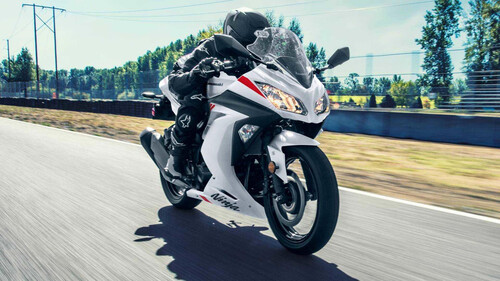
The entry-level sports bike class is no longer just a simple rung on the ladder before “the real stuff.” Today, riders can choose from approachable 300cc and 400cc machines, sharper 450cc options that borrow tech from bigger bikes, and full-on middleweights that push well past the beginner brief. Sure, the superbike fantasy still lives on in models like the Yamaha R1, but for most riders, the first serious sports bike purchase is about something else entirely: a machine that feels exciting without feeling like work. That is exactly the type of bike we're talking about here. Lightweight Sports Bikes Are Popular For A Reason Yamaha MotorsportsThe U.S. entry-to-mid-level motorcycle market has evolved in a way that strongly favors lighter, smarter machines. What was once a stepping stone category — dominated by barebones 250cc and 300cc machines — has matured into one of the most strategically important spaces for manufacturers. Today’s buyers are not just beginners; they include returning riders, downsizers from bigger bikes, and even experienced enthusiasts looking for something lighter and more engaging for real-world riding.KawasakiRiders want big-bike feel, but not the intimidating weight, seat height, or price tag that often comes with larger-displacement sports bikes. That is the sweet spot where bikes offer enough performance to feel genuinely quick, enough electronics to feel modern, and enough usability to keep the learning curve friendly. The Aprilia RS 457 Feels Light, Fast, And Confidence-Inspiring Base Price: $6,899 ApriliaThe Aprilia RS 457 is officially positioned as a lightweight, easy-to-handle sports bike packed with technology, and that is exactly the pitch this segment responds to. It bridges the beginner-friendly 300cc class and the more serious middleweights, but it does so with the sort of chassis hardware and electronic sophistication that usually makes a bike feel more expensive than its displacement suggests.ApriliaIn the U.S., the RS 457 starts at $6,899, with the RS 457 GP Replica listed at $7,499 on Aprilia’s American site. That places it above the Kaasaki Ninja 500, Yamaha R3, and CFMoto 450SS on sticker price. The comparison is not as simple as “more money equals less value", though. The 457 has more features and more premium equipment than all of its rivals, in an attempt to be the one that feels most complete. An Aluminum Perimeter Frame Serves As The Centerpiece ApriliaThe RS 457 uses a dual-beam aluminum frame, and that alone gives it a different technical personality from many rivals in this class. The company also uses the engine as a load-bearing part of the chassis, which helps reduce weight and boost rigidity. The result, on paper, is a 385-pound wet weight and a 31.5-inch seat height. So low-speed U-turns, parking-lot shuffles, and stop-and-go traffic all become less stressful when the bike is light and compact. Then, once the pace picks up, the same compactness helps it flick quickly from side to side. Suspension And Braking Performance ApriliaThe RS 457’s chassis story is strengthened by its suspension and brakes. Up front, it uses 41mm upside-down forks with adjustable preload and 120mm of travel, while the rear gets a mono-shock with adjustable preload and 130 mm of travel. Braking duties are handled by a 320mm floating front disc with a ByBre four-piston radial caliper, plus a 220mm rear disc with a ByBre single-piston caliper. That is serious hardware for a bike in this segment, and it fits the RS 457’s character nicely: sharp enough to feel sporty, but not so aggressive that it becomes fussy in everyday riding. A Powerplant That Punches Above Its Weight ApriliaThe RS is powered by a new 457cc liquid-cooled parallel twin, partnered by Ride-By-Wire, four valves per cylinder, a six-speed gearbox, and a slipper clutch. Aprilia’s technical sheet quotes 47 hp and 32 lb-ft of torque, while broader model literature also highlights the engine’s energetic character. That matters because the RS 457 is not trying to overwhelm a rider with brute force. Instead, it delivers a broad, useful spread that works in the real world. Compared with the Kawasaki Ninja 500’s 51 hp, the Aprilia’s personality is less about raw peak numbers and more about how intensely it delivers them. Optimized Power-to-Weight Ratio ApriliaThis is where the RS 457’s reputation for feeling quicker than the numbers suggest starts to make sense. A 47 hp engine might not sound dramatic on its own, but when you combine it with 385 pounds of wet weight and a chassis that encourages quick transitions, the whole bike feels alert. Aprilia’s own brochure leans into this idea by describing the RS 457 as light, easy to handle, and built with a class-leading power-to-weight attitude. The six-speed gearbox helps, and the optional bi-directional quickshifter adds another layer of polish for riders. Advanced Technology And Rider Aids ApriliaThe RS 457’s electronics are one of the strongest arguments for choosing it over a simpler rival. Aprilia lists Ride-By-Wire, three riding modes, traction control with multiple levels, and dual-channel ABS with anti-rollover logic as standard. That is important for newer riders, because a friendly sports bike should not just be easy to ride; it should also help the rider feel a little braver, a little sooner, without turning every mistake into drama. The RS 457’s electronics package does exactly that. The Modern Cockpit Experience ApriliaThe cockpit continues that same theme. Aprilia equips the RS 457 with a 5-inch color TFT display and backlit handlebar controls, both of which make the bike feel properly modern rather than merely “new.” It also adds smartphone connectivity through the MIA accessory system in some markets. Having experienced it, the whole interface feels designed by people who actually expect the bike to be used, not just photographed. Visual DNA And Aerodynamics ApriliaVisually, the RS 457 does a nice job of looking like a proper Aprilia without overdoing the nostalgia. The family resemblance to the RS 660 is obvious in the bodywork, and Aprilia’s own materials describe the styling as part of the broader RS lineage. The front end uses a full LED headlamp assembly with integrated indicators, and the bike’s double fairing and underbelly exhaust design reinforce the compact supersport look. Aprilia also offers racing-inspired colorways, including Racing Stripes and GP Replica trims in the U.S. market. Edgy Riding Dynamics Don’t Come At The Cost Of Comfort This is where the RS 457 earns a lot of its appeal. Aprilia calls the clip-ons above the steering plate a compromise between sportiness and everyday ergonomics, and the 31.5-inch seat height makes the bike friendlier for a wide range of riders. The riding position is committed, yes, but not punishing in the way older sports bikes often are. The final impression is that the Aprilia RS 457 is not simply a small sports bike with a fancy badge. It is a carefully judged machine that understands what modern riders actually want from this class: light weight, real speed, usable technology, and enough attitude to make every ride feel special.Source: Aprilia