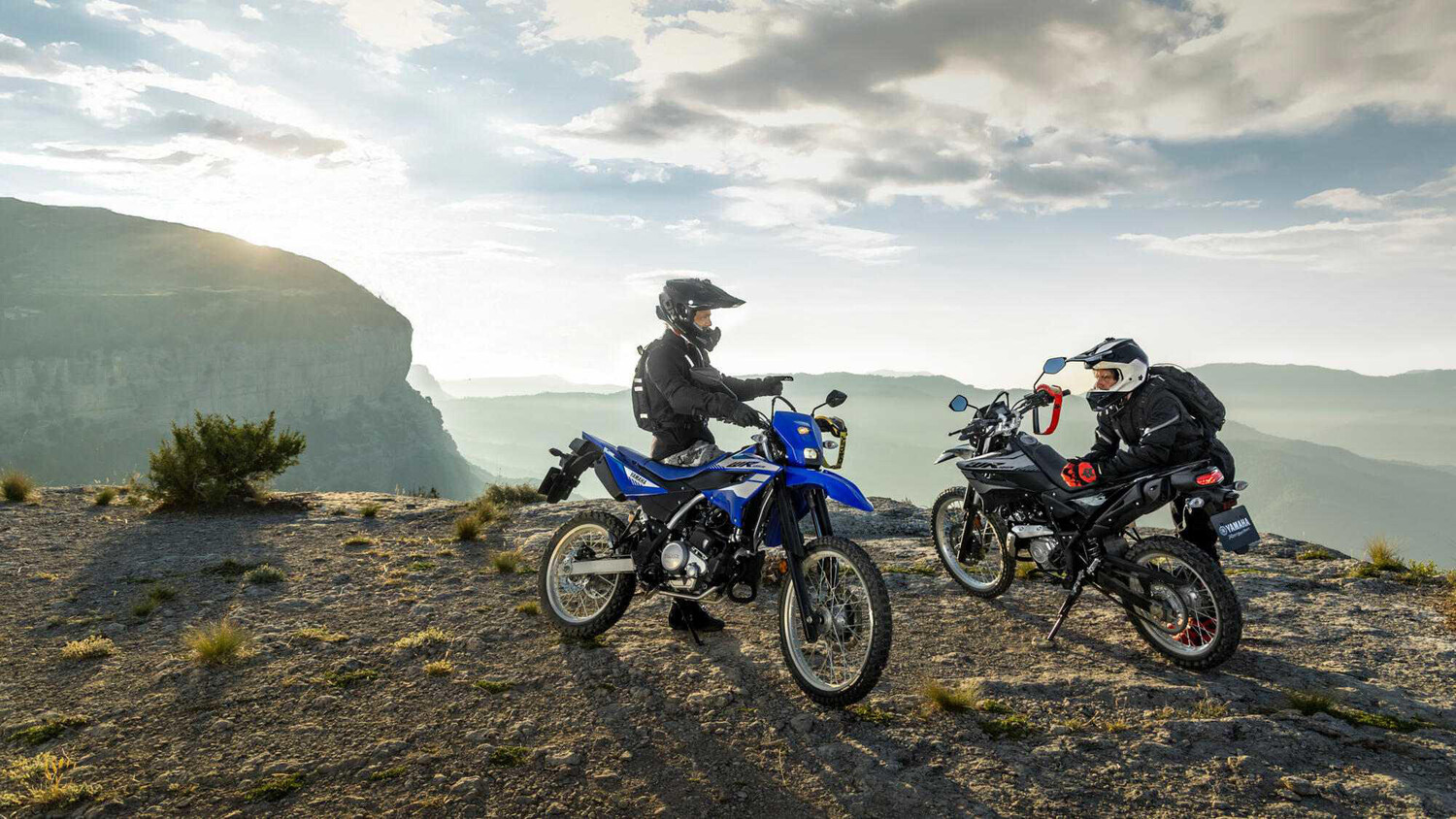
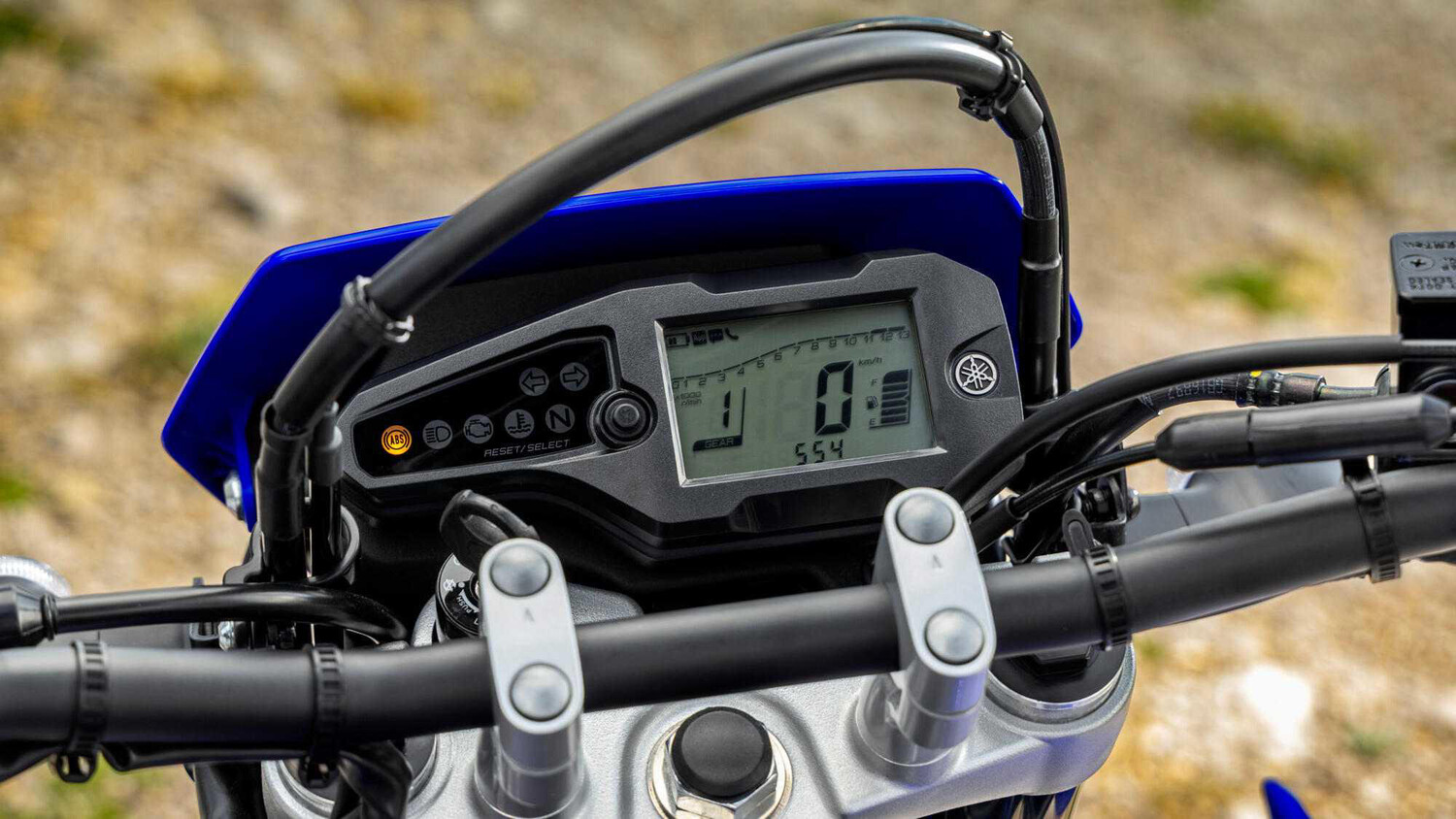
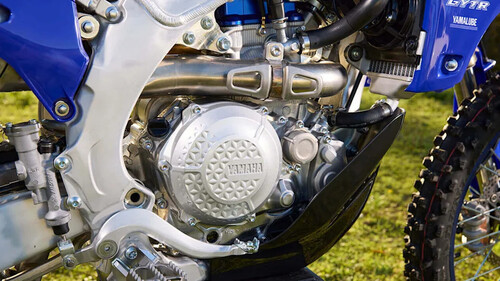
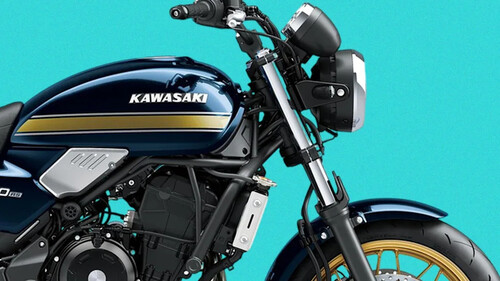
One of the sad realities of our time is that fewer and fewer young people are buying motorcycles. As a direct result, the motorcycle market as a whole remains in something of a slump, aside from one segment that continues to defy the odds. Adventure bikes and all things dual-purpose continue to capture the imagination of budding explorers all over the world, and it makes sense that manufacturers offer more beginner-friendly options in this space.Although they may not have the same allure as modern ADVs, small dual-sports are the ideal starting point for anyone looking to eventually buy an adventure bike. While there are some that support the idea of simply learning to ride the bike you want, riding a big ADV requires a certain skill set that can only be acquired through experience. Starting on a smaller bike that is easy to pick up, and cheap to fix, just makes sense. The Return Of The Dual-Sport KawasakiFor a time, it seemed as though the dual-sport segment was on life support. Dominated by aging Japanese bikes leftover from the 80s and high-end competition spec enduros from Europe, with nothing in between. With the rise in popularity of ADVs, manufacturers have been forced to offer more options in this space, catering to both new and returning riders.HondaHonda was the first to see an opportunity. The XR150L worked great throughout the developing world, but more than a few eyebrows were raised when it was introduced in the US. So far, it has proven to be a huge success and only served to underscore the appetite for more approachable dual-sport bikes. It is an ideal starting point for anyone, let alone adventure enthusiasts.Kawasaki Kawasaki always had a couple of handy dual-sport bikes, but a few nice additions and some shrewd marketing converted the KLX230 S into the Sherpa S. A more adventure-ready option that certainly looks more rugged than any of the similarly priced alternatives. While there are several other bikes to choose from in this space, it is the latest bike from Yamaha that really makes more sense for new riders. The Yamaha WR125R Is The Perfect Beginner Bike MSRP: $3,999 Yamaha Motorsports The last time Yamaha launched an all-new dual-sport was way back in 2008. That bike was the WR250R, and the fact that it has been out of production since 2020 only serves to underscore just how underserved this end of the market really is. While several enthusiasts would have loved to see a return of that model, the WR125R actually makes more sense once you step back and look at Yamaha’s model lineup more objectively.The XT250 is technically still around, but it won’t be for much longer, and the TW200 is a different kind of bike that appeals to a more niche crowd. The WR is a modern motorcycle that has mass appeal, but more importantly, it will also appeal to younger buyers. It is also $1k cheaper than the venerable TW! Promises An Incredibly Efficient Single-Cylinder Engine Power: 15 Horsepower Yamaha Let’s face it, 15 horsepower isn’t much. But it is actually right in line with the direct competition. While both the aforementioned Honda and Kawasaki offer more displacement, the Honda only has 12 horsepower to its name, and the Kawasaki only has 17. At this end of the market, overall power is more or less a moot point. What is more important is how the bike makes use of what little power it has. Unlike the other two bikes, which use older powertrains, the WR’s engine is a thoroughly modern lump with Variable Valve Actuation (or VVA for short). Just like other modern engines with VVT systems, it has separate cam profiles for low and high revs. As a result, it has more torque available down low, yet is still tolerable at higher speeds. Approachable Fun For Everyone Yamaha The way the WR makes power means it is an ideal trail bike for new riders to hone their skills on dirt. It won’t be quite as gutless low down in the rev range as its rivals, and is light (just over 300 pounds) and nimble enough to handle tight trails with ease. It also makes for an ideal city bike during the week. With a claimed fuel economy of 105 MPG, there are very few bikes that will be more economical to use for the daily commute. Where it falls short is the highway. In some parts of the world, it isn’t even legal to take it on the highway, and even if it is legal where you are, it certainly isn’t advisable. The WR125R Offers A Back-To-Basics Riding Experience Yamaha With so many features getting packed into modern bikes, the budget-friendly WR offers a decidedly more back-to-basics kind of experience. While there are modern touches, like ABS and smartphone connectivity, there really isn’t much else in the way of features. In reality, that is all a new rider will ever need. Yamaha concedes that younger riders will want to connect their devices to the bike, but stops short of offering more features that would bloat the price. The suspension is also adequate without being particularly noteworthy, yet it offers enough ground clearance (just over 9 inches) to take on just about any trail, including some single track if the mood arises. The Ideal Bike For Budding Explorers With modern adventure bikes making in excess of 100 horsepower, it is easy to forget that small bikes like the WR125R can be way more fun to ride under the right conditions. Those ADVs certainly have their place, but that place is most certainly not in the hands of a new rider. This bike represents the ideal starting point for those who eventually want to upgrade to a Tenere or another ADV from another brand. It isn’t just a beginner bike, either. For more experienced riders, this is a great second bike. With it being so light on fuel, it can handle the weekday commute while you save your “fun” bike for the weekend. The fact that it can also handle the odd trail every now and then is just an added bonus. Just don’t expect it to be anything other than awful on the highway!