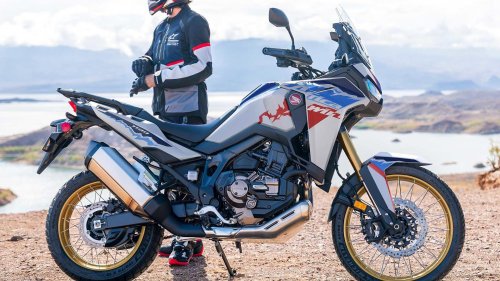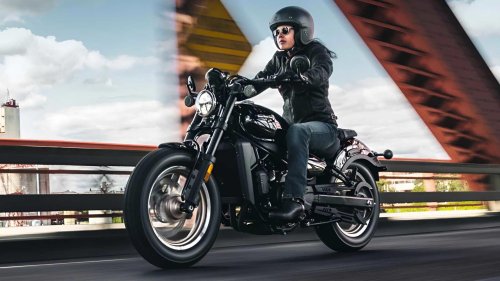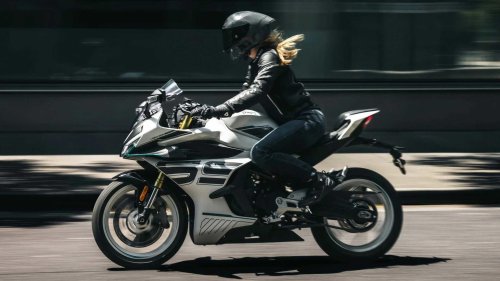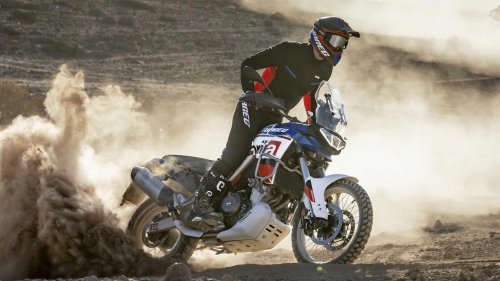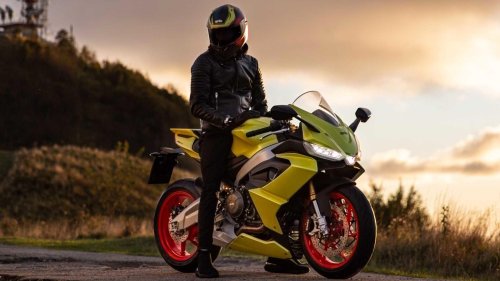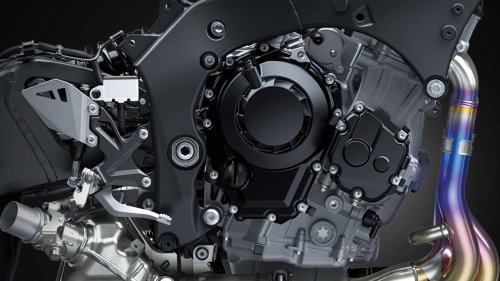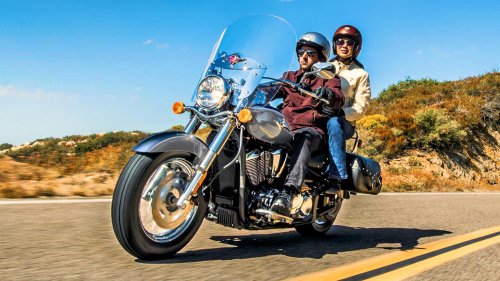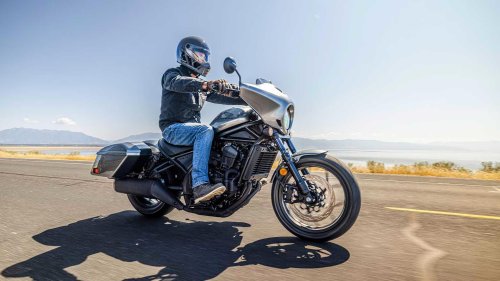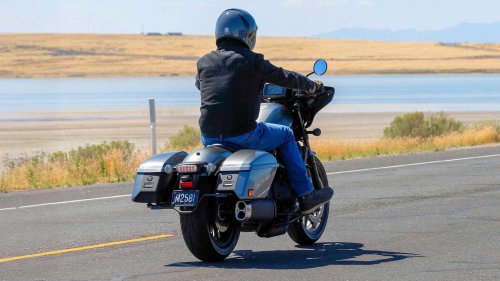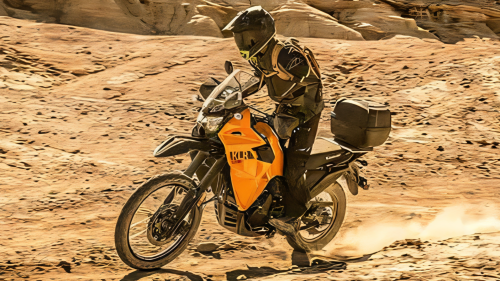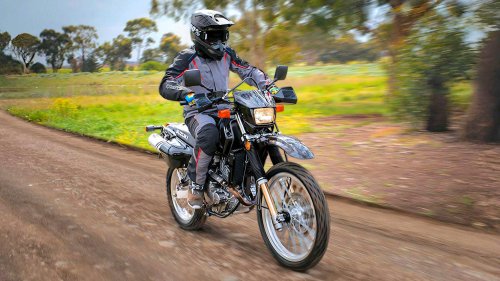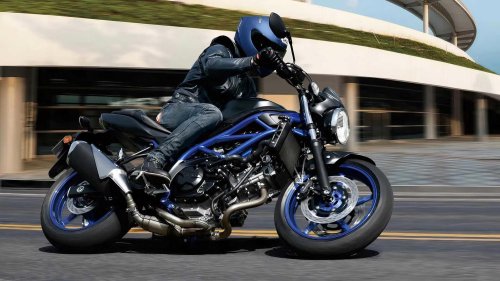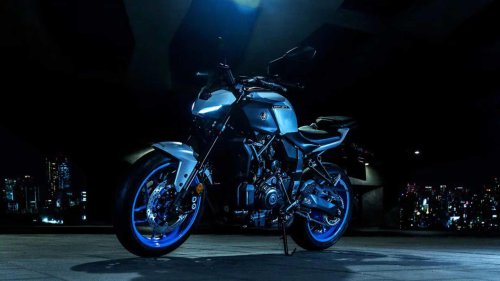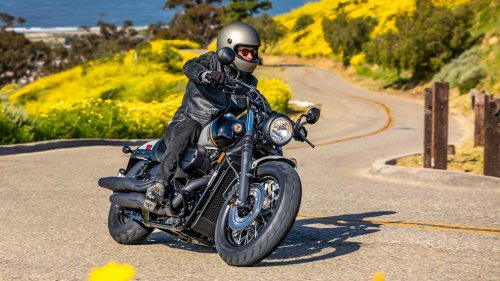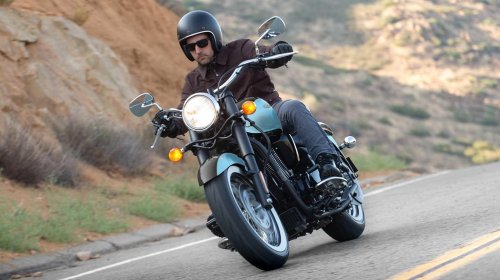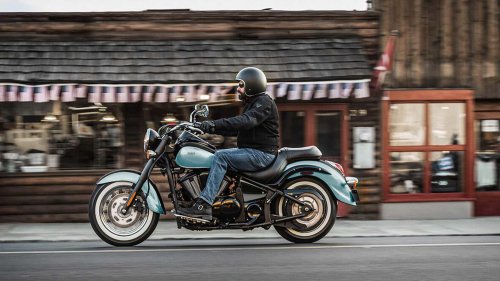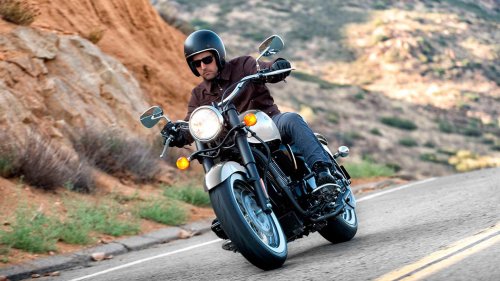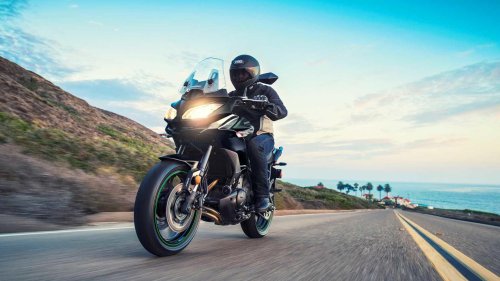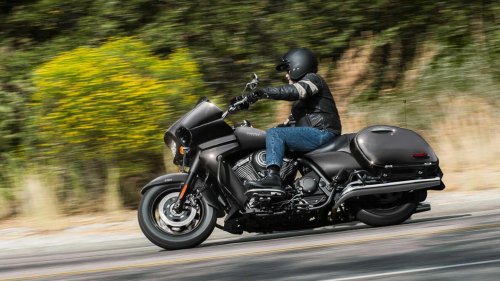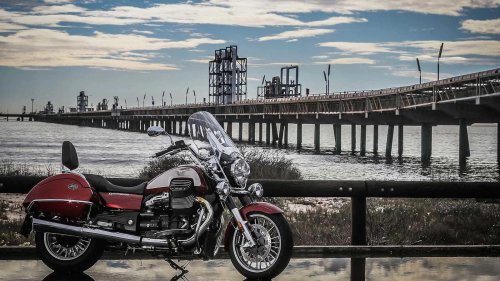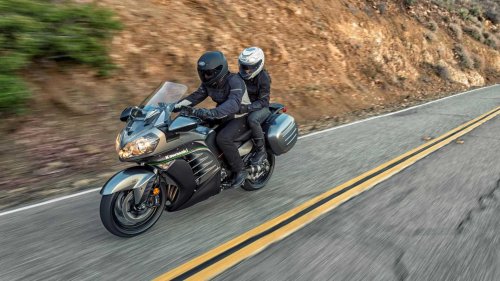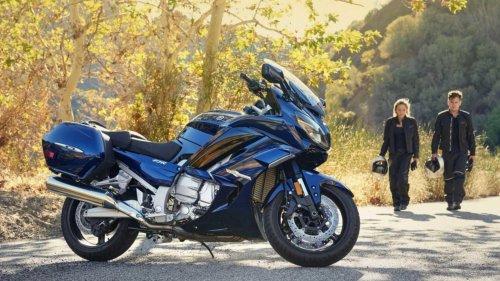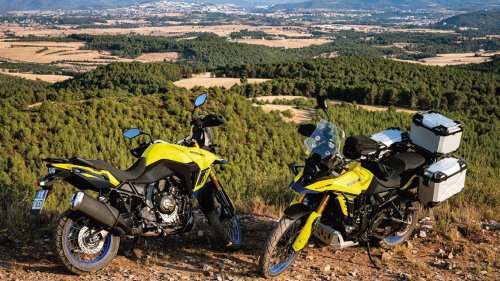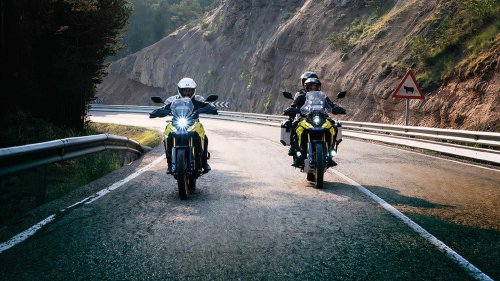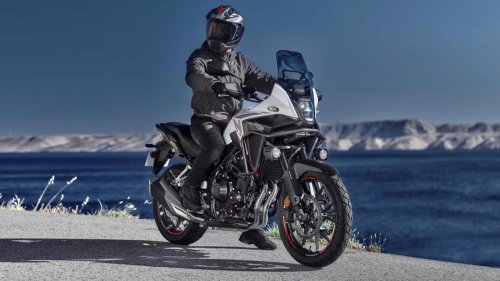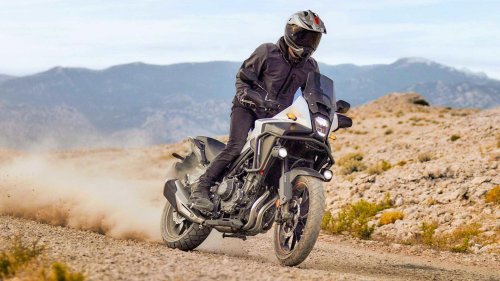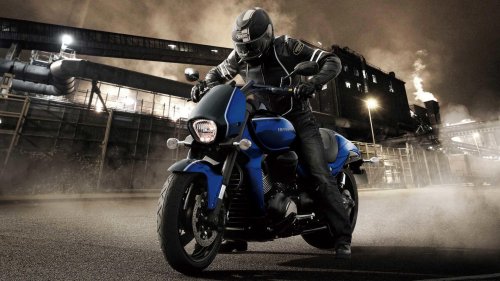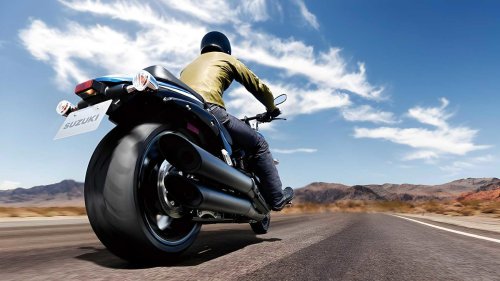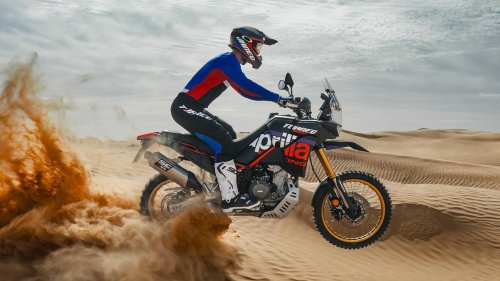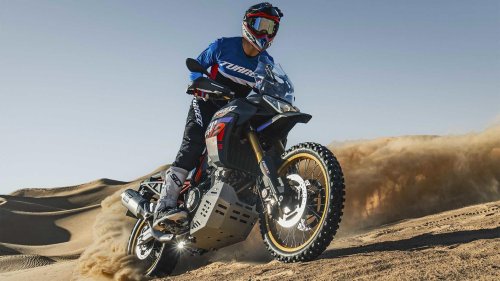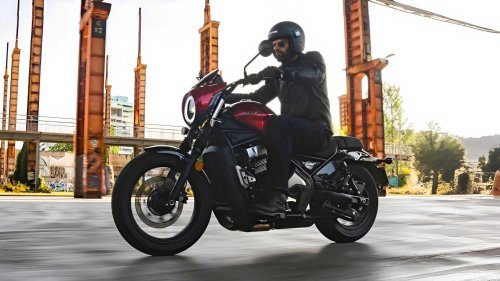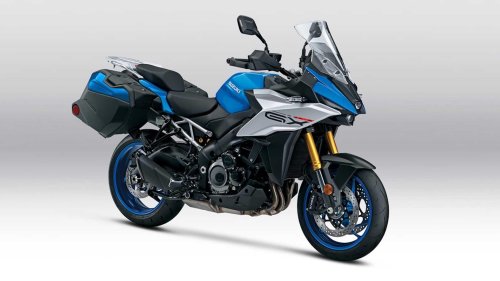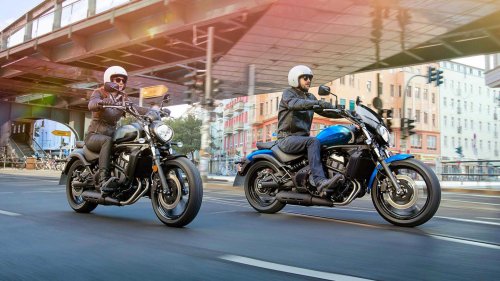
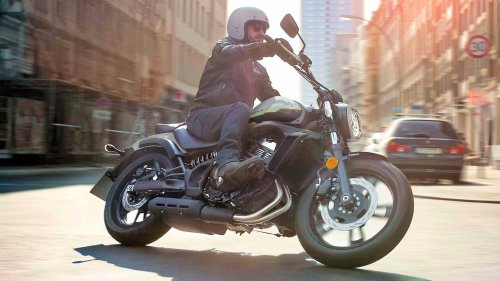
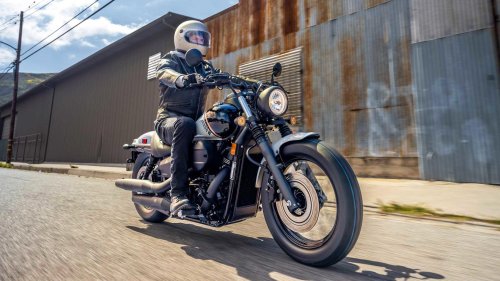
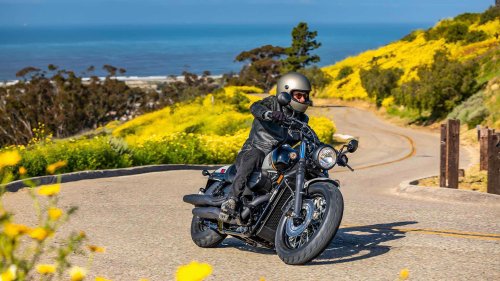
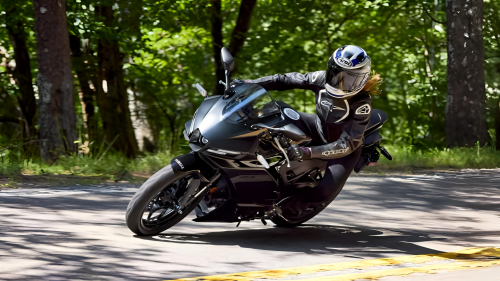
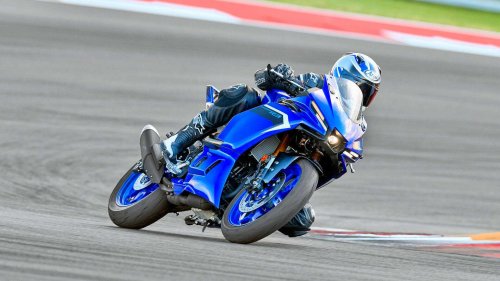
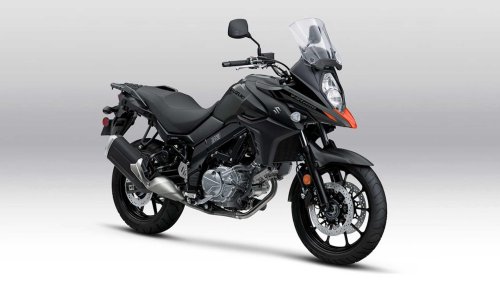
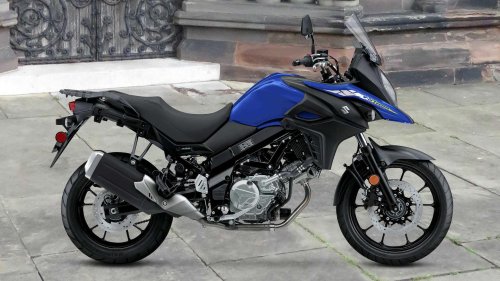
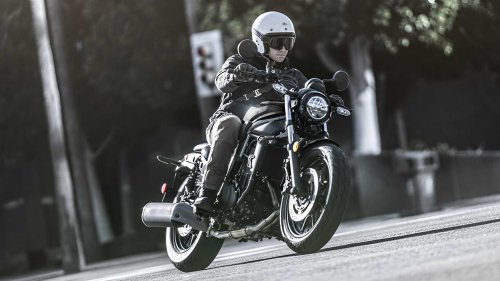
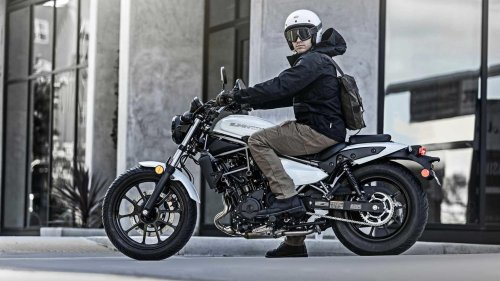

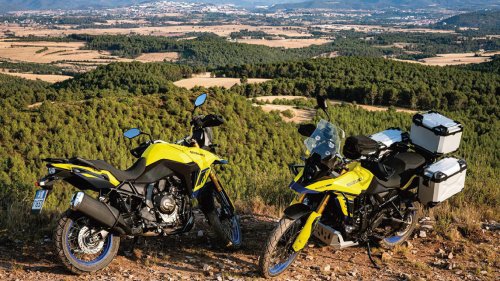
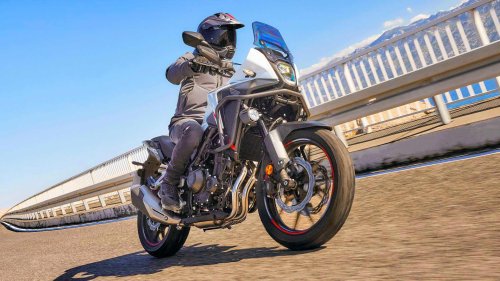
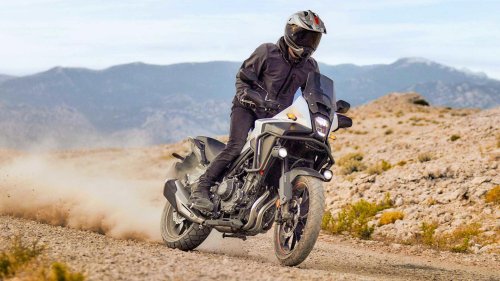
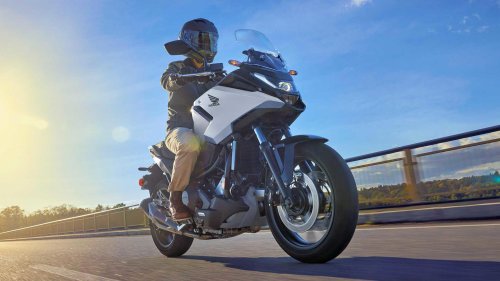
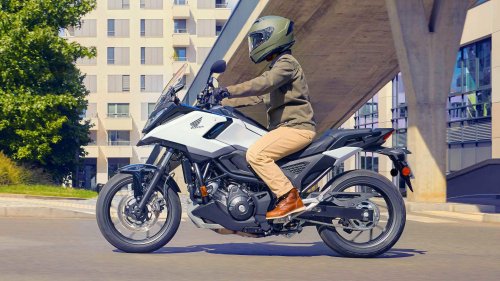

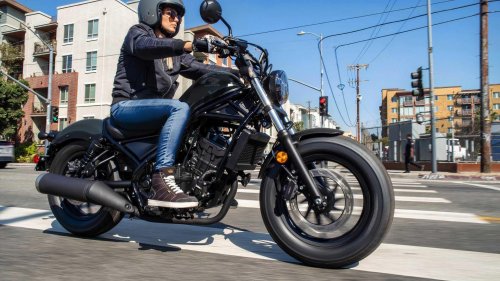





















Japanese motorcycle makers have always had an edge in reliability. This is primarily due to how they have refined existing engines over the years. For instance, the 649 cc parallel-twin engine on the Kawasaki Vulcan S, the 471 cc parallel-twin engine on the Honda NX500, and the 249 cc V-twin on the Yamaha V-Star 250 have all been around for at least a decade. Refinement over the years has also improved efficiency. On that note, let's check out 10 bikes (beginner and middleweight) that offer excellent reliability and MPG ratings.This list is organized in increasing order of fuel economy ratings. Kawasaki Vulcan S Fuel Economy: 52.26 MPG Kawasaki The 649 cc liquid-cooled parallel-twin engine traces its origins to the 2000s-era Kawasaki Ninja 650R and the ER-6n. It was later adopted for the Kawasaki Vulcan S in 2015 with a torque-rich state of tune. Kawasaki has honed this engine over the years to offer an impressive reliability quotient and little to no recurring issues. Its refinement and efficiency levels are high, which is the primary reason for its fuel economy rating of 52.26 MPG.Kawasaki Coupled with a 3.7-gallon fuel tank, the Vulcan S can do just under 200 miles on a full tank of gas. On the 2026 Vulcan, the parallel-twin produces 60 horsepower and 46.5 pound-feet of torque. This engine is so flexible that it is also utilized on the 2026 Kawasaki Ninja 650, the Z650 naked bike, and even the Versys 650 ADV. Honda Shadow Phantom Fuel Economy: 56.0 MPG Honda Powersports This is a cruiser bike that will outlive its owner. This is primarily due to its seasoned 52-degree V-twin engine, which is also one of the last surviving Japanese V-twins today. This is a very old engine, with the current iteration being available and unchanged since 2010. But the platform has been around since 1997.Honda Powersports Its engineering is simple and aids in low maintenance, thanks to components such as shaft drives and fuel injection. Its reliable, refined nature also helps with its frugality, returning a commendable 56 MPG. Coupled with a 3.9-gallon fuel tank, this custom-inspired cruiser bike can do a maximum of 218.4 miles on a tankful. On the 2026 Honda Shadow Phantom, this engine produces 45 horsepower and 48 pound-feet of torque. Yamaha YZF-R3 Fuel Economy: 56.0 MPG Yamaha Motorsports The Yamaha R3 is powered by a 321 cc liquid-cooled parallel-twin engine that has been in production since 2015. Over the years, Yamaha has refined this mill with subtle tweaks to meet evolving emission norms. The main reason for the R3 engine's high reliability is its well-engineered, unstressed nature, despite being tuned for a sports bike.Yamaha Motorsports This engine doesn't need to be "rung" to achieve peak power, which helps reduce strain. On the 2026 Yamaha R3, the 321 cc mill produces 41.5 horsepower and 21.7 pound-feet of torque. Its relaxed nature is also what contributes to commendable MPG ratings. With a 3.7-gallon fuel tank, the R3 sports bike can travel up to 207.2 miles on a full tank of gas. Suzuki V-Strom 650 Fuel Economy: 56.0 MPG Suzuki Cycles The heart of the Suzuki V-Strom 650 is well known for its reliability. It is a 90-degree V-twin that originates from the 1999 SV650 roadster, refined over decades and often praised for lasting over 100,000 miles with just regular maintenance. Its understressed nature is also a key factor for its longevity.Suzuki Cycles A simple, easy-to-work-on engineering design and no-frills engine features like fuel injection and liquid cooling help the V-Strom 650 return a commendable 56 MPG. When coupled with its 5.3-gallon fuel tank, the V-Strom 650 can travel up to 296.8 miles on a full tank of gas. The current-gen V-Strom 650 produces 69 horsepower and 50.9 pound-feet of torque. Kawasaki Eliminator Fuel Economy: 61.88 MPG Kawasaki Just like its bigger brother (the Vulcan S), the Kawasaki Eliminator also uses shared components from sports bikes. The mill is shared with the Ninja 500 sports bike and the Z500 naked bike. While the 451 cc mill is a new entrant introduced in 2024, it is based on the seasoned 399 cc parallel-twin that powered the now-defunct Ninja 400. Kawasaki Hence, its proven character is carried over. Notable reliability and longevity-focused features include sleeveless, plated cylinders for improved cooling, an assist-and-slipper clutch to reduce powertrain stress, and a linear engine character that peaks early. This is also what helps with its frugal nature. With a 3.4-gallon fuel tank, the Eliminator can travel up to 210 miles on a tankful. Suzuki V-Strom 800DE Fuel Economy: 64.12 MPG Suzuki Cycles This Suzuki ADV packs the largest-displacement engine in this bunch (a 776 cc parallel-twin mill introduced in 2023). This is a fairly new engine, but already has riders vouching for its reliability quotient. Durability is a key factor in this ADV. The V-Strom 800DE has a conservative, over-engineered engine that uses high-tolerance components, which helps it score highly for refinement.Suzuki Cycles Furthermore, this mill's performance rating of 83.1 horsepower and 57.5 pound-feet of torque is delivered in a linear, smooth manner. This helps reduce stress and wear on mechanical components. All of these features contribute to this peppy middleweight returning a commendable 64 MPG. Thanks to a sizable 5.3-gallon fuel tank, the V-Strom 800DE has a maximum riding range of 339.8 miles. Honda NX500 Fuel Economy: 65.39 MPG Honda Powersports This is a well-rounded entry-level ADV that is high on refinement, reliability, and MPG ratings. The Honda NX500 is essentially an upgraded CB500X and carries over the proven 471-cc parallel-twin platform. This engine has a reliable, frugal reputation thanks to features like a conservative power-to-displacement ratio, long maintenance intervals, and simple, robust components.Honda Powersports The NX500 produces 47 horsepower and 31.7 pound-feet of torque that helps achieve a 65.39 MPG fuel-efficiency rating. Add its sizable 4.7-gallon fuel tank to the mix, and we have a humble ADV that can do up to 307 miles between gas stops. Honda NC750X Fuel Economy: 67.2 MPG Honda Powersports This is a unique middleweight ADV that looks like a touring bike and delivers fuel-efficiency ratings of an entry-level motorcycle. The secret is a distinguished 745 cc parallel-twin engine that has a relaxed character. It features a long-stroke design and a lazy compression ratio of 10.7:1. So the output is a lowly 58 horsepower and 50.9 pound-feet of torque.Honda Powersports The combination of a low-revving, under-stressed engine and an efficiency-tuned six-speed dual-clutch automatic helps this Honda ADV achieve 67.2 MPG. This also aids in its reliability quotient. A cleverly repositioned 3.7-gallon fuel tank helps the NC750X offer a maximum riding range of 248.64 miles. Honda Rebel 300 E-Clutch Fuel Economy: 78 MPG Honda PowersportsA ten-year-old single-cylinder engine powers the most affordable Honda cruiser bike. The 286 cc liquid-cooled single is shared with the now-defunct CBR300R sport bike and the CB300R naked bike. Its use across various motorcycles strengthens its versatility and reliability. Output, meanwhile, lies at 27 horsepower. It's sent to the wheel via an electronic clutch.Honda Powersports A simple design, a fuel-injection system, and a robust manufacturing process that minimizes mechanical issues make the Rebel 300 a low-maintenance, durable motorcycle. Its understressed nature is a primary reason for its impressive fuel efficiency rating. With a 3.0-gallon fuel tank, the baby Rebel can achieve a maximum riding range of 234 miles. Yamaha V-Star 250 Fuel Economy: 78 MPG Yamaha Motorsports This is the most affordable classic-styled V-twin cruiser, priced under $5,000. This humble urban runabout religiously shrinks an American V-twin cruiser bike formula. It is exceptionally reliable due to its simple and seasoned engine. This air-cooled 60-degree mill has been around for over 35 years. It was introduced in the 1988 Yamaha Virago 250. Over the years, Yamaha has refined it, but this mill is, for the most part, mechanically unchanged.Yamaha Motorsports The components are simple, and this four-stroke mill uses a Mikuni carburetor. It is a low-stress and durable engine designed to handle daily commuting and light touring. The 2026 V-Star 250 upholds the reliability and refinement quotient and produces 21 horsepower and 15.2 pound-feet of torque. Despite packing a tiny 2.5-gallon fuel tank, its impressive MPG ratings help translate to a maximum total riding range of 195 miles.Sources: Kawasaki, Honda Powersports, Yamaha Motorcycles, and Suzuki Cycles.