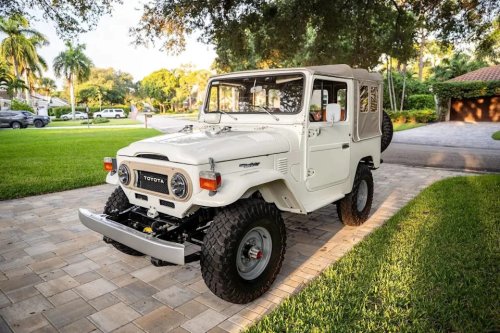
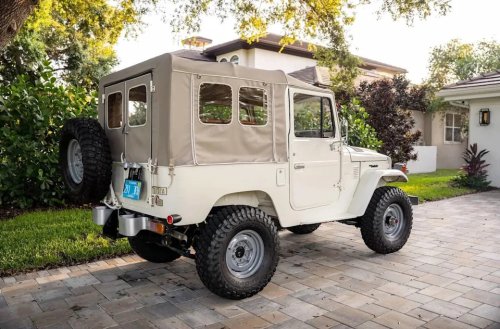
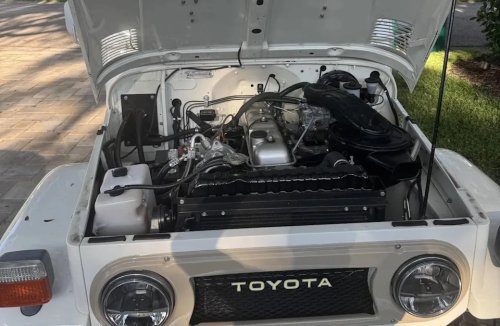
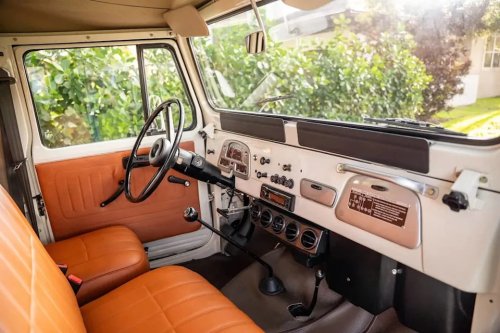
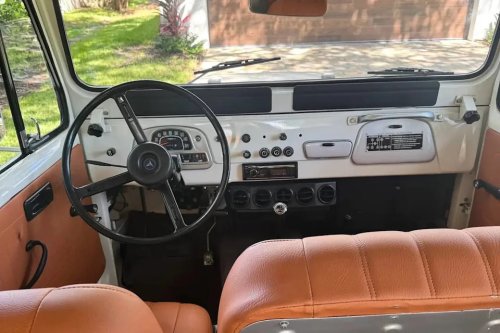
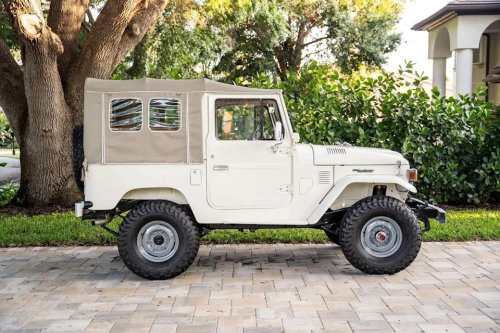
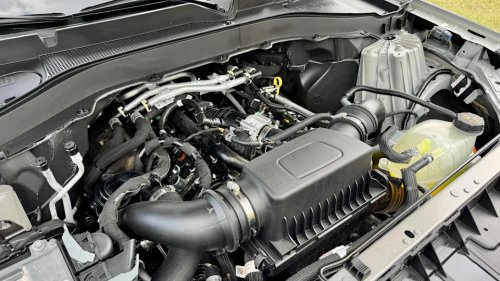
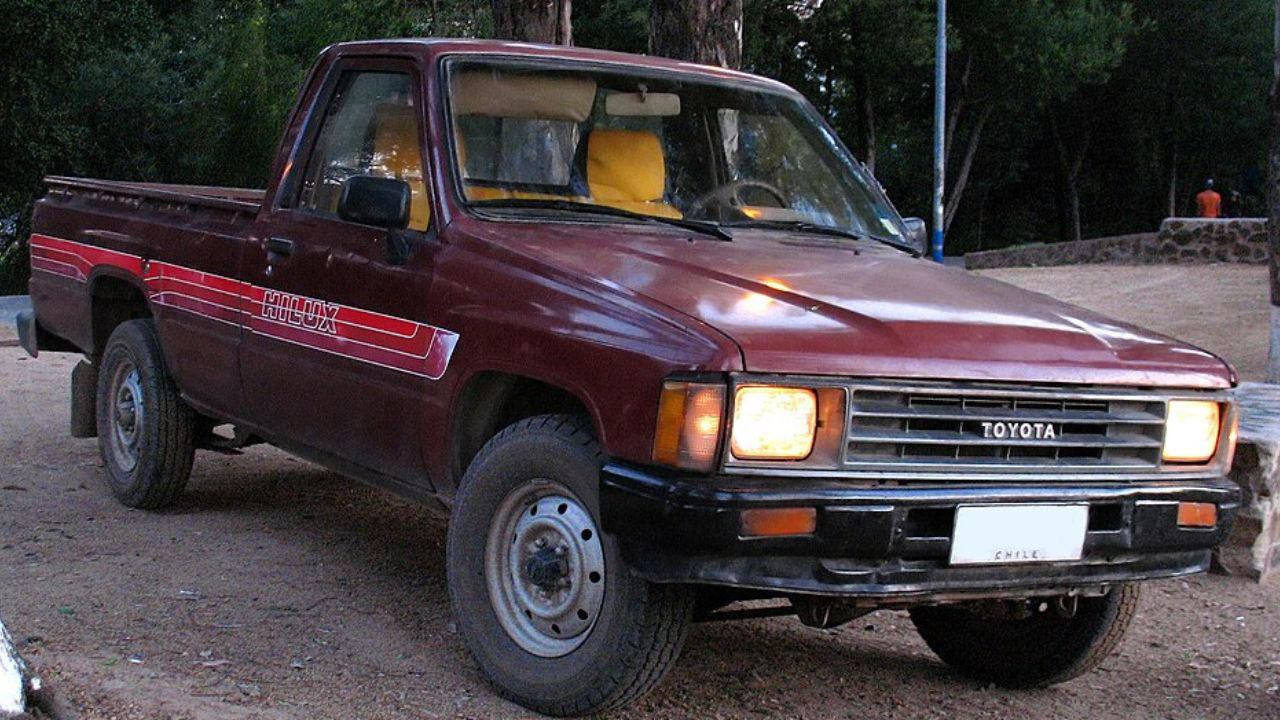
The 1987 Toyota Pickup, often referred to as the Toyota Hilux in other markets, has earned a legendary reputation for its durability and reliability. Built during an era when simplicity and function were prized, this vehicle became an icon of toughness, outselling many of its contemporaries and proving itself nearly unstoppable in various terrains and conditions. The Engineering Marvel The 1987 Toyota Pickup’s engineering prowess is largely attributed to its robust engine design. The 22R engine, in particular, became synonymous with reliability. Known for its simplicity, this four-cylinder engine was capable of withstanding extreme conditions, from scorching deserts to freezing alpine climates. Its straightforward engineering meant fewer components that could fail, and it delivered consistent performance without the complexities that plagued other engines of the era. This simplicity not only contributed to the pickup’s longevity but also made maintenance and repairs more accessible to owners around the world. The 22R engine’s reputation for being a ‘bulletproof’ motor is well documented, with enthusiasts and mechanics alike praising its endurance. Beyond the engine, the durable construction of the 1987 Toyota Pickup played a crucial role in its lasting legacy. The frame and body were designed to endure the rigors of both commercial and personal use, resisting wear and tear that would render other vehicles obsolete. The solid construction provided a sturdy platform that could handle heavy loads, making it a favorite among farmers and tradespeople. The vehicle’s minimalist approach, with a focus on essential features, minimized potential points of failure. This no-frills design philosophy meant that there were fewer electrical systems and luxury components that could malfunction, further enhancing the pickup’s reputation for reliability. Global Appeal and Versatility The Toyota Pickup’s design was remarkably adaptable, allowing it to thrive in a wide array of global markets. Whether navigating the bustling streets of urban centers or traversing the rugged landscapes of rural areas, the pickup adjusted seamlessly to its environment. This adaptability was a key factor in its widespread popularity, as it met the diverse needs of consumers across continents. The vehicle’s ability to perform consistently in both developed and developing regions underscored its engineering excellence. Its versatility extended beyond geographical adaptability. The 1987 Toyota Pickup became a multifunctional tool for a variety of users, appealing to everyone from farmers requiring a robust workhorse to adventurers seeking a reliable partner in exploration. This broad appeal was due in part to its ability to handle various tasks without compromising performance. The pickup’s practicality and dependability made it an attractive option for those who needed a vehicle that could adapt to different roles, whether that meant towing equipment, transporting goods, or navigating off-road trails. Over time, the pickup transcended its role as a mere vehicle, becoming a cultural icon that represented reliability and practicality. In popular culture, it became a symbol of toughness and endurance, influencing consumer perceptions worldwide. Its appearances in movies and television further solidified its status, associating the Toyota Pickup with adventure and resilience. Comparative Advantage During the 1980s, the 1987 Toyota Pickup achieved a remarkable feat by outselling numerous American muscle cars of the era. This success can be attributed to several factors that contributed to its market dominance. While muscle cars focused on speed and aesthetics, the Toyota Pickup offered practicality and reliability, appealing to a broader audience. Its competitive pricing and cost-effectiveness made it accessible to a wide range of consumers, from small business owners to families seeking a dependable vehicle. The Toyota Pickup’s competitive edge was further enhanced by its specific features and attributes. Its fuel efficiency, for instance, stood out in a market where gas-guzzling vehicles were common. This efficiency not only reduced operating costs but also aligned with a growing awareness of environmental concerns, making it a forward-thinking choice for conscientious buyers. The pickup’s ability to endure challenging conditions, from harsh weather to difficult terrains, cemented its reputation as an indestructible vehicle. This reputation was not only a selling point but also a testament to the vehicle’s engineering. Moreover, its performance in harsh environments provided a clear comparative advantage. Owners in regions with extreme climates or rough terrains found the Toyota Pickup to be a dependable ally. Its ability to maintain performance in adverse conditions reinforced its standing as a reliable choice, ensuring that it remained a favorite among those who valued durability and resilience. The Legacy Continues The enduring popularity of the 1987 Toyota Pickup is evident in its continued demand in the used car market. Even decades after its initial release, automotive enthusiasts and collectors seek out this model for its historical significance and proven reliability. Its status as a collector’s item is not just about nostalgia; it reflects a genuine appreciation for a vehicle that has stood the test of time. The pickup’s enduring appeal is a testament to its exceptional build quality and timeless design. The principles of durability and simplicity that defined the 1987 model have influenced modern Toyota designs and engineering philosophies. The legacy of the Toyota Pickup can be seen in the company’s commitment to reliability and functionality in its contemporary offerings. This influence extends beyond Toyota itself, as other manufacturers have taken note of the successful formula that made the 1987 Pickup a benchmark for reliability. The vehicle’s impact on the automotive industry is undeniable, serving as a blueprint for future pickup designs. In the broader context of automotive history, the 1987 Toyota Pickup holds a special place as a symbol of reliability and a testament to the power of engineering excellence. Its ability to remain relevant and in-demand decades after its release highlights its significance as a milestone in vehicle design. As a benchmark for reliability, it continues to inspire new generations of vehicles that prioritize durability and practicality. Real-World Testimonials Owner experiences provide compelling anecdotes that attest to the 1987 Toyota Pickup’s legendary durability and reliability. Many long-time owners have shared stories of their vehicles clocking hundreds of thousands of miles with minimal issues, underscoring the pickup’s capability to endure the test of time. These testimonials reflect the trust and confidence that owners have in their vehicles, often passing them down through generations as cherished family assets. Mechanics who have worked on these vehicles offer insights into their ease of maintenance. The straightforward design of the 22R engine and the vehicle’s overall construction make common repairs manageable, even for those with limited mechanical experience. Mechanics often note that the pickup’s simplicity reduces the likelihood of complex failures, allowing for easier troubleshooting and maintenance compared to more modern vehicles with intricate electronic systems. Adventure stories further highlight the unwavering performance of the 1987 Toyota Pickup. Explorers and adventurers have relied on these vehicles in remote and challenging conditions, from traversing unpaved roads in the outback to navigating frozen tundras. These stories of resilience and reliability reinforce the pickup’s reputation as a vehicle that can be trusted in the most demanding situations. Its ability to deliver consistent performance, even in the face of adversity, is a testament to its enduring engineering excellence. More from Fast Lane Only Unboxing the WWII Jeep in a Crate 15 rare Chevys collectors are quietly buying 10 underrated V8s still worth hunting down Police notice this before you even roll window down



















 +2 others






![Toyota, Toyota's $15,000 Chinese EV spotted overseas in RHD [Images]](https://cdn.topcarnews.net/thumb/id/aHR0cHM6Ly9pMC53cC5jb20vZWxlY3Ry-ZWsuY28vd3AtY29udGVudC91cGxvYWRz-L3NpdGVzLzMvMjAyNi8wOS9Ub3lvdGEt-YlozWC1FVi1SSEQuanBlZz93PTE1MDAm-YW1wO3F1YWxpdHk9ODImYW1wO3N0cmlw-PWFsbCZhbXA7c3NsPTE/3fdd3b5d03bdc27308f0c99caa99667e.jpeg?t=20260926&post_id=64756)
![Toyota, Toyota's $15,000 Chinese EV spotted overseas in RHD [Images]](https://cdn.topcarnews.net/thumb/id/aHR0cHM6Ly9lbGVjdHJlay5jby93cC1j-b250ZW50L3VwbG9hZHMvc2l0ZXMvMy8y-MDI1LzEyL1RveW90YS0xNTAwMC1lbGVj-dHJpYy1TVVYtMi5qcGVn/8219e8e9bd18568eaf6e5271753403d8.jpeg?t=20260926&post_id=64756)
![Toyota, Toyota's $15,000 Chinese EV spotted overseas in RHD [Images]](https://cdn.topcarnews.net/thumb/id/aHR0cHM6Ly9lbGVjdHJlay5jby93cC1j-b250ZW50L3VwbG9hZHMvc2l0ZXMvMy8y-MDI2LzAzL1RveW90YS1iWjNYLUVWLWlu-dGVyaW9yLTcuanBnP3N0cmlwPWluZm8m-YW1wO3c9MTkyMA/e40c0b720b4826f1bf2a5f18a1e13212.jpg?t=20260926&post_id=64756)
![Toyota, Toyota's $15,000 Chinese EV spotted overseas in RHD [Images]](https://cdn.topcarnews.net/thumb/id/aHR0cHM6Ly9lbGVjdHJlay5jby93cC1j-b250ZW50L3VwbG9hZHMvc2l0ZXMvMy8y-MDI2LzAzL1RveW90YS1iWjNYLUVWLWlu-dGVyaW9yLTUuanBnP3N0cmlwPWluZm8m-YW1wO3c9MTkyMA/dc60262a877c7e2cef1e74da54ca75ab.jpg?t=20260926&post_id=64756)
![Toyota, Toyota's $15,000 Chinese EV spotted overseas in RHD [Images]](https://cdn.topcarnews.net/thumb/id/aHR0cHM6Ly9lbGVjdHJlay5jby93cC1j-b250ZW50L3VwbG9hZHMvc2l0ZXMvMy8y-MDI2LzAzL1RveW90YS1iWjNYLUVWLWlu-dGVyaW9yLTYuanBnP3N0cmlwPWluZm8m-YW1wO3c9MTkyMA/ad5c9fdfd72ede2f92d0ae9b095b9e83.jpg?t=20260926&post_id=64756)