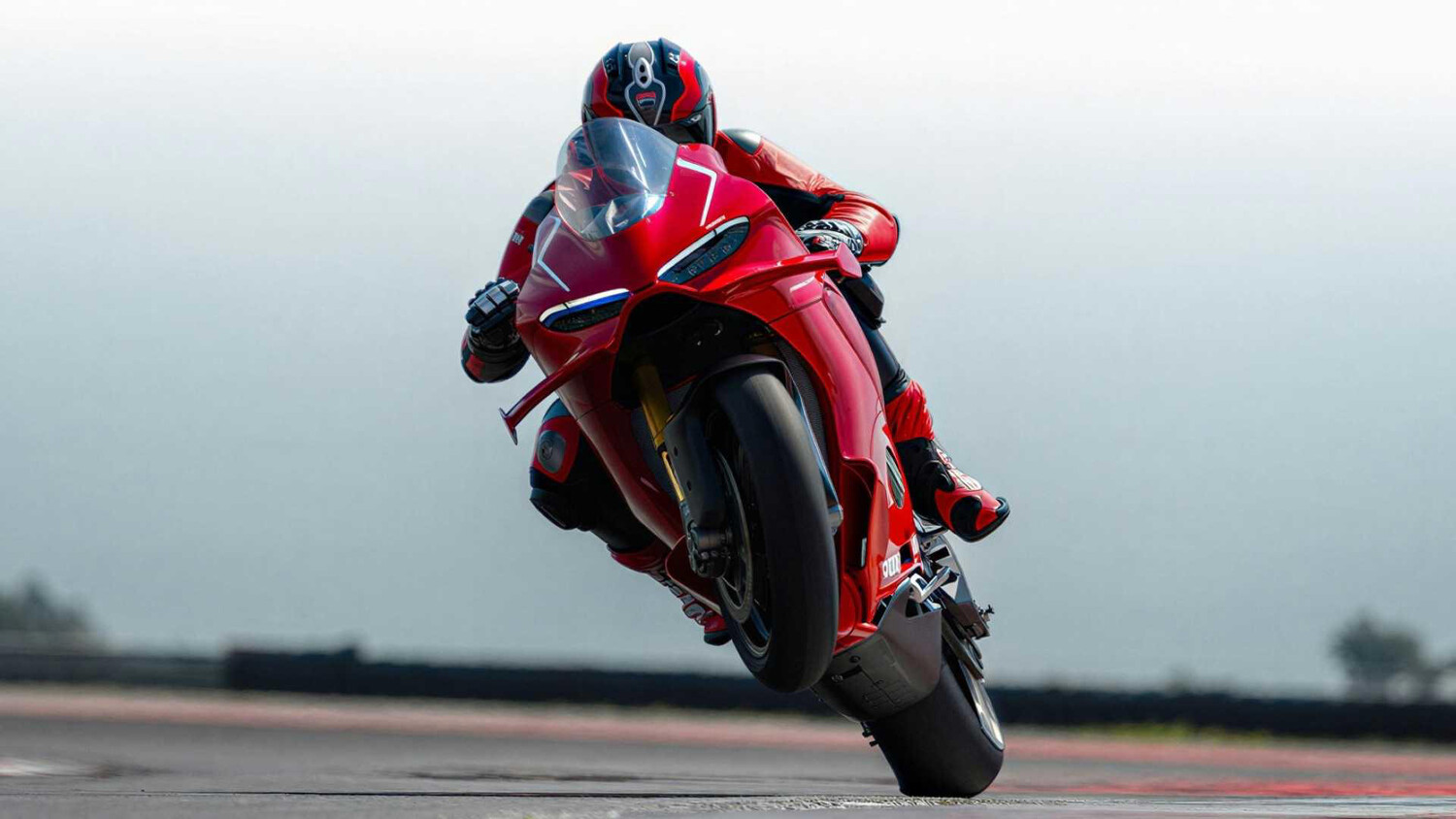
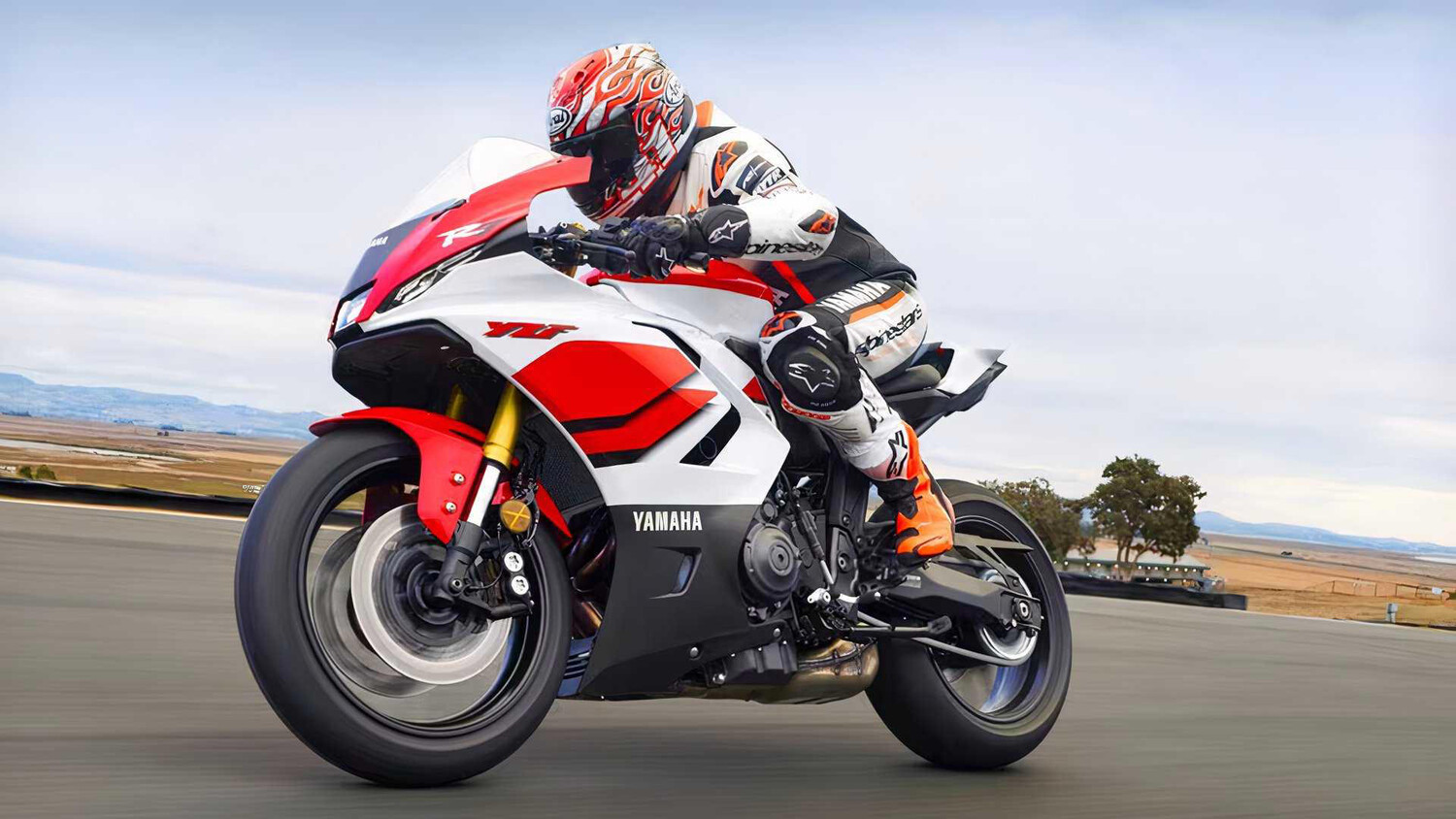
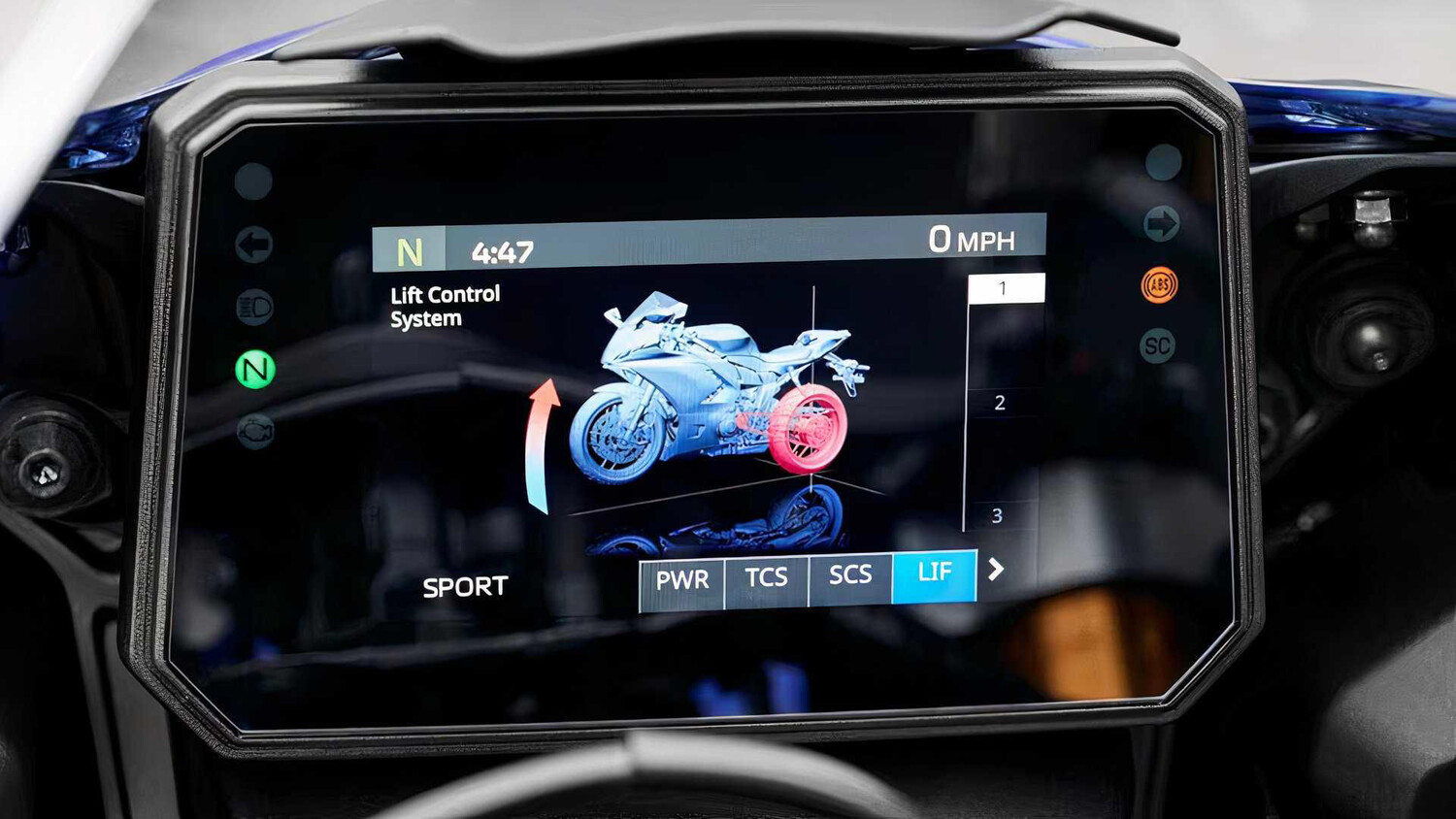
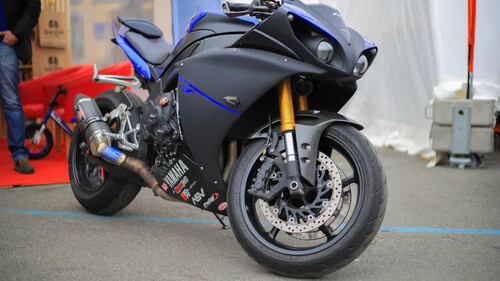
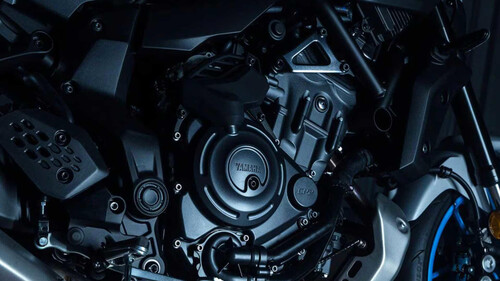
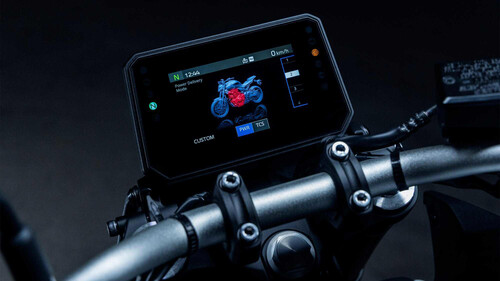
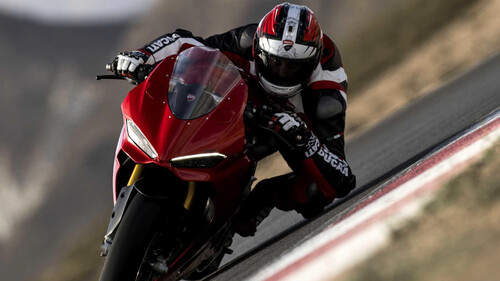
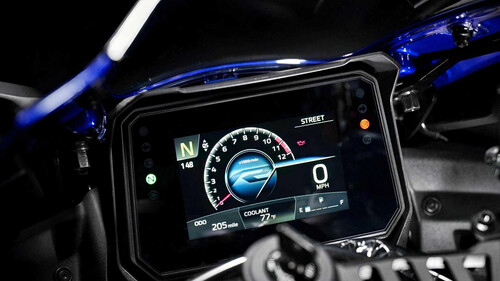
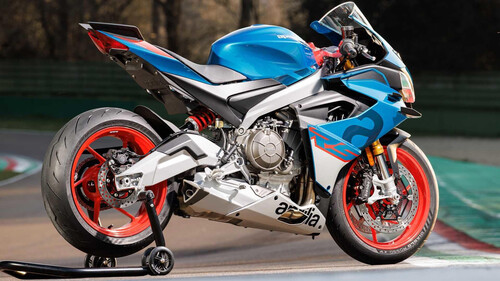
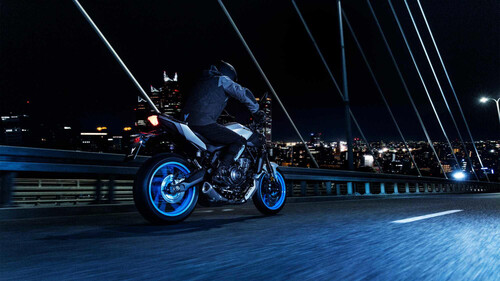
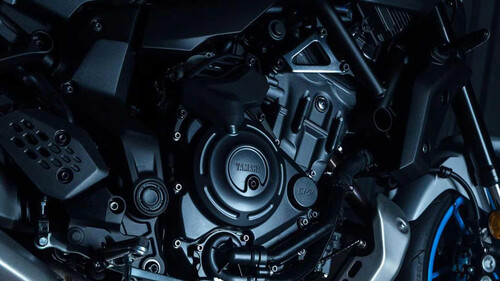
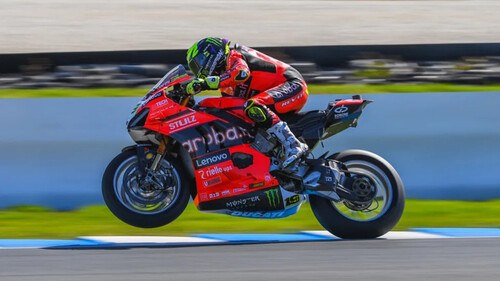
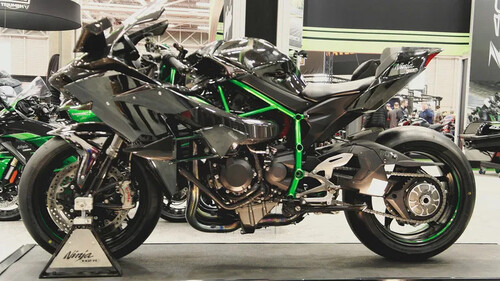
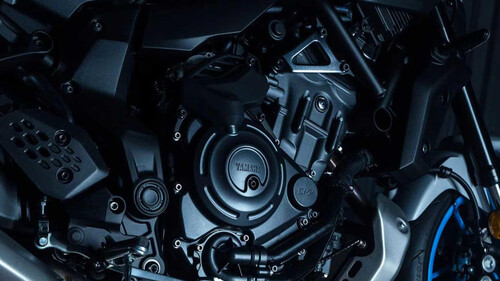
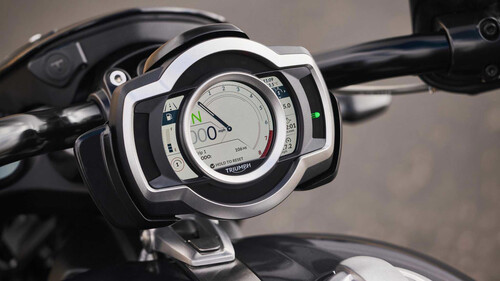
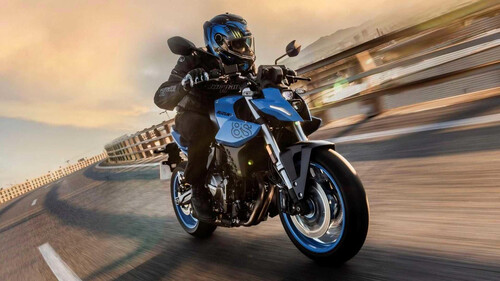
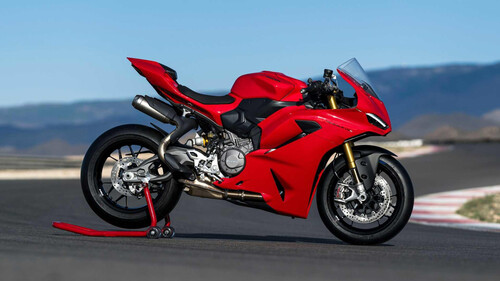
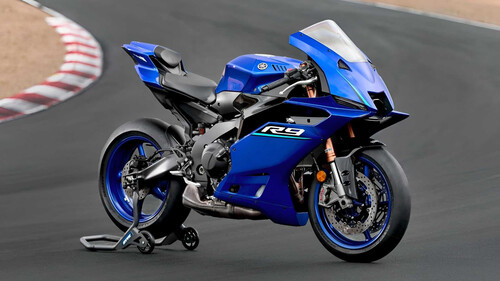
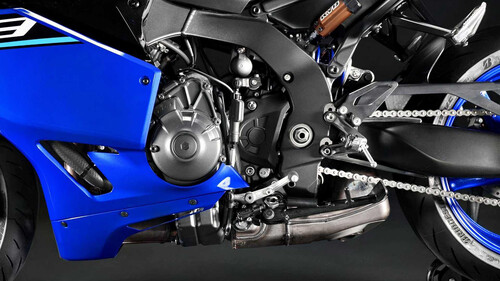
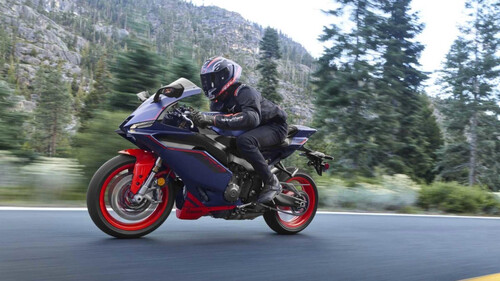
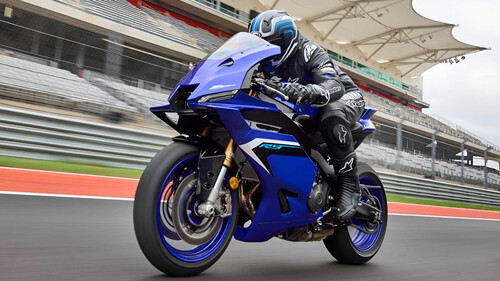
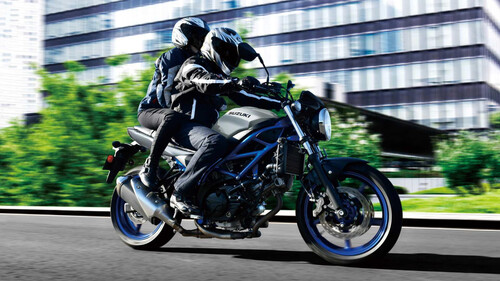
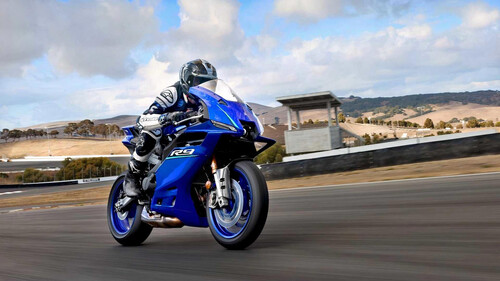
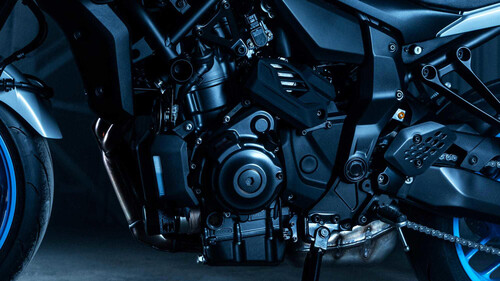
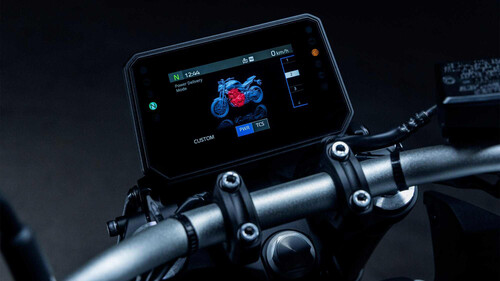
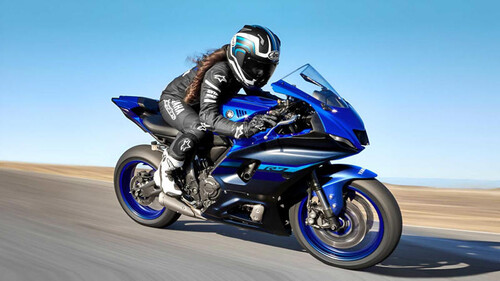
Modern sports bikes keep getting faster, sharper, and more intimidating. Thus, they inevitably become too much for most of us. Somewhere along the way, manufacturers realized not every rider wants a 200-horsepower missile with race-bike ergonomics just to enjoy a canyon road or morning commute. That realization created a new kind of sports bike, one focused less on outright domination and more on the connection between rider and machine. These prove you don’t need superbike chaos to have a genuinely fun and rewarding ride. Why So Many Modern Sports Bikes Feel Exhausting To Ride Honda There’s no denying modern superbikes are astonishing pieces of engineering. Today’s top-tier sports bikes accelerate harder than old MotoGP bikes, pack electronics sophisticated enough to rival race machinery, and can reach ridiculous speeds before you’ve even shifted into third gear. But for a lot of riders, that performance comes with a tradeoff. Aggressive ergonomics, razor-sharp throttle response, stiff suspension setups, and sky-high horsepower figures can quickly become tiring in real-world riding. Most roads aren’t smooth racetracks. They’re filled with traffic, uneven pavement, bad weather, and speed limits. In those conditions, the experience often becomes more about managing its intensity. Most Riders Can’t Fully Use These Rampant Machines Ducati Manufacturers spent years competing for bigger numbers because horsepower sells motorcycles. Eventually, even middleweight sports bikes started chasing lap times and dyno charts instead of focusing on the riding experience itself. The problem is that most riders rarely get the chance to fully exploit modern supersport performance. A lot of inline-four engines only come alive high in the rev range, forcing riders to push harder and faster just to access the exciting part of the powerband.That’s exactly why many enthusiasts started drifting toward smaller-displacement sports bikes and torquey parallel twins. Riders realized usable performance often creates a far more rewarding experience than overwhelming performance. A motorcycle that communicates well, inspires confidence, and stays entertaining at legal speeds can ultimately become more satisfying than one that only shines at triple-digit speeds. The Sweet Spot Between Beginner Bike And Full-Blown Superbike CFMoto Modern middleweight twins have become the go-to option for riders who want something exciting without the stress, weight, and absurd performance of modern liter bikes. These motorcycles occupy a sweet spot that the industry largely ignored for years. They’re approachable enough for newer riders to grow into, yet capable enough to keep experienced riders entertained for a very long time. KawasakiA big reason for their popularity is how approachable the engines feel. Parallel twin engines spread their torque more evenly throughout the rev range, which means riders don’t have to wring the bike’s neck to have fun. You get acceleration exactly where you want it during everyday riding, and that creates a stronger sense of connection between rider and machine. The result is a motorcycle that encourages confidence instead of demanding perfection. The Yamaha YZF-R7 Is Actually Calmer Than Its Looks Suggest YamahaThe Yamaha YZF-R7 looks every bit like a hardcore supersport. The low clip-ons, sharp fairings, tucked tail section, and aggressive front end make it resemble a scaled-down race bike more than an approachable middleweight. But once you actually ride it, the personality changes completely. Instead of trying to overwhelm the rider with violence and speed, the R7 delivers one of the most approachable and confidence-inspiring supersport experiences currently on sale.For 2026, Yamaha refined the formula significantly. The latest US-spec R7 still uses the beloved 689cc CP2 parallel-twin engine, which produces a claimed 72.4 horsepower at 8,750 rpm and 50.2 pound-feet of torque at 6,500 rpm. But it now benefits from Yamaha’s Y-CCT ride-by-wire throttle system and a more advanced electronics package. The updates go beyond the engine management, too. Yamaha added a new TFT display, revised rider aids, and updated Yamaha Ride Control functionality. Even with the extra electronics, the bike still feels approachable rather than overly computerized. Boasts The Best Parts Of The MT-07’s Personality Yamaha That shared DNA with the MT-07 is exactly what gives the R7 its approachable character. Yamaha essentially took one of the most loved middleweight naked bike engines on the market and wrapped it in supersport bodywork without ruining its personality. The CP2 engine remains torquey, playful, and forgiving, thanks largely to its 270-degree crossplane crankshaft that gives the bike a distinctive exhaust note and strong midrange punch.Unlike high-strung inline-fours that demand sky-high revs before they wake up, the R7 feels eager almost everywhere in the rev range. It rewards smooth riding and corner speed rather than brute-force acceleration. That makes it far easier to enjoy on public roads because riders can actually use the engine without immediately entering reckless territory. The power delivery feels linear and predictable, which makes the bike surprisingly relaxing despite its aggressive appearance. The R7’s Biggest Strength Has Nothing To Do With Top Speed One of the smartest things Yamaha did with the R7 was giving it a genuinely capable chassis instead of treating it like an entry-level sports bike. The bike uses a diamond-type steel frame paired with a fully adjustable 41mm inverted fork and an adjustable rear Monocross shock. Combined with a relatively light 417-pound wet weight and compact dimensions, the result is a motorcycle that feels planted and responsive without becoming twitchy or nervous.The riding position is sporty but still manageable compared to hardcore supersports. With a 32.7-inch seat height and compact wheelbase, the R7 feels nimble and connected while remaining far less physically demanding than most race-replica machines. Dual 298mm front brake discs with radial-mounted calipers provide more than enough stopping power for aggressive street riding and occasional track days. Supersport Experience Without Supersport Commitment Yamaha The awesome handling is ultimately what makes the R7 special. It changes direction eagerly, communicates clearly through the chassis, and builds rider confidence very quickly. But unlike many modern supersports, it never punishes you for riding it casually. The suspension setup strikes a surprisingly smart balance between sporty precision and real-world usability, allowing the bike to remain comfortable enough for commuting while still feeling sharp in corners.That balance creates something many sports bikes struggle to achieve: approachability without boredom. The R7 still feels exciting, but it doesn’t constantly pressure the rider into going faster just to enjoy the motorcycle. You can have fun riding it hard, but you can also have fun simply riding it normally. That distinction matters more than many riders realize. The R7 Might Actually Be One Of Yamaha’s Smartest Modern Motorcycles Yamaha The timing of the R7’s success makes perfect sense. Riders were already beginning to question whether giant horsepower figures and increasingly extreme ergonomics were actually improving the riding experience. Yamaha responded with a motorcycle that embraced restraint without becoming dull, and that formula ended up resonating with a huge number of riders. Experienced Riders Are Downsizing To Bikes Like The R7 Yamaha A growing number of experienced riders are stepping away from liter bikes and moving toward motorcycles like the R7. That's because they’ve realized usable performance often creates more enjoyment than overwhelming performance. The YZF-R7 fits perfectly into that category because it prioritizes rider engagement over raw numbers. It feels approachable enough for less experienced riders while still remaining genuinely entertaining for veterans. That’s an incredibly difficult balance to achieve, and it’s exactly why the motorcycle stands out in today’s crowded middleweight market. A Sub-$10,000 MSRP Boosts Overall Value Yamaha At an MSRP of $9,399, the R7 undercuts many premium middleweight sports bikes while still delivering a thoroughly modern supersport experience. The fact that it now includes ride-by-wire throttle, updated electronics, TFT instrumentation, and refined rider aids only strengthens its value proposition. More importantly, the R7 proves that enjoyment doesn’t have to come from outrageous horsepower figures or terrifying speed. The bike feels alive at speeds riders can realistically access every single day, and that alone makes it more enjoyable than many significantly faster motorcycles. Source: Yamaha