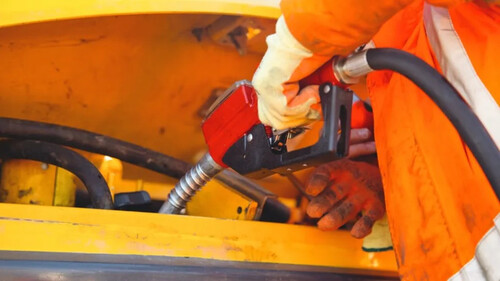
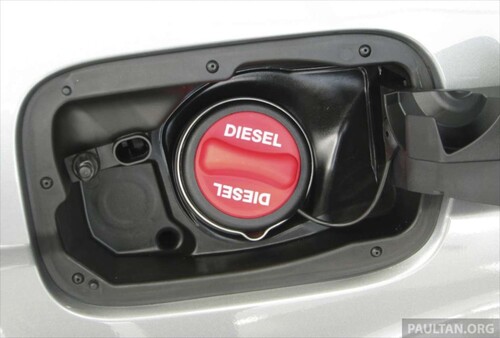
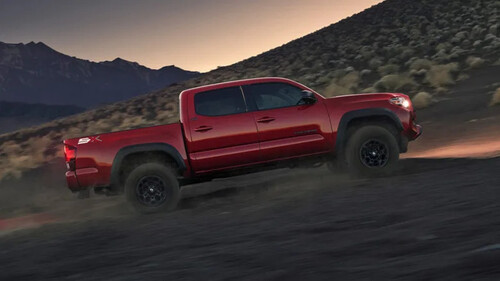
I took my truck in for a rough idle, but the dealer blamed the fuel I was usingIt started the way a lot of truck problems start: not with a dramatic breakdown, but with an annoying little vibe you can’t un-feel. At stoplights the engine would stumble, the RPM needle would wobble, and the whole cab had that “something’s not happy” shudder. It still drove fine, still pulled strong on the highway, but idling felt like the truck was trying to clear its throat every few seconds. So the appointment got booked. The plan was simple—bring it to the dealership, explain the rough idle, and leave with either a fix or at least a clear direction. Instead, it turned into a surprisingly common modern car story: “It’s probably the fuel you’re using.” The rough idle that wouldn’t quit The symptoms were consistent and kind of maddening. Cold starts were a little worse, and warm idle was smoother but still not right. Every now and then there was a faint hesitation pulling away from a stop, like the engine needed a half-second to remember it had a job to do. No warning lights, no obvious misfire, no dramatic smoke show. Just that steady, subtle shake that makes you turn the radio down and listen like you’re diagnosing an airplane. If you’ve ever stared at your tachometer like it owes you money, you know the feeling. The dealership visit: quick scan, quick verdict At the service counter, the description was straightforward: rough idle, occasional hesitation, no check engine light. They took the keys and promised to “get it on the scanner.” A few hours later the call came, and the vibe was optimistic—almost too optimistic. The explanation went like this: no codes, nothing obviously wrong, and the fuel quality might be the culprit. The suggestion was to switch stations, try “top tier” fuel, maybe run a fuel system cleaner, and see if it improves. It was delivered in that polite, matter-of-fact way that somehow still feels like being told your truck is picky and you’re feeding it the wrong snacks. Why “bad fuel” is the go-to answer (even when it’s not) Here’s the tricky thing: fuel really can cause rough running. Water in the tank, stale gas, contamination, low detergent fuel over time—any of that can make an engine idle poorly. And because modern engines rely on tight tolerances and precise fueling, they can be less forgiving than older setups that would run on something that smells like lawnmower leftovers. But “fuel” is also a convenient explanation when nothing obvious pops up on a scan tool. If there’s no code to chase, no hard failure to point at, and the problem is intermittent, blaming fuel is an easy off-ramp. It sounds plausible, it’s hard to prove quickly, and it shifts the next step (and the cost) back to you. What a scan tool can miss on a rough idle Most people assume that if there’s no check engine light, everything must be fine. Not quite. A rough idle can live in the gray zone where the computer sees something slightly off, corrects for it, and never crosses the threshold to set a code. Small vacuum leaks, slightly dirty throttle bodies, borderline ignition components, early injector issues, or a tired oxygen sensor can all cause symptoms without immediately triggering a warning light. Some problems show up only in live data—things like fuel trims, misfire counters, and airflow readings—especially at idle. If nobody takes a deeper look, it’s easy for the visit to end with a shrug and a fuel suggestion. The fuel question: what matters and what’s mostly noise If the truck calls for regular, using premium won’t magically fix a rough idle. It might run the same, just with a pricier receipt. On the other hand, consistently using a reputable brand with good detergent additives can help keep injectors and intake valves cleaner over time, which can matter for idle quality. There’s also the seasonal blend factor, especially if you’re in a place with winter fuel changes, or if the truck sits for long stretches. Ethanol blends can attract moisture, and older fuel can lose volatility, both of which can make cold starts and idle rougher. So yes, fuel can be part of the story—but it’s rarely the whole story if the problem persists across multiple tanks. The frustrating part: you leave without a fix Walking out of the dealership with “try different gas” feels like going to a doctor for a limp and being told to “consider different socks.” It might help, sure, but it doesn’t explain why the limp started last month when the socks were fine. And when you’re paying diagnostic rates, you expect more than a guess that can’t be confirmed. To be fair, a lot of service departments are swamped, and technicians are pushed toward fast, provable repairs. If the truck isn’t throwing codes and it’s not failing in an obvious way, it can fall into a diagnostic no-man’s-land. Still, it’s hard not to feel like you just got handed a polite way to go away. What to ask for if “it’s the fuel” comes up If a shop points to fuel, it’s reasonable to ask what evidence supports that. Did they check fuel trims at idle and under load? Did they look at misfire counts by cylinder? Did they inspect for vacuum leaks or check the intake system for cracks and loose clamps? Those aren’t confrontational questions—they’re basic breadcrumbs that show whether anyone actually followed the symptoms. You can also ask if they test-drove it and tried to reproduce the rough idle under the same conditions you experience. Some trucks behave perfectly for ten minutes and then get lumpy once they warm up, or only after a cold soak. If they didn’t see it happen, you’re basically paying for a scan and a guess. The common culprits that behave like “bad fuel” A rough idle often comes down to air, spark, or fuel delivery being slightly off—sometimes just at idle where the margin is thinner. A small vacuum leak can lean out the mixture and cause a shake, especially when the engine’s cold. A dirty throttle body can mess with airflow control and make idle hunt, even if everything feels normal at speed. Ignition issues can also hide. A coil or plug that’s starting to weaken might not misfire hard enough to trigger a light, but it can still make the engine feel uneven. And if the truck is direct-injected, intake valve deposits can build up over time and cause idle instability that comes and goes like a mystery. What happened next: the “prove it” approach After the dealer’s verdict, the next step was simple: treat it like a hypothesis and test it. A fresh tank from a different busy station, a couple days of normal driving, and a close ear at every stoplight. If it improved noticeably, fuel quality might’ve been a real factor; if nothing changed, the dealership’s answer was just a convenient placeholder. And that’s the bigger takeaway from this kind of experience. Fuel can absolutely cause problems, but it shouldn’t be the default explanation when a rough idle shows up out of nowhere. If the truck is still shaking after a couple tanks, it’s not being picky—it’s trying to tell you something, and it deserves a diagnosis that goes beyond the pump. More from Fast Lane Only Unboxing the WWII Jeep in a Crate 15 rare Chevys collectors are quietly buying 10 underrated V8s still worth hunting down Police notice this before you even roll window down The post I took my truck in for a rough idle, but the dealer blamed the fuel I was using appeared first on FAST LANE ONLY.