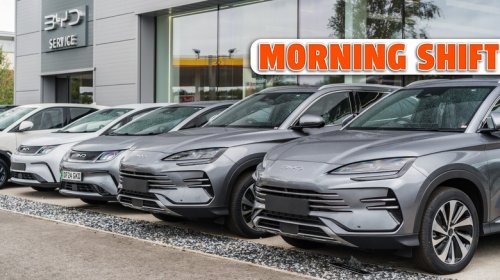
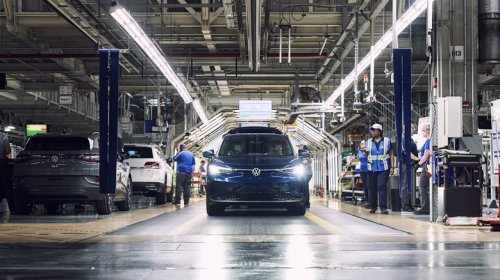
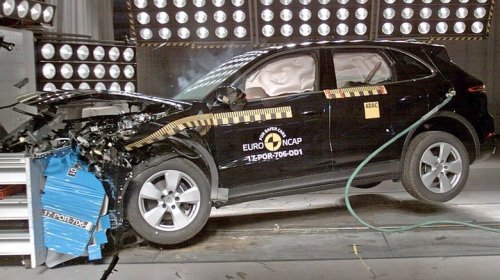
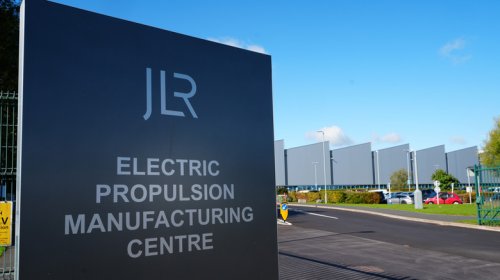
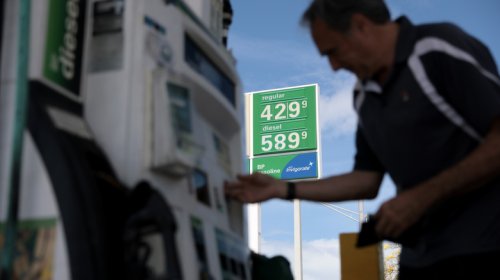
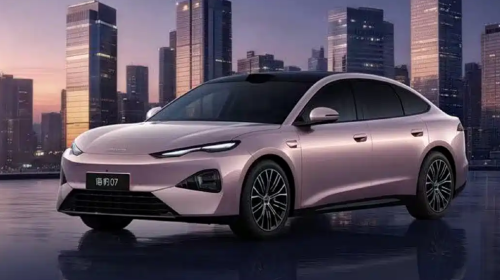
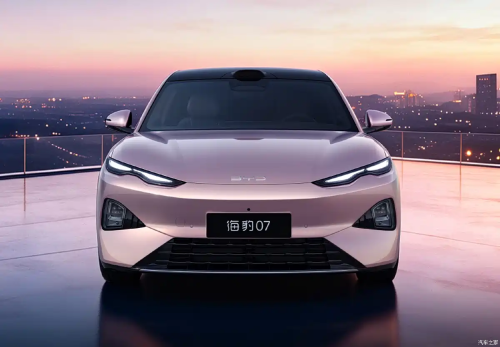
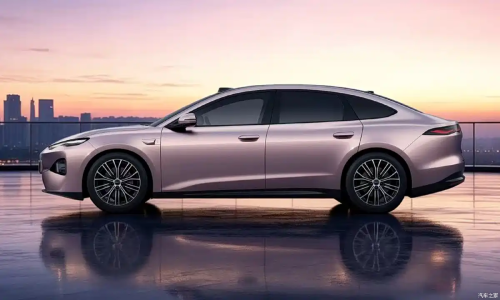
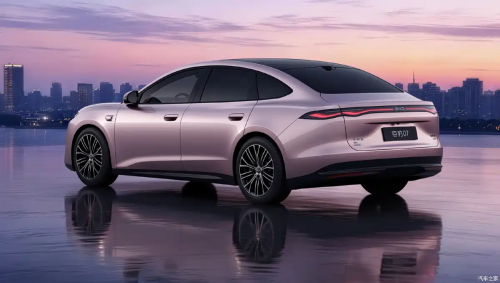
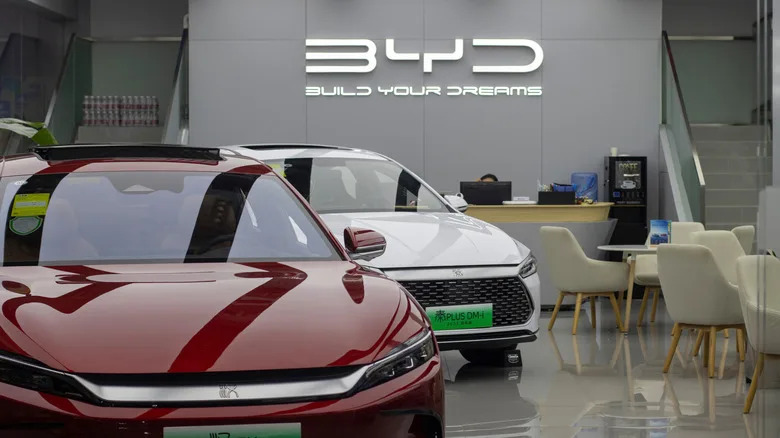
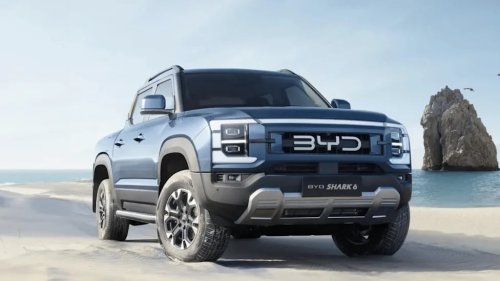
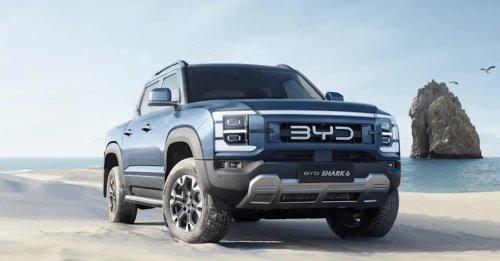
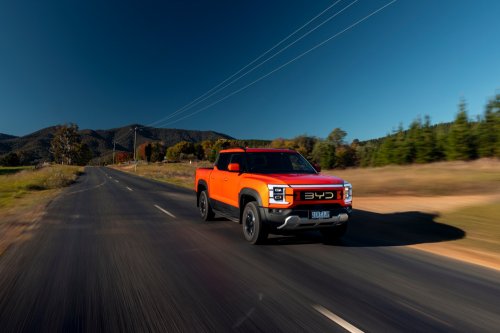
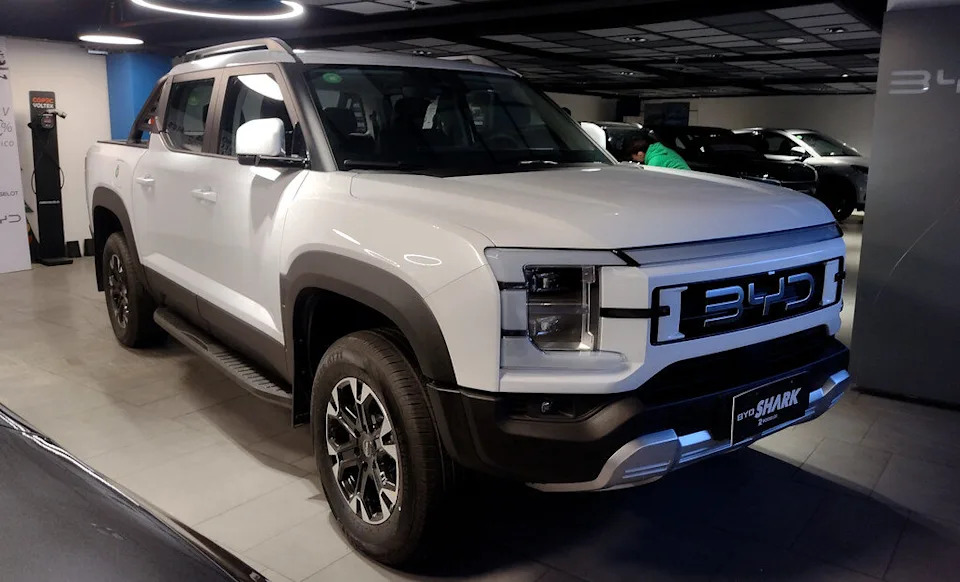
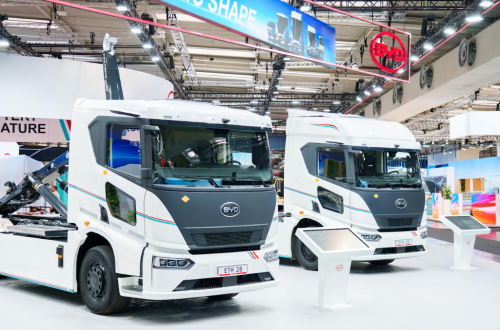
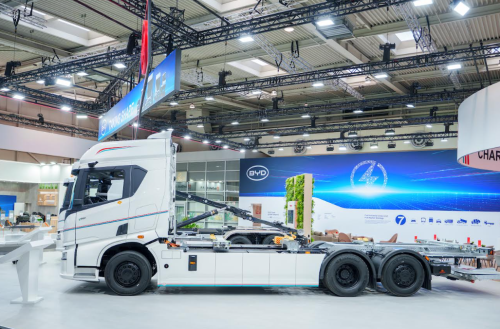
Joe Morris/Getty Images Good morning! It's Friday, April 10, 2026, and this is The Morning Shift, your daily roundup of the top automotive headlines from around the world, in one place. This is where you'll find the most important stories that are shaping the way Americans drive and get around. In this morning's edition, BYD is ready to hit the ground running in Canada, Volkswagen scraps U.S. ID.4 production to make way for more Atlas capacity, Porsche had another rough quarter, and the UK government is giving Jaguar-Land Rover a half-billion-dollar gift to build EV batteries. 1st Gear: China's BYD entering Canda with 20 dealers JHVEPhoto/Shutterstock BYD has been full-steam-ahead ever since Canada gave China approval to import up to 49,000 electric vehicles per year into the country. The automaker says it's opening up 20 sales locations with its partners in 2026 alone, as Canada's government looks toward investments from the Chinese auto industry to reduce dependence on the U.S. Previously, Canada had kept such vehicles out with sky-high tariffs, similar to what the U.S. is doing right now, but those days are over, and the consumer is going to reap all of the benefits. This is the one and only time I'd ever consider a Canadian lucky. From Bloomberg: "The overture of Canada is a very important one," Alfredo Altavilla, a former Fiat Chrysler Automobiles manager who now advises BYD in Europe, said in an interview in Paris. "We immediately took action to establish a sales network there." [...] Last month, BYD said it's actively considering building a factory in Canada, while also keeping its options open to acquire a more established global automaker. The company has also been expanding in Europe, where it's among a range of Chinese brands increasing sales with affordable electric and plug-in hybrid models. In the past, Chinese EVs faced 100% tariffs in China, but that number has been reduced to just 6.1% That massive tariff was first imposed by former Prime Minister Justin Trudeau back in 2024, following a similar move by the U.S. Looking back at 2023 sales numbers, China actually imported 41,678 EVs to Canada, so it seems that the industry is poised to pick up right where it left off. 2nd Gear: VW ends Tennessee ID.4 production for Atlas Volkswagen Volkswagen is sidelining production of its electric ID.4 crossover at its Chattanooga, Tennessee, plant to make way for more Atlas capacity, in another sign that the sky is falling in the world of EVs. Volkswagen says production will officially end at the factory in mid-April, but 2026 model year ID.4s will remain available through current stockpiles and will last into 2027. Perhaps production will make an ID Buzz-style comeback for the 2027 model year, but that remains to be seen. Lest we forget, the German automaker scaled back ID.4 output last September and completely threw in the towel on its ID.7 electric liftback sedan. From Automotive News: U.S. sales of the ID4 rose 31 percent to 22,373 in 2025. However, demand was buoyed by a strong third quarter as shoppers snapped up models before the elimination of federal tax credits in late September. A future version of the ID4 is planned for the North American market, but details, including where that model will be built, will be announced later, the automaker said. The ID4 went on sale in March 2021. U.S. sales peaked in 2023 at 37,789, according to the Automotive News Research & Data Center. Volkswagen spent $7,756 on incentives for each ID4 sold in the first quarter, according to Motor Intelligence. That was less than half the $16,815 it spent a year earlier but nearly the same as in early 2024, when incentives averaged $7,798. [...] U.S. production of the ID4 moved to Chattanooga from Germany in 2022. Local ID4 production was part of an $800 million investment in the Chattanooga assembly plant, which opened in 2011. VW executives heralded the production shift at the time, calling it a new chapter for VW in the U.S. and another milestone for the company's electrification strategy. The ID4 was one of the first mainstream electric crossovers in the U.S., but nagging quality issues plagued the nameplate since its launch. Quality and reliability were problematic, as were headaches with the infotainment system, consumer studies from JD Power found. [...] VW said it informed employees and the UAW about the change. Hourly employees working on ID4-specific roles will be transferred to other positions at the plant based on seniority and in consultation with the UAW, VW said. If the ID.4 does make its grand return, I wouldn't be shocked if it carried a new name. The hot rumor is "ID Tiguan," as Volkswagen is looking to give its electric vehicles real names (thank Christ). But, in any case, the recently redesigned Atlas has now become the crown jewel of Chattanooga. Because of tariff exposure, VW says it's going to prioritize higher-volume models "that support sustained growth in North America." Since the Atlas is the automaker's second-best seller in the U.S., it makes sense that it's getting preferential treatment. 3rd Gear: Porsche cold streak won't end YOUCAR via YouTube It's not a fun time to be in Porsche Land. Well, it is for me, because I'm currently testing a very blue Taycan 4, and it's quite lovely. But, for everyone else, things are bleak. The automaker's deliveries slumped even further in the first three months of 2026, thanks to sharp declines in both China and the U.S. It explains why global deliveries were down 15% in the first quarter to just 60,991 sales. From Reuters: In China, once a major growth engine for the Stuttgart-based carmaker, deliveries fell by 21% amid stiff competition on pricing and technology from local brands. Porsche reported a 10% drop in deliveries to North America, driven partly by the discontinuation of U.S. tax incentives for electric vehicles, according to a company statement. Porsche pivoted back to combustion engine models and delayed the launch of some all-electric vehicles last year as demand sagged, at a cost of 1.8 billion euros ($2.1 billion) to earnings. [...] The first-quarter figures, which were impacted by the discontinuation of Porsche's combustion-engine 718 models and a strong prior-year period for the all-electric Macan, were "overall in line with our expectations", board member for sales Matthias Becker said. At the very least, sales in Germany were up 4%. Please just ignore the fact they were down 18% in Europe as a whole. To deal with mounting issues, newly installed CEO Michael Leiters has pledged a hell of a lot of cost cutting to go along with a slew of new models. 4th Gear: JLR gets $500 million subsidy for a battery factory Christopher Furlong/Getty Images The British government is giving Jaguar-Land Rover owner Tata a £380 million (roughly $510 million) grant for a new battery factory that's set to be built in southwest England. When all is said and done, it'll be one of the largest of its kind in all of Europe and will mean 4,200 jobs, along with thousands more in the supply chain. While I'm all for investment in battery technology and things that keep people employed, it does sound like a hell of a lot of money for a company that can barely produce EVs as it is. From Bloomberg: Prime Minister Keir Starmer's Labour government is seeking to deliver on a pledge to boost economic growth and spur private investment in industries of the future, and has identified eight key sectors to drive productivity growth, including advanced manufacturing such as the plant for Tata's Agratas. The UK car industry has been in a state of steady decline, and Britain is trying to build up its battery-making capacity to compete in EV production against the likes of China, the US and European Union. The government "is providing investors the stability and confidence they need to plan not just for the next year, but for the next 10 years and beyond," Business Secretary Peter Kyle said in the statement. The funding "will help ensure advanced manufacturing remains a thriving sector in the UK for decades to come." Despite Kyle's words, business groups have accused ministers of stifling growth by raising taxes for employers and introducing a raft of new regulations on working rights. They've also complained about high energy costs exacerbated by the conflict in Iran, and on Thursday, OpenAI said it is pausing its Stargate artificial intelligence infrastructure project in the UK, citing the need for the right regulation and cost of energy. Digital and Technology — including AI — is another of the sectors the government has identified as a priority. When the factory is finished, it's expected to provide 40 gigawatt hours worth of batteries each year. That works out to being about enough to supply half a million vehicles. Initially, all of the supply will go to cars built by JLR, but it may end up selling them to other manufacturers in the future. Reverse: Best to ever do it History.com It blows my mind how prolific The Beatles were. I mean, they put out all of their albums between 1963 and 1970. In totality, the four of them were together for less than eight years. It's just preposterous. Then, to think about how much their sound transformed in that short period is equally mind bogging. Of course, I would have loved if they stuck together longer, but at least they all (I guess Ringo, too) went on to have amazing solo careers. George's was the best, though, and it's not particularly close. Anyway, if you want to learn more about their breakup, head over to History.com. The Fuel Up Joe Raedle/Getty Images Friends, for the first time in a long time, I come bearing good news. It seems the U.S. and Israel's tenuous two-week ceasefire and the partial reopening of the Strait of Hormuz have helped to lower gas prices ever so slightly. WTI Crude Oil futures and Brent Crude are still hovering in the mid-to-high-$90 range, but that's neither here nor there right now. I'll tell ya why: it's because the average price of a gallon of gas actually decreased overnight by two whole cents, and I couldn't even guess as to the last time that happened. Now, a gallon of gas will cost, on average, $4.15 — down from $4.17 yesterday, according to AAA. Obviously, that's still not great, but any improvement is an improvement. For those who are curious, the last time gas was over $4.15 per gallon (other than yesterday) was back in July of 2022, according to data from the Energy Information Administration. The average price of a gallon of gas is now up $1.17 — or about 32.8% — since the war first broke out on February 28, when it was $2.98. Hopefully, we'll see this downward trend continue. On the radio: Patti Smith Group - Because the Night I can't tell you why exactly, but this song has been plopped in my head for about three days now. I'm not saying it's a bad thing, because it's a fabulous song, but I would like to think about something else. It also doesn't help that I don't know that many of the words, so it's pretty much just the chorus over and over again. Perhaps a weekend of not staring at my computer can help distract me.



















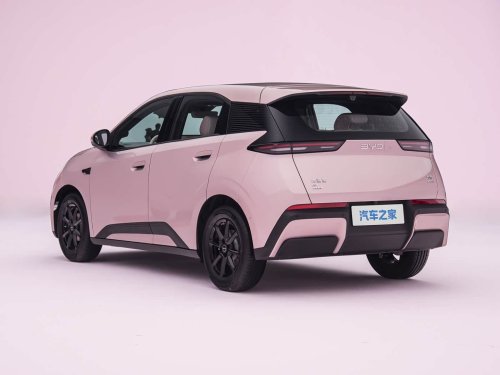
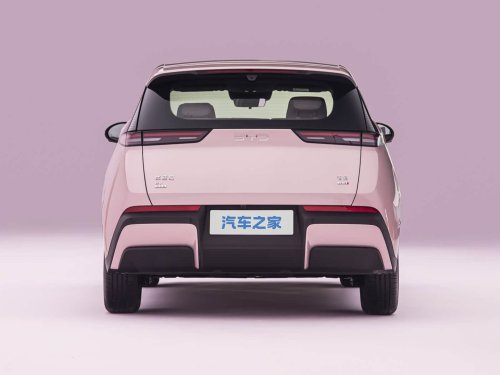
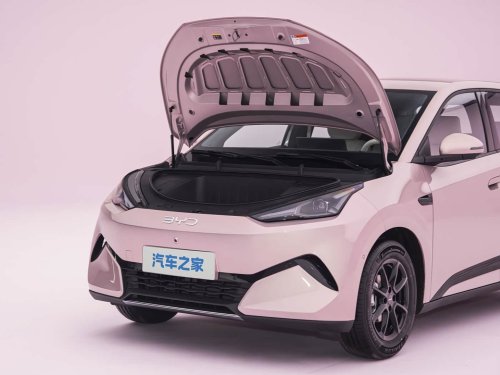


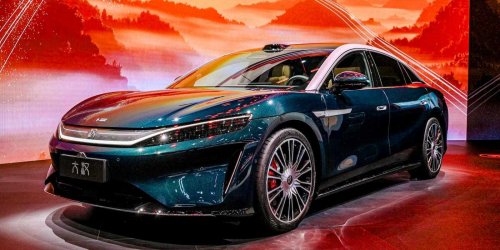
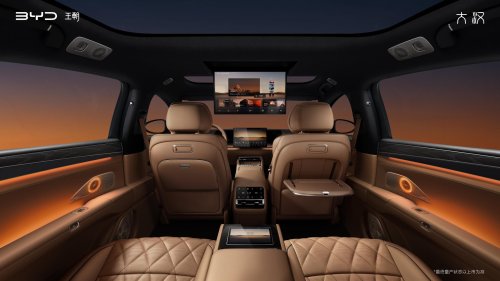
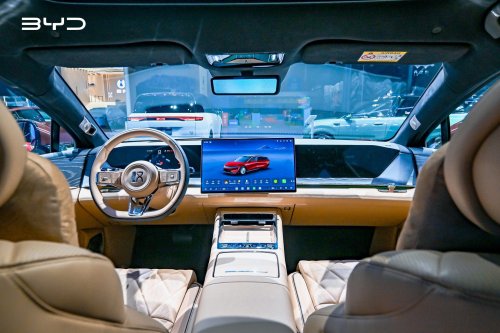
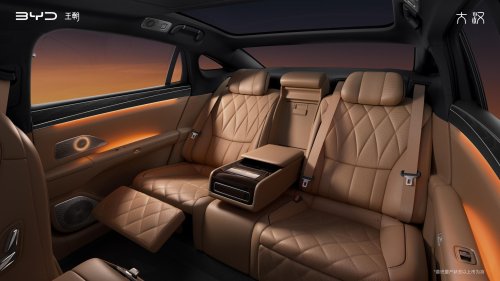
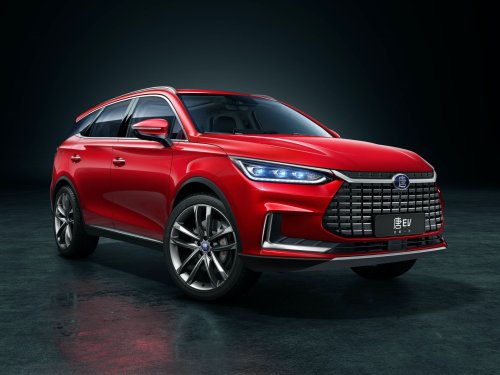
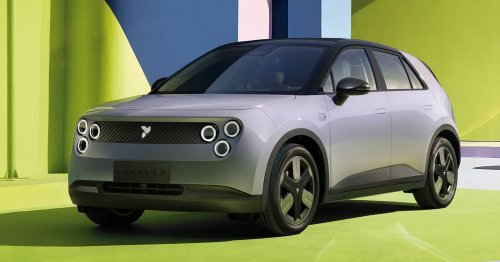
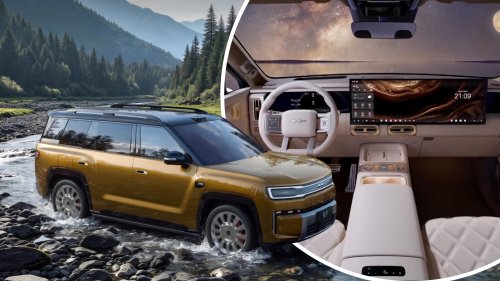
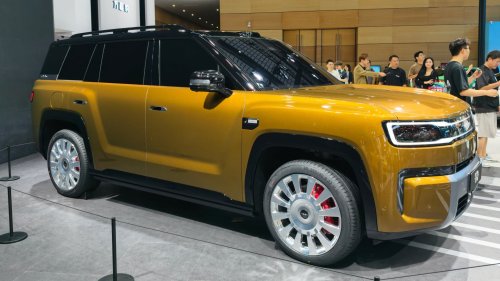


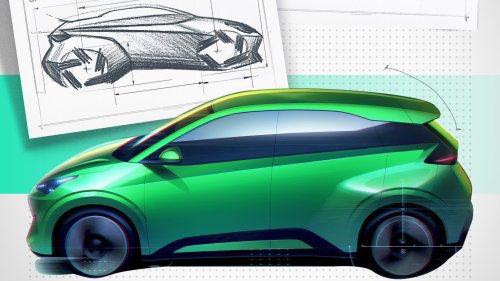
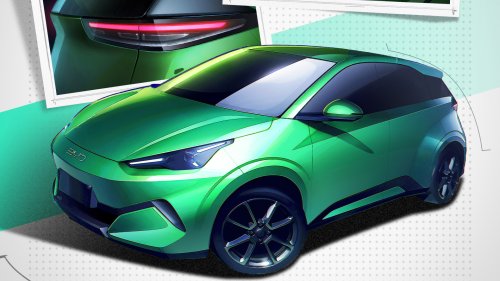
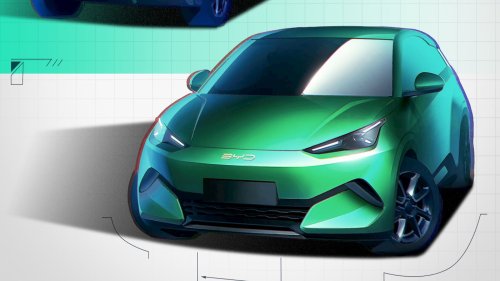
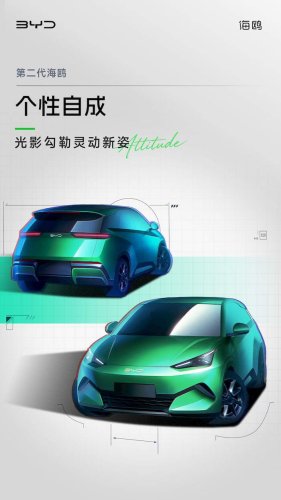
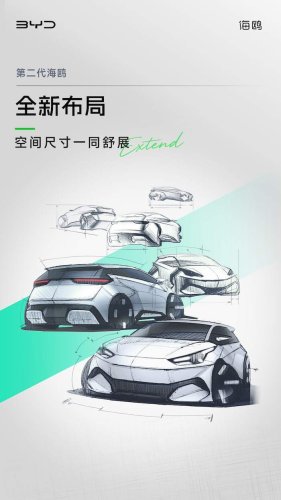
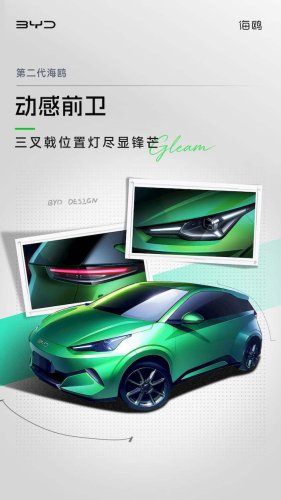
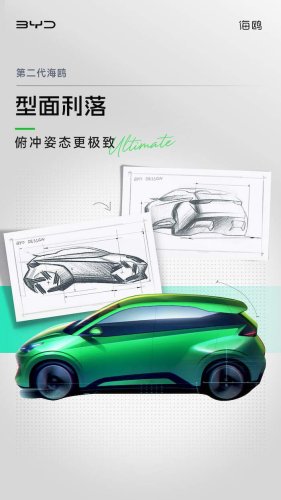
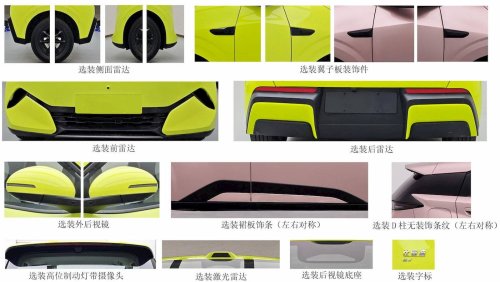

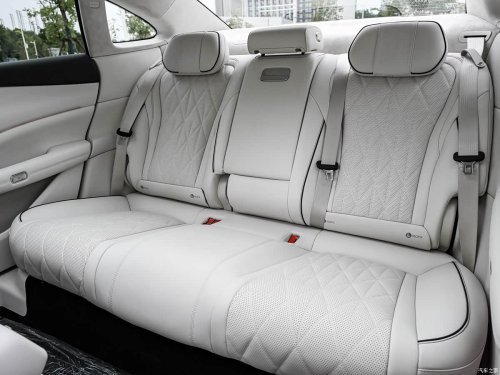
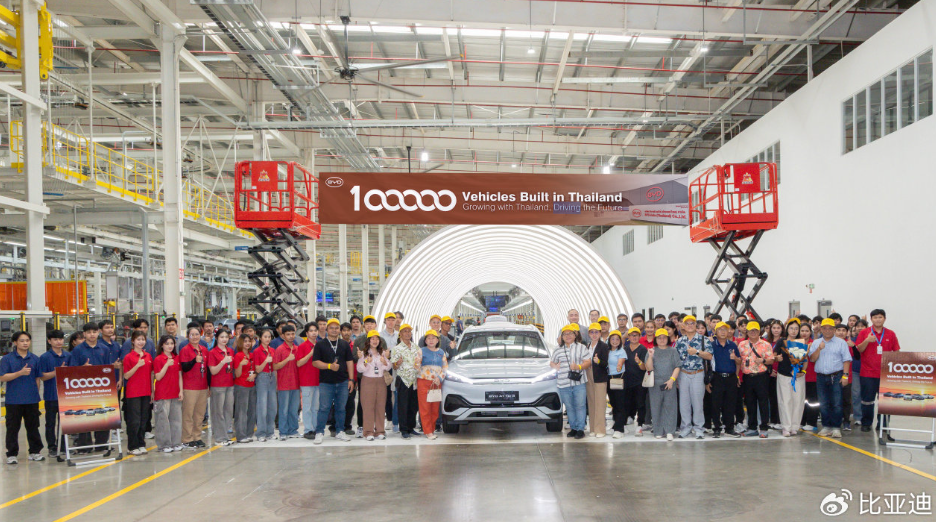
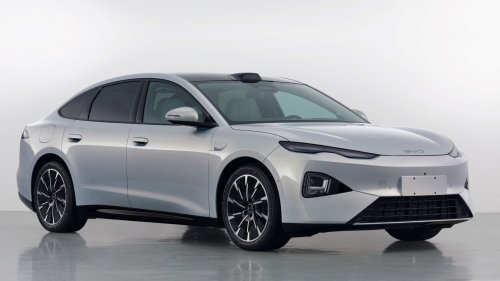
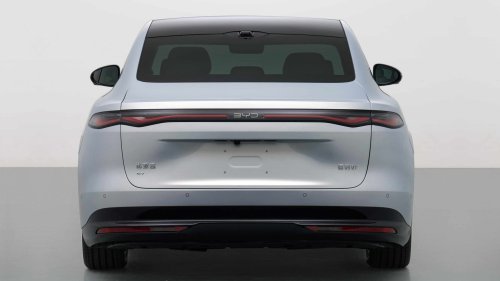
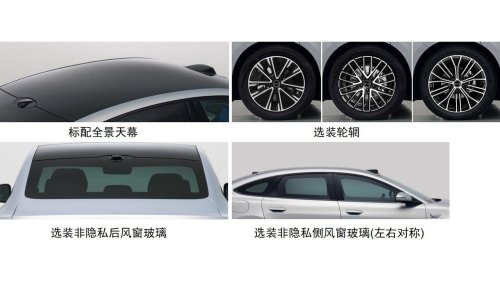
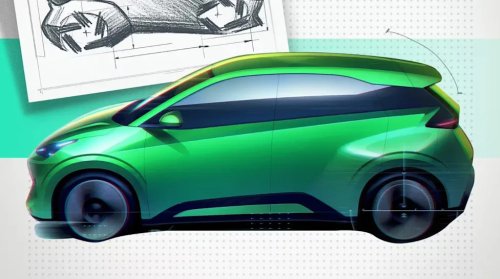
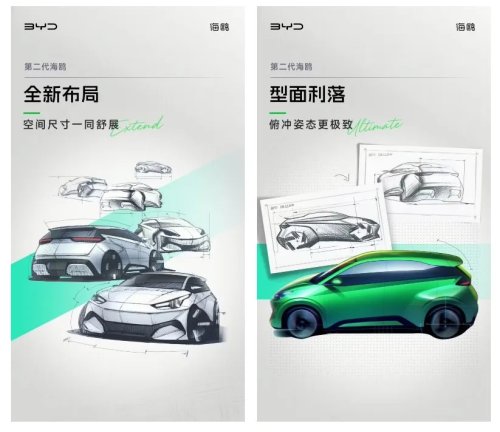
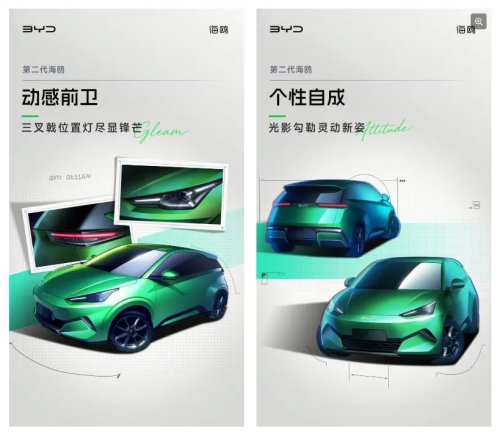
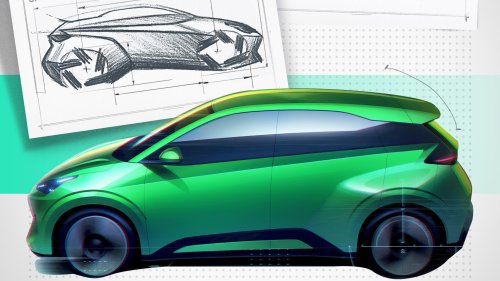
![BYD, BYD Seagull, BYD offers a closer look at the new Seagull EV [Images]](https://cdn.topcarnews.net/thumb/id/aHR0cHM6Ly9pMC53cC5jb20vZWxlY3Ry-ZWsuY28vd3AtY29udGVudC91cGxvYWRz-L3NpdGVzLzMvMjAyNi8wOS9CWUQtbmV3-LVNlYWd1bGwtRVYtdXBkYXRlLmpwZWc_-dz0xNTAwJmFtcDtxdWFsaXR5PTgyJmFt-cDtzdHJpcD1hbGwmYW1wO3NzbD0x/9c0b758dc4a218f611566b2a03c52e8a.jpeg?t=20261004&post_id=64651)
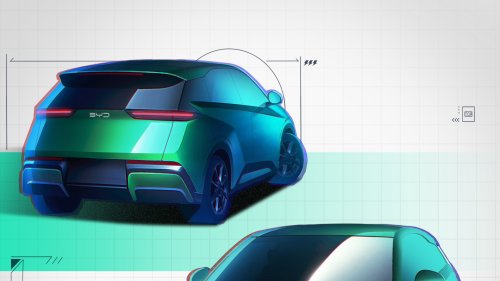
![BYD, BYD Seagull, BYD offers a closer look at the new Seagull EV [Images]](https://cdn.topcarnews.net/thumb/id/aHR0cHM6Ly9lbGVjdHJlay5jby93cC1j-b250ZW50L3VwbG9hZHMvc2l0ZXMvMy8y-MDI2LzA5L0JZRC1uZXctU2VhZ3VsbC1F-Vi0xLmpwZWc_c3RyaXA9aW5mbyZhbXA7-dz03MDA/9f44752c6c4b6208b3a29d7e2ceaf455.jpeg?t=20261004&post_id=64651)
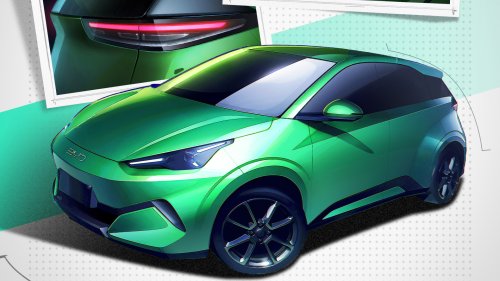
![BYD, BYD Seagull, BYD offers a closer look at the new Seagull EV [Images]](https://cdn.topcarnews.net/thumb/id/aHR0cHM6Ly9lbGVjdHJlay5jby93cC1j-b250ZW50L3VwbG9hZHMvc2l0ZXMvMy8y-MDI2LzA5L0JZRC1uZXctU2VhZ3VsbC1F-Vi0zLmpwZWc_c3RyaXA9aW5mbyZhbXA7-dz03MDA/53e754be2aacba076b7b389ef9413f41.jpeg?t=20261004&post_id=64651)
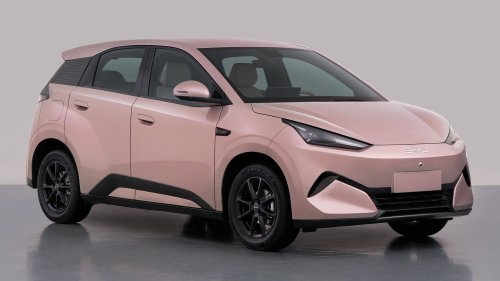
![BYD, BYD Seagull, BYD offers a closer look at the new Seagull EV [Images]](https://cdn.topcarnews.net/thumb/id/aHR0cHM6Ly9lbGVjdHJlay5jby93cC1j-b250ZW50L3VwbG9hZHMvc2l0ZXMvMy8y-MDI2LzA5L0JZRC1uZXctU2VhZ3VsbC1F-Vi5qcGVnP3N0cmlwPWluZm8mYW1wO3c9-NzAw/3b0cb7f441d090c464769d93120d8543.jpeg?t=20261004&post_id=64651)
![BYD, BYD Seagull, BYD offers a closer look at the new Seagull EV [Images]](https://cdn.topcarnews.net/thumb/id/aHR0cHM6Ly9lbGVjdHJlay5jby93cC1j-b250ZW50L3VwbG9hZHMvc2l0ZXMvMy8y-MDI2LzA5L0JZRC1uZXctU2VhZ3VsbC1F-Vi0yLmpwZWc_c3RyaXA9aW5mbyZhbXA7-dz03MDA/ea2b4ebf38c4e9bf732d179d639b1562.jpeg?t=20261004&post_id=64651)
![BYD, BYD Seagull, BYD offers a closer look at the new Seagull EV [Images]](https://cdn.topcarnews.net/thumb/id/aHR0cHM6Ly9lbGVjdHJlay5jby93cC1j-b250ZW50L3VwbG9hZHMvc2l0ZXMvMy8y-MDI2LzA3L0JZRC1TZWFndWxsLUVWLXVw-ZGF0ZS0zLmpwZWc_c3RyaXA9aW5mbyZh-bXA7dz0xNDAw/02a0f7b5011767092a1ea11a79495fc7.jpeg?t=20261004&post_id=64651)