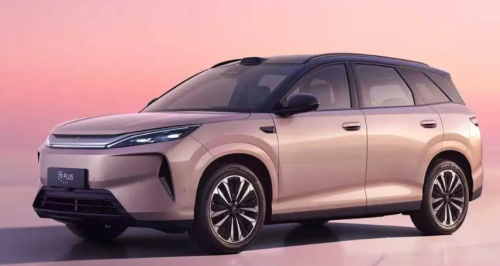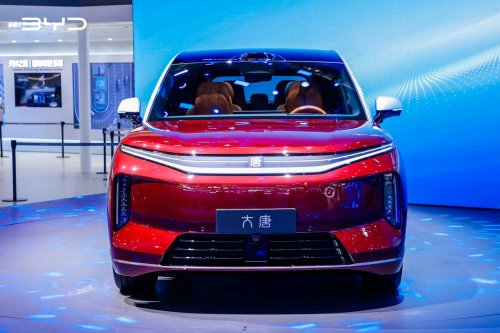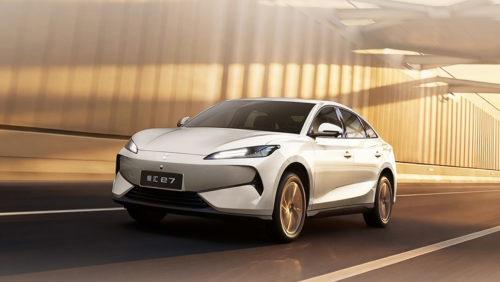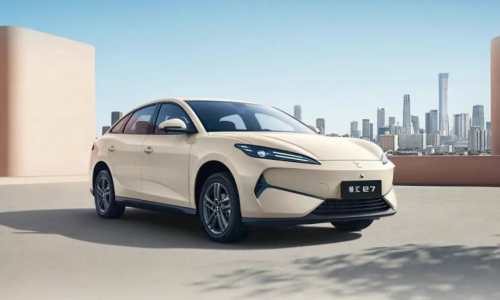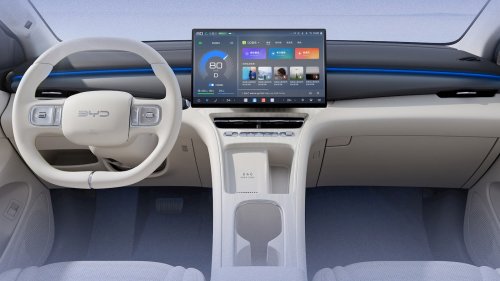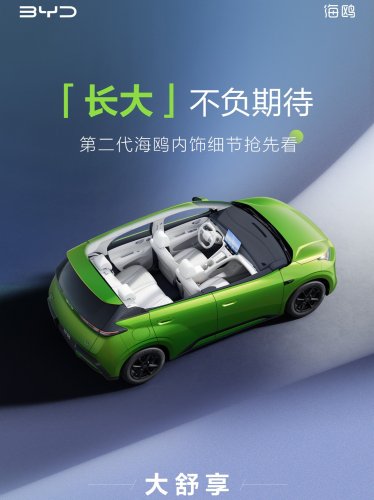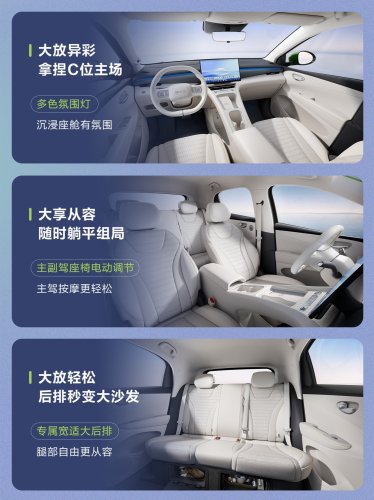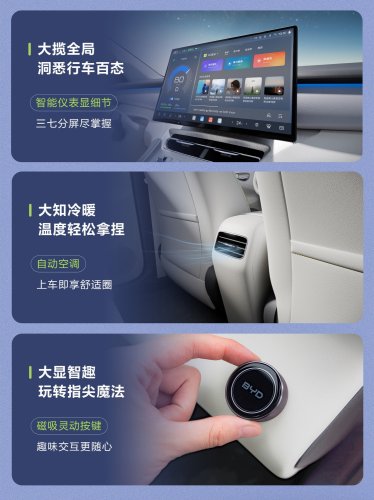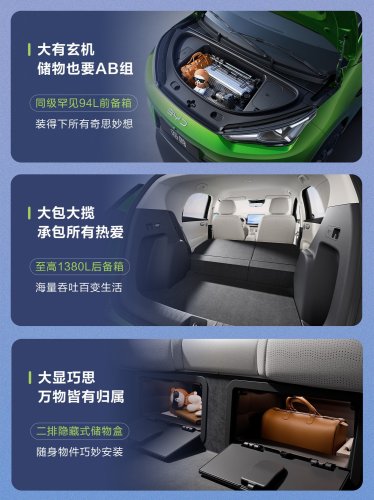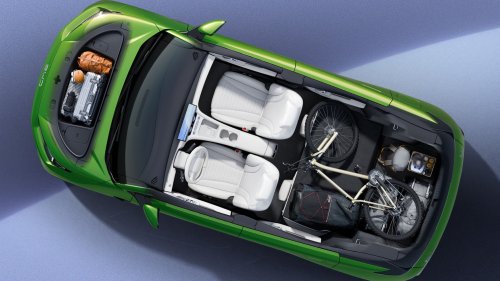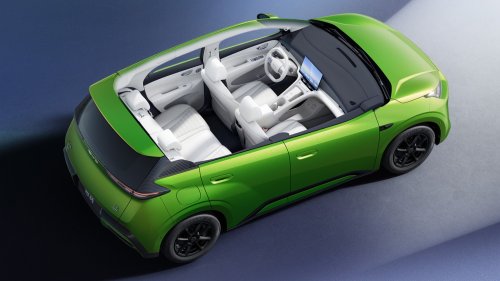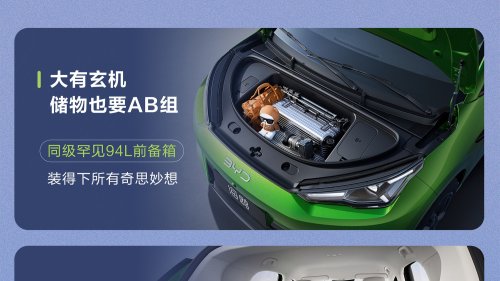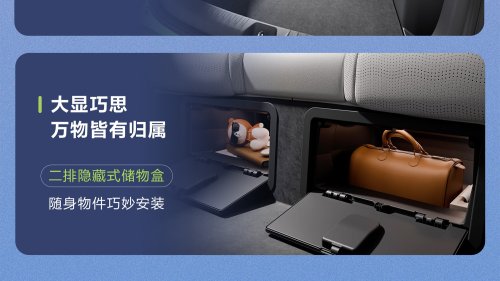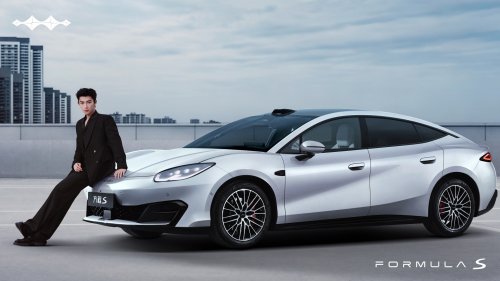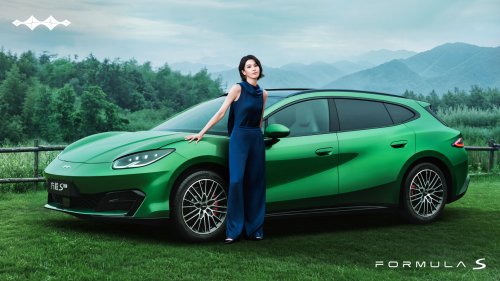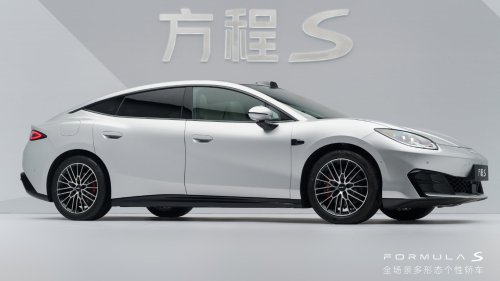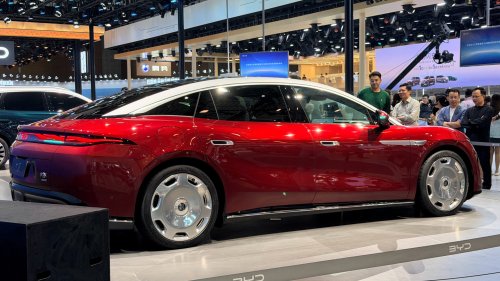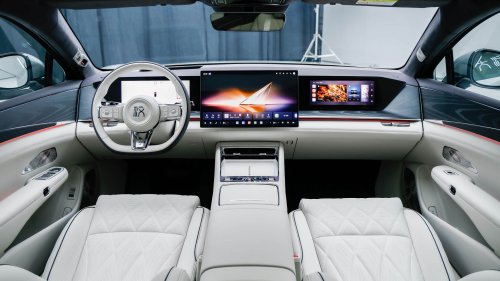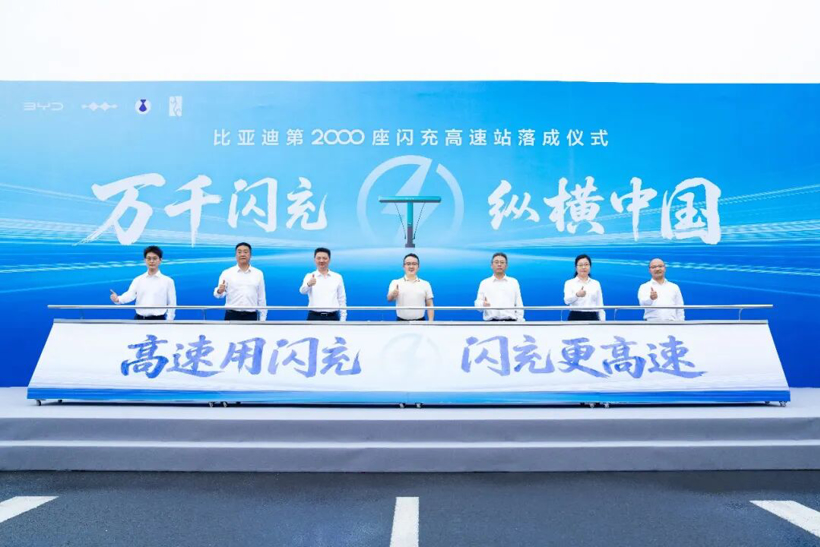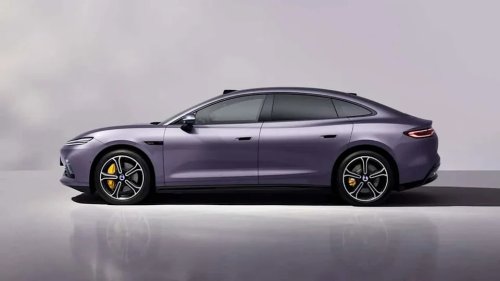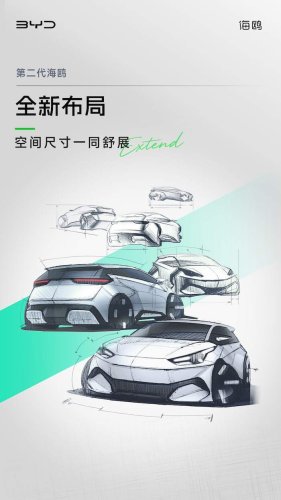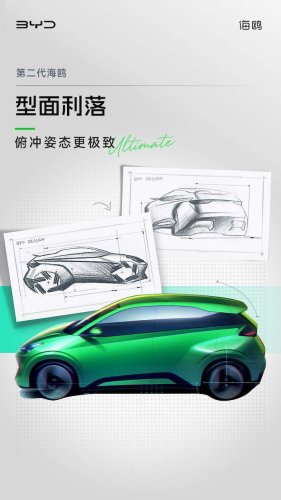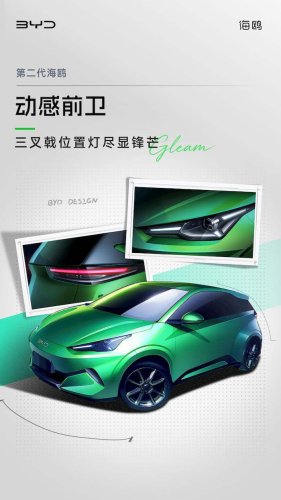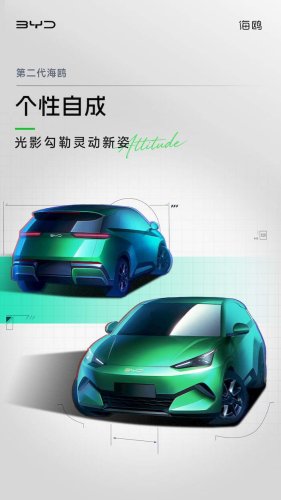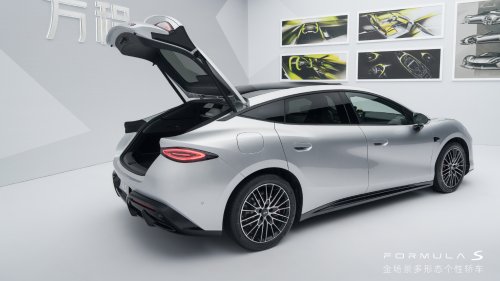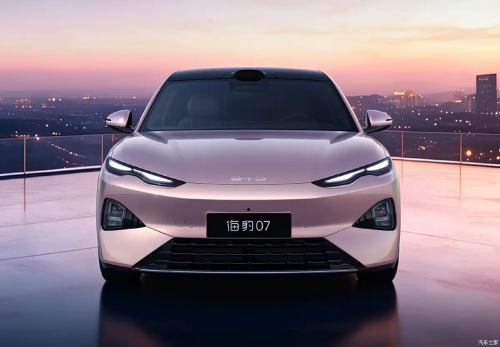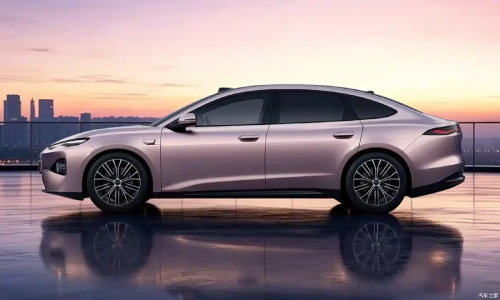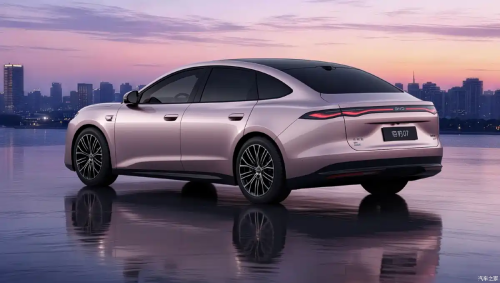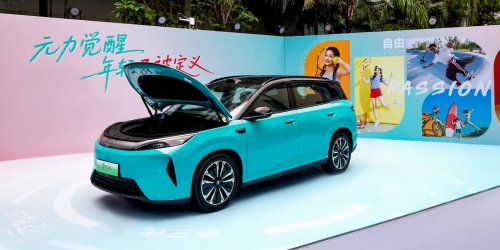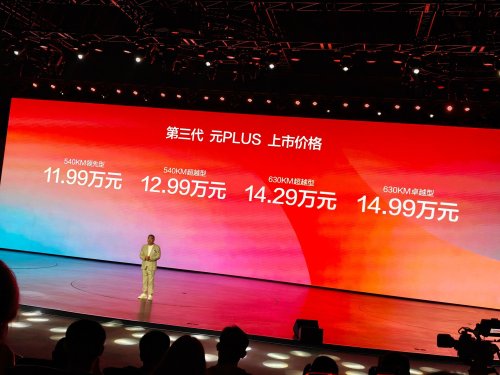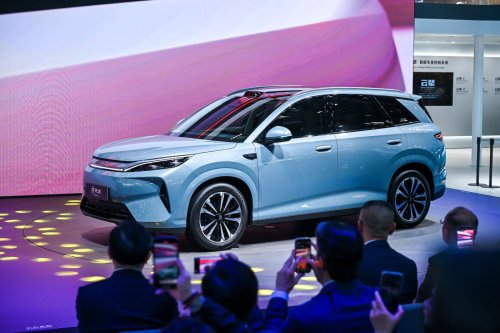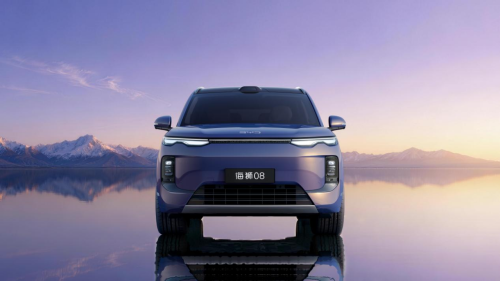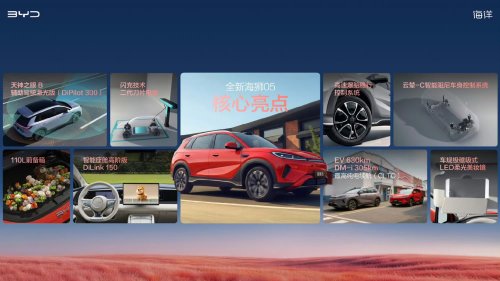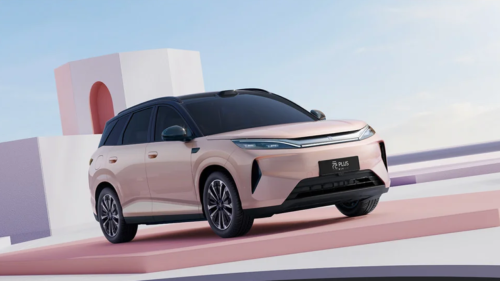
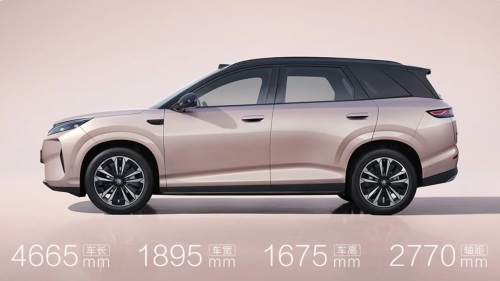
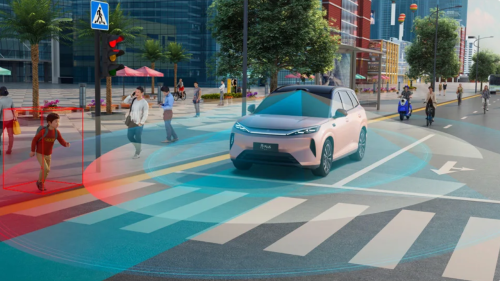
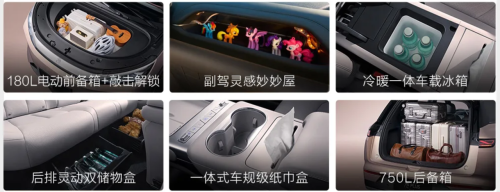
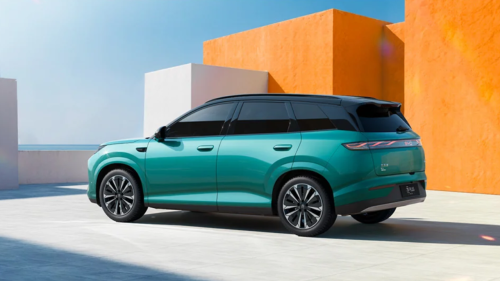
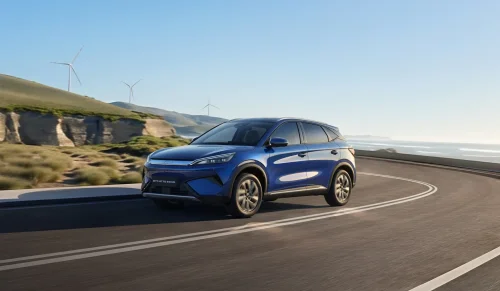
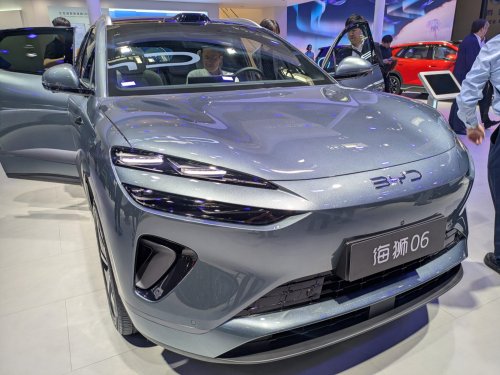
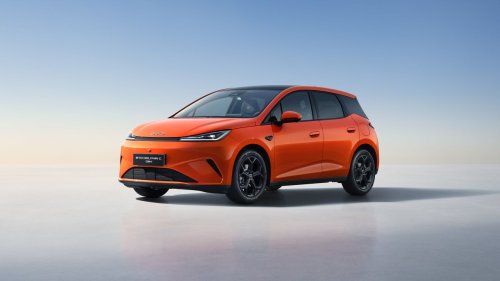
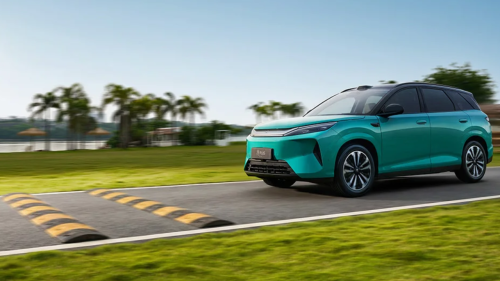



















BYD’s new Yuan Plus recently went on sale in China. The previous generation of this model has been sold globally as the ATTO 3. The new Yuan Plus switched to a new rear wheel drive platform and added flash charging capability (5 min 10-70%, 9 min 10-90%) from the new Blade Battery 2.0. It also added Disus-C active damping and now offers LiDAR-equpped ADAS (big announcement today). Range increased to 540 km in base spec and 630 km in upper trims, while power increased to 200 kW (268 hp) and 240 kW (322 hp), respectively. Both represent larger numbers in base trim than the previous generation top trim models in China. Meanwhile, prices stayed stable at 119,900 to 149,900 RMB ($17,646 to $22,061). The Yuan Plus also grew 210 mm longer (4665 mm long × 1895 mm wide × 1675 mm tall, 2770 mm wheelbase). Image Credit: BYD That size puts it in the global sweet spot between the bestselling car for 2024/2025 (Toyota RAV4/Wildlander) and the bestselling car for 2023 (Tesla Model Y). Compared to the Toyota, the new Yuan Plus is more powerful, larger, better equipped and more technologically advanced. However, the Yuan Plus is also less expensive than either the hybrid or ICE Toyota in China, especially when you try to reach similar levels of equipment. Considering that the more advanced Yuan Plus replenishes its range as fast as the RAV4 can refuel, can recharge at home and costs less to buy and operate, you would really need to be an ICE and Toyota loyalist to still pick the RAV4. Image Credit: BYD Compared to the standard RWD Tesla Model Y in China, the Yuan Plus is a little shorter but taller, offers a bit more power and the same 5.9 s acceleration to 100 km/h. The Yuan Plus offers 47 km more range when both are measured under CLTC and charges dramatically faster. Image Credit: BYD It also has a larger 180 l frunk, added storage under the rear seat and 750 l of capacity behind the rear seats. That rear cargo capacity number is a little smaller than what Tesla claims for the Model Y, but because Tesla uses their non-standard measurement up to the roof, it is likely roughly equivalent. However, the Yuan Plus includes intelligent driving and offers more equipment than the standard RWD Model Y. It also is well below the Tesla’s starting price of 263,500 RMB ($38,866) in China. And the top Yuan Plus is less than half the 327,500 RMB ($48,300) price of the Y when including Tesla Driver Assist (can’t call it FSD in China). Image Credit: BYD Globally Relevant Vehicle With Currently Limited Availability Overall, the Yuan Plus seems like a compelling mainstream vehicle. While it is by no means an enthusiast vehicle, it did attract a lot of people on the BYD stand at the Beijing Auto Show to the point that I wasn’t able to get a good shot while I was there. If the price had a similar relationship to the competition in other markets, it would undoubtedly sell well. But that brings up the question: when might we see this model outside of China? ATTO 3 EVO Image Credit: BYD In Europe, the previous Yuan Plus /ATTO 3 was updated earlier this year to the “ATTO 3 EVO,” with RWD and an increase in power. However, that car still has the original Blade Battery. There have been several discussions around trying to force localization of battery production in Europe. Highly automated manufacturing of heavy, bulky products will tend to happen naturally over time. However, trying to force it, especially when technology sharing requirements are included, tends to leave markets with previous-generation technology. It still may be better than what is available from competitors, but the market becomes less competitive. If those measures are successful, Europe would be less likely to get the latest tech in the near term. Only more premium vehicles that have large enough margins to eat the added cost associated with importing around the localization measures (Yang Wang, Denza) would be likely to get the most advanced batteries. Given the depth of the EVO update, there is a strong indication that the ATTO 3 could be around for a while with the older Blade Battery. Meanwhile, my friend Richard Edwards broke the story that BYD will bring the new Yuan Plus to New Zealand in 2027 as the ATTO 5. According to BYD, it will replace the ATTO 3 in their local lineup but uses the new designation to signify the increase in size and capability. It remains to be seen when the ATTO 5 will arrive in 2027 or what the specifications will be. New Zealand is a fairly small car market and is right hand drive, like Hong Kong and Singapore. However, it has a streamlined approval process and a range of driving conditions. Drivers there get vehicles that many in the US can only dream about. In some ways, it is the perfect test market for new models. I would keep an eye on New Zealand. It could show a glimpse of the future for Australia and even the UK. However, with the speed of progress in China, a lot can change before a 2027 launch, and BYD still needs to meet Chinese demand. Supply Constraints Currently, BYD is supply constrained for its new “Flash Charging” vehicles. Many of the initial vehicles being launched also have large batteries, which presents an even larger challenge to ramp up second generation Blade Battery production. Fang Cheng Bao is facing supply shortages and delays for the smaller Ti 3, and the mass deliveries of their larger models will not happen until June, despite being revealed several months earlier. Denza is also facing tight supply. Despite having over 100,000 preorders for the new BYD Datang, the sales launch of that vehicle has been pushed back due to battery supply limitations. With the demand for more premium vehicles launched earlier taking up so much supply, I anticipate the Yuan Plus may take a while to ramp up in China. Sealion 06. Photo by Larry Evans BYD is also introducing several updated DM-i models this week. For example, the Sealion 06 is now offered with 205 km of range in base configuration and 310 km in top configuration, as well as having significant technology and equipment upgrades. For comparison, the Sealion 06 launched in July 2025 with 122 km of range base and 170 km in top trim. Then it was updated a few months later to offer 132 km in base trim and 205 km in top trim. Now, the previous top trim driving range is the base trim, and the top trim has increased over 50%. However, these models still have the first-generation Blade Battery, unlike the new BEV version of the Sealion 06. Nevertheless, the battery capacity has increased to the point where daily commuting can easily be done on electricity alone, which may attract more buyers. Combined with the smaller battery, the updated PHEV could take pressure off of Blade Battery 2.0 production. However, other BYD PHEV models do have the Blade Battery 2.0 and Flash Charging, and you have to wonder if another Sealion 06 update will happen once battery production ramps up. Dolphin G. Image Credit: BYD Meanwhile, Europe still gets the first-generation Blade Battery for mainstream vehicles. BYD recently previewed the new Dolphin G DM-i, designed especially for Europe. Initial indications are that this will be less capable than their cars in China, but more capable than what is available in this segment in Europe. As a reminder, BEVs are hit with higher tariffs in the EU, while PHEVs are not, influencing the product mix. As individual European markets are relatively small, EU policy has an impact on non-EU countries in the region. Being better than the current competition is good enough to fuel growth. However, if trade policy opens and forced localization is avoided, competition could intensify. Europe could soon see increased demand for more advanced EVs, and BYD would need greater supply of their new batteries to stay competitive. Image Credit: BYD BYD Needs Speed When discussing BYD, we often talk about how fast it is. 18-month product development cycles are a fraction of traditional automakers. Product updates and introductions are hard to keep up with. Refreshes are happening at the speed of cell phones. BYD recently announced that they will be the first company in China to offer a 4nm Intelligent Driving chip. But BYD is in the middle of its largest product transition since the launch of the original Blade Battery in 2020. Existing models have been largely depleted, and many people are waiting for the next generation vehicles to become available. Sales in China have suffered in recent months due to the transition. BYD needs to ramp up their new batteries and new models quickly. Customers in China know that better vehicles are on the way. Due to MIIT filings, we have known that a new Yuan Plus was on the way for months. Osborne effect is having an impact. While Chinese customers wait for models like the delayed Datang with a 100,000+ order backlog, they may start looking at options like the XPENG GX, although that model is also in short supply. Battery supply is holding back BYD’s current flash charging advantage in the market, and new CATL-powered mainstream vehicles are on the way to provide competition. However, the world could also use these new, more capable vehicles now. Rising oil prices and supply disruptions add to the sense of urgency. The new EVs increasingly provide more technology, build quality, comfort and performance for less money than legacy ICE. And, they now charge as fast as ICE can refuel, removing one of the last hesitations for some people to make the switch. That is especially the case where BYD is rolling out flash charging infrastructure, which is moving fast, but also could move even faster. Models like the new Yuan Plus have a large potential market globally. They might not be the most exciting or luxurious segment, but they represent the most important mainstream vehicle segment globally. Once Chinese supply is filled, BYD has an opportunity to look at broader markets. If customers have more compelling EV options available, they will be more likely to choose EVs. And if BYD can bring them those vehicles ahead of the competition, the growth potential is massive.