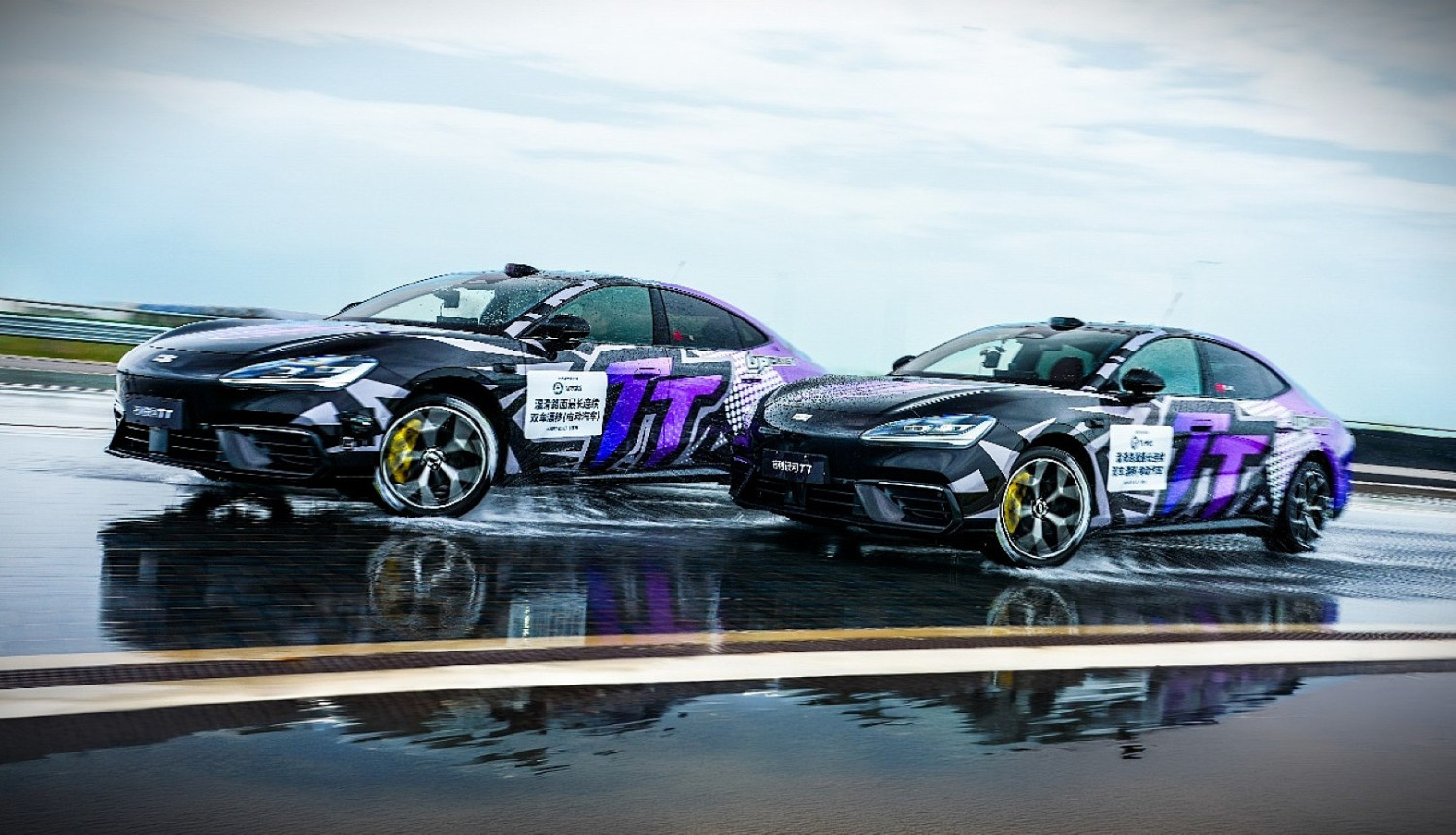
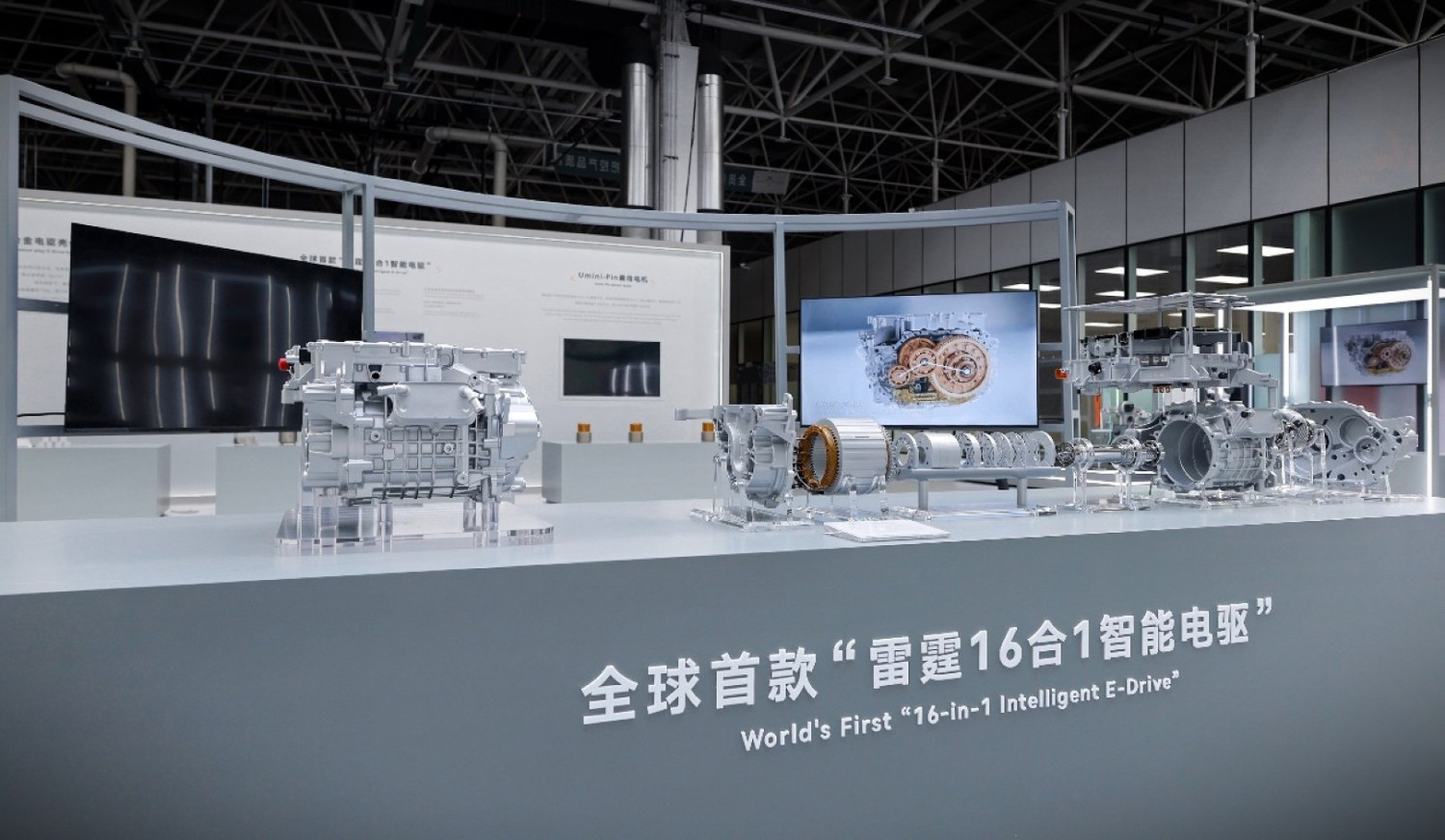
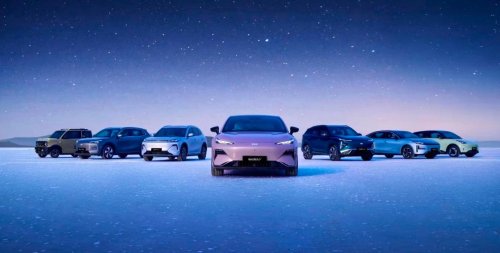
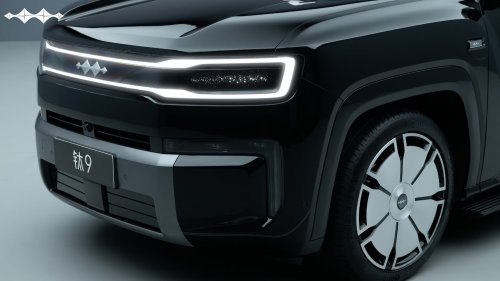
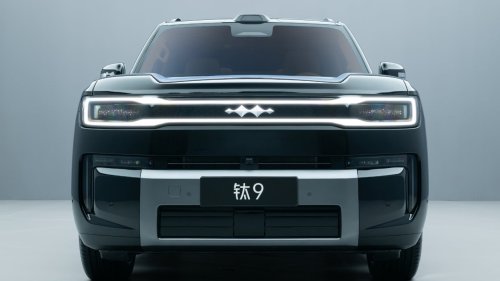
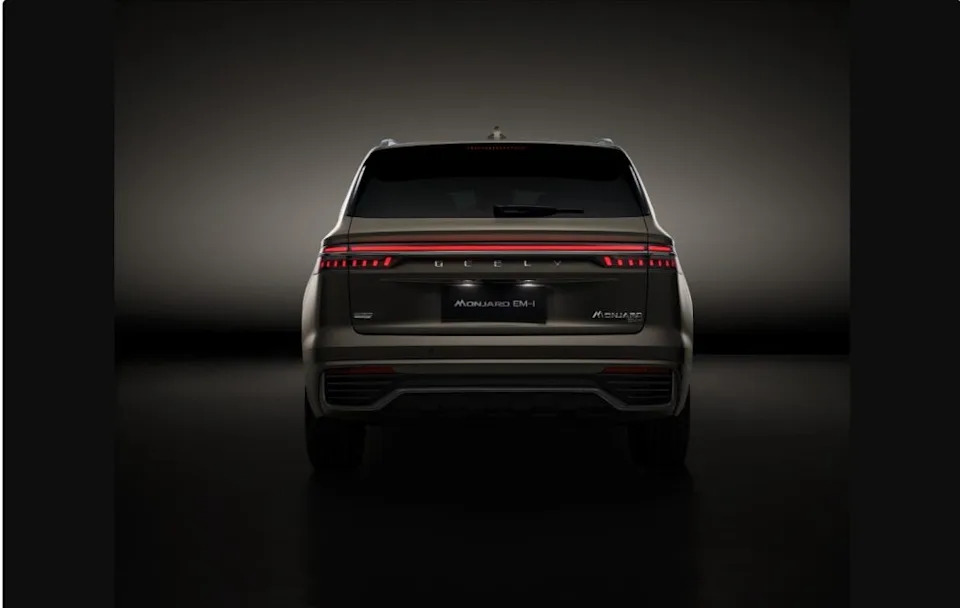
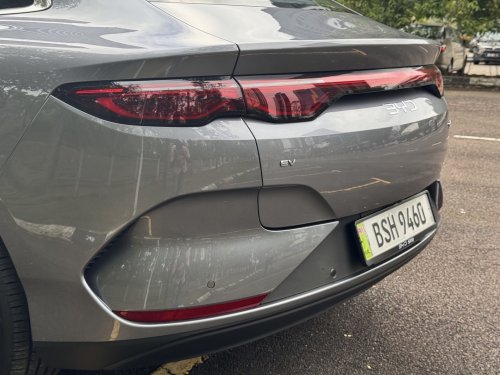
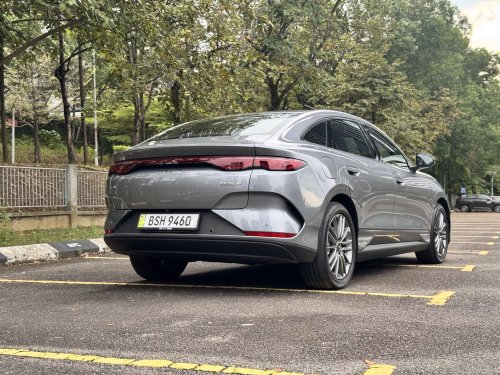
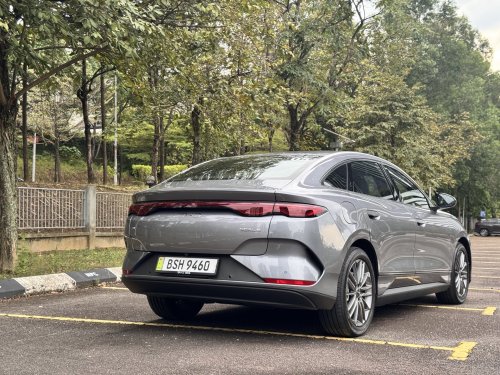
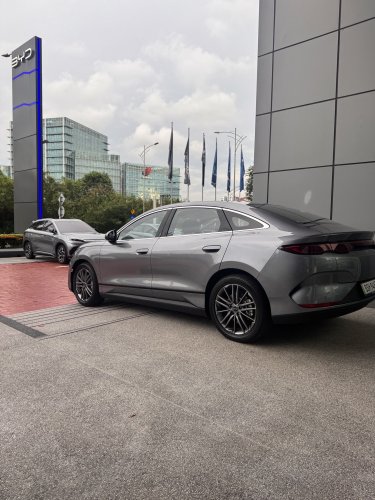
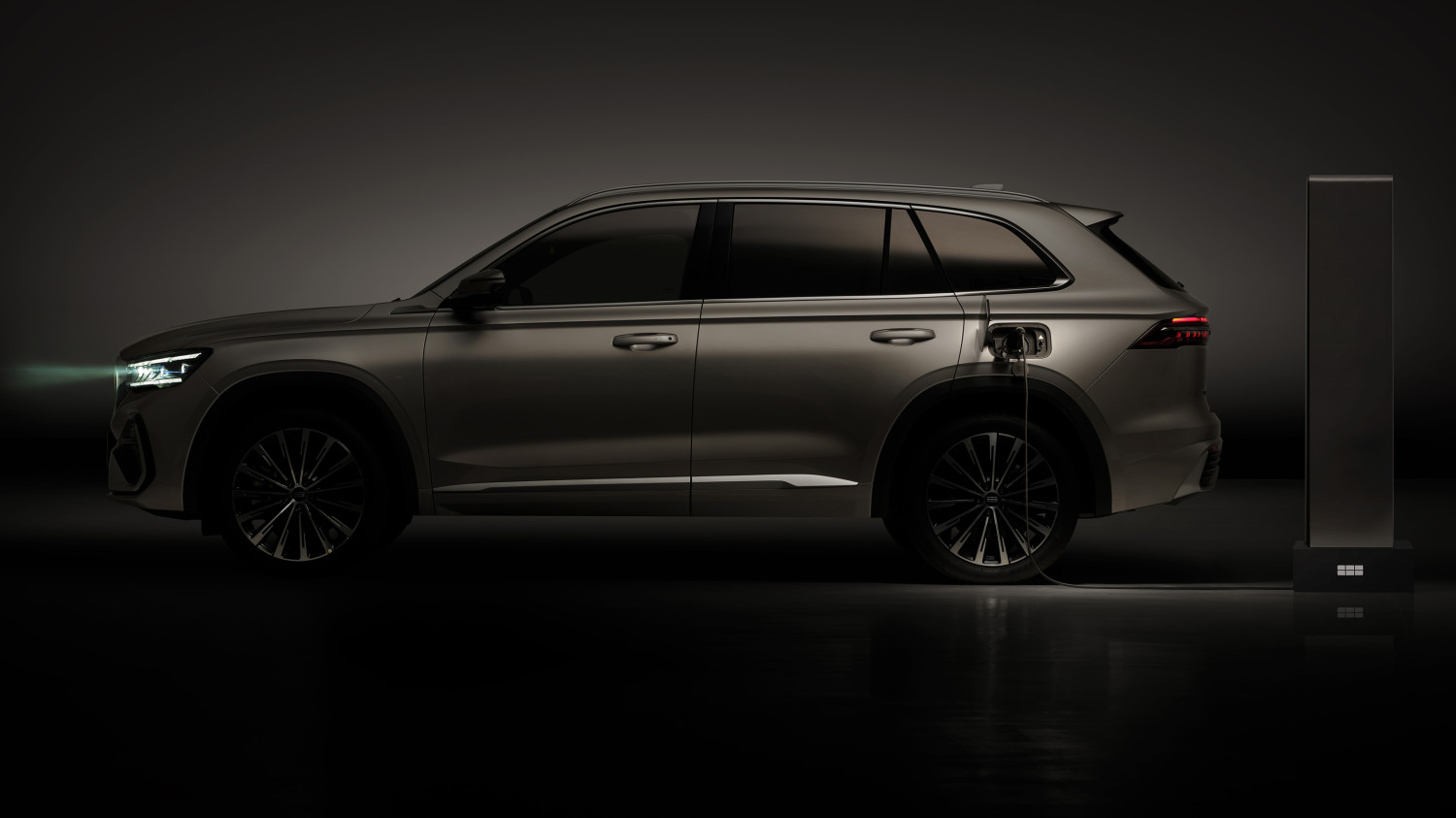
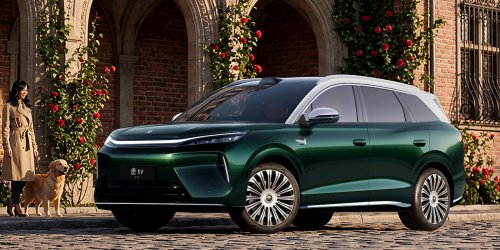
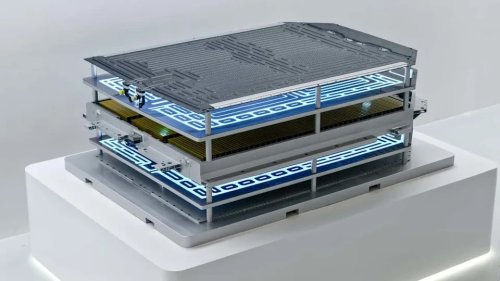
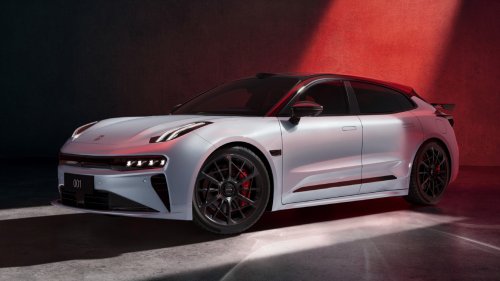
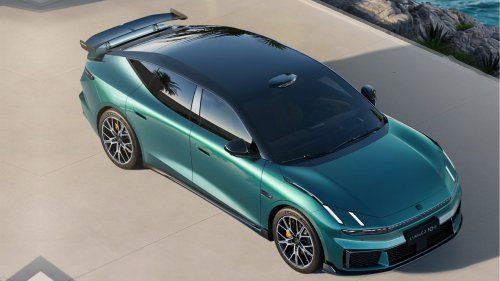
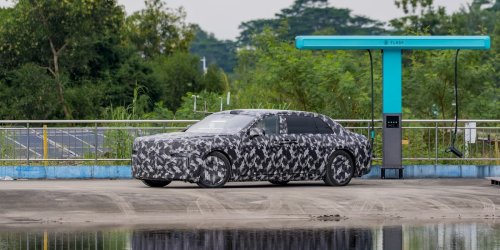
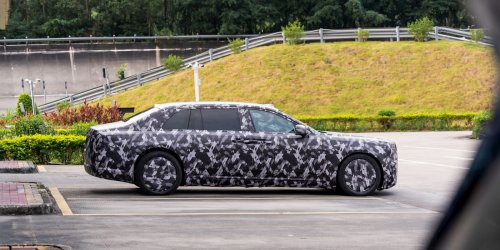
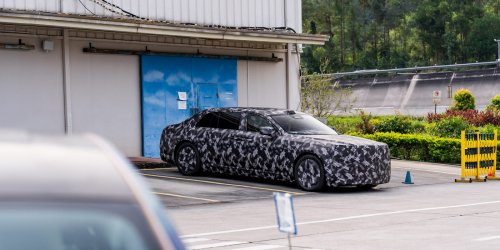
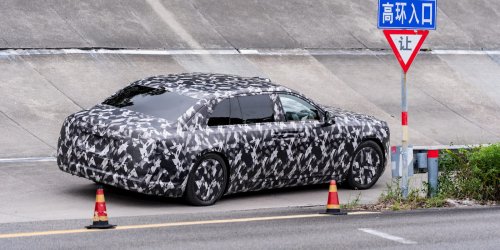
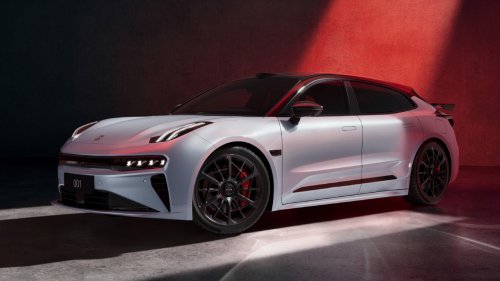
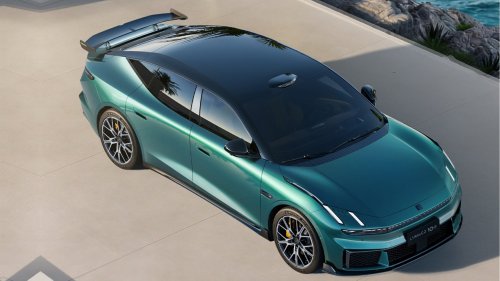
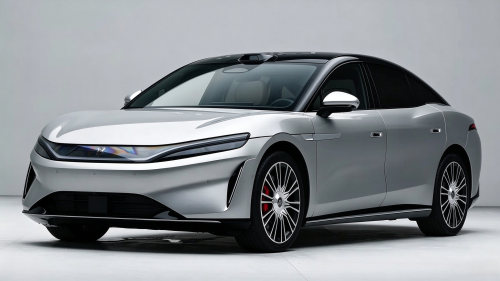
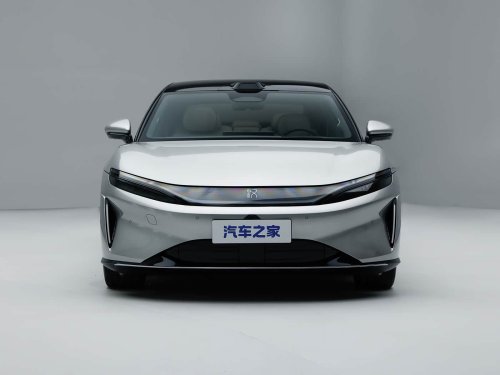
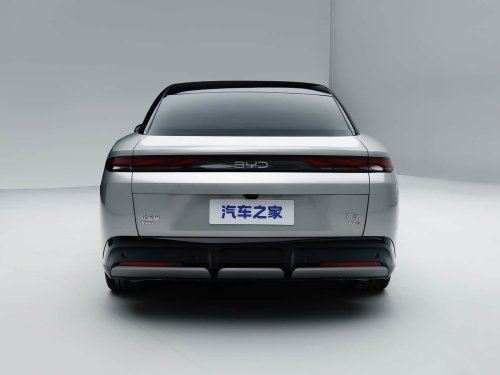
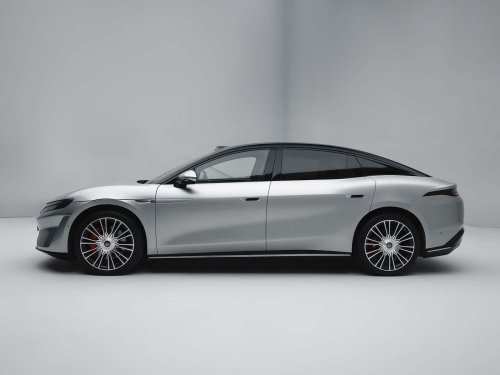
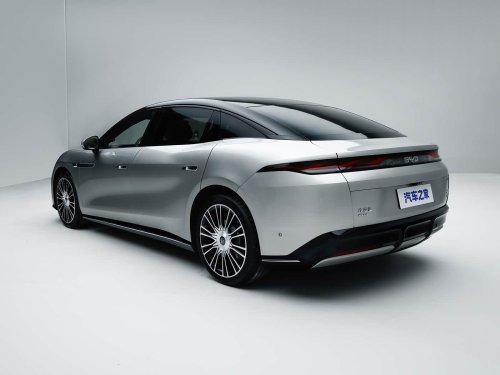
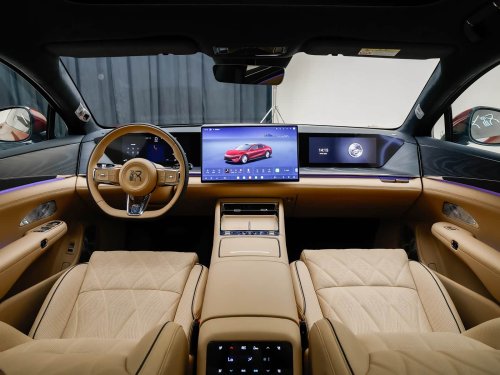
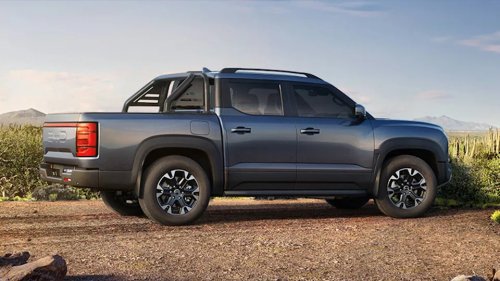
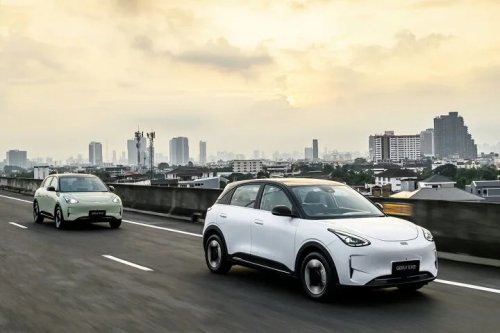
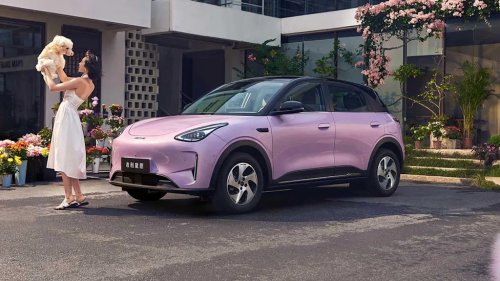
The Geely Galaxy TT will become the first production model equipped with the 16-in-1 smart electric drive system in the third quarter of 2026. Credit: Geely Understand China EV’s Market Real-time notifications when critical EV data is released All important data in one place 2,000,000+ data points Become a member When Geely unveiled its “Thunder” 16-in-1 smart electric drive system on July 16, 2026, it introduced a new direction for EV powertrain development: collapsing mechanical components, power electronics and intelligent control functions into a single 75 kg architecture. By integrating 12 hardware modules and four software systems, the system aims to achieve faster control response, improved thermal coordination and higher packaging efficiency. The headline figures suggest a major step toward software-defined electric powertrains. But extreme integration also creates a new engineering debate. As more functions move into a single, tightly connected system, manufacturers must balance efficiency gains with thermal management complexity, manufacturing challenges and long-term servicing considerations. The real question surrounding Geely’s “Thunder” system is not whether it can achieve impressive performance figures, but whether this level of integration can become a practical direction for future EV architectures. From Integration to Intelligence The “Thunder” system combines mechanical, electrical, and software functions into a single architecture that covers AI energy management, smart charging management, motion control, and proactive health diagnostics. Geely says the architecture consolidates multiple powertrain functions into a highly integrated structural design, reducing external connection points by 30% while bringing total system weight down to 75 kg, which the company states is more than 15% lighter than the industry average. The drive unit height is kept below 325 mm, helping optimise vehicle packaging. The key change is Geely’s “One-Chip” control architecture. Instead of relying on separate controllers operating across different vehicle domains, the system consolidates power-domain control functions into a unified computing platform. Geely says the architecture reduces response latency from an industry average of around 40 milliseconds to below 2 milliseconds. The company also states that its intelligent torque control system reduces real-time torque deviation from 3% to 1%, improving coordination between power output and vehicle control. This represents a shift in EV development. Earlier generations of integrated drive systems focused mainly on combining physical components. Geely’s approach adds software coordination to the powertrain architecture as a core component. Geely “Thunder” 16-in-1 smart electric drive system combines multiple powertrain hardware modules and software functions into a single integrated EV architecture. The Thermal challenge Higher integration creates new demands on thermal management because motors, power electronics and charging components operate under different temperature conditions. Geely’s solution is a 54-channel directional cooling architecture designed to manage heat around the stator, rotor and magnetic steel components. The company says the system doubles thermal dissipation efficiency compared with conventional housing cooling methods and reduces peak motor operating temperature by 15°C. Geely lists the “Thunder” system with a 93.8% CLTC peak comprehensive efficiency rating. During certified Qinghai Lake testing, a Geely Galaxy TT test vehicle recorded an energy consumption result of 8.20 kWh/100 km. The same testing program also set a 46.094 km continuous wet-surface twin-car drifting record certified by Guinness World Records. These results were achieved under official testing conditions. The performance versions of the system include a dual-motor configuration with 425 kW of combined output and a claimed 0–100 km/h acceleration time of 3.8 seconds. A single-motor version produces 245 kW. Geely also states that the system can capture and temporarily store thermal energy equivalent to approximately 7 kWh of electricity during cold-weather testing conducted at -18°C. The Integration trade-off The move toward higher integration brings advantages in packaging and control, but it also introduces new engineering considerations. Automotive Commercial Review noted that moving from distributed modules to cross-domain integration requires coordination between structural design, software control, thermal management and manufacturing processes. The publication also raised questions about how components with different operating lifecycles will be serviced when integrated into a more complex system architecture. The issue is not that integrated systems cannot be repaired. Instead, the engineering challenge is how manufacturers develop diagnostic methods and maintenance procedures when components such as charging electronics, power distribution systems and drivetrain hardware operate within a more tightly connected structure. Manufacturing is another challenge. Producing a highly integrated electric drive requires tighter coordination among mechanical manufacturing, electronic assembly, cooling design and software calibration. These development requirements mean early applications are expected on higher-positioned vehicles. Geely’s initial deployment is expected on models priced above 250,000 yuan (34,400 USD) before wider expansion. At the same time, the company has been increasing its NEV volume. Geely Auto Group reported 240,799 vehicles delivered in June 2026, up 2% year on year, while the Geely Galaxy sub-brand contributed 108,206 deliveries, up 20% year on year, according to China EV DataTracker. The “Thunder” system will initially appear in higher-positioned models before Geely expands the architecture across its vehicle lineup. The next test for highly integrated EV powertrains will be whether manufacturers can translate laboratory advantages into durable, scalable systems for everyday vehicles. Sources: Automotive Commercial Review, Sina, Xinhua