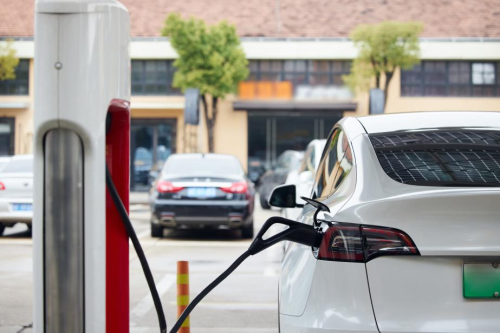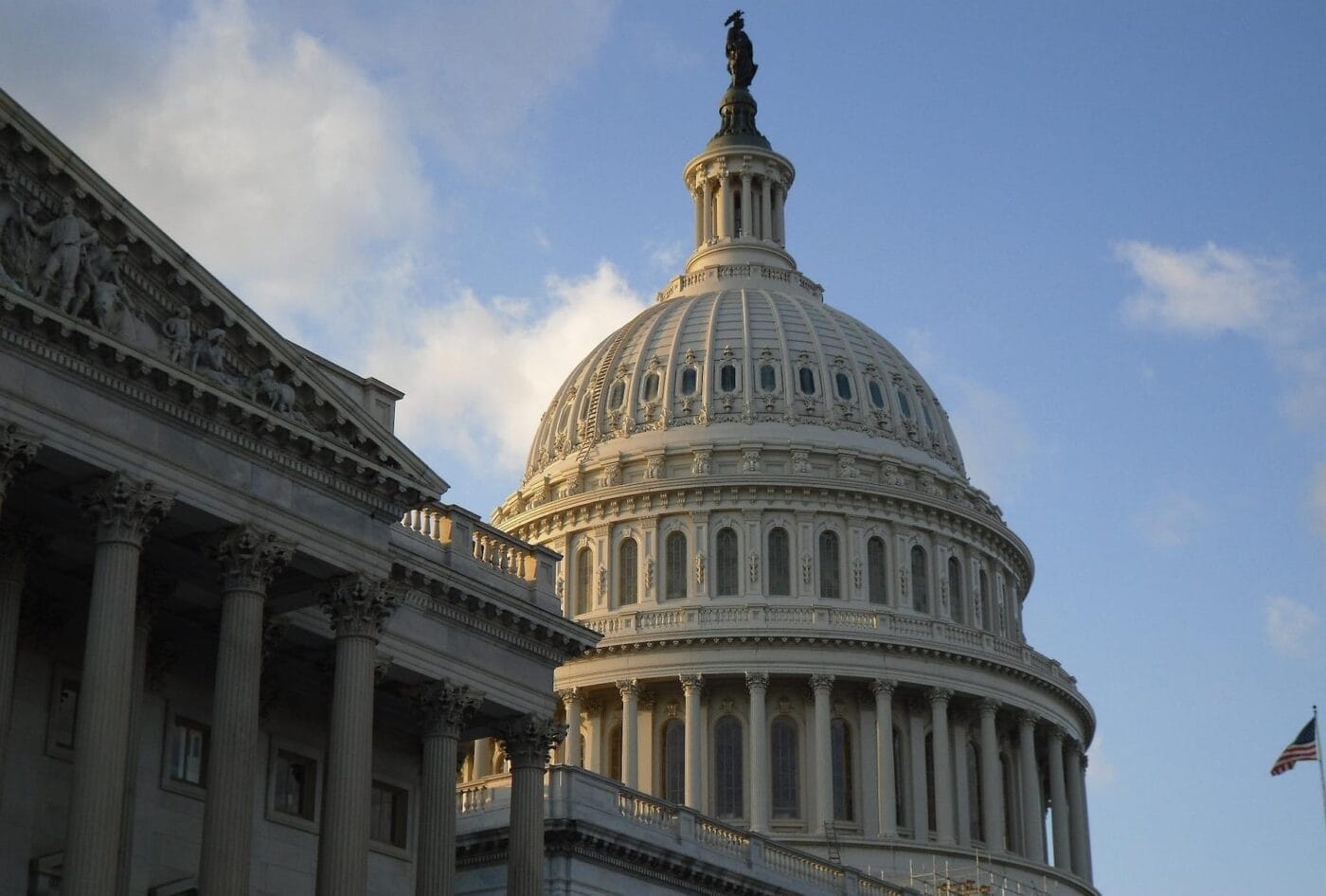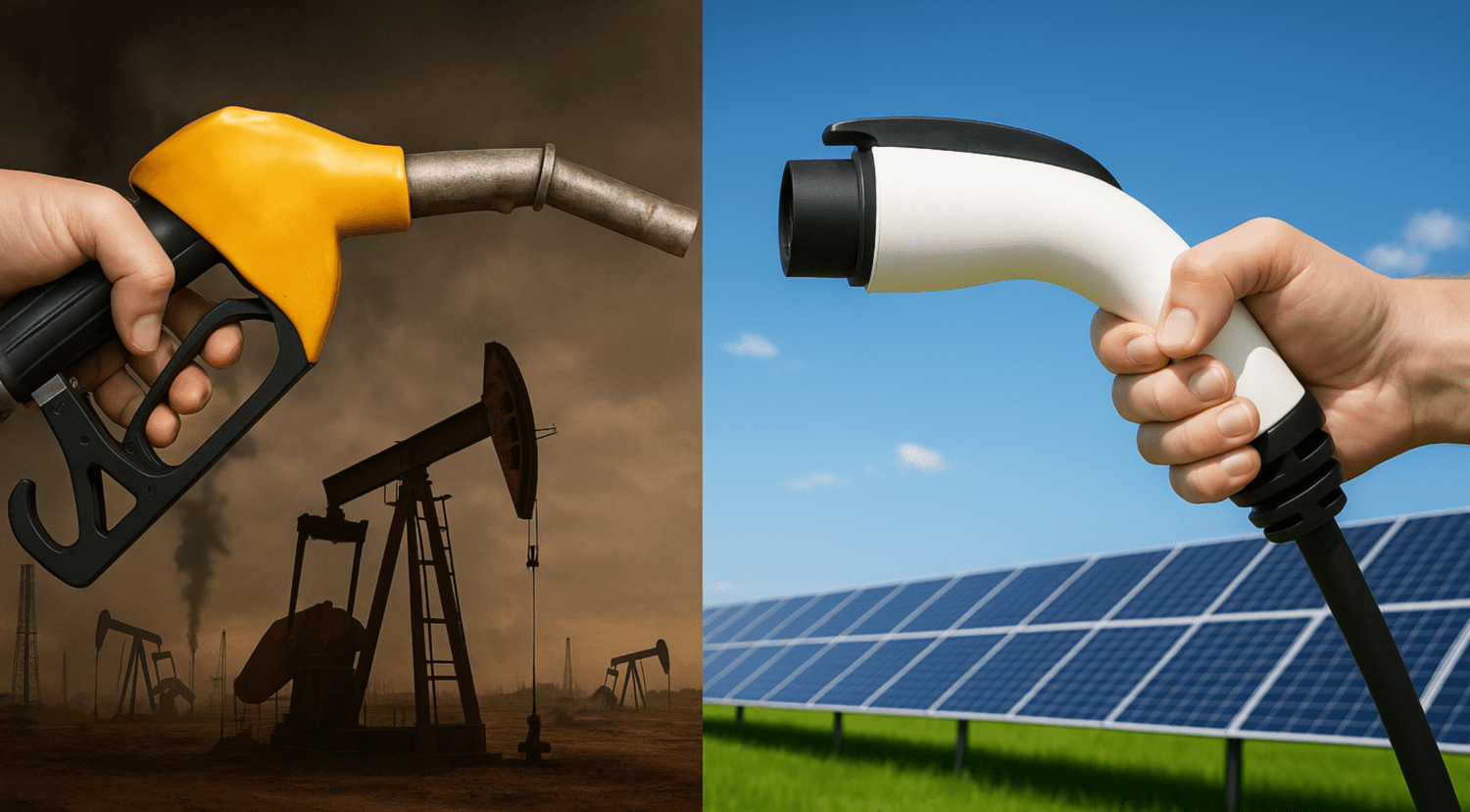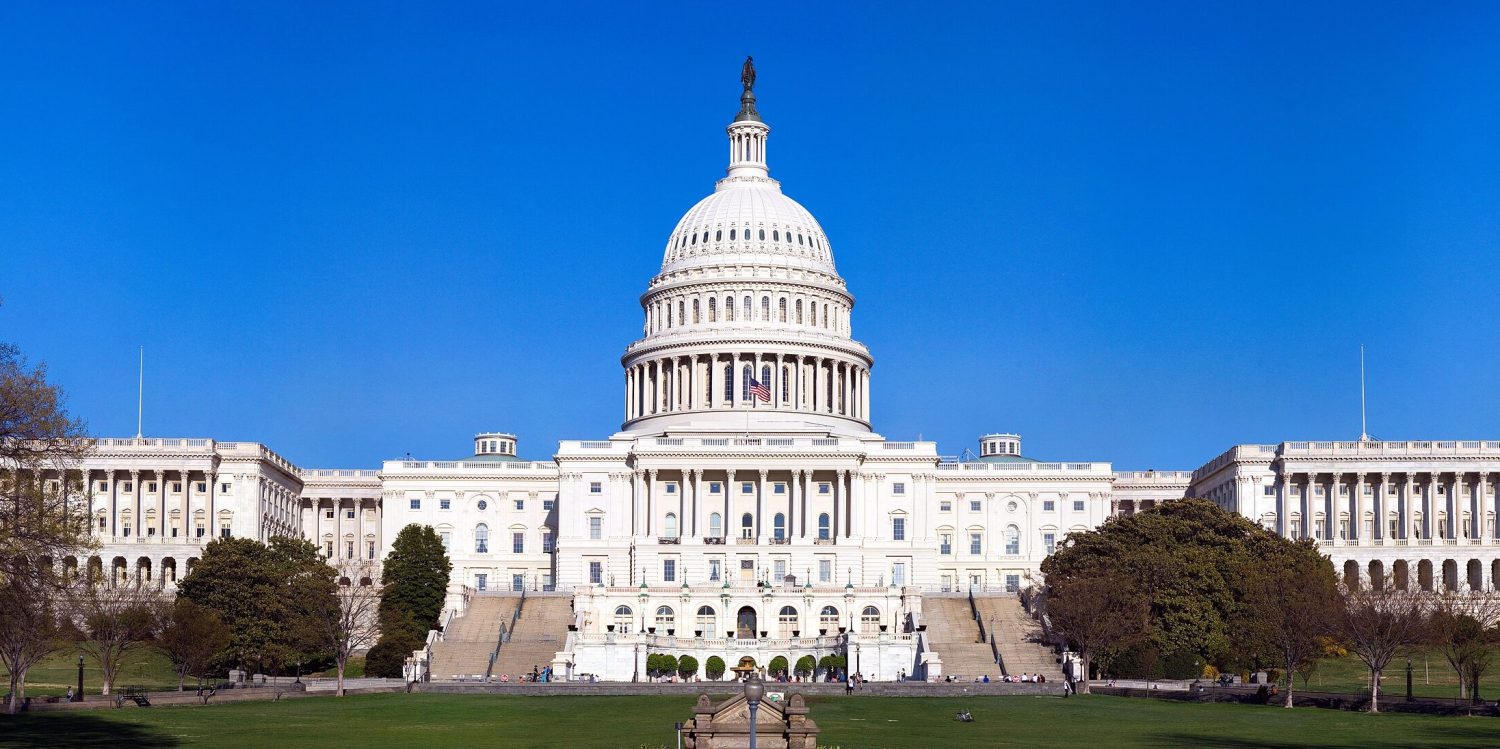





















Lawmakers have proposed yet another punitive tax on EVs, attempting to balance road budgets solely on the back of the ~2% of vehicles that are responsible for a vanishingly small percentage of road damage. Meanwhile, gas taxes haven’t gone up since 1993… and some are trying to eliminate them entirely. The US is back with another idiotic EV fee proposal, and this time it’s dumber than all the rest. The new Surface Transport Reauthorization Bill was announced yesterday, a result of bipartisan compromise between Sam Graves (R-MO) and Rick Larsen (D-WA). It’s an omnibus bill intended to deal with the next five years worth of transportation issues in the US, covering federal highway funding, transportation studies, public transportation, railroads and the like. Advertisement - scroll for more content But, as we’ve become accustomed to here in the one country that seems dedicated to keeping its residents stuck in a dirty past where they are beholden to the most evil industry the planet has ever seen, it attacks clean transportation options while letting expensive, dirty ones get off without paying their fair share. The bill includes a provision for an annual fee on electric vehicles, set at $130/year for fully electric vehicles and $35/year for plug-in hybrids. Those fees also get an automatic annual increase of $5/year (thats 14% for the PHEVs and 4% for the BEVs), up to a cap of $150 and $50 each. The fees would be collected by states, and if states refuse to collect the fee, the federal government could punish them by withholding transportation funds. This is in contrast to a previous attempt which would have charged $200/year, but had no funding method attached and was dropped because it would have been too complicated to set up a national registration scheme. The previous fee was also floated by Graves, who received $163,300 in bribes from the oil & gas industry in just the last campaign cycle. So we’re pretty sure this idea came from him, rather than from the other co-sponsor, Larsen – but the latter still put his name on it. These fees are already in place in many states, usually far in excess of the amount that gas vehicles pay. They’ve been implemented under the guise of “making EVs pay their fair share” for the road damage they do, even though they are never indexed by any measure of road damage (like mileage or vehicle weight), and virtually all road damage is done by large trucks anyway (my 2,800lb, 2k mi/yr EV does ~500,000x less damage than an 80klb, 50k mi/yr semi truck per year). In contrast to the punitive tax it lays on EVs, the bill does not do anything to change the federal gas tax, which sits at just 18.4 cents per gallon. That number is easy to remember, because it hasn’t changed since 1993. On average, each gas car pays about ~$80/year in federal gas tax, which is about half what the final annual fee for EVs would be. Meanwhile, the EV fee is set with an automatic annual riser – something that could have been added to the gas tax, but strangely wasn’t. I wonder if those oil bribes had anything to do with that. In total, the new fees would raise somewhere on the order of ~$700 million per year from the 5.3 million EVs currently on US roads. US public spending on transportation is somewhere around $400 billion per year, making the money raised by these fees a drop in the bucket. What the fees could do, though, is make EVs less attractive to buyers during a current oil crisis that is driving a lot of interest. As oil prices spike globally due to a war that Graves voted to authorize, countries and citizens around the world have been reminded that electric vehicles are the number one route to energy independence. Meanwhile, a separate effort exists in government to suspend the tiny federal gas tax, being pushed by republicans (though Graves himself is wishy-washy on it). The purpose of the effort would be to decrease the popularity hit that republicans are taking as a result of their war of choice which is raising everyone’s costs. If that effort were to bear fruit, while punitive fees were added to EVs, then all of a sudden EVs would not just be paying more than their share for highway funding, but be responsible for the entirety of the vehicle-based portion of that revenue. But this wouldn’t be the only free ride that gas vehicles get. Gas vehicles already have been given a free ride, for over a century, on your lungs. Because gas vehicles produce an enormous amount of pollution, and that pollution costs you money. The total subsidy, for all fossil fuels, is estimated by the IMF at $760 billion per year in the US alone. Each gallon of gasoline burned costs over $5 in additional health and environmental costs, costs that aren’t being paid by the producer or consumer of that oil, and rather by everyone in the form of hospital bills, wildfires, hurricane damage and so on (note: hurricane damage from storms made stronger due to climate change ruins roads, another way gas vehicles cause road damage). So, to recap: The plan charges EVs about double what the average gas car pays. It happens on top of state EV fees, which already usually charge EVs more than gas cars pay. The EV fee is set to rise annually, when the gas tax hasn’t risen since 1993. It would do almost nothing to fix a shortfall in road budgets. The fee is not set by mileage or weight, meaning more efficient or lesser-used vehicles are punished even more harshly. Large trucks do thousands of times more road damage than EVs. Some in Congress want to eliminate gas taxes altogether. Polluting vehicles have had a “free ride” on your lungs forever, paying nothing to make up for that damage – which EVs don’t do. The main advocate of this fee has been given hundreds of thousands of dollars in bribes by the Oil & Gas industry. And yet, you’ll see coverage of this law suggesting that this is an attempt to get EVs to “pay their fair share.” There is no fairness here. An actual fair way of taking account for road damage would be to tax vehicles based on mileage and weight, with the smallest and least-driven vehicles getting taxed the least, and the largest and most-driven being taxed the most; an in addition a method to put a price on the ignored pollution costs produced by every vehicle. Until then, the phrase “fair share” shouldn’t touch the mouths of anyone advocating for this utterly idiotic fee. And on top of all that… the bill also reduces funding for EV charging. In case you still had any idea who paid for it. Charge your electric vehicle at home using rooftop solar panels. Find a reliable and competitively priced solar installer near you on EnergySage, for free. They have pre-vetted installers competing for your business, ensuring high-quality solutions and 20-30% savings. It’s free, with no sales calls until you choose an installer. Compare personalized solar quotes online and receive guidance from unbiased Energy Advisers. Get started here. – ad* Stay up to date with the latest content by subscribing to Electrek on Google News. You’re reading Electrek— experts who break news about Tesla, electric vehicles, and green energy, day after day. Be sure to check out our homepage for all the latest news, and follow Electrek on Twitter, Facebook, and LinkedIn to stay in the loop. Don’t know where to start? Check out our YouTube channel for the latest reviews.