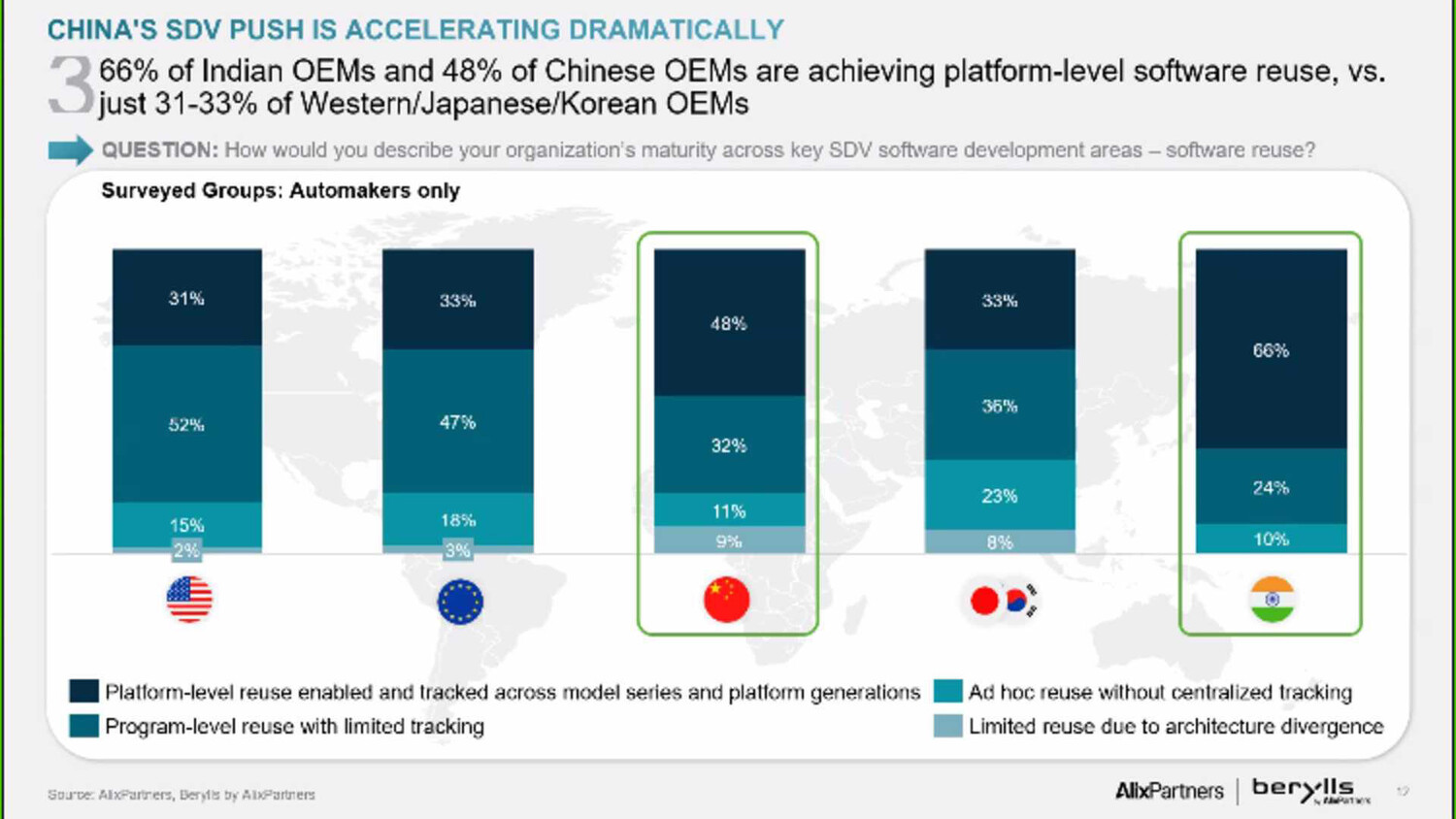
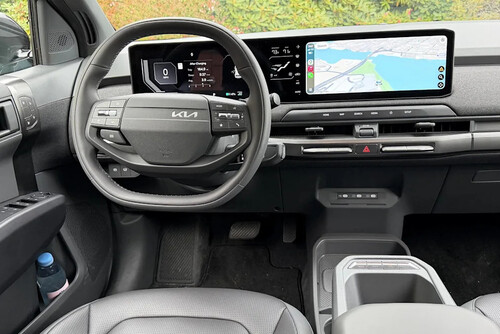
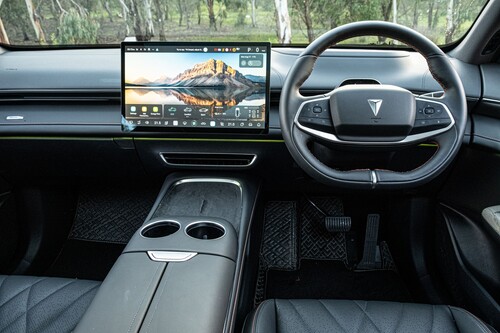
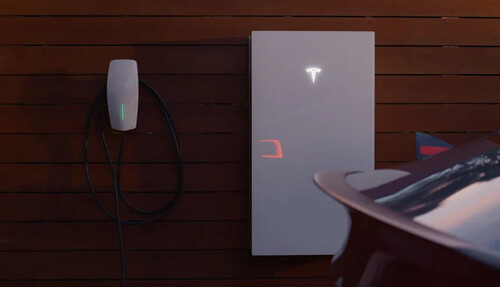
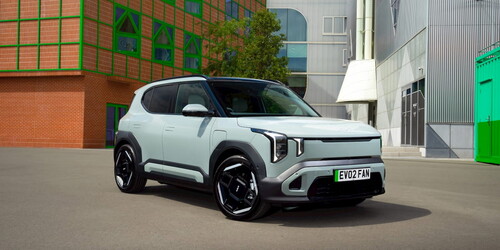
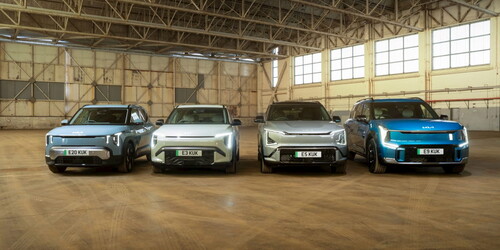
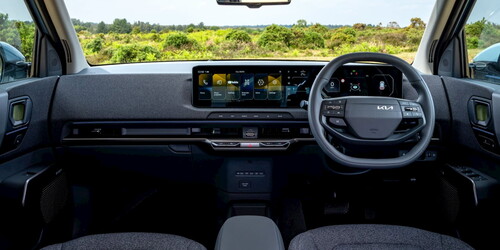
If you keep tabs on emerging automotive technology, you've likely heard the term "software-defined vehicles." It surfaced more than a decade ago as Tesla popularized the ability to add functionality to a vehicle that already left the factory but can offer something new to a customer via over-the-air updates. This capability can lessen the sting of the old adage that a new car starts depreciating the minute it leaves the dealership. Many automakers have been chasing the OTA concept ever since, with varying degrees of success.TeslaBut software-defined vehicles – SDVs if you will – go well beyond OTA updates. They represent a fundamental shift from as many as 150 individual electronic control units in a modern car toward centralized computing architectures, allowing the vehicle's features and functionality to be managed primarily by software rather than rigid hardware with limited purpose.This opens the door to customized user experiences, a big reduction in wiring harnesses, self-driving cars, reusing software for multiple purposes, faster product development, and next-generation driver-assistance technologies that use artificial intelligence to recognize real-time hazards and intervene when necessary. For instance, you might love the real-time aspect of Waze for navigation, but it won't slam on the brakes if you're not paying attention to traffic backing up. We Have To Wait How Long? Mercedes-Benz Because this topic has been bandied about for so long and comes up so often from automakers, it must be imminent that software-defined vehicles will roll out at your local showroom, right? Some of you might think they are already here. Hardly. Automakers talk excitedly about them, but none has yet to introduce a fully realized SDV. According to Himanshu Khandelwal, partner and managing director in the Automotive & Industrial Practice at AlixPartners, Chinese automakers are farther along than US, European, and other Asian automakers. Tesla's and Rivian's offerings are the closest to being SDVs."We are not going to have a significant car park of SDV vehicles in the next three to five or seven years."–Himanshu Khandelwal, AlixPartners Managing DirectorAlixPartners presented a webinar this week to update the development of SDVs, the barriers still in the way, the opportunities, and the reason why this technology is relevant to consumers, despite being years from implementation. Alix Partners recently surveyed more than 1,000 senior executives globally about SDV development and found that Chinese companies have a big lead.Consumers are impacted because SDVs are an opportunity for automakers to charge extra for new features as they are developed, not to mention the question about who owns the flood of personal information that will be generated once these highly intelligent vehicles hit the road.AlixPartners Khandelwal ponders whether a customer will pay for a new technology that is truly differentiated to improve safety, convenience, or security, especially if a monthly subscription fee is required. "I'm not going to pay for, potentially, something that I was paying for, like remote start," which has been a long-time feature purchased outright at delivery, he says. But, "as a car user myself, would I pay for (eyes-off level 3) advanced cruise control? Absolutely." Would a consumer pay extra for a feature that improves not only vehicle security but also physical security for a driver in a sketchy neighborhood? Kia Completes SDV Work Next Year Kia Just this week at CEO Investor Day, Kia talked extensively about how software-defined vehicles – leveraging Hyundai Motor Group tech – factor into their future. Kia plans to complete development of its first SDV by the end of 2027, followed by "introduction of Level 2++ autonomous driving technology" in early 2029, capable of operating on highways and in urban driving environments.About that time, Kia expects it will deliver its first B-segment hatchback as an SDV in Europe. "Through this approach, the Group aims to achieve rapid market entry in the short term and secure sustainable leadership in autonomous driving technologies over the mid- to long-term," Kia says.Khandelwal says the race among companies pursuing SDVs is focused on controlling the vehicle architecture, as well as the future profit pool. "We believe that too many western OEMs are giving away a meaningful part of their SDV future by outsourcing these key control points, while the Chinese competition is building these capabilities in house," he says. "Chinese players are investing more aggressively."And while automakers are eager to roll out SDVs as a "recurring revenue stream" by monetizing the addition of new features, Khandelwal says they first have to move beyond OTA used primarily to fix vehicle glitches remotely."Bottom line is, the SDV business case has to move from Netflix or Spotify on wheels to a much broader focus on life cycle economics," he says.