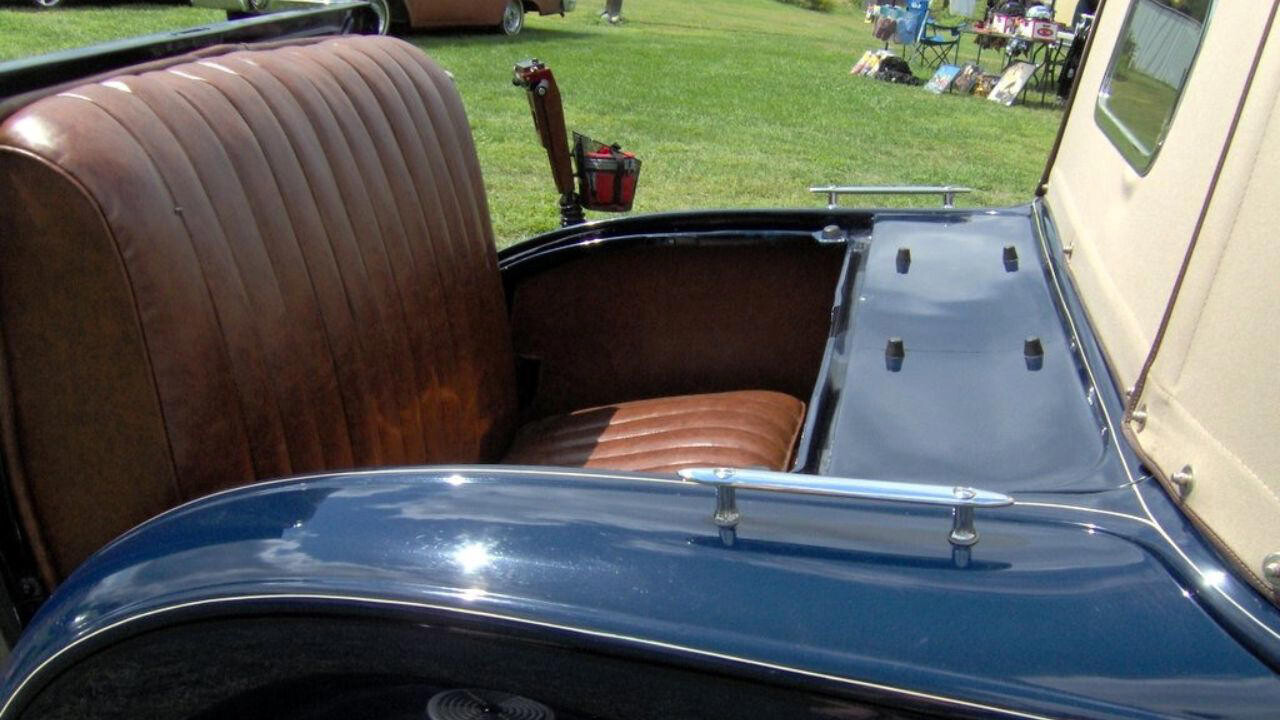
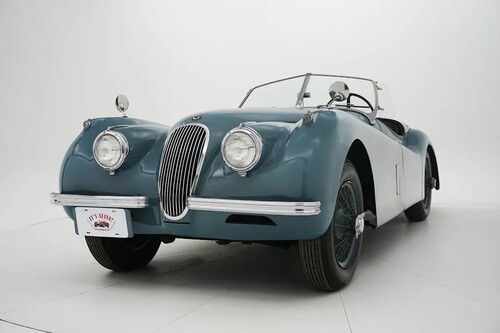
Antique cars hold a special place in automotive history, offering a unique glimpse into the craftsmanship and design of a bygone era. However, maintaining these vintage beauties presents a set of challenges that differ significantly from those of modern vehicles. Enthusiasts and collectors often face unique hurdles while attempting to preserve these mechanical marvels, requiring a blend of dedication, knowledge, and resources. Understanding the Unique Mechanical Systems One of the most daunting challenges when dealing with antique cars is the outdated technology that powers them. Vehicles such as the 1929 Ford Model A operate on mechanical systems that are vastly different from today’s computer-controlled engines. This requires a specialized understanding of carburetors, mechanical brakes, and non-synchronized transmissions. The absence of electronic diagnostics means that troubleshooting issues demands a high level of mechanical intuition and experience. Enthusiasts often turn to vintage manuals and forums to gather the necessary knowledge, as modern training rarely covers these old systems. The scarcity of parts further complicates the restoration and maintenance of antique vehicles. Original components for models like the 1936 Bugatti Type 57 are often no longer in production, making them extremely difficult to source. Collectors may spend years searching for a single part or resort to custom manufacturing to replicate essential pieces. This often involves working with fabricators to create components that match the original specifications as closely as possible. The challenge lies not only in finding skilled craftsmen but also in ensuring that the produced parts maintain the car’s historical accuracy. Preservation of Originality Balancing restoration and preservation is a delicate task for antique car enthusiasts. For instance, a 1954 Jaguar XK120 may require significant restoration to be roadworthy, but every replaced part risks diminishing its historical value. The goal is to restore the vehicle to its former glory while maintaining its originality. This involves careful decision-making about which parts to replace and which to restore. The use of original materials and techniques is crucial in maintaining the car’s authenticity, often requiring extensive research and consultation with experts. Authenticity concerns are always at the forefront for collectors. Maintaining the original components and materials, such as the wooden dashboards of a 1948 Rolls-Royce Silver Wraith, is essential to preserve a car’s value and historical significance. Deviations from original specifications can significantly reduce a vehicle’s worth, both financially and historically. As a result, collectors often go to great lengths to ensure that any restoration work upholds the car’s authenticity, sometimes even commissioning specialized craftsmen to recreate parts using traditional methods. Dealing with Wear and Tear Aging materials present another set of challenges for antique car maintenance. Vehicles like the 1932 Cadillac V-16 often feature leather, rubber, and metal components that have deteriorated over time. Restoring these materials requires specialized techniques and products that can safely rejuvenate them without causing further damage. For leather interiors, this might involve conditioning and re-dyeing, while rubber components may need to be treated with preservatives to restore flexibility. Metal parts, meanwhile, often require careful cleaning and polishing to prevent further degradation. Image Credit: Stephen Foskett / Wikimedia Commons / C BY-SA 3.0 Corrosion and rust are inevitable foes of any antique car. The exposure to elements over decades leaves classic models like the 1957 Chevrolet Bel Air vulnerable to rust. Preventing and repairing rust involves regular inspections and the use of modern anti-corrosion treatments while respecting the car’s vintage character. Techniques such as sandblasting and applying rust inhibitors are common, but they must be executed with precision to avoid damaging the vehicle’s integrity. For many collectors, these processes are part of a regular maintenance routine, ensuring their prized possessions remain in excellent condition. Specialized Knowledge and Skills Required The pool of experts skilled in antique car maintenance is small, creating a challenge for collectors of models like the 1938 Mercedes-Benz 540K. With so few mechanics possessing the necessary skills, finding someone capable of working on these vehicles can be difficult and often requires traveling great distances. As a result, many enthusiasts take it upon themselves to learn the intricacies of antique car maintenance. This involves a significant personal investment in time and resources, often beginning with apprenticeships or mentorships under experienced restorers. The learning curve for antique car maintenance is steep. Acquiring the necessary skills to maintain and repair vehicles such as the 1914 Stutz Bearcat demands dedication and a willingness to learn from trial and error. Enthusiasts often join clubs and online communities to share knowledge and experiences, creating valuable networks of expertise and support. This communal aspect not only aids in the practical aspects of maintenance but also enriches the experience of owning and preserving an antique car. Financial and Time Investment The financial burden associated with maintaining antique cars is significant. Sourcing rare parts for vehicles like the 1925 Rolls-Royce Phantom I can be costly, as can hiring the skilled labor necessary for restoration. Many collectors find themselves spending large sums to ensure their vehicles are maintained to the highest standards. This financial commitment is often viewed as an investment, given that well-maintained antique cars can appreciate significantly in value over time. In addition to financial resources, maintaining an antique car requires a substantial time commitment. The process of restoration and regular upkeep can be time-consuming, especially when dealing with complex models such as the 1930 Duesenberg Model J. Enthusiasts often dedicate countless hours to their vehicles, balancing the demands of restoration with the desire to preserve historical integrity. This labor of love is driven by a passion for automotive history and a desire to keep these timeless vehicles on the road for future generations to appreciate. Like Fast Lane Only’s content? Be sure to follow us. Here’s more from us: Unboxing the WWII Jeep in a Crate The Fastest Farm Truck Ever Built *Created with AI assistance and editor review.