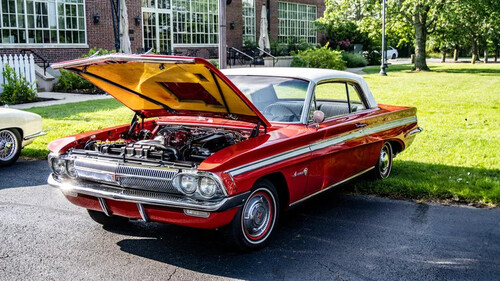
Antique cars are cherished pieces of automotive history, and maintaining their functionality is a passion for many collectors and enthusiasts. A key factor in preserving these vintage vehicles is proper lubrication, which ensures that their engines and components continue to run smoothly despite their age. Exploring the vital role of lubrication in maintaining and restoring antique cars highlights the techniques and considerations necessary for keeping these mechanical marvels alive. The Importance of Lubrication in Antique Cars Understanding the unique lubrication needs of older engines and components is crucial for antique car maintenance. Unlike modern vehicles, which are designed with advanced materials and precision engineering, antique cars often have engines and parts made from materials that require specific lubricants to function correctly. For instance, older engines may have components like flat tappet camshafts that necessitate oils with higher levels of zinc dialkyldithiophosphate (ZDDP) to prevent wear. Lubrication plays a fundamental role in preventing wear and tear in antique cars by acting as a barrier against friction and corrosion. With the right lubricants, moving parts can glide smoothly, reducing the risk of metal-to-metal contact that leads to deterioration. This is particularly important for vintage models like the 1930 Ford Model A, where maintaining the integrity of original components is essential for both performance and historical value. Modern vehicles and antique cars differ significantly in their lubrication requirements. While contemporary engines benefit from synthetic oils designed for fuel efficiency and emissions control, antique cars often require mineral oils that align with the original specifications. Using the wrong type of lubricant can lead to inadequate protection and even damage, emphasizing the need to understand these differences. Types of Lubricants for Antique Cars Choosing between mineral and synthetic oils is a common dilemma for antique car owners. Mineral oils, derived from refined crude oil, are typically preferred for classic cars due to their compatibility with old engine materials. However, synthetic oils offer superior performance in terms of temperature stability and oxidation resistance. For example, a 1965 Chevrolet Corvette might benefit from vintage-formulated synthetic blends that cater to its specific engine needs while offering advanced protection. Specialty lubricants designed specifically for vintage vehicles have emerged to address the unique requirements of antique cars. These products often mimic the properties of oils available during the car’s production era but incorporate modern advancements to enhance performance. Some brands offer oils specifically designed for classic cars, ensuring they receive both period-correct protection and the benefits of current technology. Additives play a crucial role in enhancing the performance and protection of lubricants used in antique cars. Substances like ZDDP provide vital anti-wear properties, especially for engines with flat tappet camshafts. Additionally, detergents and dispersants help maintain engine cleanliness by preventing sludge formation, ensuring that vintage models like the 1957 Chevrolet Bel Air continue to run smoothly. Challenges in Lubricating Antique Cars One of the significant challenges in lubricating antique cars is dealing with outdated engines and rare parts. Finding the right lubricants that match the specifications of these components can be daunting. Many older vehicles, such as the 1929 Duesenberg Model J, require specific oil formulations that are no longer commonly available, pushing enthusiasts to seek out specialty suppliers or custom-blended solutions. Image Credit: Craig Howell from San Carlos, CA, USA – 1929 Duesenberg J Murphy Dual Cowl Phaeton, CC BY 2.0, via Wikimedia Commons Leaks and seal compatibility issues are common problems in older vehicles. Antique cars often have seals made from materials not compatible with modern synthetic oils, resulting in leaks if the wrong lubricants are used. Owners of vehicles like the 1932 Packard Eight must pay close attention to seal materials and opt for lubricants that ensure compatibility to prevent leaks and maintain integrity. Climate and storage conditions significantly impact the lubrication needs of antique cars. Vehicles stored in humid environments may require more frequent oil changes to prevent moisture-related degradation, while those kept in dry, stable climates might benefit from extended lubricant life. Owners of classic cars, such as the 1959 Cadillac Eldorado, must tailor their lubrication strategies to their specific environmental conditions. Best Practices for Lubricating Antique Cars Regular maintenance schedules are vital for ensuring the longevity and performance of antique cars. Establishing how often lubrication should be checked and applied depends on factors such as vehicle usage, climate, and storage conditions. For instance, a 1948 Tucker 48 might require more frequent oil changes if driven regularly, while a car kept primarily as a showpiece could adhere to a less rigorous schedule. Techniques for applying lubricants are crucial for maximizing protection. Ensuring that oil reaches all necessary components involves not only proper application but also using tools designed for older engines. In some cases, using period-appropriate equipment, such as oil cans with flexible spouts, can aid in reaching hard-to-access areas in vehicles like the 1924 Rolls-Royce Silver Ghost. Using period-appropriate equipment and methods is essential for maintaining the authenticity and functionality of antique cars. Incorporating traditional tools and techniques respects the design and engineering of these vehicles while ensuring that modern lubricants are applied effectively. This approach preserves the historical integrity of models like the 1953 Hudson Hornet, keeping them as close to their original state as possible. The Future of Antique Car Lubrication Innovations in lubricant technology promise exciting developments for vintage vehicle maintenance. Advances in formulations that mimic classic oil properties while offering superior protection against wear, corrosion, and temperature extremes are on the horizon. These innovations can provide owners of antique cars, such as the 1908 Ford Model T, with enhanced options for maintaining their vehicles. Environmental regulations are evolving, impacting lubricant choices for antique cars. As stricter emissions standards and ecological considerations come into play, lubricants must adapt to meet these requirements. This shift may necessitate changes in formulations or the development of eco-friendly products that still cater to the needs of vintage vehicles. The role of communities and forums in sharing knowledge and resources for antique car maintenance cannot be overstated. Enthusiasts and experts alike contribute valuable insights into best practices, product recommendations, and troubleshooting tips. Online platforms and clubs dedicated to specific marques or eras, such as the Antique Automobile Club of America, offer a wealth of information for owners aiming to preserve their cherished machines. Like Fast Lane Only’s content? Be sure to follow us. Here’s more from us: Unboxing the WWII Jeep in a Crate The Fastest Farm Truck Ever Built *Created with AI assistance and editor review.