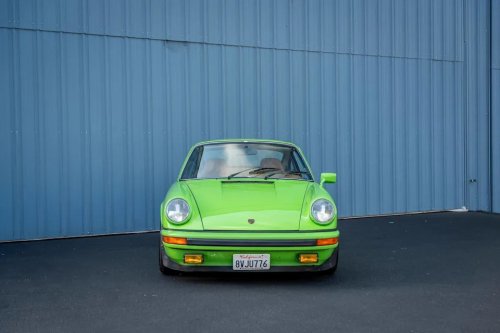
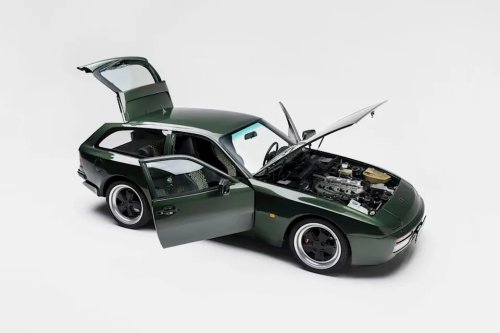
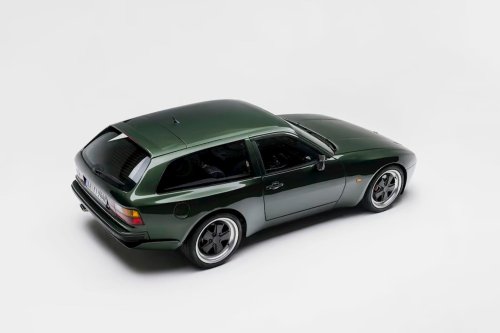
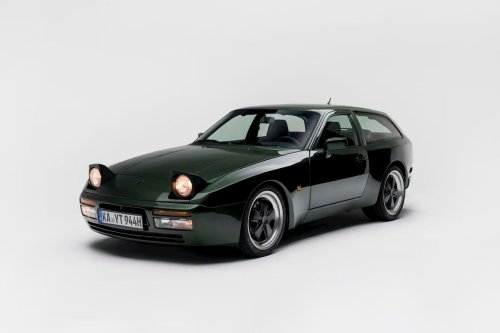
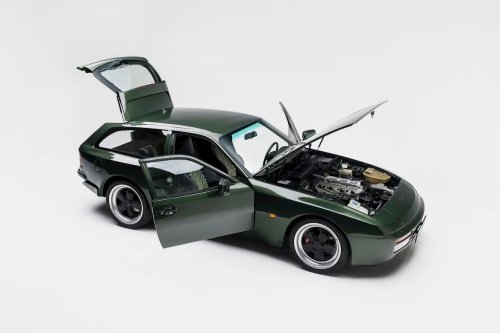
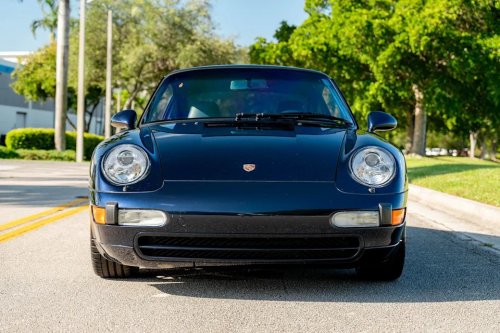
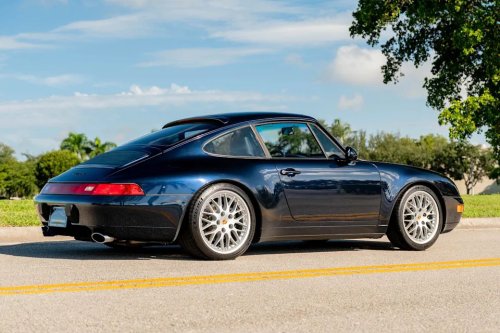
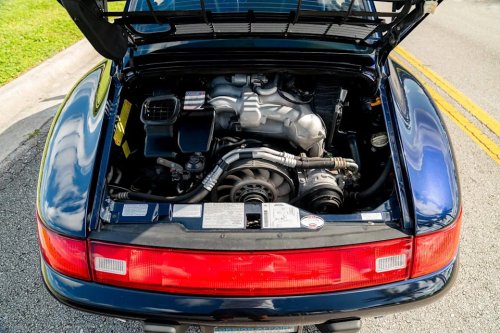
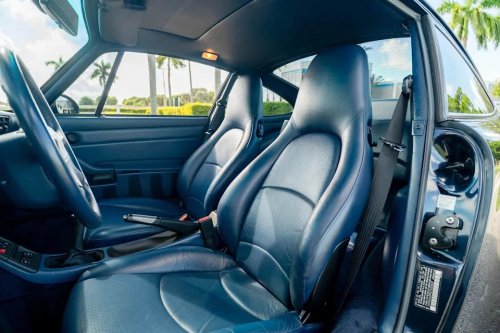
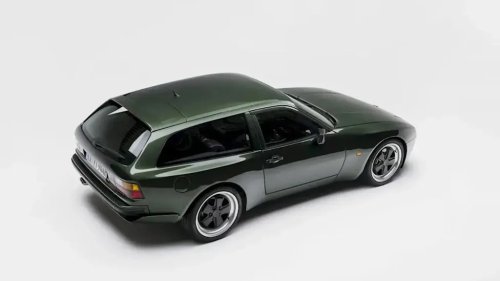
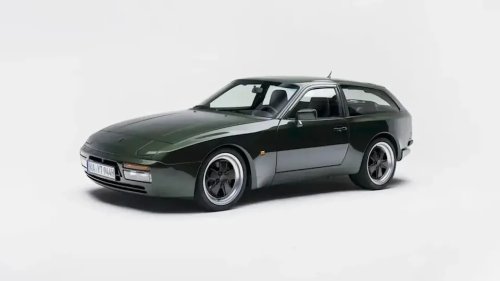
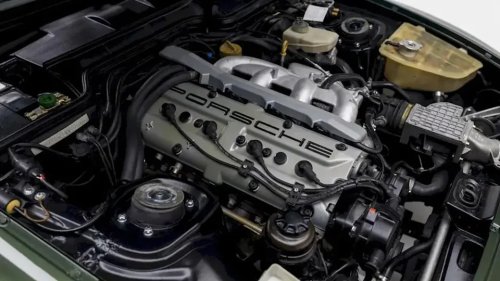
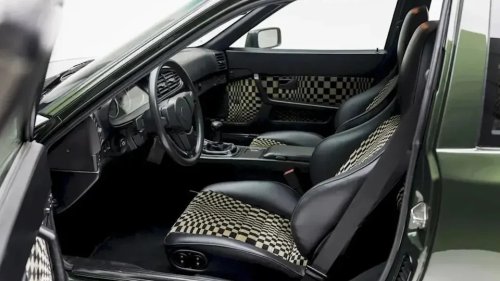
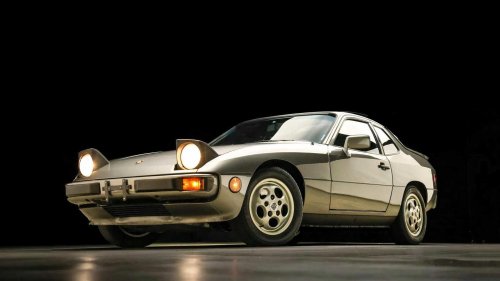
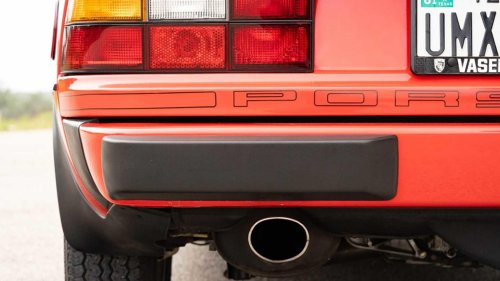
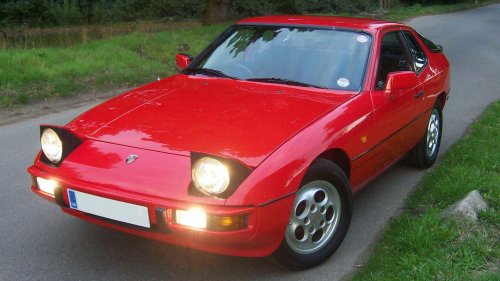
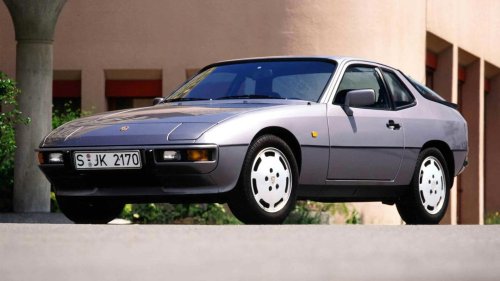
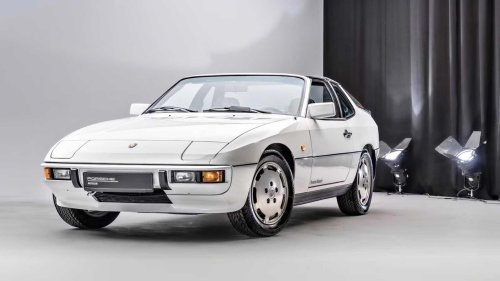
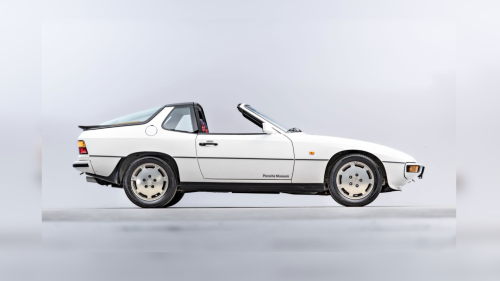
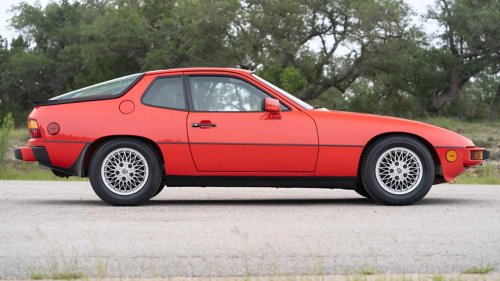
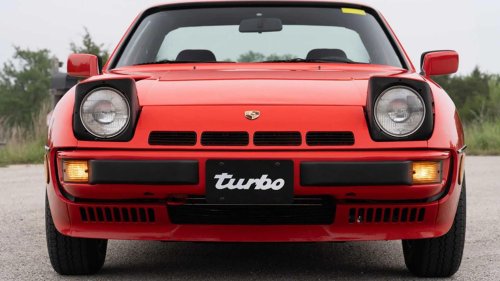
Porsche has been at the forefront of innovation for decades. The German automaker is responsible for having introduced several automotive features that have later expanded across the industry, from ventilated brake discs to the targa body style. The brand has also shaped the world of automotive design, with models like the 911 which have become instantly recognizable icons.The car we are focusing on wasn’t quite a pioneer of engineering in terms of the wider car industry, but it was a crucial model within Porsche’s own history, setting two important milestones for the company. Not only was the 924 the first Porsche to be equipped with an automatic transmission, it was also the first with a water-cooled engine on board. Let’s take a closer look at its history, its design, some of the variants it produced over the years, and what you can expect when looking for one on the used market today. The Porsche 924: Innovation On Wheels Bring A TrailerAs is the case with so many great cars from across history, the Porsche 924 traces its origins back to a collaboration between two automakers. Volkswagen and Porsche joined forces to form a company called VW-Porsche Vertriebsgesellschaft (VG), which handled sales and marketing for jointly developed sports cars. Porsche was largely responsible for the design and development side of things, while Volkswagen supplied the engines.The new venture’s first product was the 914, followed by the short-lived 912E. By the time the 924 was being developed, however, VG was already on the verge of being dissolved. The impact of new regulations in the US, downstream of the 1973 oil crisis, signaled the end of the collaborative project and threatened to kill the 924 before it was even released.However, while Volkswagen went in a different direction with the Scirocco, Porsche chose to hold on to the 924 project, as it still needed a new sports car to replace the 914. The automaker acquired full rights to the 924, which was released in 1976.Bring a Trailer Power came from a 2.0-liter inline-four VW engine, which produced 95 hp in US spec (later bumped up to 110 hp). In European spec, however, the 924’s power output was 125 hp. This engine was notable for being the first water-cooled unit to be fitted to a Porsche production model, marking a major milestone in Porsche’s history. A turbocharged version, the 924 Turbo, was released in 1978. In order to accommodate the turbocharger and the associated rise in power output, Porsche heavily revised the original engine, with a new cylinder head, new crankshaft and new connecting rods, among other features.The engine was paired with a choice of two transmissions: a four-speed manual (later replaced by a five-speed) and, more interestingly, a three-speed automatic. This transmission came in a year after the model’s debut, being offered from 1977 onward. It was the first time a Porsche production car was offered with a fully automatic transmission: another step forward in Porsche innovation. The 924S And The End Of The 924 Whiters/Wikimedia Commons Volkswagen stopped producing the 2.0-liter engine that powered the 924 in 1984. As a result, Porsche was left scrambling to find a new solution; killing off the model completely was not an option, in the absence of an alternative entry-level offering for the brand.In the end, Porsche opted to use a detuned version of the 2.5-liter inline-four used in another of its models: the 944. The 944’s brakes were also carried over to the 924, along with an upgraded suspension and new wheels; the 924’s original interior, however, was kept in place. This variant of the model completely replaced the original base model 924; it was dubbed the 924S, and had a power output of 148 hp. It remained in production for a further four years.Porsche During its last model year, 1988, Porsche added three-point seatbelts to the 924S’ rear seats. Some changes were also made to the 924S’ engine: upgraded pistons resulted in a higher compression ratio and a higher power output (156 hp). This made the 942S slightly faster than the 944, which was heavier and less aerodynamic.The following year, however, the 924S’ time was up. A combination of unfavorable exchange rates and more high-end models taking up Porsche’s focus resulted in the 924S being dropped after the 1989 model year, alongside the base model of the 944 which was replaced by the more powerful 944 S2. An Automotive Unicorn: The 924 Turbo Targa Porsche Over the course of its 12-year lifespan, the 924 spawned a one-of-a-kind variant, which sadly never made it to the production line: the 924 Turbo Targa. This unique prototype traces its origins back to the 924 Turbo, the turbocharged version of the model released in 1978 in an attempt to overcome the 924’s performance deficits.After the automotive press criticized the 924’s lackluster performance and its low power output, Porsche began to do some research to figure out what could be done. As it turns out, the 924’s chassis was capable of handling more power than its engine produced; Porsche set out to build a more powerful version that could silence the criticism. The brand borrowed its existing turbocharging technology used in the 911 Turbo, implementing it in the 924.Aside from the upgrades to the engine we previously mentioned, which accommodated the presence of the turbocharger without compromising reliability, Porsche also added some visual elements that set the Turbo apart from the standard 924. These included a duck-tail spoiler, 15-inch alloy wheels, a NACA duct in the hood, and four slotted air vents.At the same time as the Turbo version was being developed, the Porsche team was also floating the idea of building a version with a Targa body. This body style was a Porsche invention, and had been made famous by the 911 Targa. The 924, meanwhile, already had a removable roof panel since its launch, but not a real Targa version complete with anti-roll bar.Porsche Throughout the late '70s, a single prototype was built which incorporated both the turbocharged engine and the Targa roof, which could be locked and unlocked via a special key. In order to create a more visually seamless look, the team at Porsche built the upper side of the bar in the same type of plastic material as the Targa roof. The prototype was finished in white.Unfortunately, a number of factors made it impossible for this creation to ever be turned into a production model. The cost of development and tooling was deemed to be too high for the 924 Turbo Targa to be financially viable; body rigidity was also a major issue. As the years passed and the '70s rolled into the '80s, Porsche also began to shift its focus towards other models. The Turbo Targa remains testament to the brand’s innovative spirit and commitment towards research and innovation. Buying A Porsche 924 Today Bring a Trailer If you’re a fan of vintage Porsches and think a 924 could make the perfect addition to your garage, here is what you can expect to find when browsing through listings. For the very cheapest examples, you could get away with paying as little as $5,000. However, you are likely to run into higher costs once you get your new car home: when it comes to classics, a car on the cheaper end of the price range is bound to have some issues for you to tackle.Bring a Trailer The upper end of the price range, occupied by newer cars, cars with a better maintenance record, and cars with lower mileage, sits around the $25,000 mark. If you're specifically interested in buying a 924 Turbo, that version of the model sits within the upper end of the range, with prices varying between around $10,000 and $25,000.Of course, as even the youngest examples of this model are nearly 40 years old, a bigger price tag is not a guarantee you won’t run into issues: adhering to a strict maintenance schedule is still the top priority, no matter how well the car has been looked after in its previous life.You could also choose to go off the beaten path and import a rare variety of the 924 that was never sold in the US: the 924 Carrera GT. This version of the 924 Turbo was a homologation special, produced with the goal of entering the 924 into the motorsport world. Only 406 examples were produced. Today, prices for this rare 924 vary between around $80,000 and $120,000, plus import-related costs: not a cheap option, but one that guarantees you will stand out from the crowd.Sources: Porsche.



















 +49 others