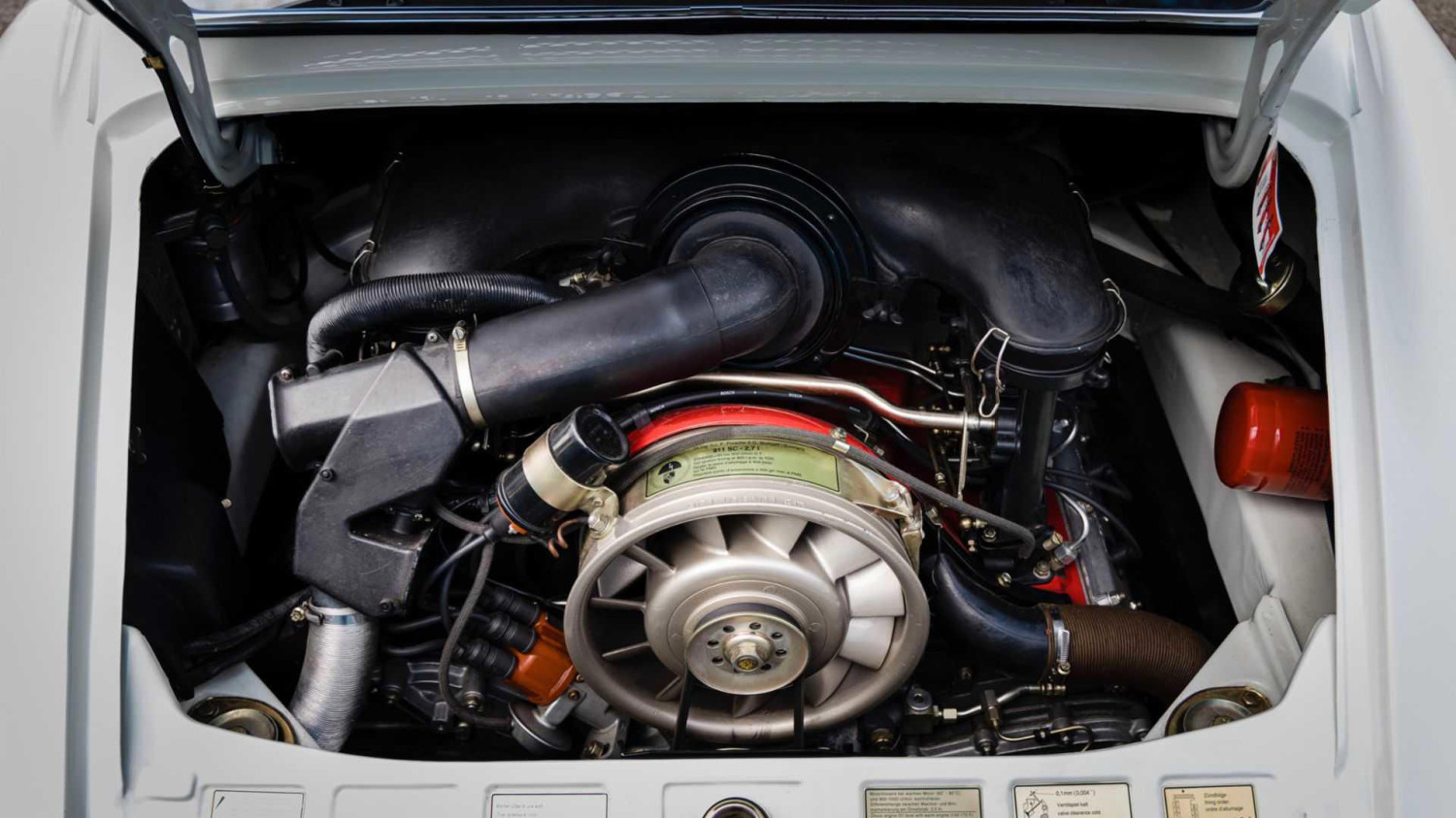
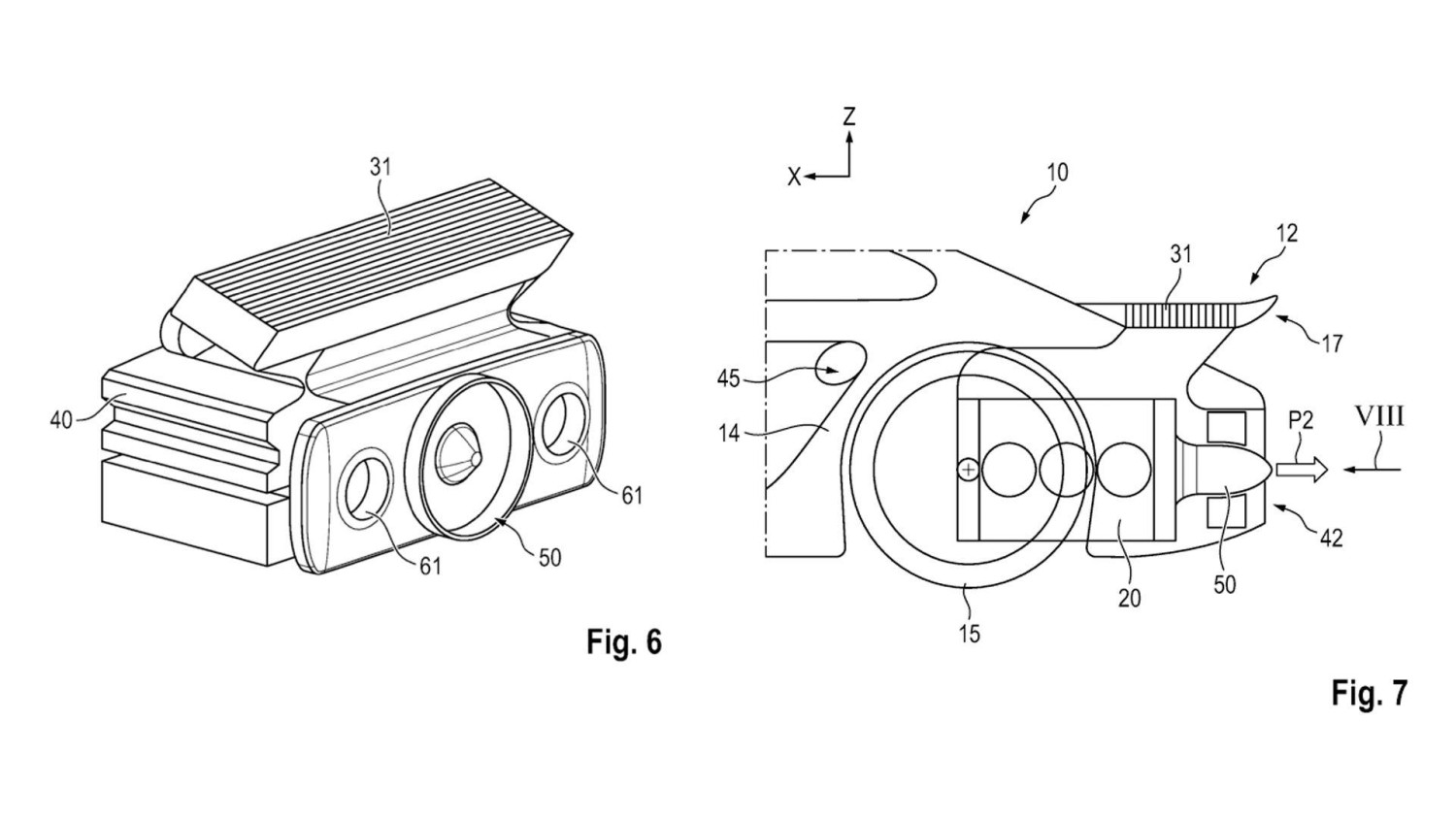
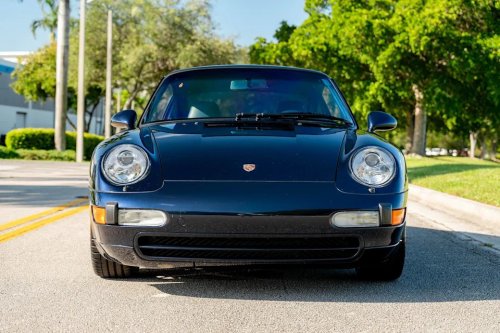
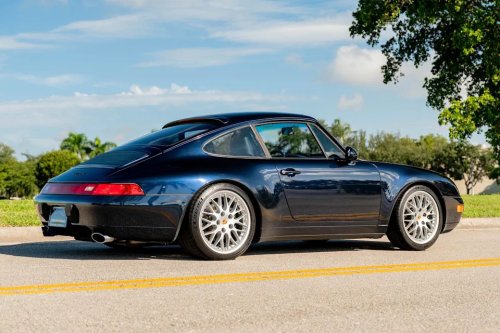
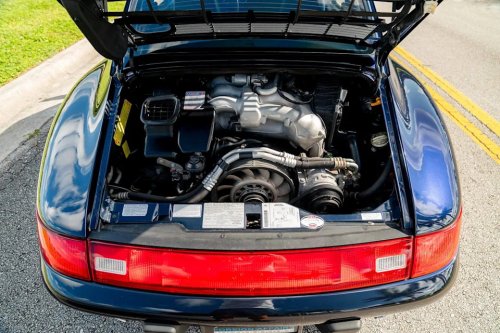
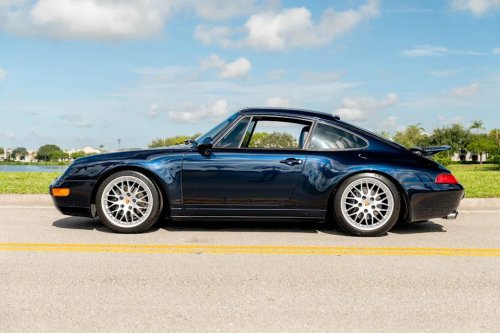
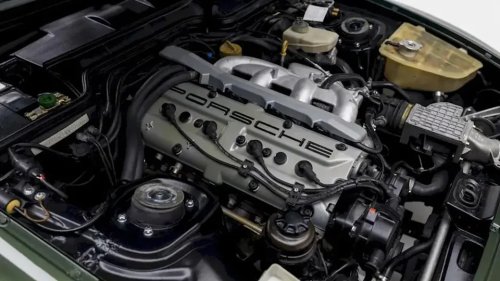
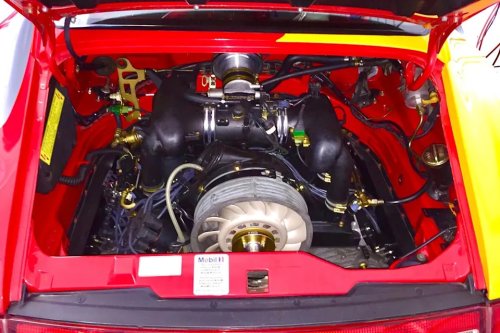
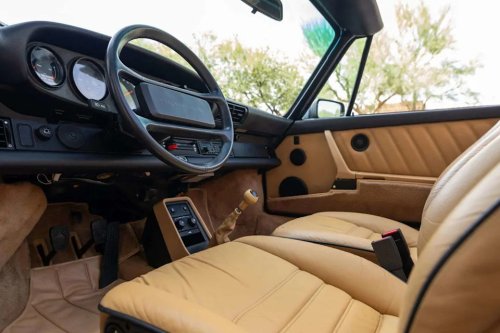
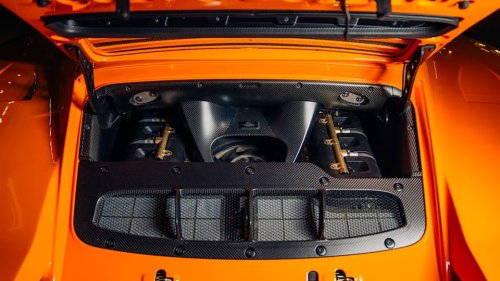
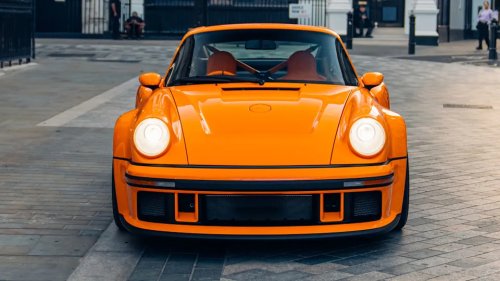
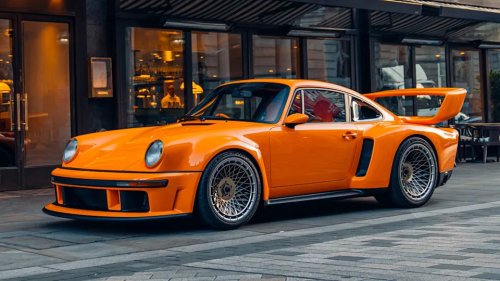
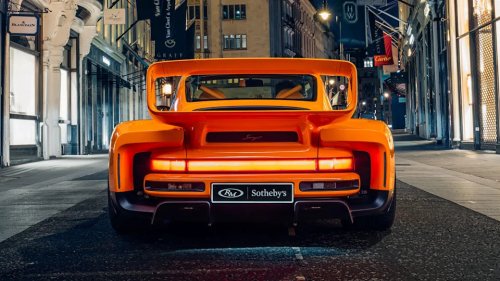
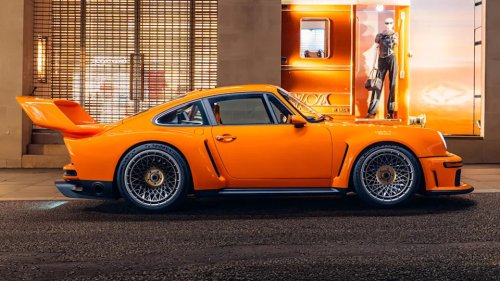
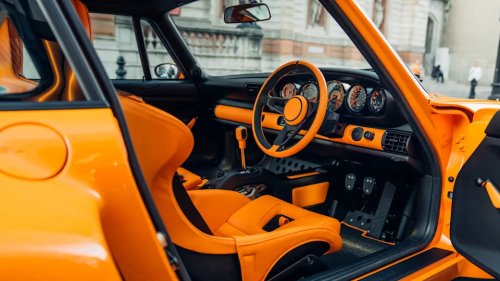
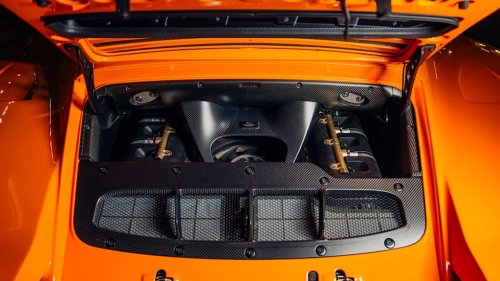
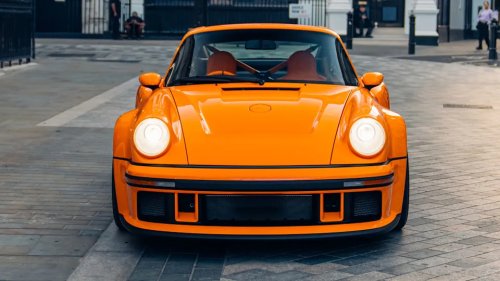
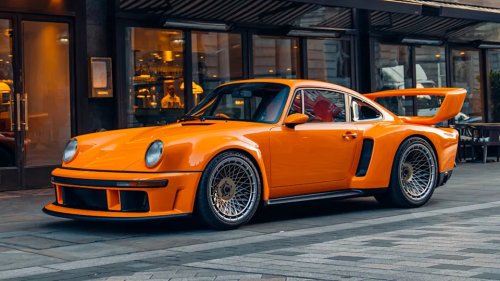
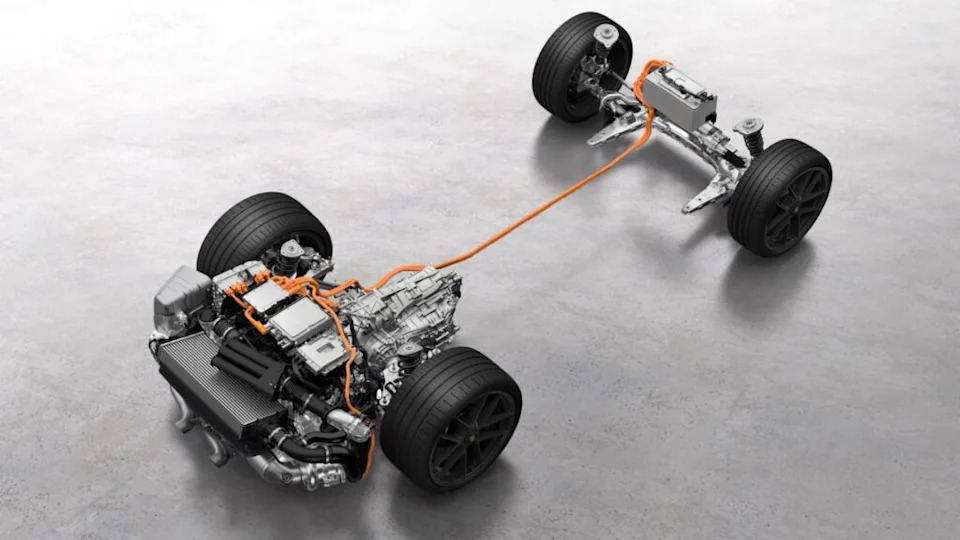
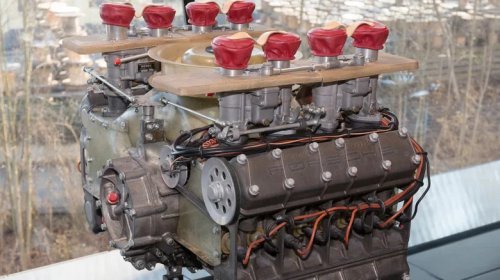
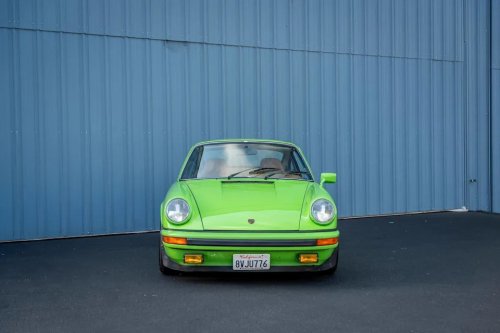
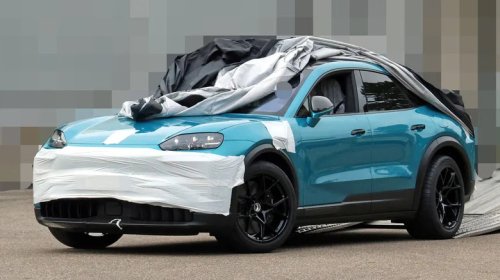
One of the biggest turning points in the Porsche 911's long history came in 1998. That's when the last air-cooled 911 rolled off the assembly line, effectively splitting the 911 hierarchy into two distinct eras: air-cooled and water-cooled. To this day, the most dedicated Porsche purists remain devoted to air-cooled engines, so much that they're willing to pay big money for restomod 911s combining modern performance with old-school air-cooled power.But what if it didn't have to be that way?CarBuzz has uncovered a patent from Porsche featuring a new engine design that relies heavily on air cooling to function. It's not entirely air-cooled, but it could well be the closest thing we'll ever see to those old waterless engines in a new, from-the-factory format. A Lot Of Air, Little Bit Of Liquid PorscheThis engine design represents an unusual approach to automotive cooling systems. Porsche is trying to reduce the size of its radiators and the frontal area they occupy, and it thinks that this might be the way to do it.The patent starts with a normal water-cooled engine. It describes an engine that has a conventional cooling system. Water flows through the engine block and cylinder heads before being piped to a radiator. It's nothing new. It's air-cooled simply by being in the breeze – air flowing over the engine helps bring down temperatures. So far, this sounds like every other engine on the market, but things get more interesting from here. And by interesting, we mean complex.A normal engine, even an air-cooled one (which, technically speaking, uses oil to cool much of the engine), sits in the flow of air. Any air that happens to go through the engine bay delivers some degree of chill.In this design, the engine is placed inside a large housing. More like a duct that is designed to bring air in, channel it around the engine, then exhaust it out the back. A fan at the rear of the engine pulls air through the duct, cooling the engine more effectively than ambient air alone while allowing Porsche to position the engine and air inlet in almost any orientation. But there's a bit more to it than that. What Makes It Both Air And Water Cooled? Porsche air-water cooled engine (1)The magic here, especially in regard to the air component, is how this all comes together. Porsche would add cooling fins to the outer surface of the crankcase, just like its old engines before water cooling. The air would also be used to cool the exhaust and the turbos. But, without the fan moving air, the engine would overheat.While we suspect that basically putting an engine in a box could have some accessibility issues for maintenance, Porsche says it can help reduce engine noise into the cabin. We think engine sound in a 911 might be something those buyers want, though it might be canceled out by the sound of the fan anyway – Porsche wants it to move 5,800 cubic feet of air per minute, more than double typical air-cooled 911 fans from the old days.But, Porsche says the benefits include the ability to fit smaller radiators for less frontal area, cutting drag. It could even manage with a single radiator mounted in the rear spoiler, so the cars would need much less water pump effort, less coolant, and an even smaller front grille. That seems like a pretty good thing. Provided the fan does its job.The invention is designed to work with mid and rear-engine cars, such as the 718s and the 911. Porsche's patent drawings show the design working on a flat-six engine.If building a sheet metal box around your engine isn't complex enough, Porsche wants to take it even further. A clutch between engine and fan as well as a multi-gear transmission – for the fan – are all part of the equation. Fan-cooled PDK, anyone?Patent filings do not guarantee the use of such technology in future vehicles and are often used exclusively as a means of protecting intellectual property. Such a filing cannot be construed as confirmation of production intent.Source: DPMA