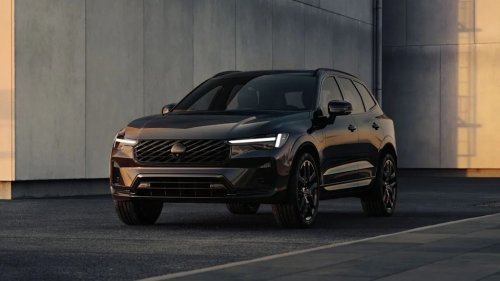
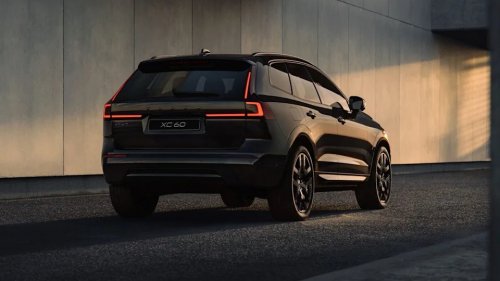
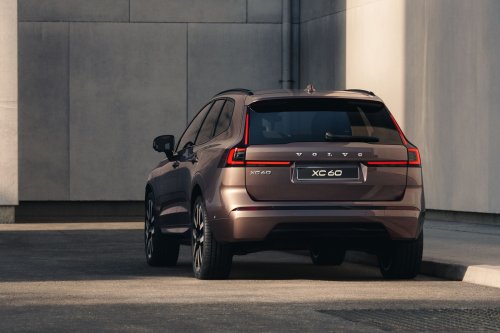
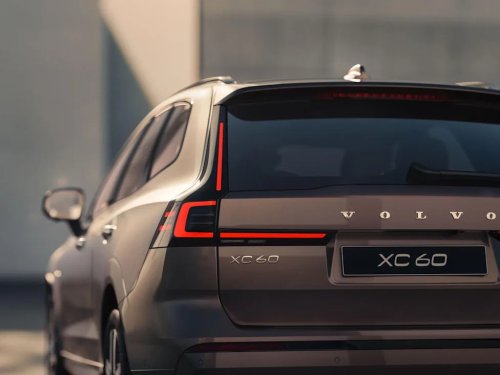
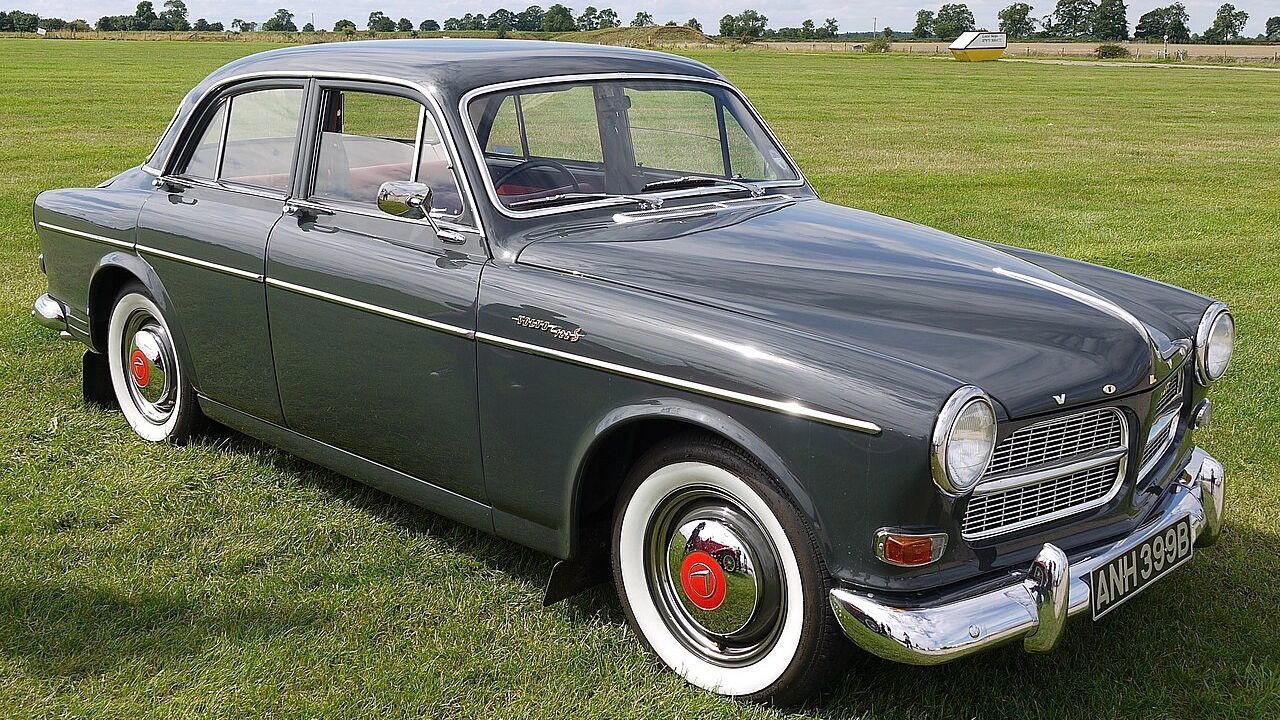
Most drivers miss the 1967 Volvo Amazon and what it introducedMost motorists scrolling through used-car listings or wandering around a local classic meet barely register the 1967 Volvo Amazon. Yet this upright Swedish saloon quietly introduced ideas that now define everyday driving, from the way seatbelts work to how family cars balance performance, comfort and durability. Looking back at that single model year shows how much of modern motoring traces to a car most drivers barely know by name. The unassuming Swede that shaped modern family cars The Amazon did not arrive as a clean-sheet design. It followed the PV444 and PV544 and shared their wheelbase, tall posture and high H-point seating, which gave drivers a commanding view and easy access that many crossovers now try to replicate. According to the Amazon entry, the car was offered in two- and four-door saloon form as well as a practical estate, which helped it serve as a family workhorse, a company car and a rally shell all at once. By the 1967 model year, the Amazon had already evolved into a globally important product for Volvo. It carried the internal designation 120 and sat at the heart of the brand’s range, bridging the gap between postwar austerity and a more aspirational middle class. That breadth of purpose helps explain why the car was engineered with a sturdier body shell than many peers, generous glass area and a driving position that encouraged long-distance use rather than short city hops. Later retrospectives describe the Amazon as a spacious successor that took the PV544 template and civilised it. A feature from a Swedish museum site on the Volvo Amazon notes that it became a symbol of dependable, everyday mobility. The tall roofline and upright pillars maximised interior room without resorting to the tailfins and excess chrome that dominated some rivals, which in turn gave the car a timeless, almost architectural look that has aged better than many contemporaries. The safety revolution that everyone copied The most significant thing the Amazon introduced was not visible at a glance. In 1959 the model became the first car in the world with factory-installed three-point seatbelts for front occupants, a step confirmed in Volvo’s own history of the Volvo Amazon. That decision transformed occupant protection and, over time, global safety regulation. Volvo’s engineers did not invent the idea of restraining occupants. As a heritage piece on the three-point safety belt explains, Seatbelts for vehicles already existed in two-point lap form, but they could cause serious internal injuries in heavy crashes. The three-point layout, which anchored the belt at shoulder and hip, spread forces across the chest and pelvis instead of concentrating them on the abdomen. It worked with the human body rather than against it. Volvo treated the belt as a public good rather than a proprietary advantage. A corporate history of the invention notes that Volvo Cars allowed other manufacturers to use the patent without aggressive enforcement, which helped the design spread quickly across the industry. A separate safety-focused press archive confirms that the Volvo Amazon in the 120 series was the first to receive the belt as standard equipment, rather than as an optional extra. The American market caught up a few years later. A dealership history notes that in 1963 Volvo began fitting three-point belts to its cars sold in the United States after a series of crash tests validated their effectiveness. Over time the design became standard on front and rear outboard seats, and regulators worldwide followed that template. Every time a driver clicks a modern belt into place, they are using a system that first went mainstream in an Amazon. Volvo’s own communications still treat that decision as a defining part of its identity. A corporate press release on the three-point belt describes it as the most effective lifesaver in the history of the car, a claim supported by independent safety research over subsequent decades. The Amazon was the test bed that turned a clever engineering sketch into a global standard. Why 1967 mattered inside the Amazon story Within that broader safety narrative, 1967 stands out for what it added to the formula. That year Volvo introduced a sporting variant called the 123GT, which combined the Amazon’s practical shell with a drivetrain borrowed from the company’s stylish coupe. A technical summary notes that the 123GT arrived as a Model 130 fitted with a high-compression four-cylinder B18B engine and an M41 gearbox that included overdrive. That mix gave the Amazon a new character. A specialist video history of the car refers to the Volvo 123 G as a rare, top-of-the-line version of the 120 series, aimed at drivers who wanted performance without sacrificing the solidity that had made the basic saloon popular. The same presentation describes how the 123 G sat at the peak of the range, with extra instrumentation, auxiliary lights and subtle trim changes that signalled its status without turning it into a boy-racer special. Those upgrades did not cancel out the Amazon’s safety lead. Period material and later retrospectives point out that the three-point belts remained part of the package, and the car still relied on a strong body structure that had been engineered from the outset for crash protection. The 1967 model therefore showed that safety and speed could coexist in the same family car, long before marketing departments started talking about “sporty yet secure” crossovers. Even outside the 123GT halo, the 1967 Amazon benefitted from incremental improvements that sharpened its role as a total package. An enthusiast piece on the 1967 Volvo Amazon describes it as a “Total Image Car” and highlights the way its styling, reliability and road manners combined into something greater than the sum of its parts. The car was not particularly fast, yet it had a strong reputation in period rallying and touring events because it could maintain high average speeds on poor roads without breaking. That blend of usability and character is part of why some modern commentators argue that the Amazon deserves more recognition among classic buyers. A buyer’s guide from a specialist marketplace notes that before Volvo became shorthand for safety in the public imagination, the Amazon had already pioneered the three-point seatbelt as standard equipment. In other words, the brand image many drivers now take for granted was forged in this car, and 1967 marked the moment when that safety heritage met a more expressive driving experience. Performance, design and the “Ferrari for the price of Volvo” line Contemporary road tests often described the Amazon as sensible and solid rather than thrilling, yet enthusiasts have long argued that the car’s dynamics deserve more credit. A feature on a European classic car site highlights how the twin-carburettor 1.8-litre engine turned the Amazon into something of a giant killer on back roads. That piece memorably calls a well-sorted Amazon a “Ferrari for the price of Volvo,” a phrase that captures how the car could punch above its weight without shouting about it. The 123GT sharpened that impression. By taking the B18B engine from the company’s coupe and pairing it with a compact saloon body, Volvo effectively created a sports sedan before the term became common. A modern video review of a surviving Volvo 123 G shows how the car still feels eager and communicative on modern roads, with light steering, predictable handling and an engine that rewards being worked hard. The host, Jack and his team, present the car as evidence of how good Volvo engineering once was in blending everyday usability with genuine driver appeal. Design also played a role in the Amazon’s lasting charm. The body lines are clean and slightly rounded, with subtle chrome strips and a simple grille that avoided the excesses of some period rivals. A social media post from Volvo’s official channels that juxtaposes a classic Volvo Amazon with a modern XC60 remarks that the 1967 model is especially notable for its advanced suspension and safety innovations, presenting it as a natural ancestor to the brand’s current bestsellers. Inside, the Amazon’s cabin was straightforward but thoughtfully laid out, with large, legible instruments and robust switchgear. The tall glasshouse created an airy feel, while the high H-point seating made it easy for drivers of different sizes to find a comfortable position. Those traits, documented in the Volvo Amazon entries across several languages, help explain why the car continues to appeal to owners who actually drive their classics rather than storing them as static investments. From showroom oddity to cult classic Despite its influence, the Amazon rarely appears in mainstream rankings of the most important cars of the twentieth century. Part of that blind spot stems from branding. Outside Scandinavia and a few key markets, the Amazon name was not always used officially, and many cars were simply sold as the 120 series. That split identity can make it harder for casual enthusiasts to connect the dots between the badge on a boot lid and the safety innovations they benefit from today. Another factor is the way the name “Amazon” has been repurposed in the digital age. For most people the word now calls to mind the global shopping platform at Amazon.com rather than a Swedish saloon from the 1960s. Search for “Amazon” and the first pages of results are dominated by e-commerce, cloud services and streaming, not upright cars with chrome bumpers. The car has effectively been pushed down the algorithmic memory hole. Yet among those who know what to look for, the 1967 Amazon and its relatives have become sought-after classics. Regional versions of the Volvo Amazon history show how enthusiast communities in Denmark, Germany, Spain and Finland keep detailed registries of surviving cars, tracking chassis numbers, original colours and period accessories. Owners value the car not only for its engineering but also for its ability to handle daily use in a way that many older classics cannot. Corporate heritage projects have also helped restore the Amazon’s profile. The World of Volvo experience center in Gothenburg, promoted through ticketing pages such as History and map listings like Volvo Amazon directions, frequently features the car in exhibitions about safety and design. The company’s global sites, including Volvo Group and Volvo Cars, reference the Amazon when explaining how their modern products build on decades of safety research. Online video has given the car a second life as well. Enthusiast channels that rely on tools documented in developers resources use long-form features to walk viewers around surviving Amazons, explaining details such as the location of the fuel filler, the design of the rear suspension and the way the doors shut with a reassuring clunk. Those presentations often highlight the 1967 123GT as a high point, since it combines the most advanced mechanical specification with the classic early body style. Why most drivers still miss what the Amazon introduced Modern motorists benefit from the Amazon’s legacy every time they buckle a belt, sit in a car with good all-round visibility or enjoy a family saloon that can cover long distances without drama. Yet few connect those everyday experiences to a specific Swedish model built in the 1950s and 1960s, and fewer still to the particular significance of the 1967 cars. More from Fast Lane Only Unboxing the WWII Jeep in a Crate 15 rare Chevys collectors are quietly buying 10 underrated V8s still worth hunting down Police notice this before you even roll window down



















 +54 others