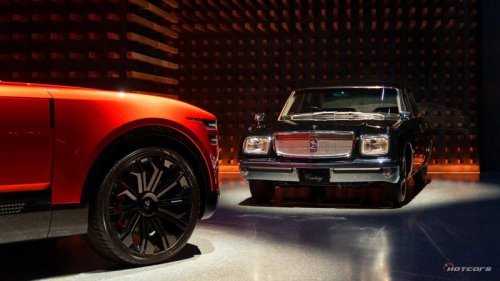
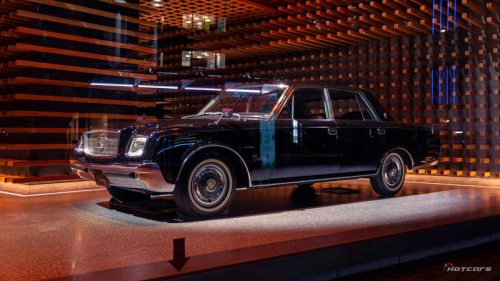
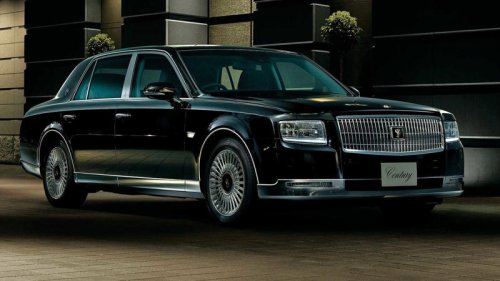
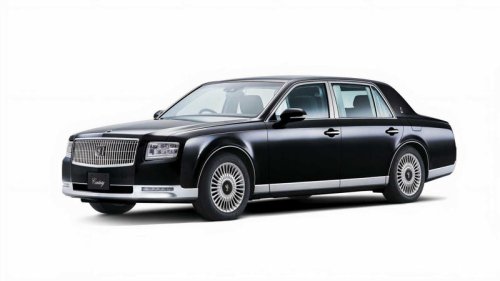
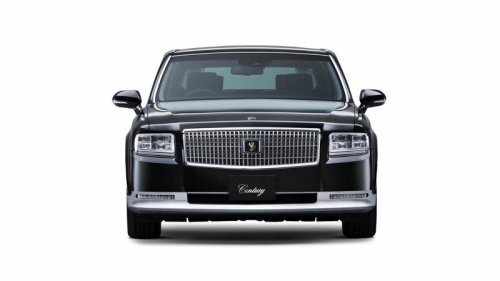
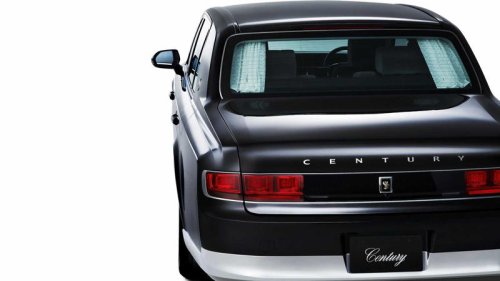
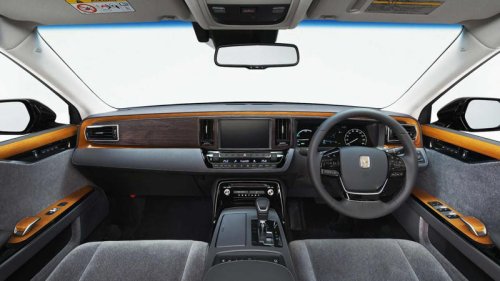
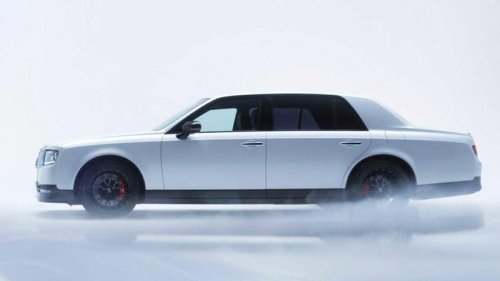
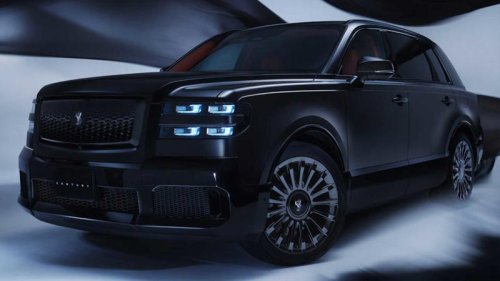
Toyota built its name on cars that start every morning, shrug off abuse, and ask for little more than gas, oil, and tires. That reputation made the brand famous, but it also taught the world to expect sensible sedans, durable crossovers, and hybrids that hate drama. So the idea that one of the smoothest V8s still sold in a new sedan comes from Toyota feels like a joke with excellent timing. Yet that is the odd truth sitting in Toyota’s global catalog as 2026 begins right now. One sedan still carries an engine layout that most brands have already sent to history.That matters because the world of luxury cars has spent years downsizing, turbocharging, or going fully electric, especially in big four-doors. Toyota followed that trend almost everywhere else, but it kept one formal sedan alive with a powertrain that feels wonderfully stubborn. The car delivers silence, dignity, and rear-seat comfort with the kind of care enthusiasts usually reserve for sports cars. The Car That Still Feels Like It Belongs To Another World Ayesh Seneviratne / HotCars The Toyota Century sedan sits in Toyota’s lineup like a reminder that luxury did not always need to shout. Toyota originally launched the nameplate in 1967 as a homegrown flagship for Japan, and the current third-generation model arrived in 2018 as the first full redesign in more than two decades. That long gap tells its own story — the Century was never a car Toyota rushed to update with every passing trend. It was built to serve a role, and that role still feels almost untouched by the modern luxury rat race.That role starts with presence. The Century is huge, formal, and unapologetically old-school in shape. It stretches more than 17 feet long, with a long wheelbase and a roofline that puts the focus exactly where Toyota wanted it – the rear cabin. This is a sedan built around the person stepping into the back seat, not the driver and their ego. In a market full of luxury cars trying to look aggressive, the Century does something far harder — it looks calm and important without trying too hard.Ayesh Seneviratne / HotCars Inside, the same attitude carries through. The rear seat gets the VIP treatment with its own controls, entertainment screens, an ottoman, reading lamps, and the kind of space that makes most modern sedans feel like they skipped leg day. The Japanese firm treated the cabin less like a tech showcase and more like a rolling private lounge — the point is not to wow passengers with gimmicks, but to make the outside world feel far away. It is the kind of car that makes traffic feel less annoying, which might be the most impressive luxury feature of all. A Flagship Built For Quiet Authority, Not Attention Via: Toyota The Century’s design works because it understands restraint. Toyota gave it an upright grille, clean body sides, and a balanced shape that avoids the oversized drama now common in luxury cars. Even the famous phoenix emblem fits that approach — it adds identity without turning the front end into a rolling billboard.That feeling grows stronger when the details start to show themselves. Toyota’s craftsmanship on the Century goes far beyond assembly-line neatness – the paint finish, trim work, and overall fit are treated with a level of care that feels closer to coachbuilt luxury than anything most people expect from a Toyota showroom. The company has long positioned the Century as a car for quiet dignity, and everything about it backs that up.Then there is the interior material choice, which says a lot about the car’s priorities. Instead of assuming every luxury buyer wants flashy leather, Toyota made fine wool upholstery the standard fitment. That sounds unusual until the logic clicks — wool feels warm, soft, and understated, which matches the rest of the car perfectly. The Century is full of choices like that. In a world full of luxury machines screaming for attention, the Century is the one clearing its throat politely and still owning the room. Yes, You Can Still Get The Century With A V8 In 2026 ToyotaToyota’s current Japanese-market Century sedan still uses a 5.0-liter V8 hybrid system. The latest available Toyota spec sheet, dated December 2025, lists a 4.968-liter 2UR-FSE V8, rated at 381 horsepower and 510 Nm of torque, paired with a 221 hp electric motor, an electronically controlled continuously variable transmission, rear-wheel drive, and a nickel-metal hydride battery.The important part here is the way this V8 behaves. Toyota never sold the Century as a muscle sedan, and the numbers only tell part of the story anyway. The hybrid system lives inside a car the brand tuned around serenity, and the company’s current spec sheet still lists a combined WLTC fuel-economy figure of 11.2 km/L (around 26.5 US mpg) for the latest specification. Toyota talks about seamless acceleration, reduced startup vibration, battery-cooling changes for better quietness, active noise control, and suspension tuning aimed at ride comfort. Why Toyota Kept A V8 Here When The Industry Moved On Toyota The easy answer is tradition, but that is only half right. Toyota kept the V8 because the Century still serves a very specific job, and that job has little to do with bragging rights. The automaker describes the car as a chauffeur-driven flagship for VIP rear-seat passengers, and the company’s engineering notes keep circling the same words – quietness, serenity, smoothness, and comfort. In a car like this, the best drivetrain is the one the rear passenger barely notices. The engine matters less as a headline and more as a tool for making everything feel effortless, whether the passenger is working or resting.Toyota also did not keep the V8 by ignoring the rest of the market. The Century sedan uses a hybrid system, not a thirsty old-school setup, and the newer Century SUV moved to a 3.5-liter V6 plug-in hybrid with all-wheel drive. Toyota clearly knows where the industry is going, but it just decided that the sedan’s role still calls for a different answer. That makes the Century feel less like a fossil and more like a deliberately preserved tool, the automotive version of keeping a very sharp chef’s knife instead of replacing it with a trendy gadget.Toyota There is also a heritage angle that enthusiasts should not ignore. The second-generation Century used a V12, and the current car replaced that with a V8 hybrid when the third generation launched in 2018. The brand framed that change as legacy and evolution, not as a clean break. It kept the formal proportions, the craftsmanship, the rear-seat-first layout, and the sense of occasion, then updated the powertrain to meet modern efficiency demands. Seen that way, the V8 is the compromise that lets the Century remain the Century. It carries enough mechanical gravitas to feel special, but it blends with hybrid tech so the car does not feel trapped in 1998.Toyota The deeper reason may be simpler than all the romance — the Century has different performance targets. Sports sedans sell steering feel, lap times, and launch-control clips, but the Century sells body control over broken pavement, low noise at idle, gentle engine starts, and a cabin that does not disturb a conversation or a nap. Toyota improved rigidity with structural adhesives, tuned the suspension and tires for comfort, used active noise control, expanded rear-seat space with a longer wheelbase, and even reduced the step between the scuff plate and the floor to ease entry and exit. Horsepower still matters, but in this car, not spilling tea over a speed bump probably matters more. What It Costs And Where It Fits Via: Toyota The Century sedan starts at ¥23,000,000 in Japan, which works out to about $145,900 with the current exchange rates. This is full six-figure flagship money and sits in the same mental space as hand-built luxury hardware, not loaded commuter sedans with heated seats and good intentions.That number also shows how far the Century has moved. When Toyota launched the current-generation sedan in 2018, it started at ¥19,600,000. Using that same March 2026 exchange rate just for clean apples-to-apples context, that is about $124,300. In other words, the base Century sedan now costs roughly $21,600 more than the 2018 launch car would at today’s rate. That is a serious jump, but it also fits the Century’s role – Toyota never pitched this sedan as a bargain. Century Sedan Vs. Century SUV Via: Toyota The sedan and SUV now sit side by side, but the price gap tells part of the story before either one even leaves the curb. The Century SUV starts at ¥27,000,000, or about $171,300 at the same exchange rate. That puts it roughly $25,400 above the sedan. So while the sedan is already deep into flagship territory, the SUV pushes even further into the kind of bracket where buyers stop asking whether it is worth it and start asking whether it fits the image they want. The sedan feels like the more traditional expression of the name. It is the formal car, the long-roofed one, the machine that looks like it should glide into a hotel entrance with perfect timing. The SUV, by contrast, is the modern expansion of the Century idea. It costs more, sits higher, and clearly aims at buyers who want the same prestige with a different silhouette. One is old money in a dark suit, the other is old money that discovered architecture magazines.Source: Toyota