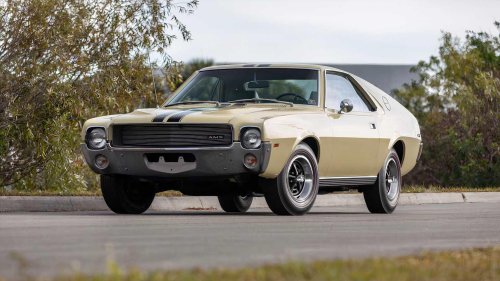
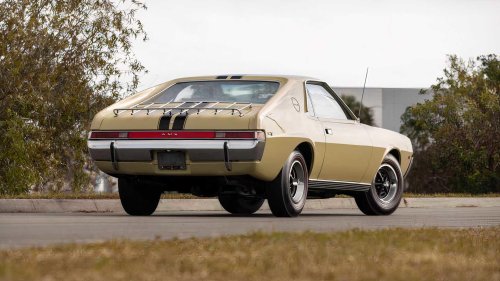
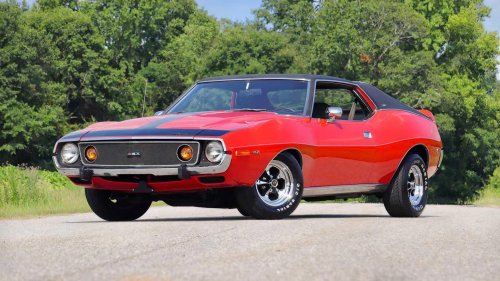
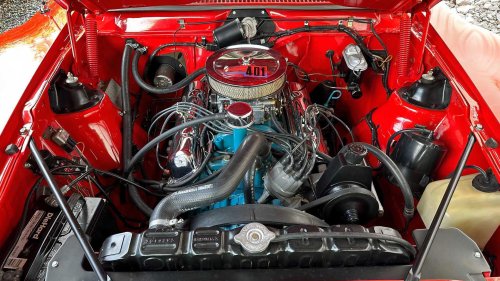
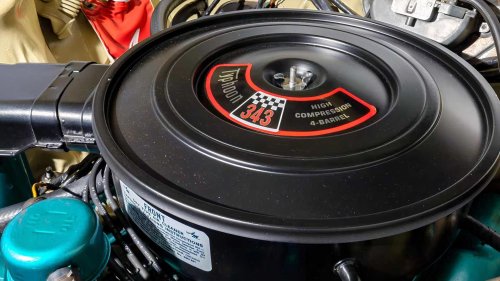
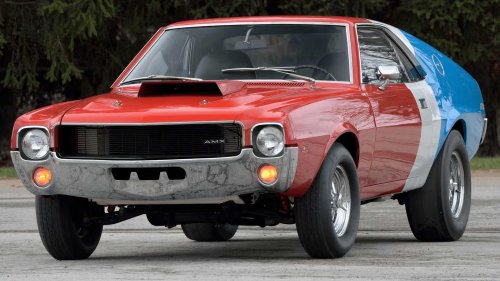
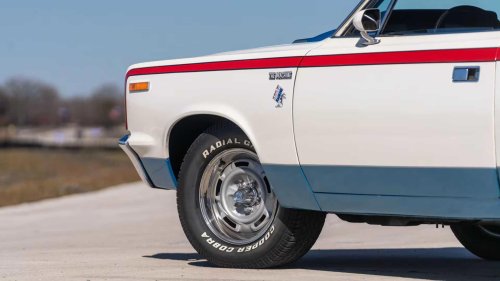
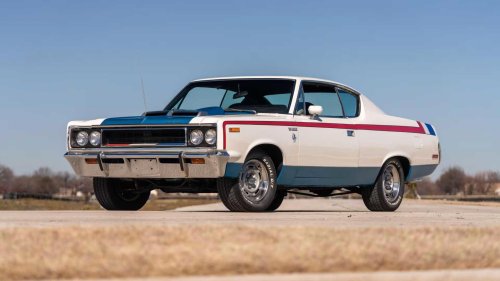
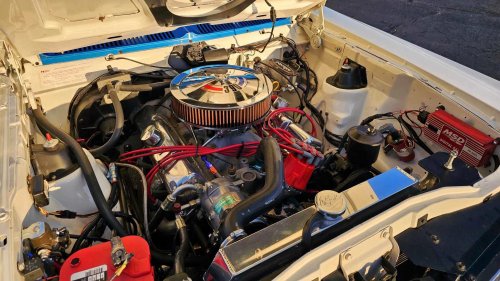
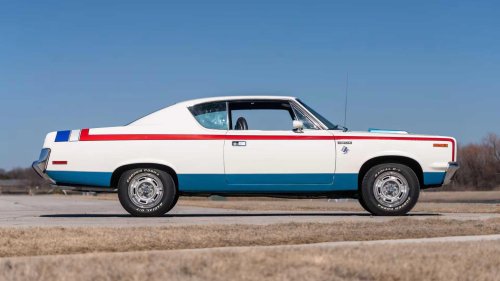
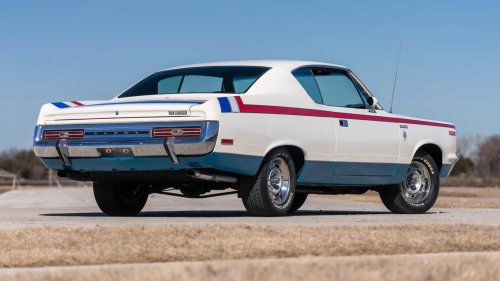
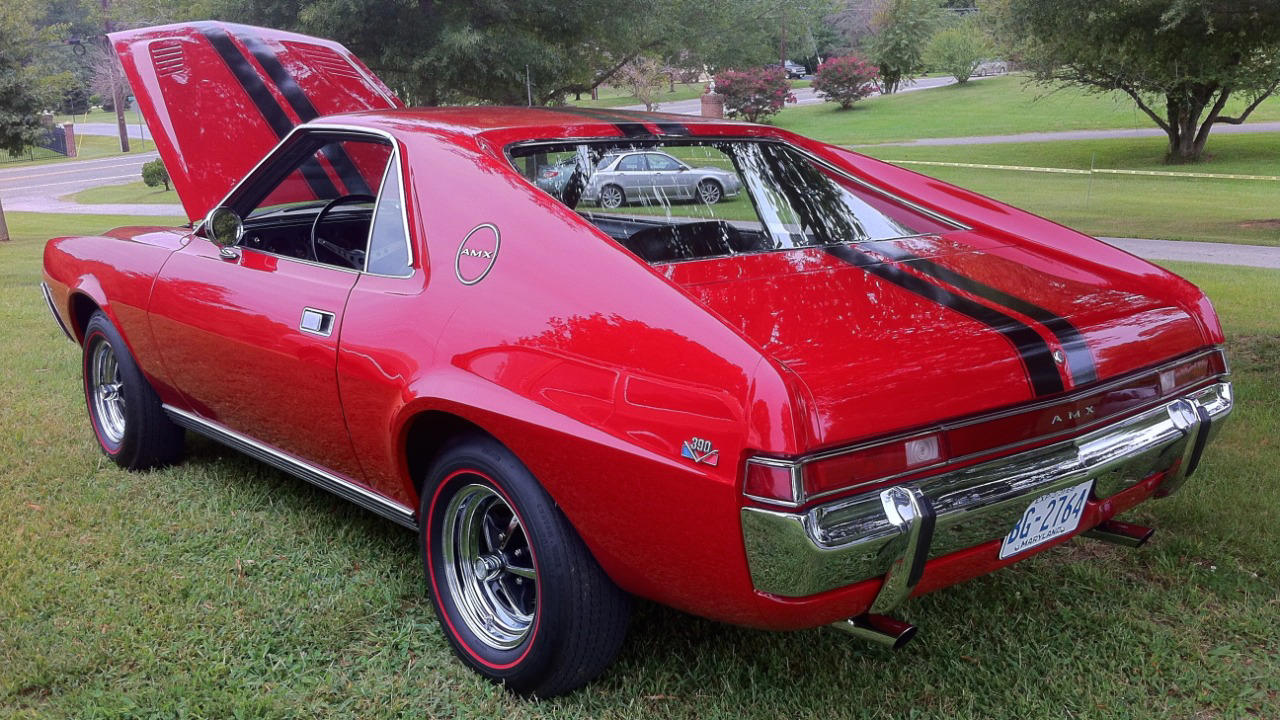
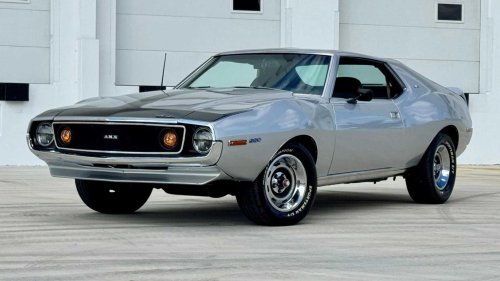
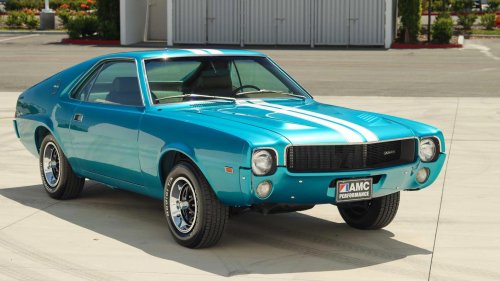
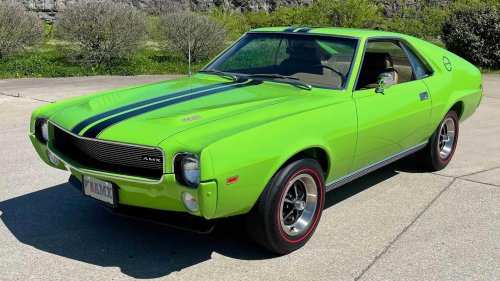
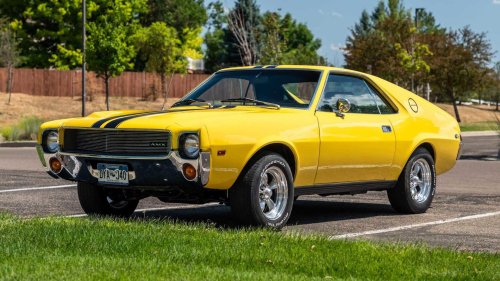
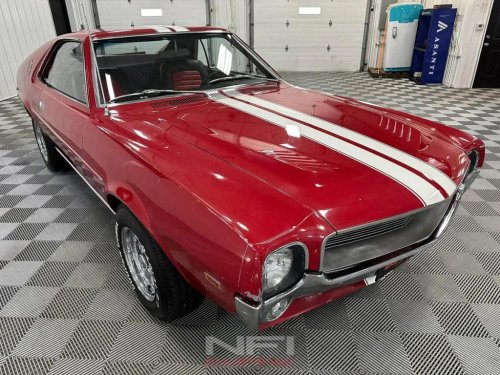
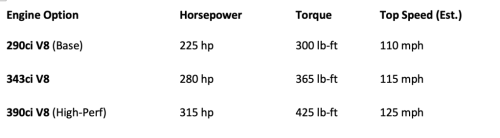
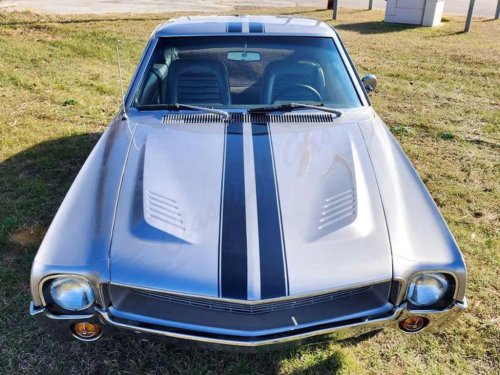
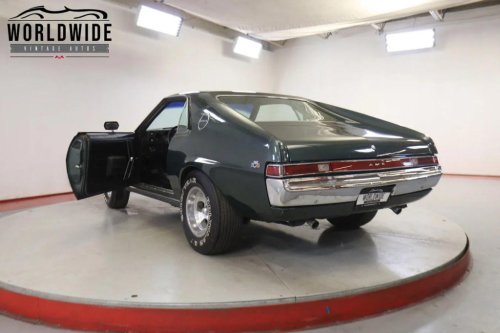
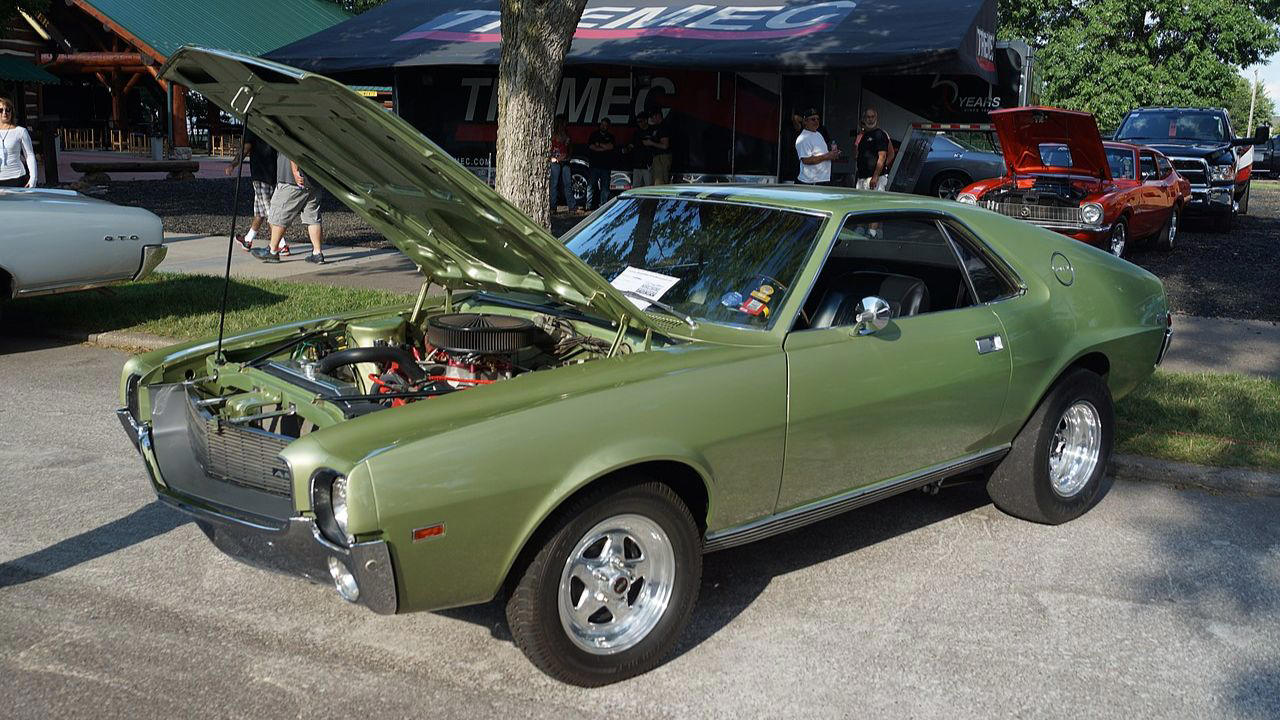
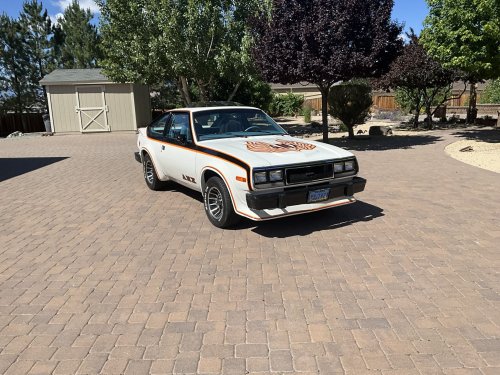
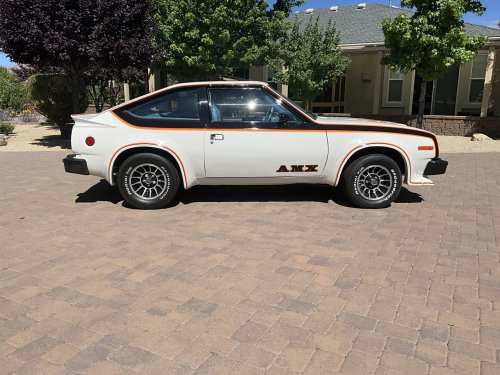
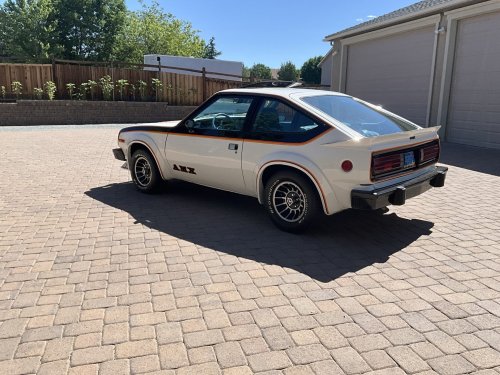
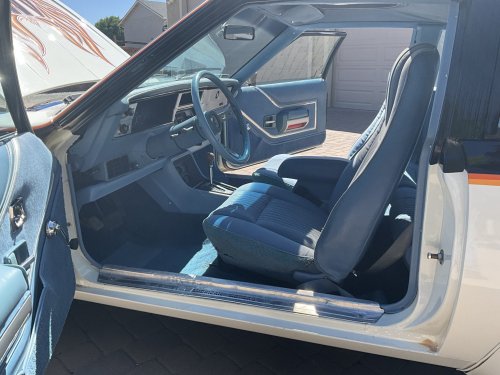
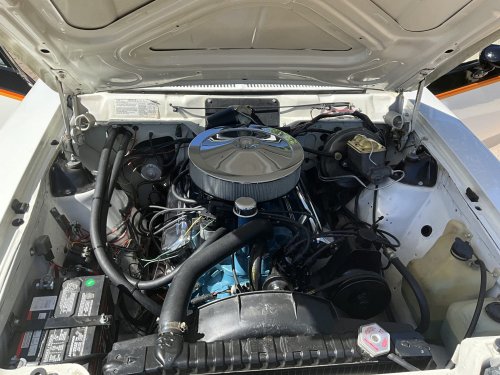
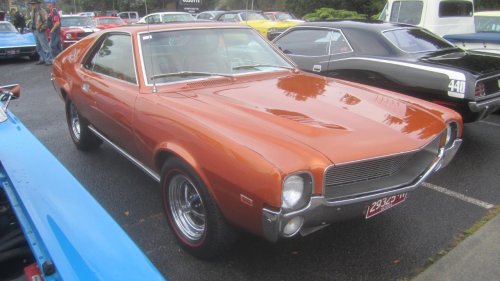
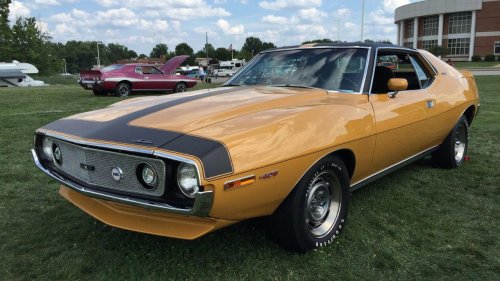
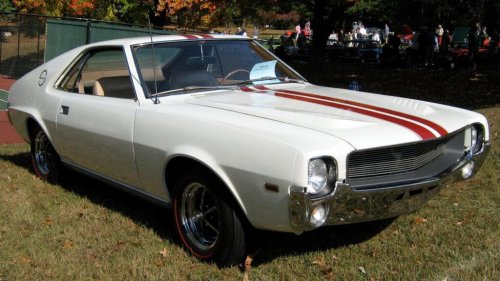
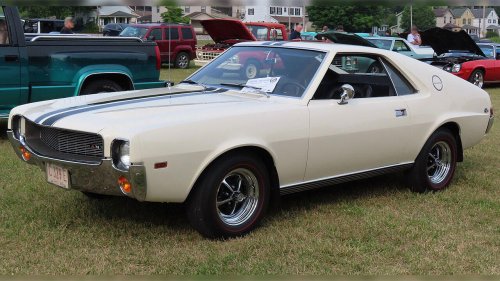
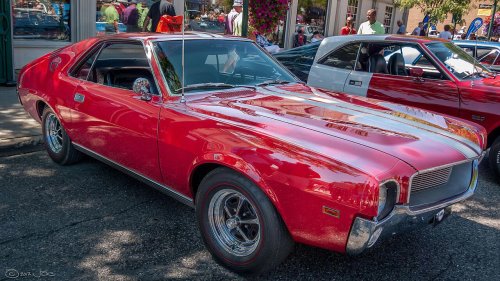
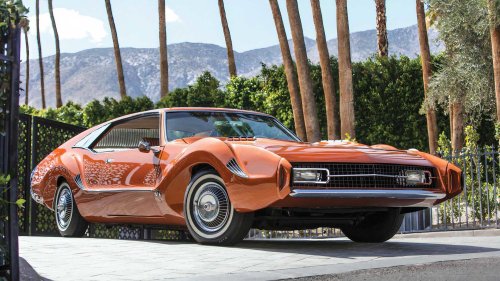
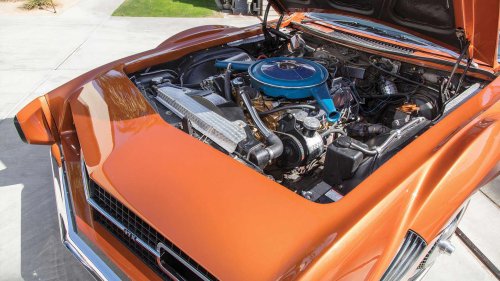
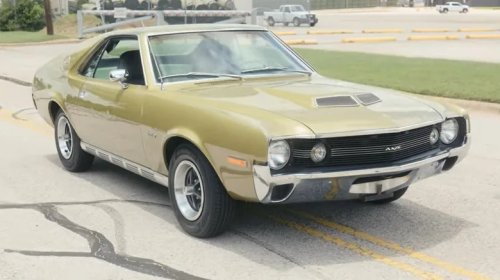
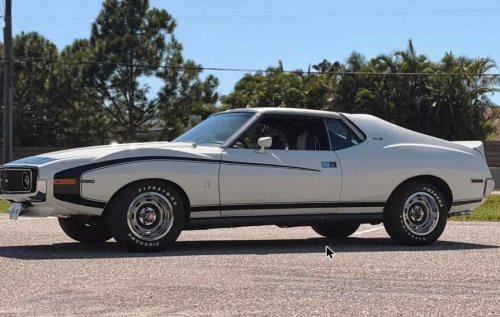
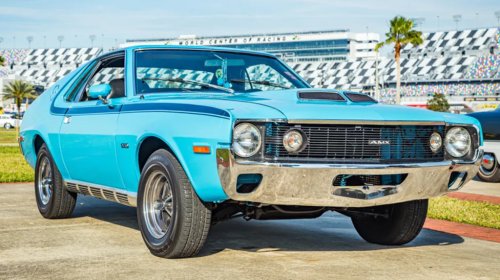
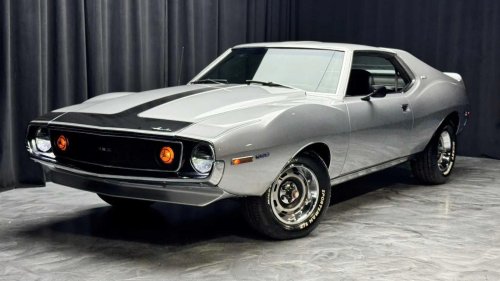
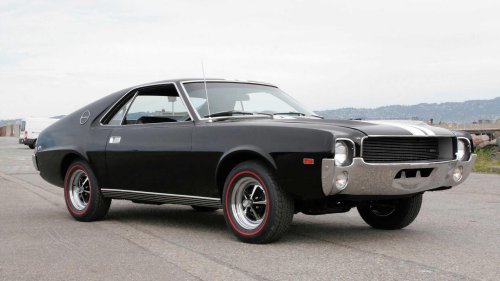
AMC built a reputation for building solid, affordable vehicles, but was never considered a particularly cool automaker. They aimed to change that perception in the midst of the Golden Age of American Muscle with a radical two-seat muscle car/sports car crossover known as the AMX. Of course, being a smaller car company meant that they didn't have a ton of cash for research and development, so they had to work a lot smarter, especially on the engineering side of things.The AMX wasn't just a marvel of design; there were dozens of innovations inside and out, making it one of the most amazing rides of the classic era. Consistently ranking as one of the best-engineered vehicles of the late 1960s, the AMX was meant to be AMC's flagship model and to conquer offerings from the Big Three. Obviously, that never happened, but it wasn't because the AMX sucked and, in fact, it may have been the single finest Golden Age ride that, for whatever reason, slipped through the cracks.In order to give you the most up-to-date and accurate information possible, the data used to compile this article was sourced from various manufacturer websites and other authoritative sources, including AMC and SAE International. AMC's AMX Two-Seat Gamble 3/4 front view of 1968 AMC AMXThe raging success of the Pontiac GTO and Ford Mustang in 1964 sent all American automakers scrambling to replicate them, and the big prize was bringing in younger buyers. AMC was viewed as a company for thrifty old folks, so they were desperate to appeal to the under-30 crowd and started with an American Motors eXperimental concept car in 1965 that was a big hit on the car show circuit. While muscle and pony cars of the time had a lot of sharp angles, AMC made a smooth design that would be copied later by all the other carmakers. This show car was such a hit that it got the green light for the 1968 model year as the AMX. 1968 Junior Platform Spec Comparison Built on AMC's "Junior" platform, the AMX was the first two-seat American car introduced since the Corvette and Thunderbird, but it wasn't necessarily taking aim at either of those vehicles. The pony car segment was the target, and the AMX had a lot to offer over the Mustang, Camaro, or Barracuda. It was visually stunning, offered superior performance at the base model, and had a much friendlier MSRP. Despite having a great aerodynamic design, the AMX wasn't built from wind tunnel test results; engineers just kind of lucked out that this wicked-looking ride could split the wind like a battleaxe through a Jello mold. The Javelin Effect Bring a Trailer The previously mentioned lack of development dollars meant that the AMX was designed alongside the Javelin, also introduced in 1968. The money-saving didn't stop at conceiving the similar cars simultaneously, as there was another budget design aspect. AMC couldn't afford to come up with both a fastback and notchback version of the cars, like the Mustang offered, so lead designer Dick Teague split the difference, combining the styles. As it turned out, this hybrid design was actually pretty damn cool, and it all came from a place of cutting costs. Big Bad Colors BBG 1969 AMC AMXWhile not a radical design aspect, AMC introduced a fun paint package known as the "Big Bad Colors," which helped set the AMX apart. Everybody had a flashy red, but many muscle cars of the day came with boring schemes like tan, cream, and brown. AMX buyers, however, could opt for crazy neon shades like Big Bad Green, Big Bad Blue, and Big Bad Orange. It was part of the effort to appeal to younger buyers, as nothing kills the vibe like old fogey earth tones on an otherwise kick-ass looking car. Engineering On A Budget Bring a Trailer To coincide with the introduction of the AMX, AMC wanted to debut a new high-performance 390ci V-8 to propel it. Again, the company was working on a budget, so they developed it based on the gen-two short-deck engine design, which could achieve various displacements through bore and stroke variation, but used the same block and interchangeable parts. It started with a 290 in 1966, followed by a 343 in 1967, but they needed the 390 in time for the AMX in 1968. As such, the 390 never went through the normal test phase, as it would have delayed the engine beyond the AMX debut. AMC 390 Specs Displacement: 390ci Configuration: 90º naturally-aspirated V-8 Fuel: Gasoline Fuel Delivery System: Four-barrel carburetor Bore x Stroke: 4.165 in × 3.574 in (105.8 mm × 90.8 mm) Compression Ratio: 10.2:1 Power: 315 HP Torque: 425 LB-FT Max Engine Speed: 5,000 RPM To get around any potential problems, AMC went ahead and packed the 390 with heavy-duty forged steel crankshafts, connecting rods, and cams that they knew would withstand any kind of punishment. The engine used "rectangle port" heads, named for the exhaust port shape, which provided better fuel efficiency, though that wasn't much of an issue in '68. The biggest advantage of the AMC V-8 was that it used thin-wall casting, which greatly reduced its weight. Coming in at 540 pounds, it weighed 100 pounds less than the Ford 390, making it a great performance engine for an innovative car. Suspension Animation Bring a Trailer The greatest thing about the AMX, which gets almost no recognition, is that it was the best ride out of any car in the world at the time. American muscle cars were awesome in a straight line, on a smooth surface, but once the road got bumpy, they were all over the place, and in the turns, the body roll was significant. The AMX had coil springs and a sway bar in the front, with a four-link coil-over system and traction bars in the back. Everything was heavy-duty to compensate for the added performance of the vehicle and resulted in a smooth, road-hugging ride that Chevys, Fords, and Mopars were jealous of. Safety First Bring a Trailer The AMX was also a safety leader, with several innovations that would eventually become industry standards. First, AMC developed a one-piece injection-molded dashboard to soften the blow in a collision, which saved untold concussions and split-open heads. The other, more important innovation was that the AMX was the first car to utilize safety glass in the windshield, which would essentially crumble upon impact. We take this for granted today, but at the time, it was a radical advance that greatly reduced injuries. For that and more, the AMX was awarded the best-engineered vehicle in 1969 and 1979 by SAE International. Pony Car Power Trip 3/4 front view of 1968 AMC AMXAll the creative engineering and accidental innovation that went into the AMX was a matter of necessity due to AMC's limited capital, but it ended up in a fairly spectacular ride. The point of the AMX, however, wasn't to annihilate the competition, but rather to be just as good for less money. In reality, the AMX was on par with other pony cars with similar displacement engines. In 1968, the AMX 390 could line up with a Mustang GT 390 or Barracuda Formula S 383 and hold its own. We can find no record of this epic drag race, so TopSpeed is pitting these three iconic pony cars in the ultimate rear light challenge. '68 Pony Car Showdown It's almost eerie that the AMX, Mustang, and Barracuda all made 14.8-second quarter-mile passes, but that is a testament to the work AMC put in on this car. It should be noted that the Chrysler 383ci V-8 was actually rated at 330 horsepower, but for some bizarre reason, the Barracuda had a restrictive exhaust system that sapped 30 ponies. There's no way of knowing how much Plymouth and Ford spent on R&D for their respective pony cars, but it's a guarantee that it was far less than what AMC put into the AMX to make a ride that matched their performance. The Price Of Innovation Mecum The entire point of the AMX was to attract younger buyers and shift the perception of the AMC brand from fuddy-duddy to far-out, man. A hot design and better-than-average performance were key components to that, but more important was the price, as buyers in their 20s tended to have less disposable income. The 1968 AMX started at $3,245, which AMC was quick to point out was $1,000 less than the Corvette. Again, the AMX wasn't really meant to compete with the Corvette, but it was a great selling point.Both the 1968 Mustang GT 390 and Camaro SS went for around $3,500, so the AMX was the budget-friendly option in the pony car segment. $255 doesn't sound like a lot of money now, but adjusted for inflation, that's $2,355, which was a big chunk of change for a 22-year-old, fresh out of college back then. It didn't matter that the AMX was chock full of creative engineering and innovative features, as it was the cheapest way to look cool and go fast in the Golden Age of American Muscle, hitting the trifecta of price, personality, and performance.

























 +5 others