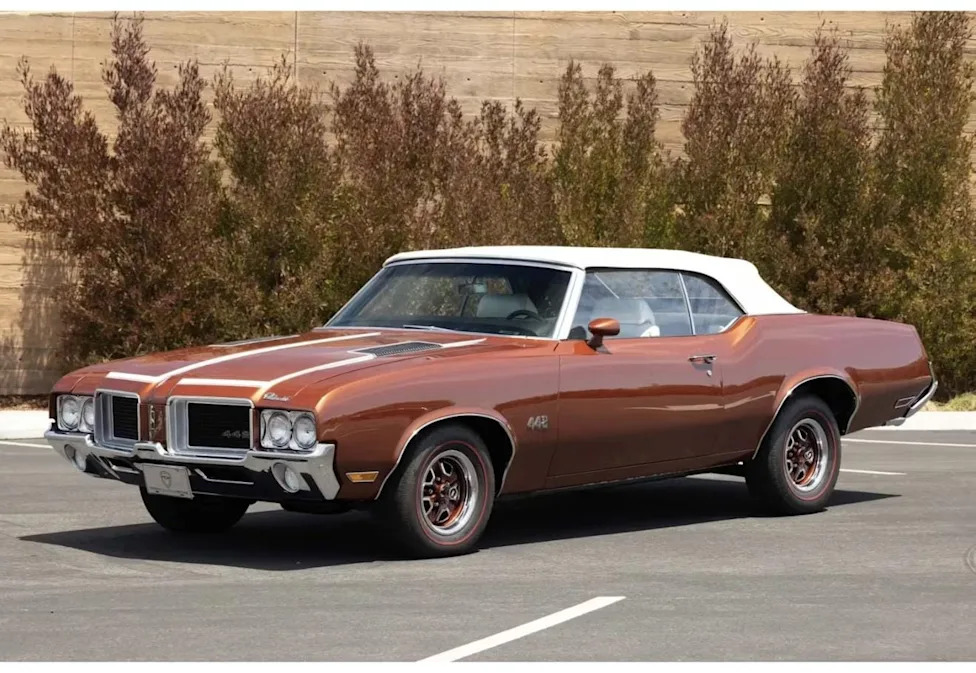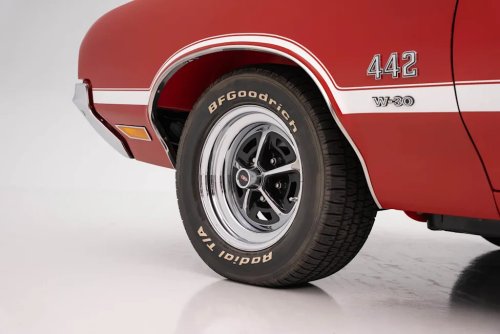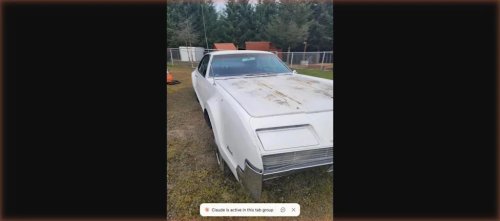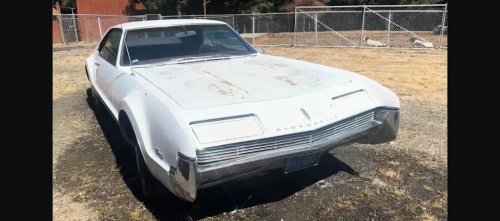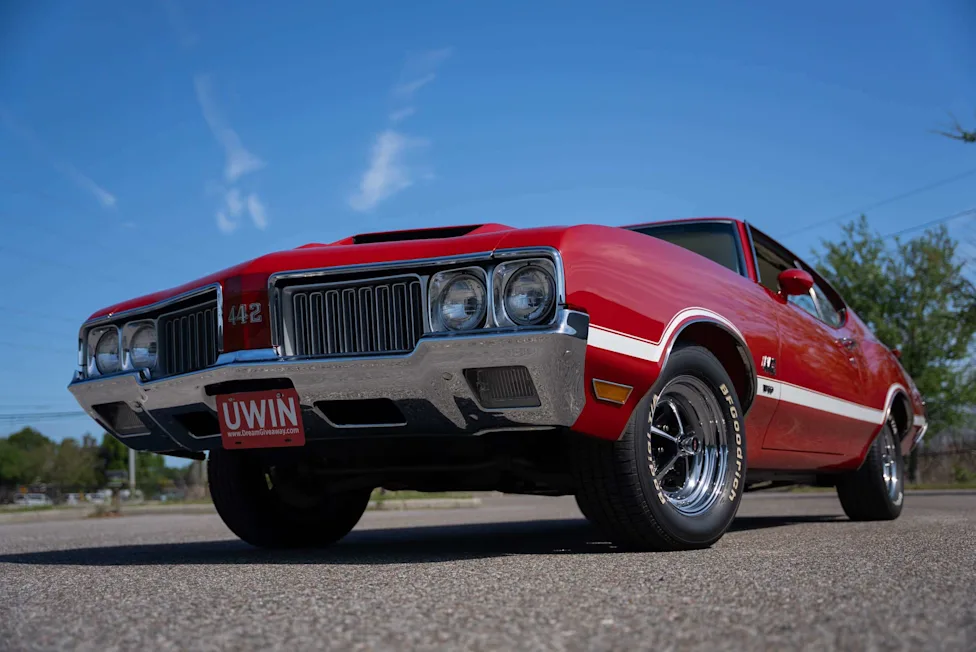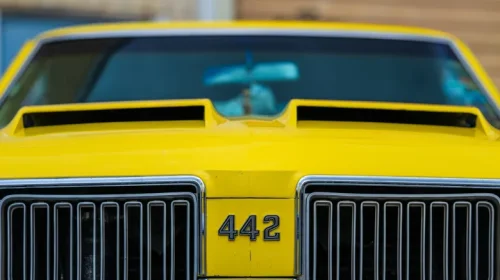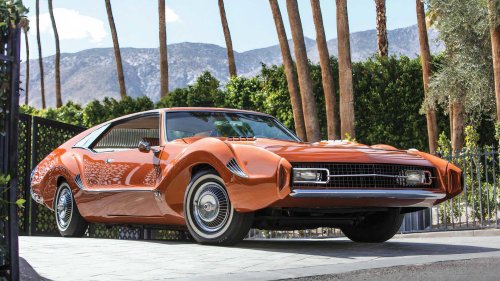
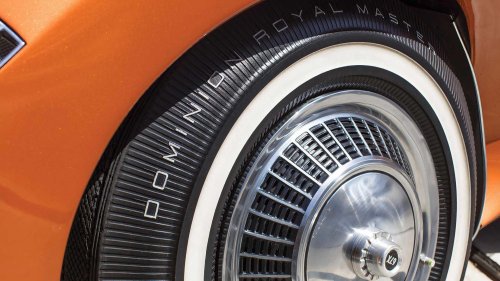
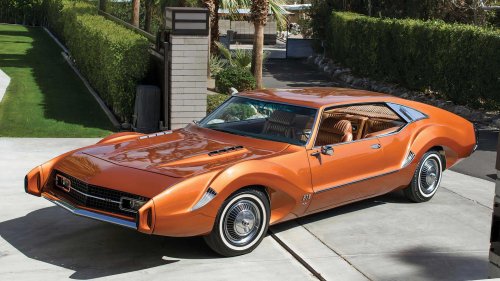
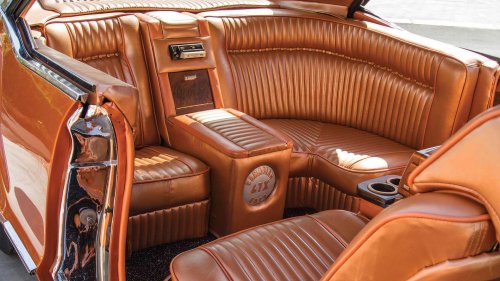
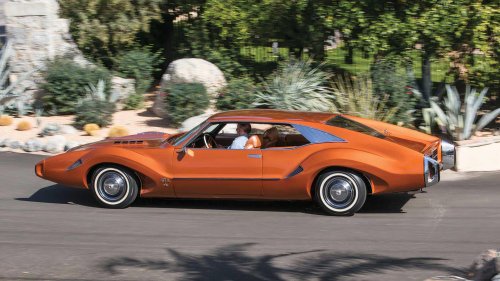
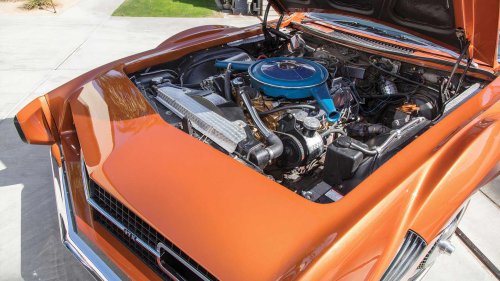
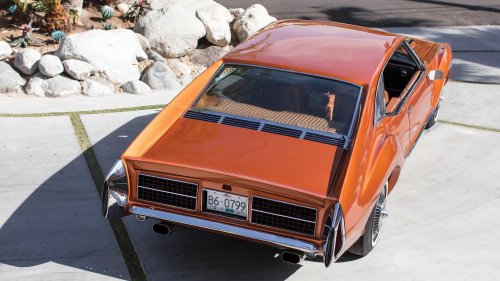
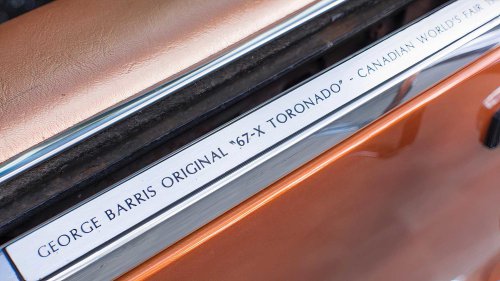
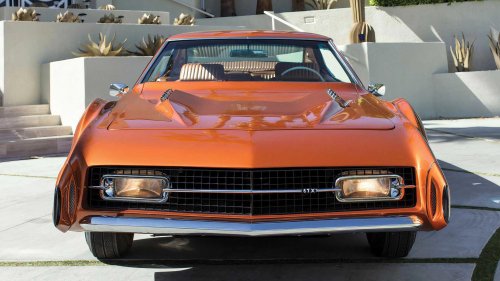
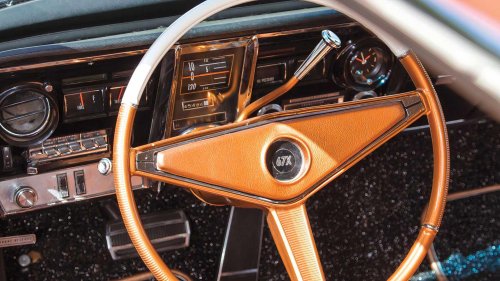
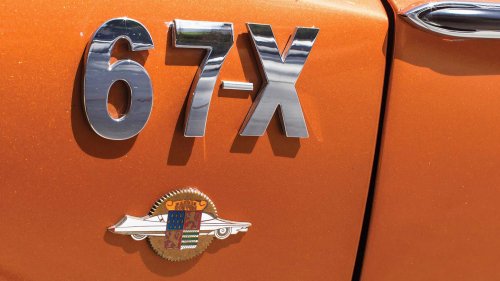
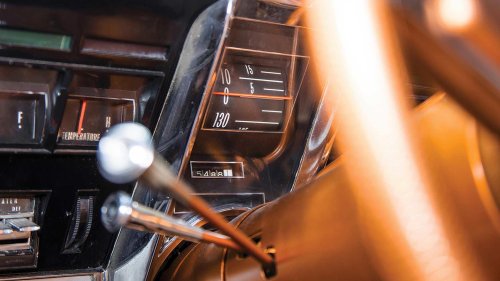



















Some cars were never built with the road in mind. They were created to capture attention, stun crowds, and prove that the imagination of Detroit’s designers and custom builders had no limit. These show cars often burned bright for a season before vanishing forever, either scrapped or left to rot once the marketing campaign ended.Yet against all odds, a handful of promotional Oldsmobiles escaped that fate. Among them sits one of the most unusual and scarce creations of the 1960s, a car with Barris styling, corporate backing, and a mystique that still has collectors buzzing today. This is the rarest Oldsmobile you will ever see, and its story stretches from auto show floors to long-forgotten garages. The Esso 67-X Is The Rarest Oldsmobile Of All Time Pawel Litwinski/Classic & SportscarThe Oldsmobile Esso 67-X is rare because the numbers never added up to a traditional production run. In 1967, Imperial Oil commissioned George Barris to build four identical customs based on the Toronado. These would be the grand prizes in Esso’s Roadshow ’67 promotion, a nationwide campaign that tied into Expo 67 in Montreal. Barris built a fifth for his own use, bringing the total to five cars. So Rare, You Could Count Them On One Hand Pawel Litwinski/Classic & SportscarEven with five in existence, their scarcity makes them unlike any other Oldsmobile. While enthusiasts might argue over whether the 442 W-30 or the Hurst Olds deserves the “holy grail” crown, those cars at least had several hundred units rolling off the line. By contrast, the Esso 67-X cars could be counted on one hand. For a major automaker like Oldsmobile, that level of rarity is staggering.Today, reports suggest that three of the original Roadshow prize cars survive in various conditions, with one occasionally appearing in running order. The personal car that Barris retained has not been publicly seen in decades, fueling even more speculation. That puts the surviving Oldsmobile Esso 67-X examples in the same mythical category as concept cars that were never meant to leave a studio floor. Born From A Toronado, Reimagined By George Barris Pawel Litwinski/Classic & SportscarUnder the fiberglass skin of the Oldsmobile Esso 67-X sat a Toronado, one of the boldest cars GM had ever produced. The Toronado introduced front-wheel drive to a full-sized American coupe, backed up by a 425 cubic-inch Rocket V8. It was futuristic for the era, but Esso wanted something even more eye-catching to connect with consumers.Barris went to work stretching the Toronado by about fifteen inches, creating an imposing 241-inch-long showpiece. He replaced much of the steel bodywork with lightweight fiberglass, giving himself freedom to sculpt exaggerated wheel arches, deep front overhangs, and unique headlight covers. The result looked less like a production Oldsmobile and more like a rolling dream sequence. A Living Room On Wheels Pawel Litwinski/Classic & SportscarInside, Barris leaned into luxury and novelty. The passenger seat swiveled outward for easy access, while the rear compartment was reimagined as a lounge complete with a pop-up table and plush upholstery. The idea was to make the Oldsmobile feel less like a car and more like a futuristic living room on wheels. At around $52,000 each to build (compared to a $4,800 base Toronado) these customs were among the most expensive Oldsmobiles ever commissioned. A Traveling Billboard Across Canada Pawel Litwinski/Classic & SportscarUnlike most show cars that sat on turntables under bright lights, the Oldsmobile Esso 67-X was designed to be driven. Esso used these cars as traveling billboards, sending them across Canada to support the Roadshow ’67 promotion. The cars visited dealerships, appeared at fairs, and served as eye candy to draw attention to both Oldsmobile and Esso’s brand presence. Anything But Fragile Pawel Litwinski/Classic & SportscarThat constant movement required the cars to be mechanically sound. Unlike mockups that were fragile and often non-functional, the 67-X cars had to withstand real mileage. They weren’t clocking cross-country trips at highway speeds, but they needed to hold up to public demonstrations and short tours. The fact that few still exist in usable condition shows that Barris and Oldsmobile engineers didn’t cut corners.For the public, the Esso 67-X was reportedly unforgettable. Families who stopped by Esso stations or local dealerships got to see a car unlike anything else on the road. The styling was futuristic, the proportions were extreme, and the fact that you could win one made it all the more exciting. As a marketing exercise, the Oldsmobile delivered in spades. From Promo Prizes To Forgotten Legends Pawel Litwinski/Classic & SportscarWhen the Roadshow ’67 promotion wrapped up, the four Oldsmobile Esso 67-X cars were given away as prizes to lucky winners. This was no small sweepstakes either; one of the draws was even broadcast during the Stanley Cup Finals, ensuring that millions of Canadians were exposed to the spectacle. For Oldsmobile and Esso, it was the ultimate publicity stunt, and for the winners, it was like taking home a piece of science fiction on wheels. An Unfortunate Ending Pawel Litwinski/Classic & SportscarWhat happened after that was far less glamorous. Prize cars often get used and abused, and the Esso 67-X models were no exception. While they were stunning as showpieces, they weren’t built with mass production durability in mind. Some spent years neglected in garages or backyards, while others ended up in museums or private collections. Over time, their trail went cold, with collectors speculating about which ones had survived and which had been lost.The mystery of their fates only adds to the Oldsmobile legend. By the time collectors rediscovered them, decades had passed since their moment in the spotlight. That gap created an aura of myth, making the surviving cars feel even rarer and more important. Each sighting today feels like a resurrection, proof that these Oldsmobiles really did exist outside of old photos and advertisements. A Rare Surviving Piece Of Barris History Pawel Litwinski/Classic & SportscarGeorge Barris already had a reputation as the “King of the Kustomizers,” and the Esso 67-X project showed why. He brought his Hollywood flair to Oldsmobile’s engineering, producing cars that were theatrical yet functional. That balance was rare even for him, since many of his TV creations (like the Batmobile) were designed more for screens than streets. Rarity Outlasting Its Maker Pawel Litwinski/Classic & SportscarFor Oldsmobile collectors, the Esso 67-X is doubly significant. Not only is it the rarest Oldsmobile, but it's also one of the few Barris customs tied directly to a major automaker. That crossover gives the cars cultural weight beyond their production numbers. They are part Detroit iron, part Hollywood showpiece, and entirely irreplaceable.The fact that at least three of the cars still exist speaks to their durability and the devotion of collectors who recognized their importance. Every time one resurfaces at a show or auction, it draws attention from both muscle car fans and custom car aficionados. Barris’s name ensures that, even outside Oldsmobile circles, the 67-X will always be recognized as special. The Esso 67-X Today And Why It Still Matters Pawel Litwinski/Classic & SportscarIn the modern collector market, the Oldsmobile Esso 67-X stands its own. Valuing them is tricky because no direct comparables exist. When they do appear, six-figure estimates are common, and a heated auction could drive prices even higher. Compared to production Oldsmobiles, even the most collectible 442s, the 67-X sits in its own category. All About Making A Splash With Buyers Pawel Litwinski/Classic & SportscarYet value alone doesn’t explain the importance of these cars. The Esso 67-X represents a moment when automakers and oil companies alike used custom cars as cultural statements. Instead of internet ads or TV commercials, they put people in front of something wild and tangible. That strategy is long gone, which makes the surviving Oldsmobiles even more precious.For Oldsmobile fans, the Esso 67-X is a living artifact from the brand’s golden years. For automotive history, it's proof of how far companies were willing to go to excite buyers. And for collectors, it remains a once-in-a-lifetime opportunity: an Oldsmobile so rare you might never see another in person again.Sources: Hagerty, Classic & Sports Car.