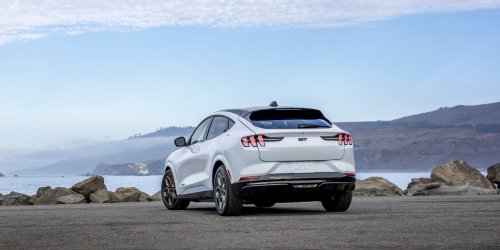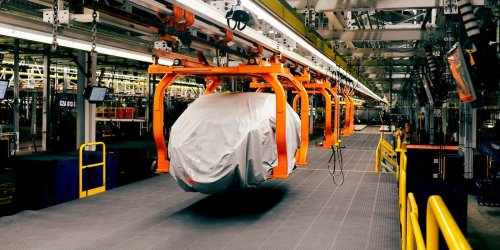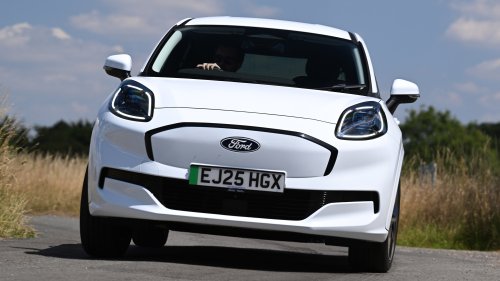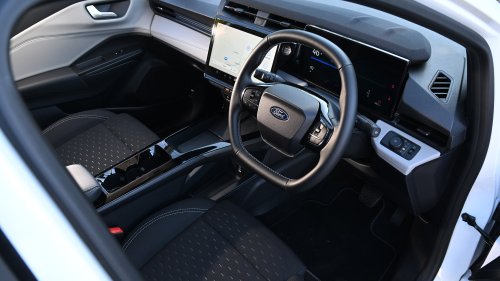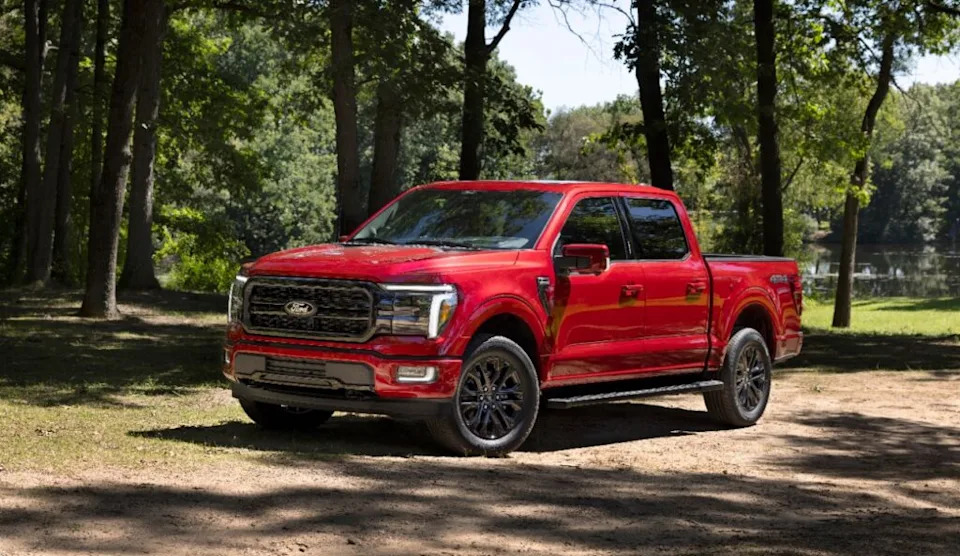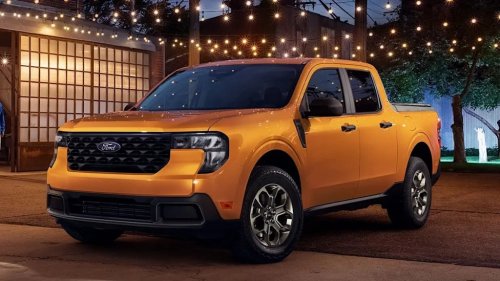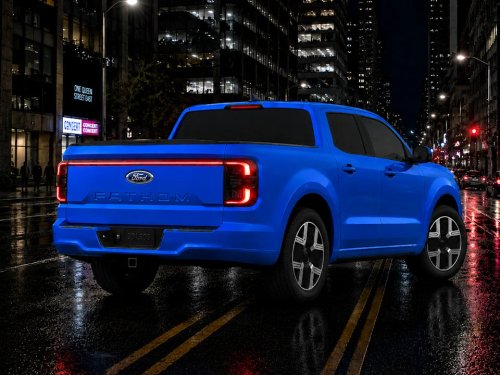





















Photo Credit: iStockFord's next electric pickup could be much cheaper — and cleaner — to build, which is encouraging news for U.S. drivers who have been waiting for more affordable EVs from a major automaker.According to CNBC, Ford's Universal Electric Vehicle platform was publicly revealed after development at a secretive skunkworks center in Long Beach, California.About 350 employees — including veterans of Tesla, aerospace, defense, and Ford itself — have been developing the automaker's next-generation electric truck and the production system designed to build it.AdvertisementAdvertisement"The midsize pickup truck, there won't be anything that competes with it, either in price or product form, and so I think it sort of stands alone in that sense," Ford's EV product leader Alan Clarke told CNBC.The midsize pickup truck could hit the U.S. market next year, and with a price tag around $30,000, it could be an enticing option for consumers looking to end their dependence on volatile gas prices.What sets the platform apart is just how far Ford has gone to simplify it. Per CNBC, the new system cuts part counts by 20%, fasteners by 25%, and plant workstations by 40% compared with a conventional platform.Ford is also using a "unicasting" process akin to Tesla's gigacasting, which uses larger cast components to reduce the number of individual pieces that need to be assembled. That may sound like factory jargon, but it could have real implications for consumers.AdvertisementAdvertisementWhen automakers can build vehicles with fewer parts and production steps, they can lower labor, material, and manufacturing costs. Over time, that can help reduce sticker prices, preserve margins, and make it easier to ramp up output.CNBC noted that the announcement comes amid a broader slowdown in EV sales, following the Trump administration's scrapping of the $7,500 federal tax credit for EVs. GM's fourth-quarter EV sales reportedly fell 43% after that policy change. In that environment, a platform built from the ground up to cut costs could give Ford a stronger chance of keeping EVs competitive without depending as much on incentives.There is also an environmental benefit. Using fewer parts and fasteners can translate to lower raw material demand and less manufacturing waste. Requiring 40% fewer plant workstations could reduce the energy and space needed to assemble each vehicle. And if Ford can make electric pickups more affordable, that could help more drivers move away from gas-powered trucks, reducing tailpipe pollution while lowering fuel costs.According to CNBC, Ford sees the UEV platform as central to shrinking losses in its Model e EV unit and hitting breakeven in 2029. If that happens, the company would not only improve its own finances, but also help move the broader EV market toward a future in which cleaner vehicles are easier to build and easier to buy.AdvertisementAdvertisement"We can hit this goal of getting it out next year," Clarke told CNBC. "What you saw here is a big investment in ... future products in general. We want to go faster than we were able to go."Get TCD's free newsletters for easy tips, smart advice, and a chance to earn $5,000 toward home upgrades. To see more stories like this one, change your Google preferences here.