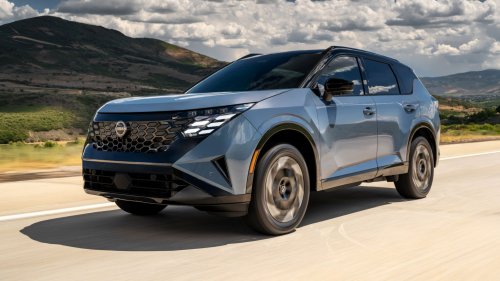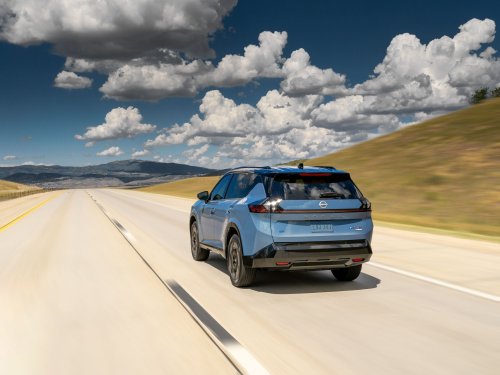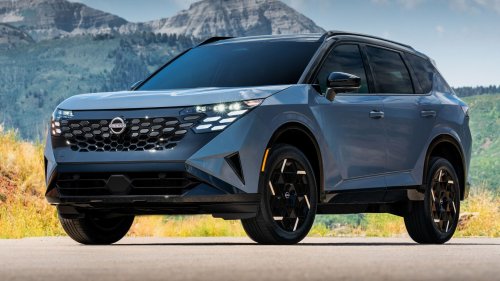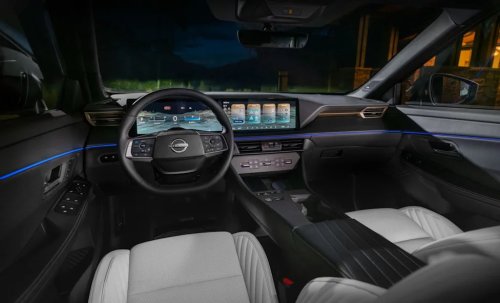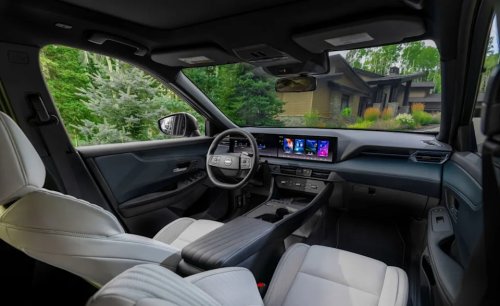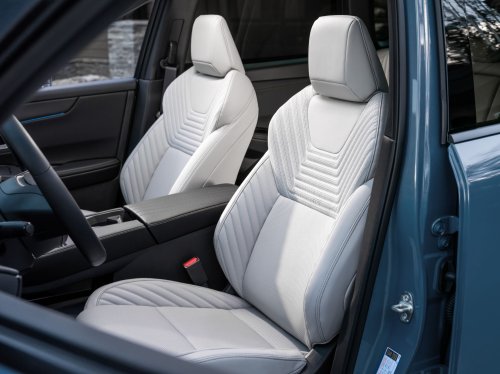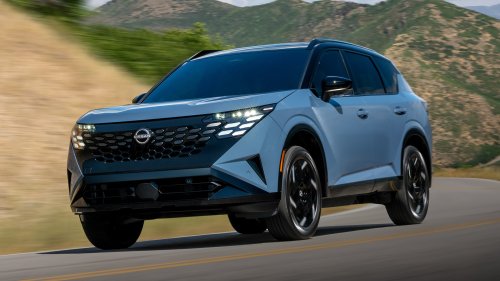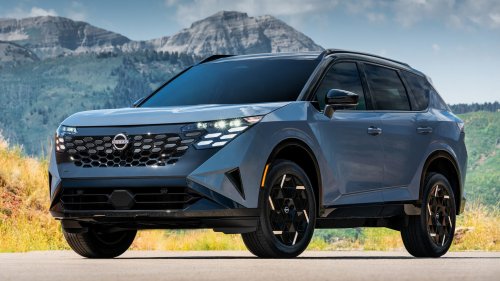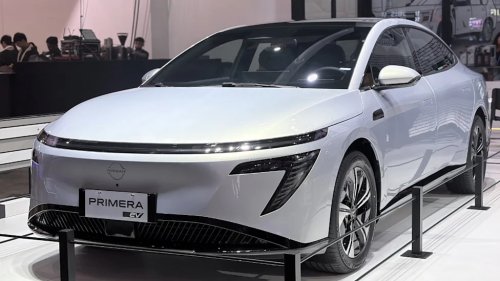
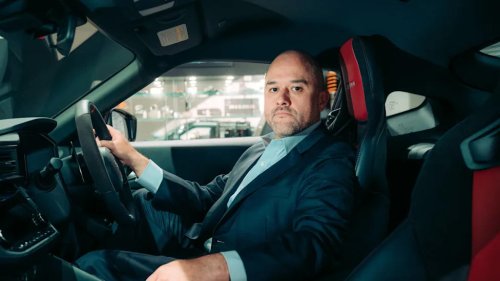























Autoblog and Yahoo may earn commission from links in this article.Cut in HalfProduct development takes a village and several years to complete, but with Nissan's new method, it could require only half the man-hours to bring a vehicle to market. If there is one thing that we've been sure of in the last few years, it's that Nissan isn't doing too great right now. The Japanese brand has been on the back foot, but now it's looking to employ AI in its product development strategy.Taking a page out of the Chinese playbook, Nissan learned from its collaboration with its Chinese partner, Dong Feng. During the development of the Nissan N7 EV, the brand cut development time in half, from 55 months to 26 months.AdvertisementAdvertisement"A big part of this is built on AI capabilities and the utilization of new tools, more digital tools in the design phase, in the testing phase, in the manufacturing phase," Ivan Espinosa, President of Nissan Motor, said in a recent interview withNikkei Asia.Autoblog / Leroy MarionMore New Cars, FasterThe Japanese brand stated that it will introduce a process that is similar to its work on the N7 to its new cars. Up to 90% of Nissan's development in fiscal 2026 is expected. Faster development means the brand can respond more efficiently to market demands, government policy changes, and ever-changing consumer preferences.According to the source, Chinese brands develop new models in about two years, while Nissan tends to take about five years in its product development cycle. Nissan has already had a taste of this rapid development system with the Nissan N7, launched in 2025. Developed in tandem with DongFeng, the N7's development took only two years to complete before it was brought to market. Reiterating, that's cut down from 55 months to 26 months.Getty ImagesAI as a ToolWhile Nissan is struggling to find its footing once again, Espinosa's direction will see many more products from the brand come to market in record time. The company aims to launch five SUVs and pickup trucks under its main and premium brand (Infiniti), as well as a Mitsubishi Motors OEM production model, by fiscal 2028 or later.AdvertisementAdvertisement"China is as of now setting the industry standards of the future in terms of technology, in terms of cost competitiveness, and in terms of development time," Espinosa said. According to him, the next step is to "learn from China and export know-how from China."Not too long ago, the Chinese were learning from other brands, but now it appears that the old guard may have something to learn from the Eastern superpower. Nissan will also pull another page from the Chinese playbook, standardizing its chassis and core components to develop more vehicles more quickly, thanks to a shared parts pool and a platform adaptable to many segments.Not only is Nissan planning to use AI to develop cars, but it's also planning to use it to drive its cars. According to previous stories, the brand is looking to make its Intelligent Mobility suite even better through the use of AI, which will enable up to 90% of its models to feature autonomous driving and positioning intelligenceNissanAbout Honda...Apart from the talk of adopting AI and Chinese product development tactics, Espinosa also made a statement about the Honda deal. Collaboration between the two Japanese brands has been slow to get off the ground, but an announcement is on the way.AdvertisementAdvertisement"The talks are very constructive, and we're meeting very regularly," said Espinosa about the Honda collaboration. For now, some small steps are being taken, like the standardization of semiconductors and components, which, according to Espinosa, is a "very basic way of collaborating. Things can go up," but that depends on further talks with Honda. 2012 Honda Civic Hybrid logoThis story was originally published by Autoblog on Jun 12, 2026, where it first appeared in the News section. Add Autoblog as a Preferred Source by clicking here.