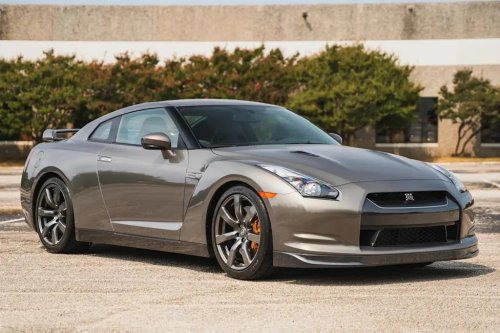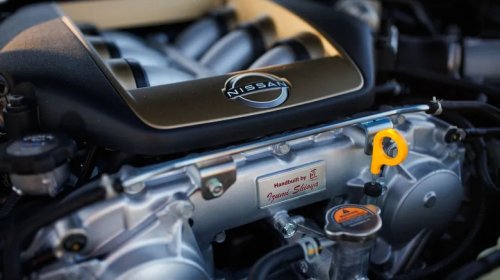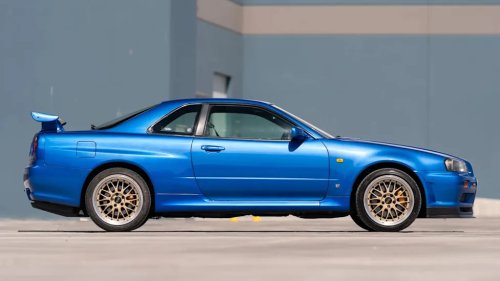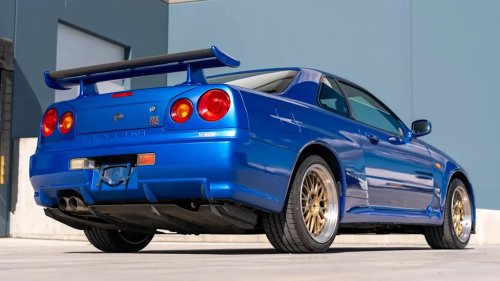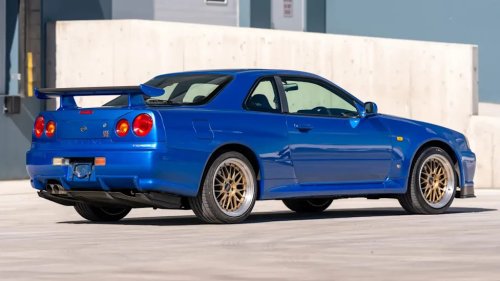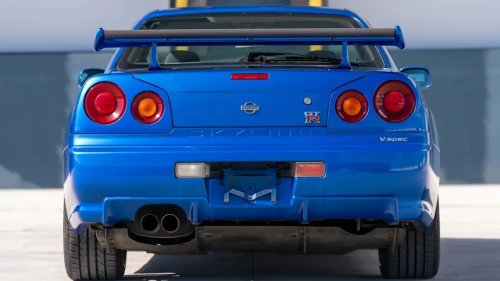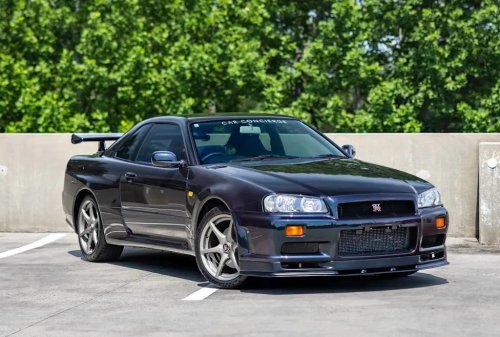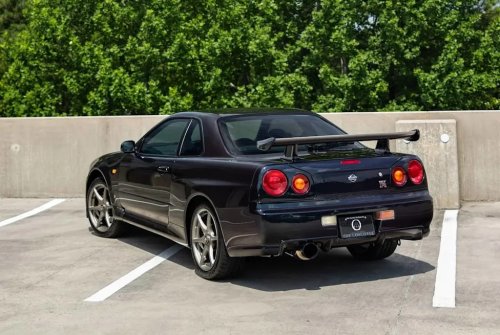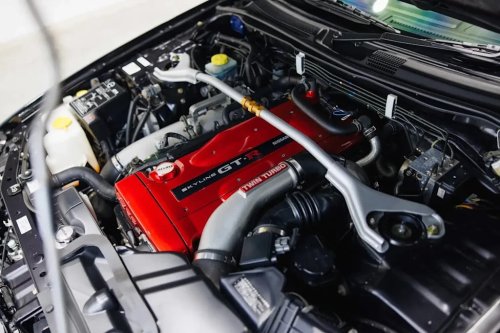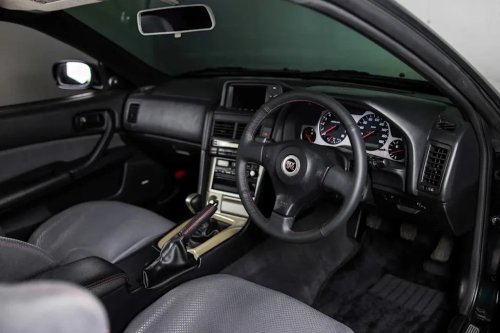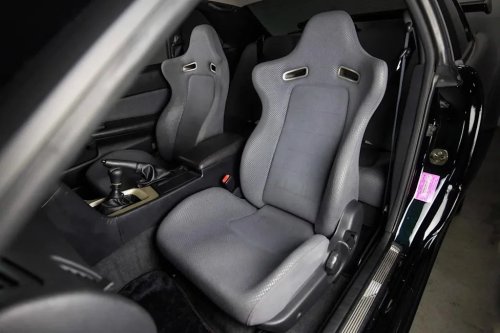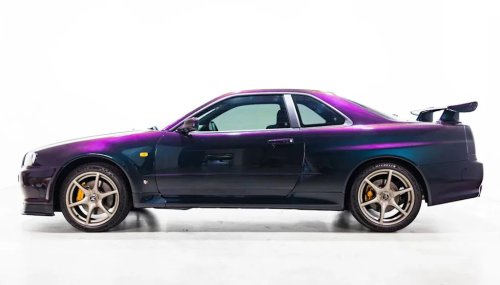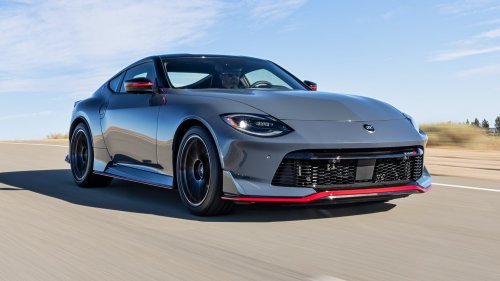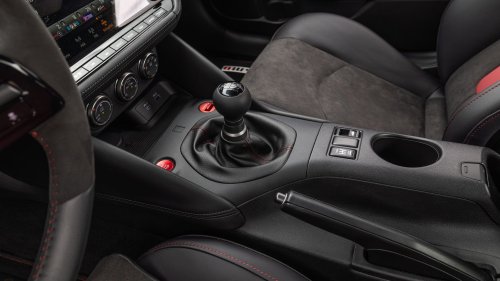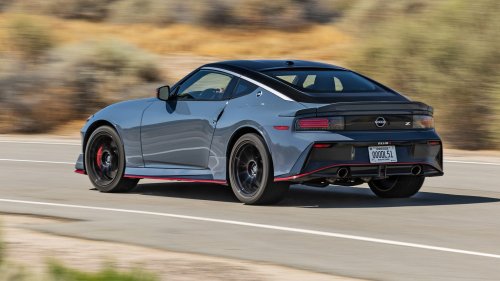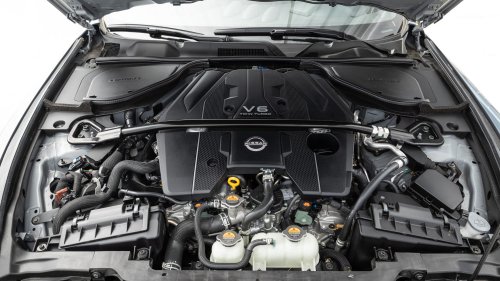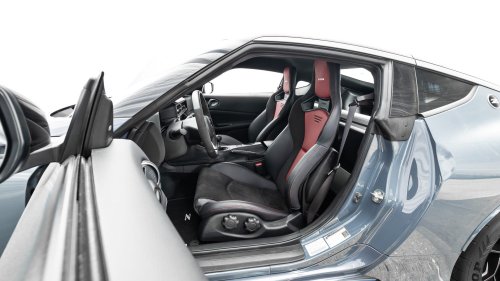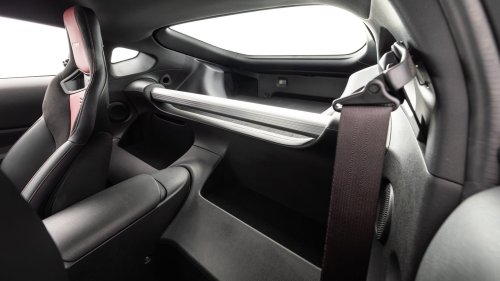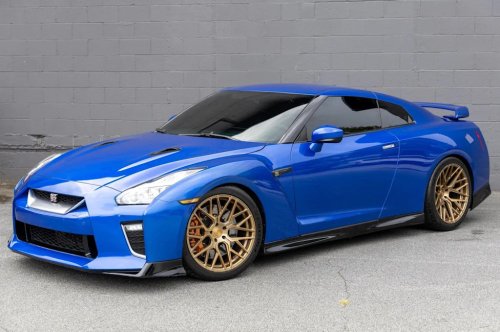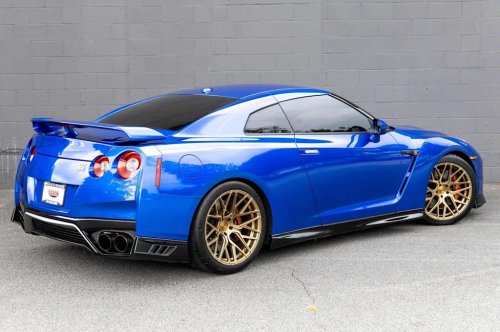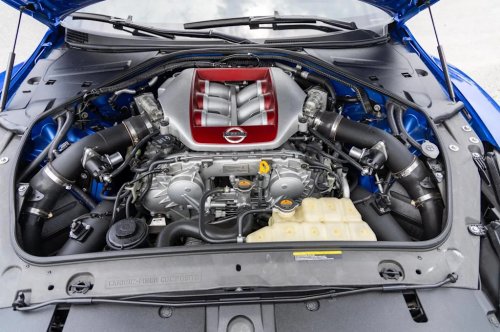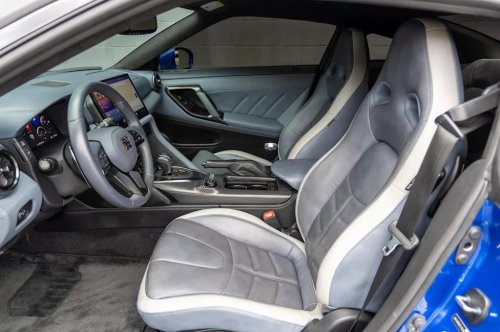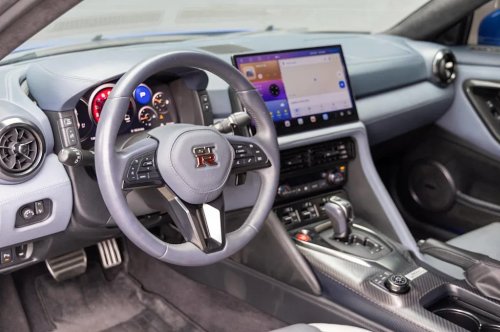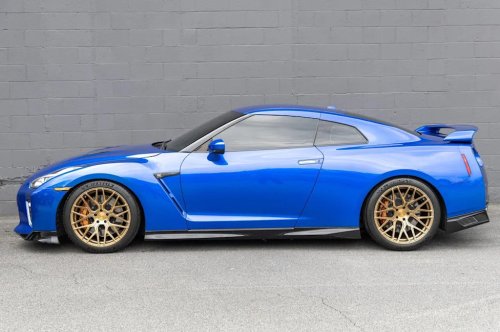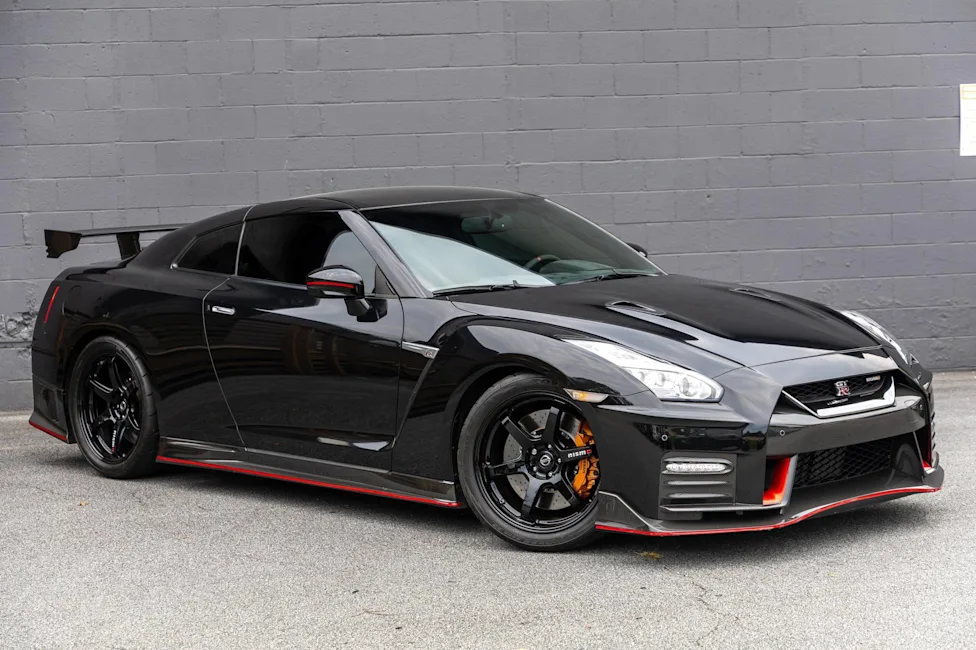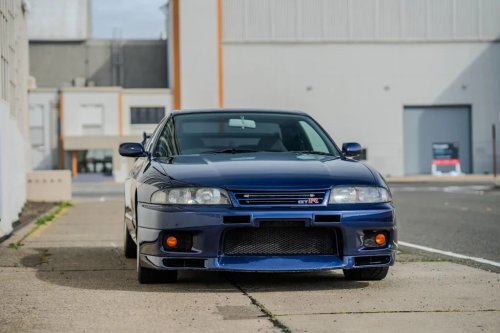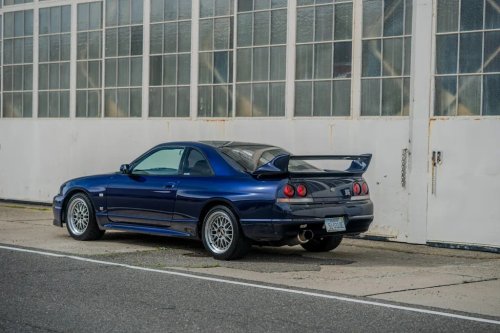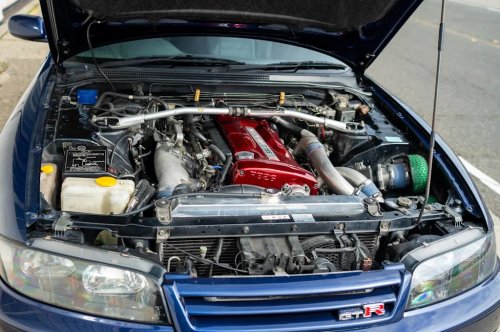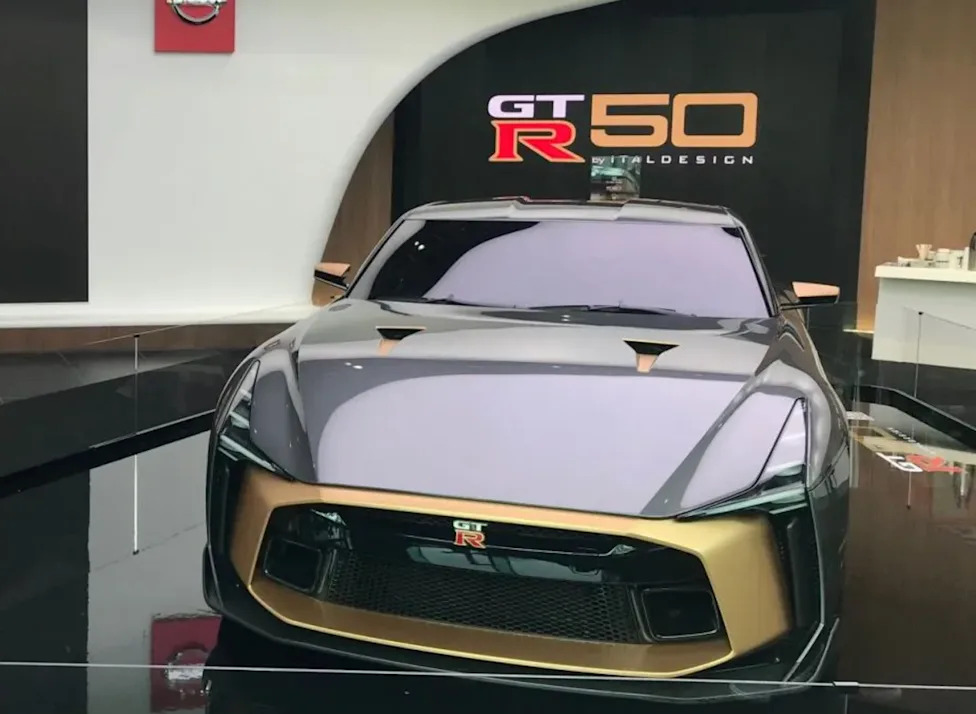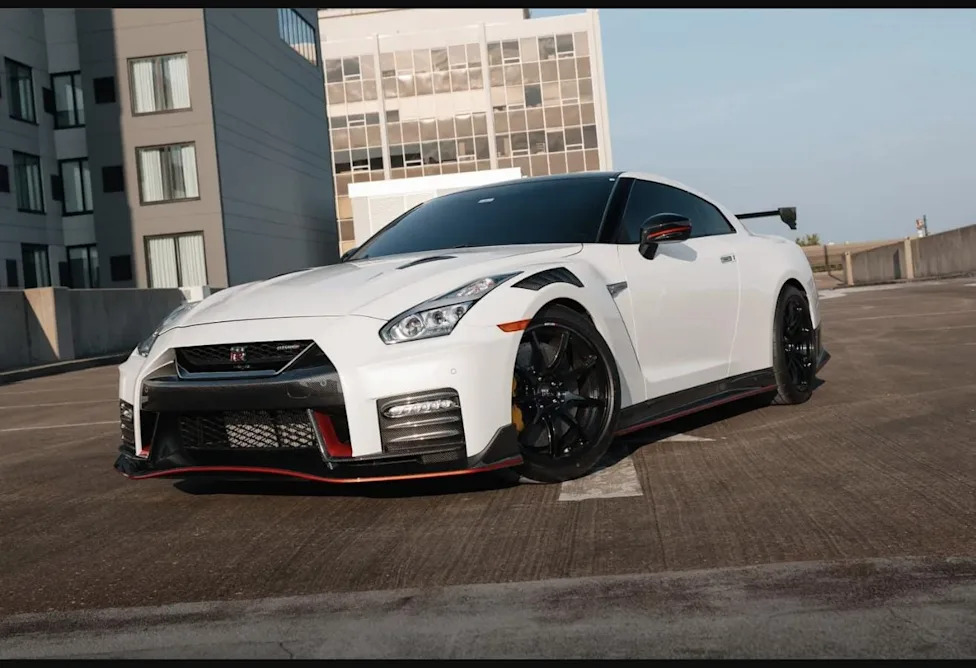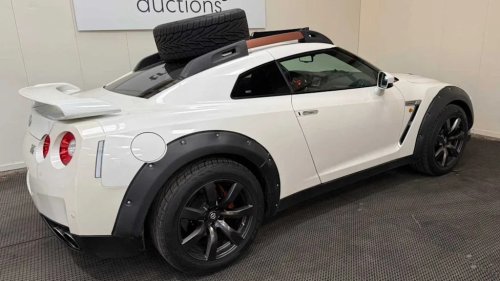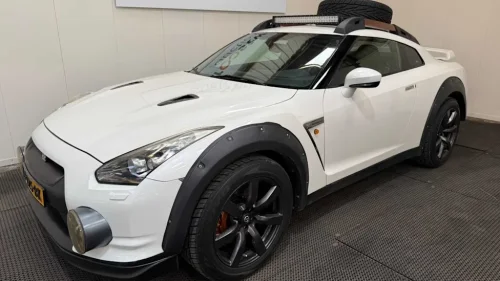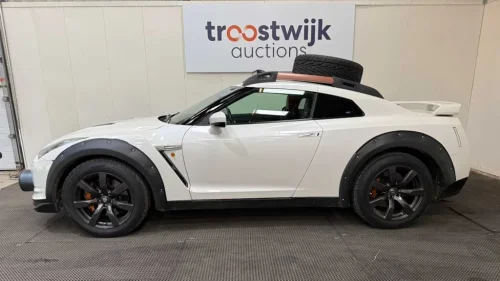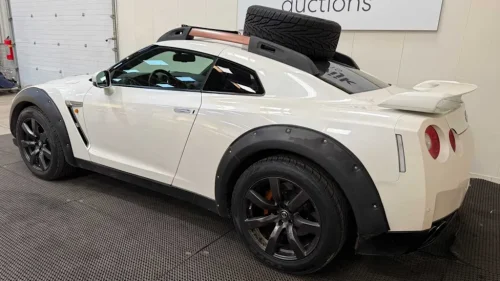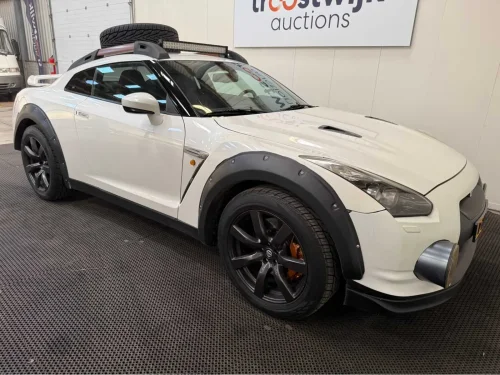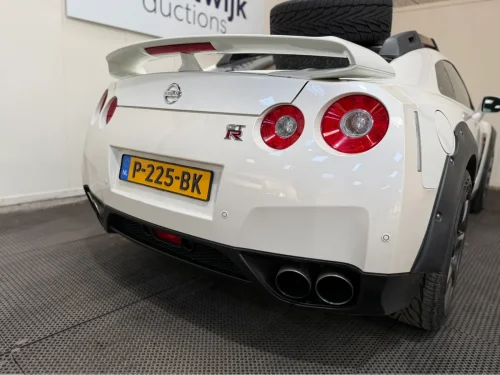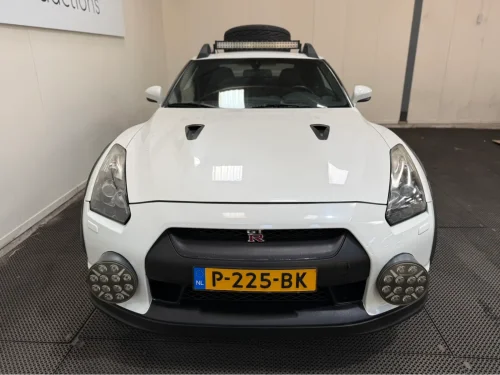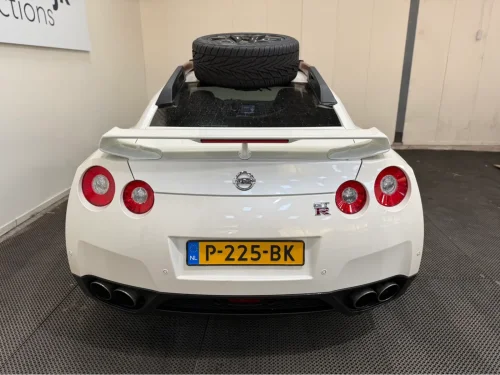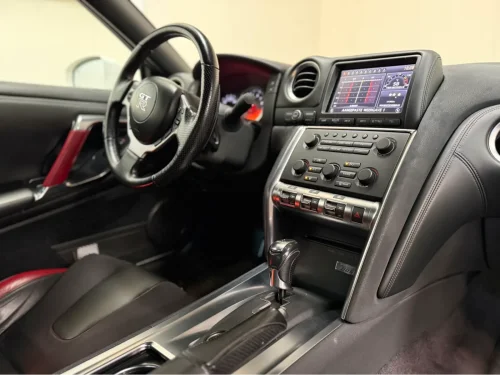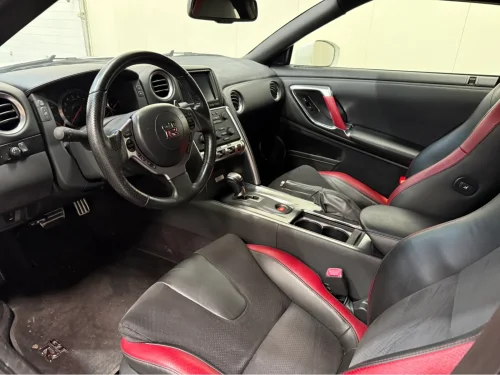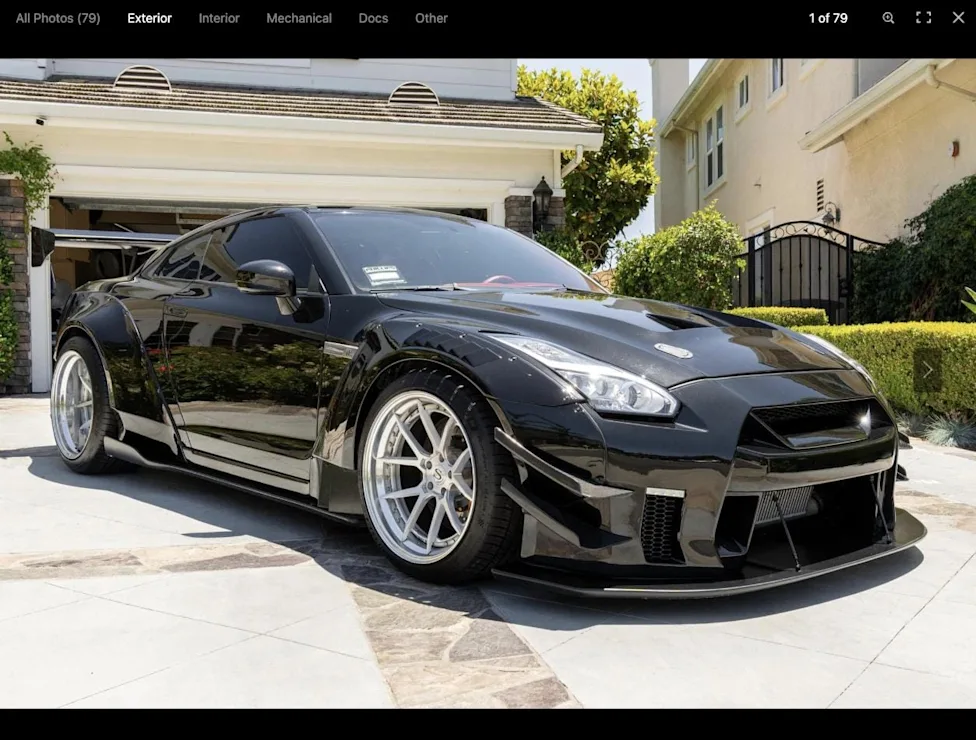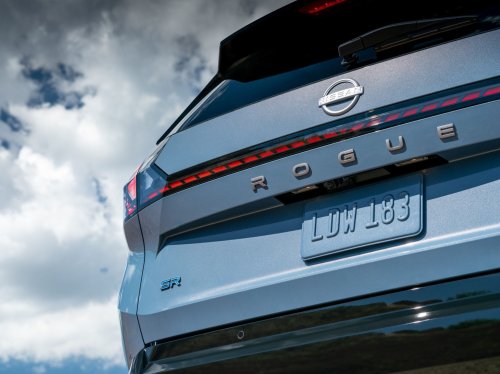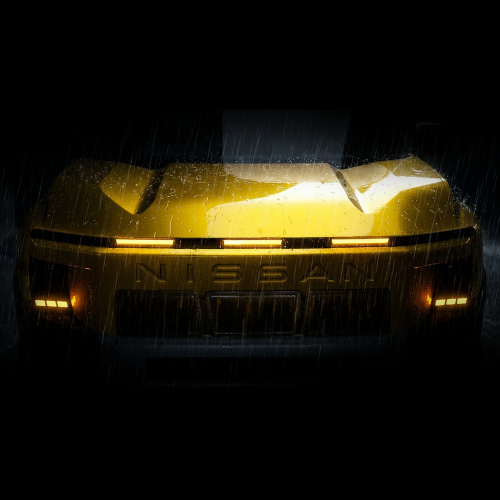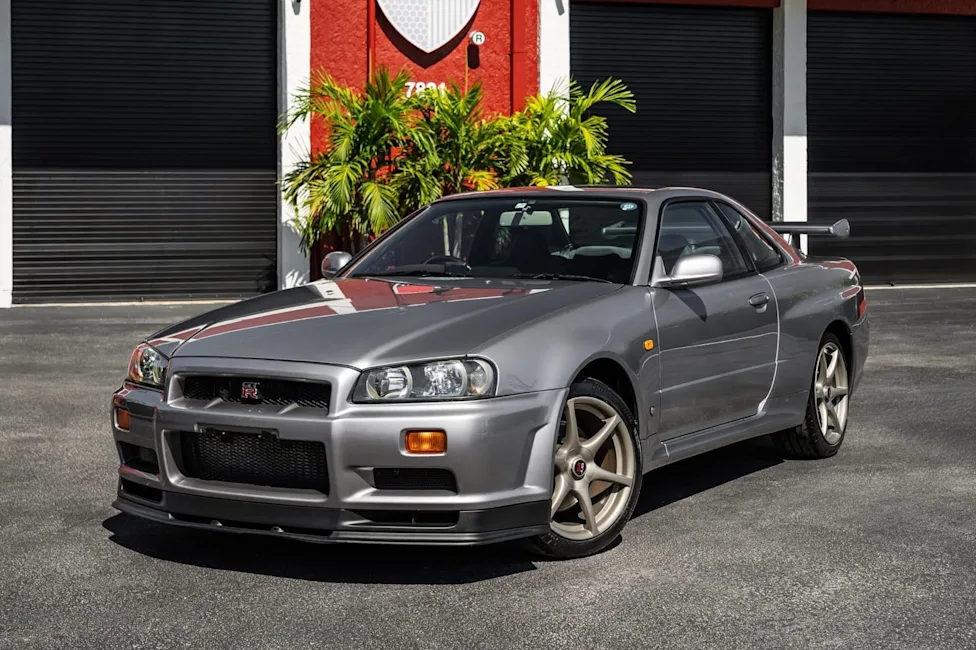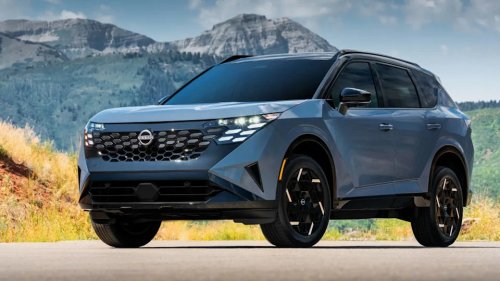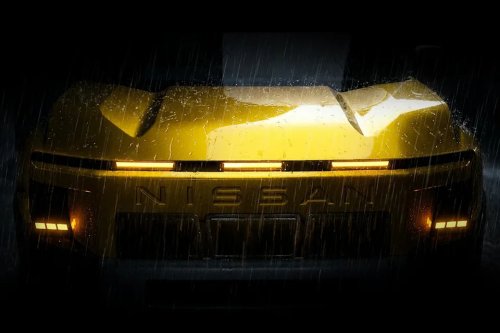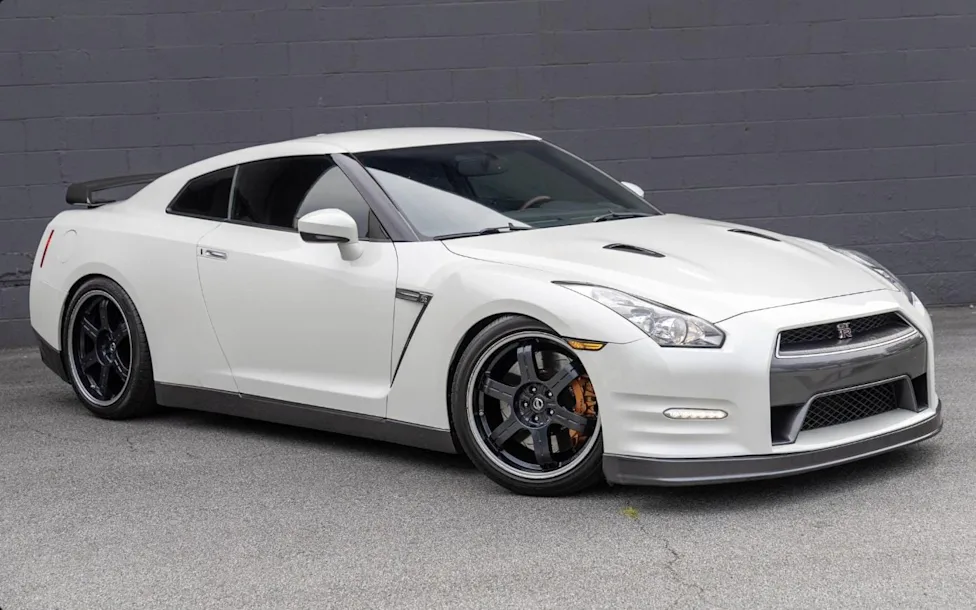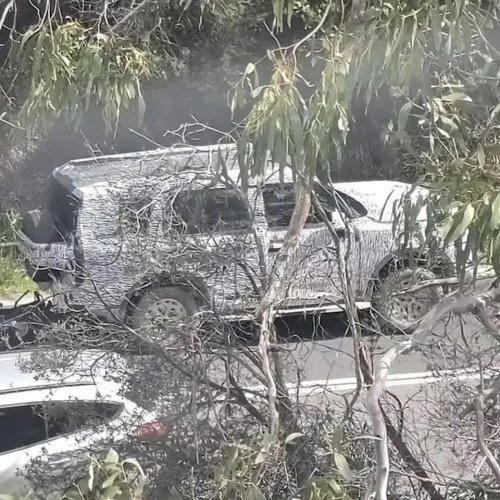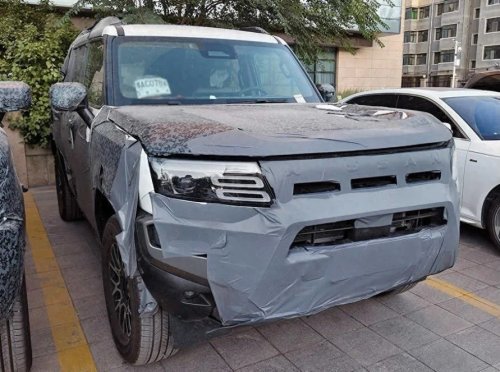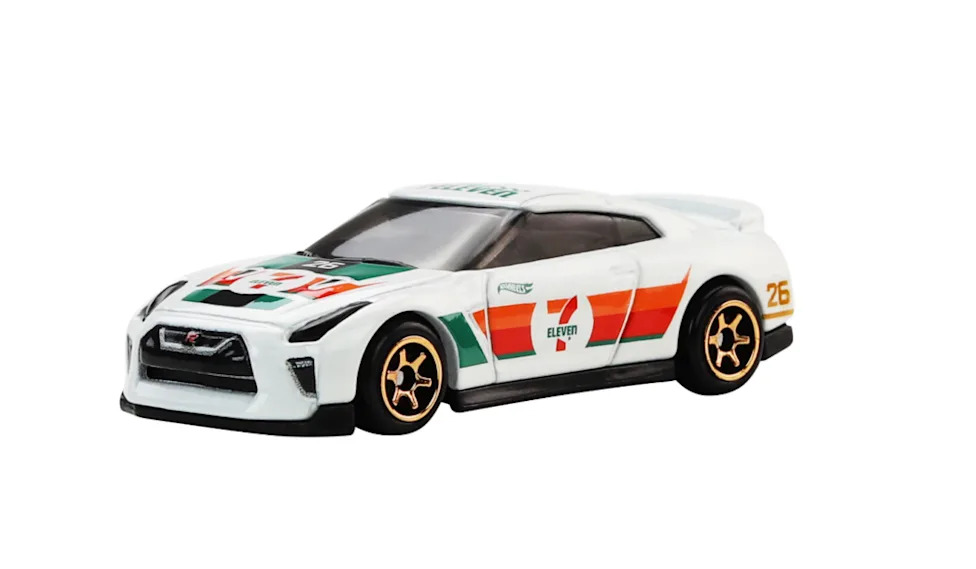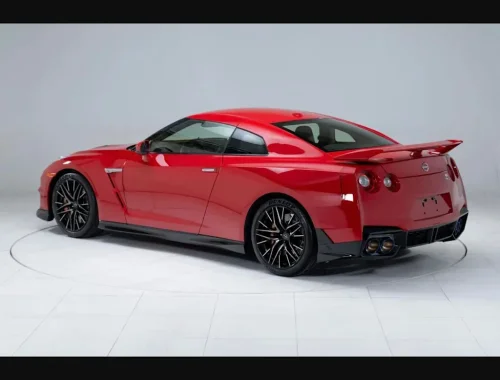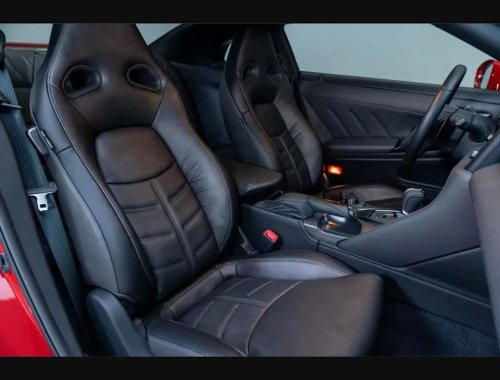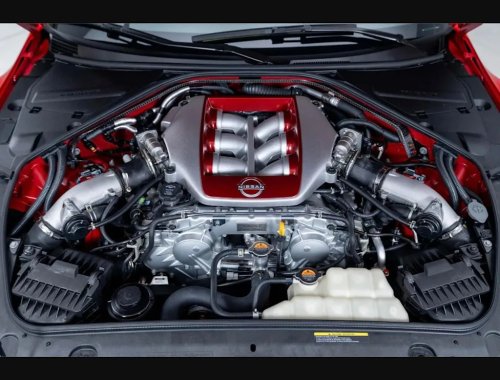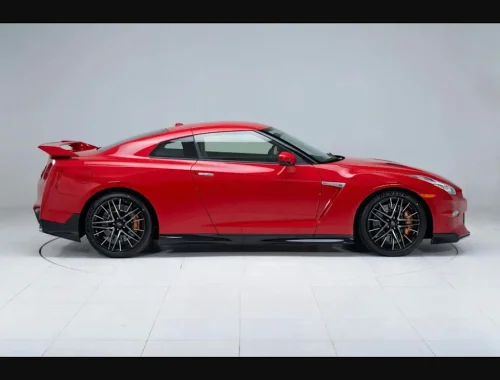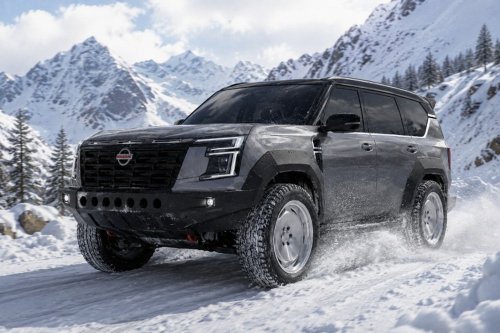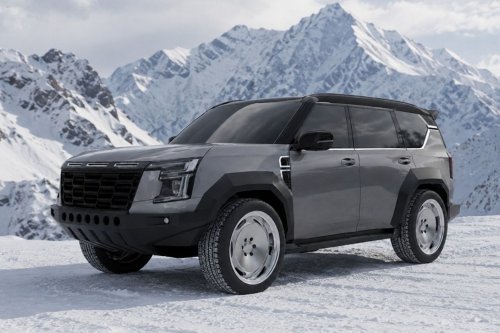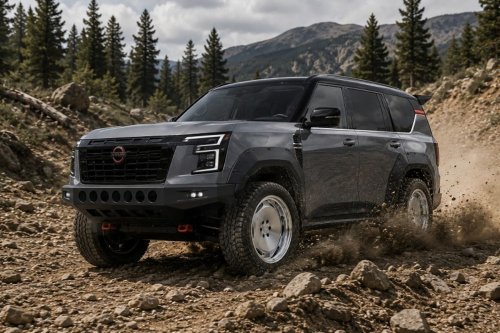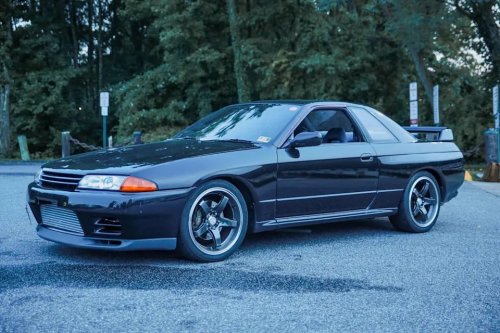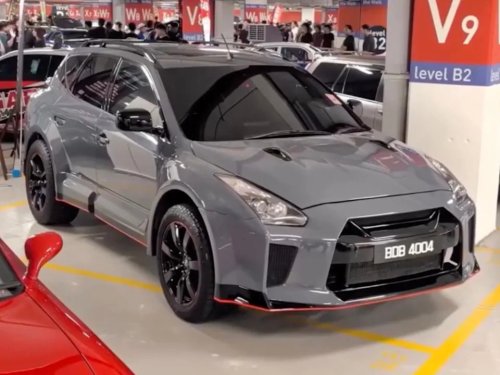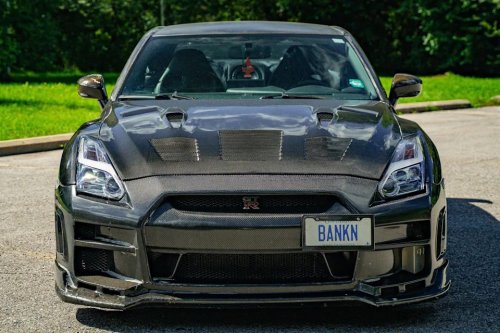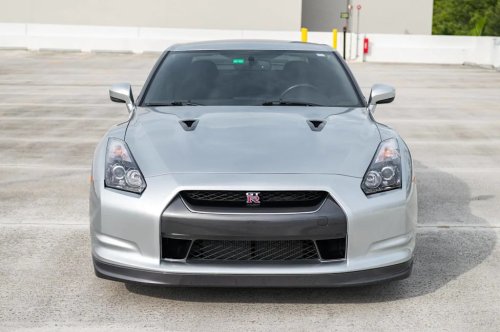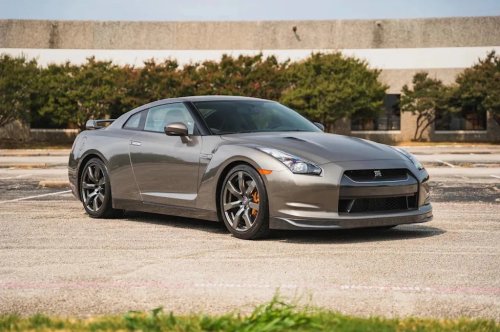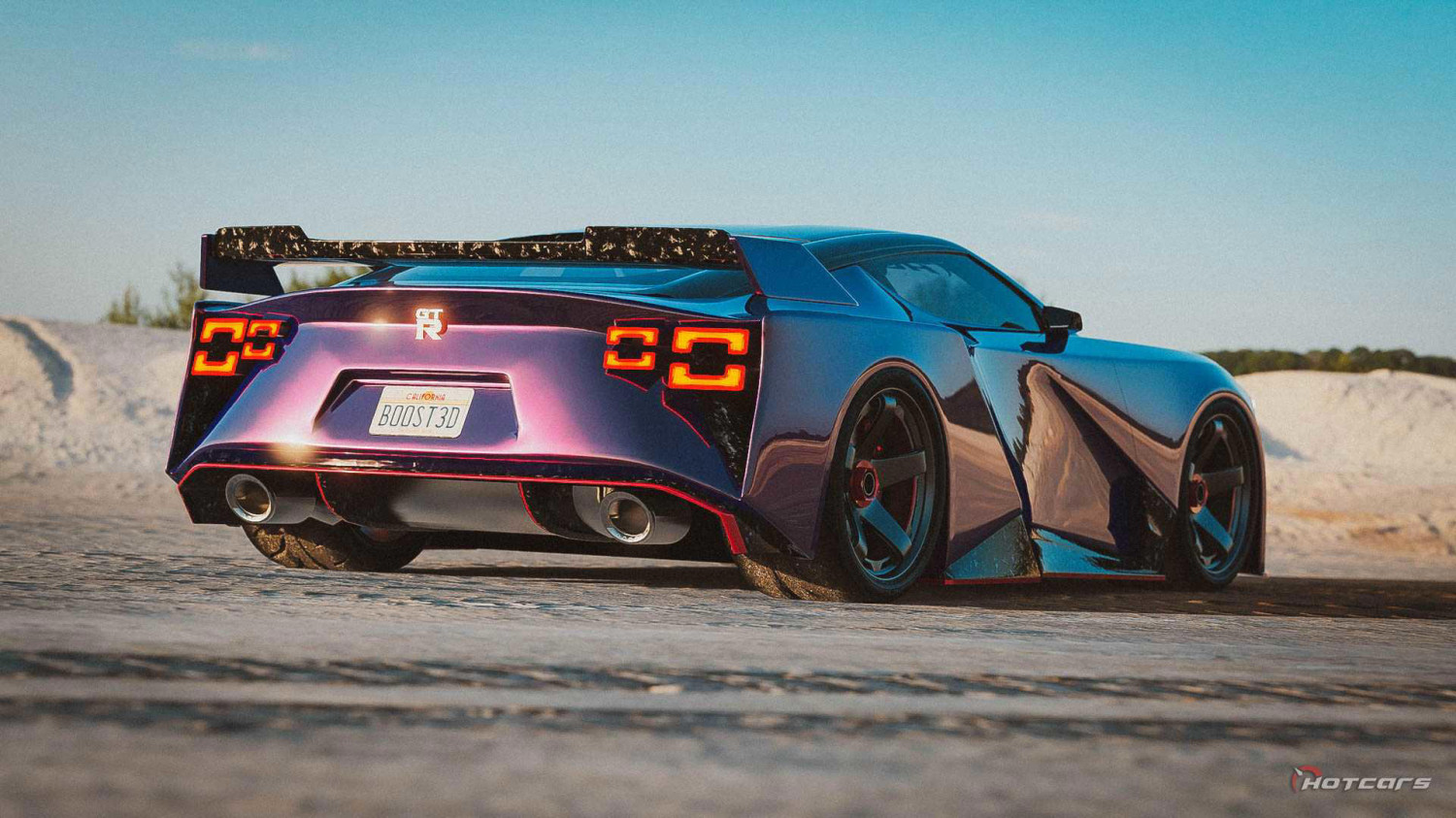
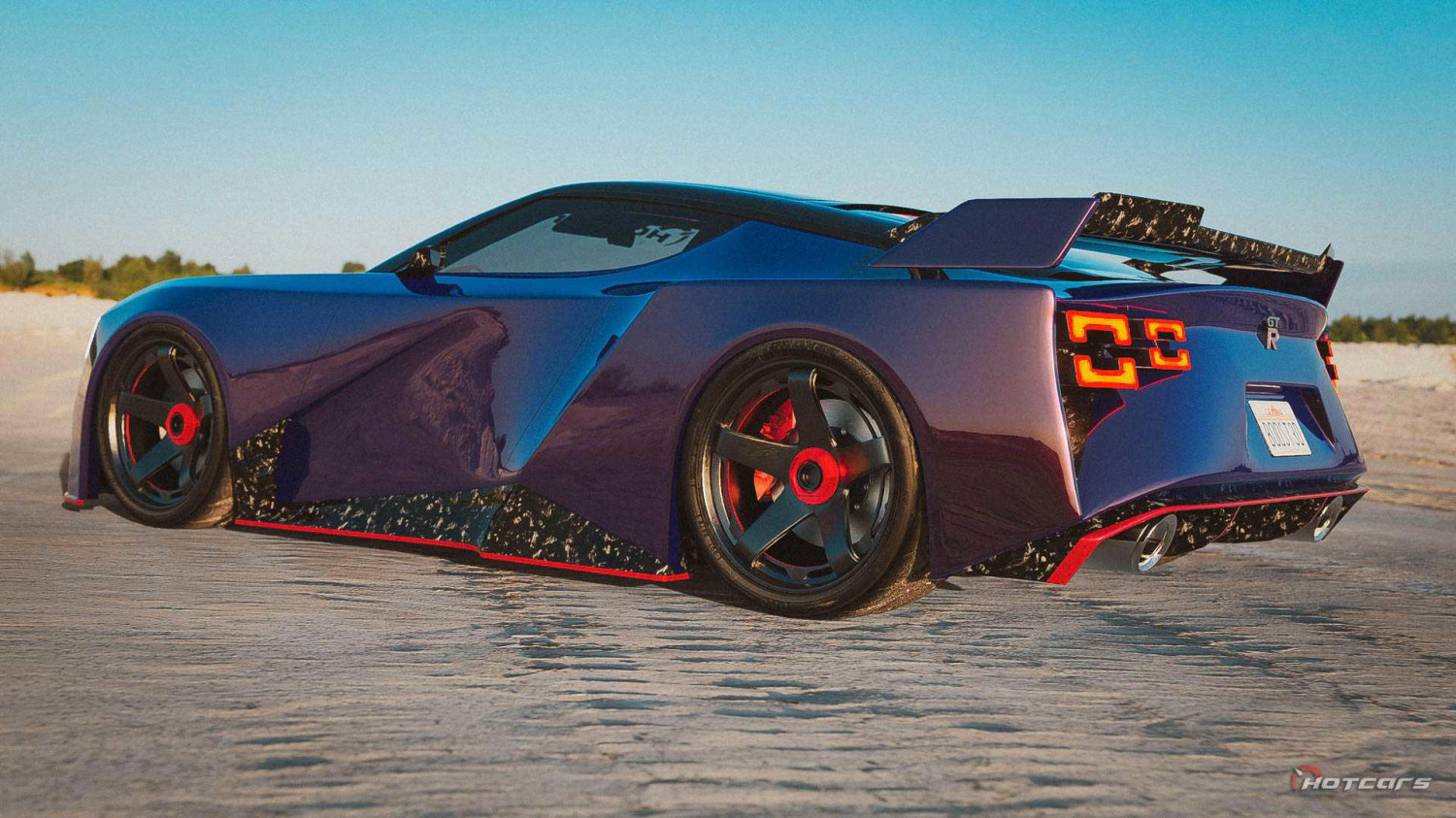
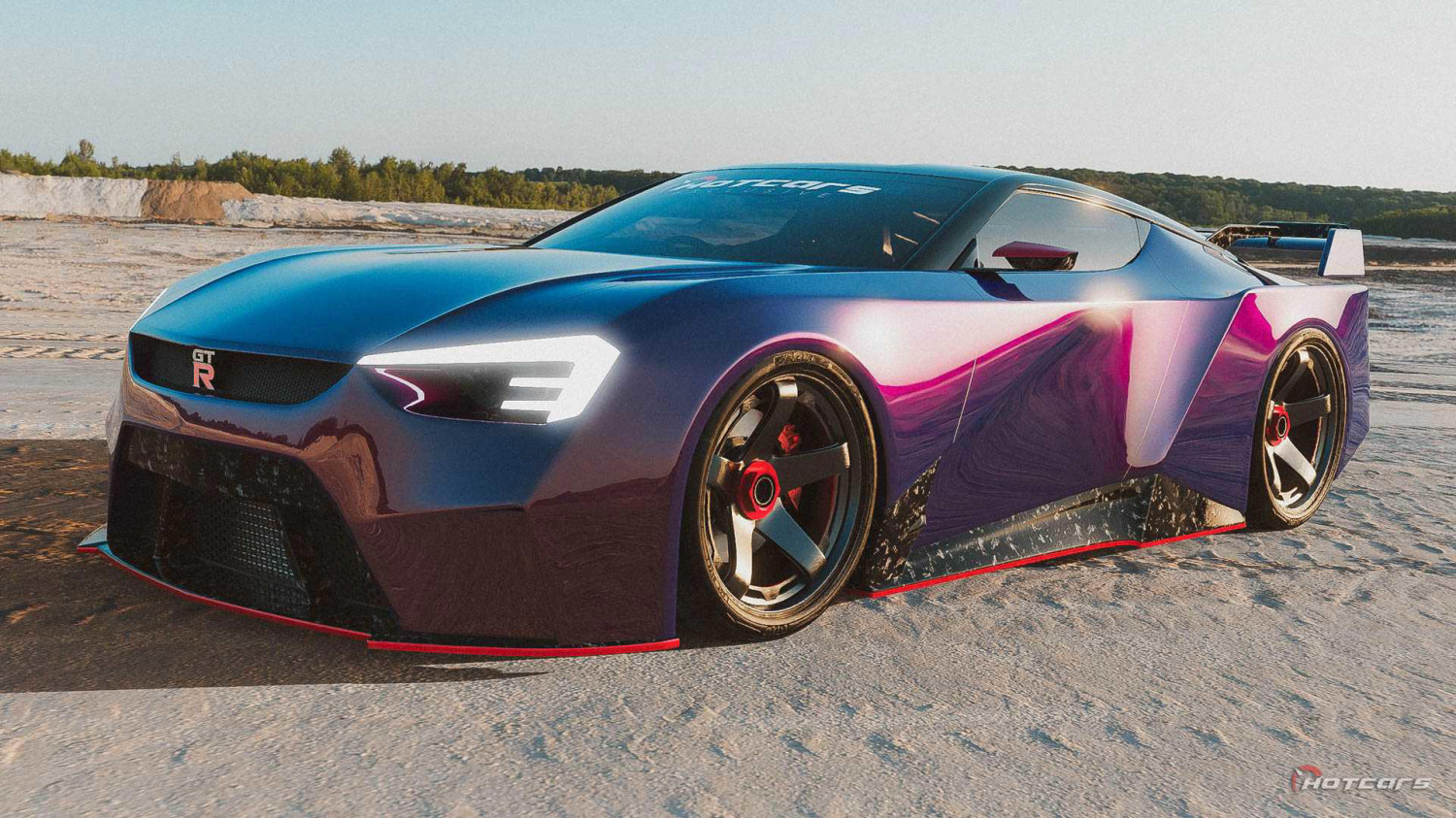



















Nissan has finally put one wild rumor to bed. The next GT-R, the long-awaited R36, will not be a full electric car, and that’s officially-official now. Nissan CEO Ivan Espinosa has already confirmed that the new GT-R is in development, and product strategy boss Richard Candler has made the powertrain direction much clearer – battery-only power is out. Some form of electrification is still coming, but the next Godzilla will keep an engine under the hood. Yay! Why Nissan Said No To A Full EV adry53customsCandler’s reasoning is simple, and it will sound familiar to anyone who has ever watched a heavy EV cook its brakes and tires on a track day. Nissan does not think today’s battery tech can do the GT-R job properly – straight-line speed is easy, but repeated hard laps, heat control, weight balance, and the kind of response drivers expect from a GT-R are much harder. “I think what we've seen so far is that electric sports cars haven't been hugely popular. I think they’ll come as better battery technology takes its next leap, but the current lithium chemistries are not capable of producing a GT-R-type product. We're not going to go with batteries in the next generation. No way,” Candler told Motor1.com.There is also a useful clue hiding in Nissan’s own side projects. The company built an electric R32 GT-R conversion a few years ago, and the engineer behind it said something revealing – making an EV fast is not the hard part. Making it fun is. He pointed to “driving pleasure” as the real challenge, which lines up almost perfectly with Nissan’s current stance on the R36. So, What Will Power the R36? adry53customsThe smart money now sits on a hybrid setup, likely built around an evolved version of the GT-R’s twin-turbo V6. Nissan’s planners have already said the next GT-R needs some level of electrification to meet global emissions rules, especially if the company wants to sell the car broadly and not just in a few friendly markets. “[GT-R] will have to be electrified because of emissions regulations at some level, of course. It's just common sense that you would have a sense of electrification, but the battery's a limiting factor. The battery chemistry is not strong enough yet to be able to deliver the requirements of the GT-R,” Candler explained.For gearheads, the encouraging part here is that the VR38 will likely be used as a foundation, and its block is too good to toss aside, even if the rest of the engine changes heavily. That sounds like Nissan wants to keep the GT-R’s core character intact while modernizing everything around it. Sounds Promising, But When Is It Coming? adry53customsThe bigger question now is timing. Nissan has not locked in a launch date, but company executives have pointed to 2028 for firmer announcements and suggested the car could arrive before 2030. They have also said the R36 needs a new chassis and must remain a credible global performance car. Developing such a machine takes time.