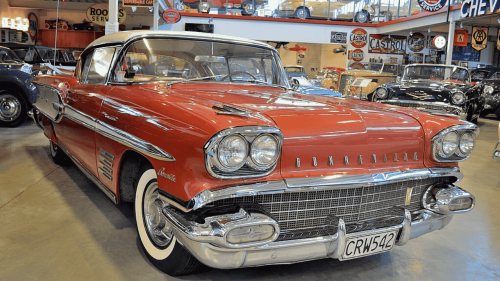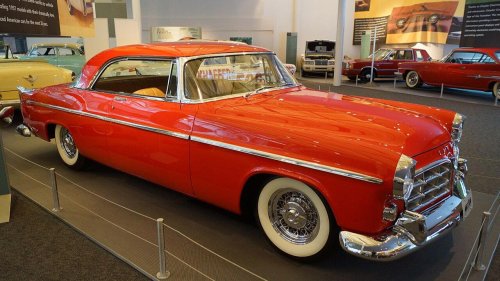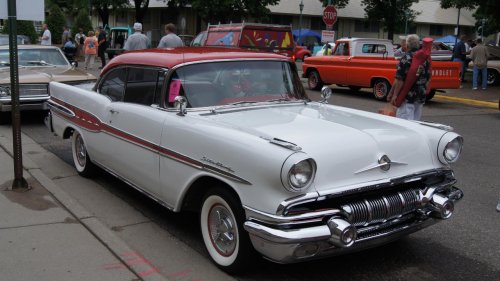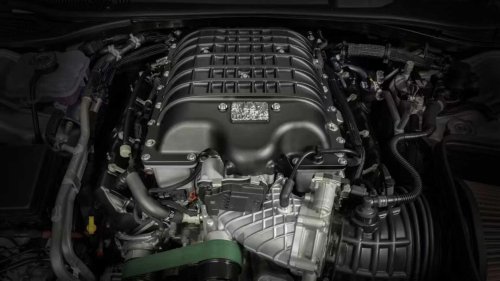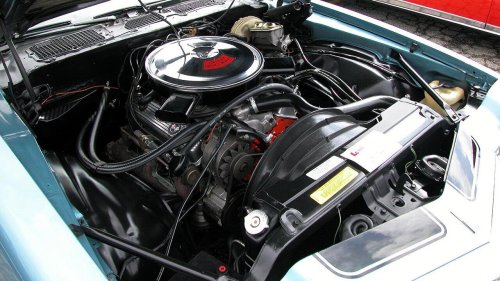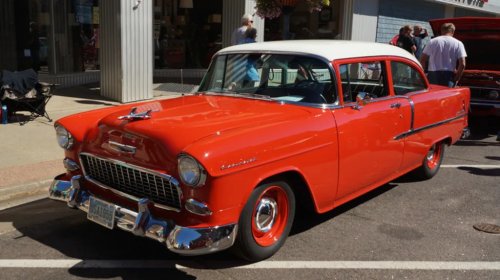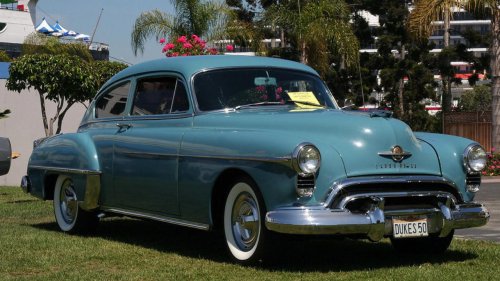


























The 1950 Oldsmobile 88 introduced the Rocket V8, a game-changer that made performance accessible to everyday drivers. Its blend of power, affordability, and style set a new standard, earning it a place in history. Below, we explore eight facts about the 88, covering its specs, costs, and why it became a legend for car lovers.Rocket V8 powerThe 1950 Olds 88’s 303-cubic-inch Rocket V8 produced 135 horsepower and 283 lb-ft of torque. It hit 0-60 mph in about 12 seconds, quick for its era. Production costs per engine were around $300, part of the car’s $1,800 price (about $22,000 today). Oldsmobile’s V8 was a mass-market first, blending overhead valves with a lightweight design. Its power made the 88 a dragstrip star, but its one-year-only tuning gave way to refinements in 1951, cementing its legacy.Lightweight chassis advantageWeighing 3,500 pounds, the 88 used a compact B-body chassis, 119.5 inches long. Paired with the Rocket V8, it offered a power-to-weight ratio rivaling pricier cars. The chassis cost $400 to produce, keeping the car affordable. A 3-speed manual was standard, with a 4-speed Hydramatic optional. This balance made the 88 a street and track standout, winning six of nine NASCAR races in 1950. Its chassis was replaced in 1951 for a roomier design, ending the original’s unique edge.NASCAR dominanceThe 88 won six of nine NASCAR Grand National races in 1950, thanks to its V8 and low weight. Red Byron and others drove it to victory, hitting speeds up to 100 mph on dirt ovals. The car’s $1,800 price made it a racer’s bargain, with race prep adding $500-$1,000. Its success proved small-block V8s could compete with bigger engines, shaping future muscle cars. The 1951 model’s heavier frame slowed its racing edge, making 1950 a standout year.Affordable performancePriced at $1,800 (about $22,000 today), the 88 offered V8 power for less than luxury rivals like Cadillac. Its 303 V8 with a 2-barrel carb and 7.5:1 compression kept costs low, with assembly at $800 per car. About 100,000 were built, a sales hit. This affordability democratized speed, appealing to young drivers and racers. The 1951 model’s price hike and redesign shifted focus, but the 1950 88’s value defined its legend.Hydramatic transmission optionThe 88’s optional 4-speed Hydramatic automatic, costing $185 extra (about $2,200 today), paired smoothly with the Rocket V8. It delivered 0-60 mph in 13 seconds, slower than the manual but easier to drive. Transmission production costs were $150 per unit, a pricey add-on. The Hydramatic made the 88 accessible to non-gearheads, boosting sales. In 1951, Olds tweaked the transmission, and the original setup faded, but its ease helped the 88’s mass appeal.Drag racing impactThe 88 was a dragstrip favorite, with its 135 hp V8 and 3,500-pound weight hitting quarter-miles in 18 seconds. Modified versions reached 90 mph, costing owners $200-$500 to tune. The car’s $1,800 base price made it a budget hot rod compared to $3,000 rivals. Its drag racing success inspired later muscle cars like the Pontiac GTO. The 1950 model’s specific V8 tuning was dropped in 1951, making it a one-year icon for racers.Styling and sizeThe 88’s sleek Futuramic design featured a 119.5-inch wheelbase and chrome trim, costing $100 per car to style. At $1,800, it was 4 inches shorter than rivals, aiding agility. Its 5.0-liter V8 gave it a sporty edge, with 25,000 coupes made. The look and size struck a chord with buyers, blending flash and function. The 1951 redesign added bulk, diluting the 1950’s nimble charm, now valued at $30,000-$60,000 restored.