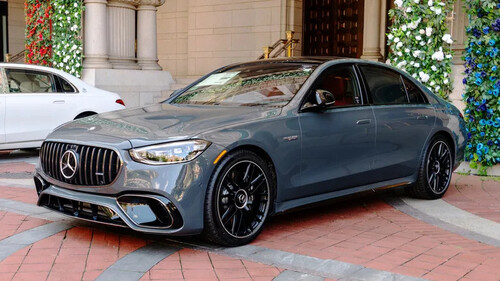
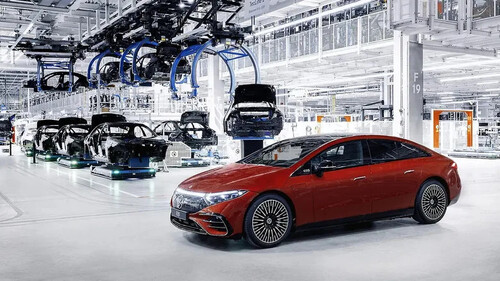
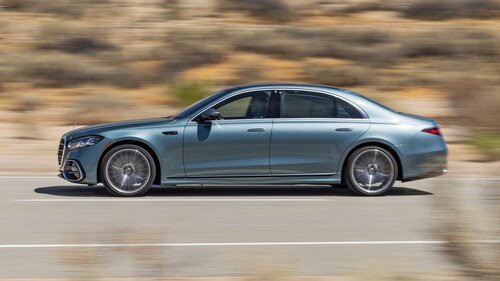
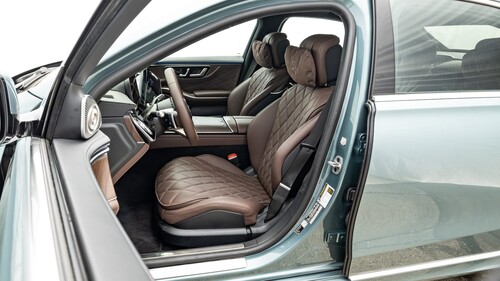
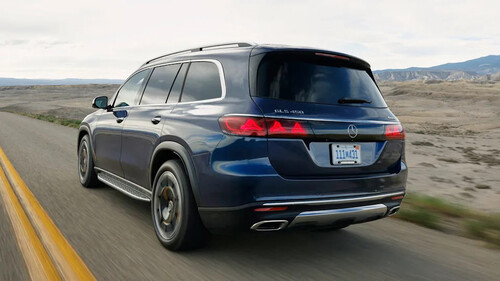
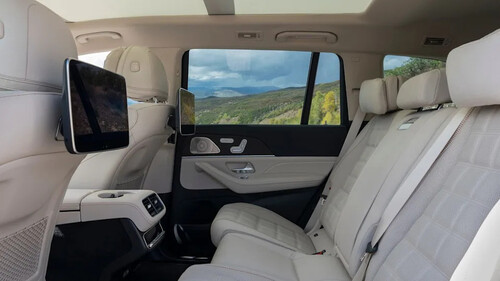
The dark side of owning a Mercedes-Benz S-Class long termOwning a Mercedes-Benz S-Class is often seen as a statement of luxury and success. Yet, the reality of long-term ownership can reveal some unexpected challenges. Diving into the hidden downsides of maintaining this prestigious vehicle over time can be quite an eye-opener. High Maintenance Costs When I first took my sleek Mercedes-Benz S-Class for a routine service, I was in for a shock. The cost was substantially higher than any of the non-luxury cars I’d owned before. It’s not just the regular oil change or tire rotation that’s pricier; even the simplest repairs seem to come with a hefty price tag. The reason? Specialized parts and the need for certified technicians. Unlike mainstream vehicles, the S-Class demands very specific components and expertise, which can drive up the cost exponentially. Warranty limitations are another financial hurdle. While it’s comforting to know that initial issues might be covered, the warranty doesn’t last forever. Once it expires, owners are left to foot the bill for any unexpected repairs. For instance, the air suspension system, known for providing that smooth ride, can be a costly fix if it ever fails. This can be a daunting realization for those who assumed luxury equated to hassle-free ownership. Depreciation Woes Anyone who’s owned an S-Class knows the sting of depreciation. Despite its world-class reputation, the S-Class depreciates faster than many other vehicles. This is a bit of a head-scratcher, considering the high initial purchase cost. But the math is simple: a luxury car that costs a small fortune doesn’t hold its value nearly as well as some might expect. A few years down the line, owners are often left with a vehicle worth significantly less than what they paid. For instance, a 2015 S550 might have cost over $100,000 when new but could be valued at less than half of that today. The financial strain doesn’t stop there. Finding a buyer who appreciates the value of a used luxury car can be a challenge. The market is limited, and potential buyers are often wary of the high maintenance costs they’ll inherit. It’s a tough sell, and many owners find themselves accepting lower offers than they’d like, just to move on from the financial burden. Technological Obsolescence The S-Class is renowned for its cutting-edge technology. At the time of purchase, the features can feel like something out of a sci-fi movie. But technology moves fast, and what’s groundbreaking today can feel outdated in a few short years. Take the COMAND infotainment system as an example; what was once a top-tier feature can quickly become obsolete, especially with the rapid advancements in connectivity and integration seen in newer models. Updating these systems is not always straightforward. Software updates might not be covered under the standard warranty, leaving owners to pay out of pocket for what seems like a simple upgrade. Moreover, compatibility issues can arise with new tech integrations, meaning that even something as basic as syncing a new smartphone can become a headache. For those who value staying on the cutting edge, this can be a significant downside. Insurance and Registration Costs Luxury comes at a price, and that includes insurance. Insuring an S-Class is noticeably more expensive than insuring a standard vehicle. Insurance companies factor in the high repair costs and the value of the car itself, leading to premiums that can make your eyes water. Add in the need for additional coverage options, and you’re looking at a significant annual expense. For example, comprehensive coverage to protect against theft or damage can add hundreds to your monthly premiums. Then there are the registration fees, which can feel like an annual insult. These fees are often based on the car’s value, so they remain high for as long as you own the vehicle. Over time, these costs can add up, making the S-Class not just a luxury purchase but a continually expensive one. It’s a financial commitment that requires careful consideration, especially for those who plan to keep the car for many years. Environmental and Ethical Considerations As much as I love the roar of the S-Class’s engine, it’s hard to ignore the environmental impact. High-performance luxury vehicles are notorious for their fuel consumption and emissions. For the environmentally conscious, this can be a tough pill to swallow. The S-Class is not exactly the poster child for green living, and for those trying to reduce their carbon footprint, this can create a moral dilemma. There are also broader ethical concerns to consider. The resource-intensive manufacturing processes and the materials used in luxury car production have significant environmental implications. This is becoming increasingly important to a new generation of consumers who are more aware of the environmental costs of their purchases. Additionally, public perception is shifting. Where once luxury cars were symbols of status, now they can be seen as excessive or even wasteful. For some, the social status associated with owning a Mercedes-Benz might not outweigh these growing ethical concerns. More from Fast Lane Only Unboxing the WWII Jeep in a Crate 15 rare Chevys collectors are quietly buying 10 underrated V8s still worth hunting down Police notice this before you even roll window down