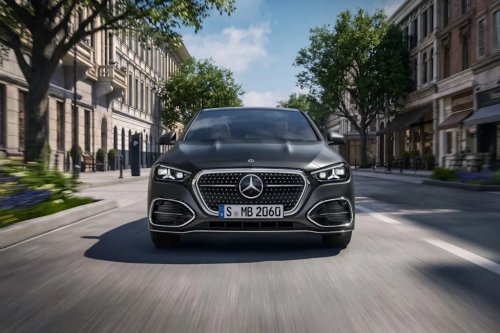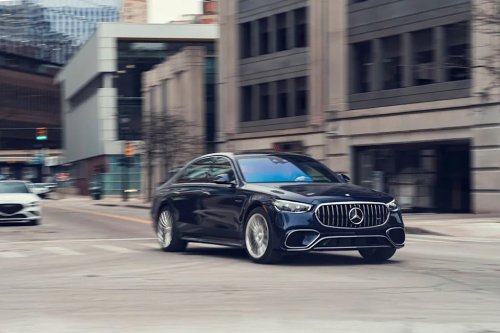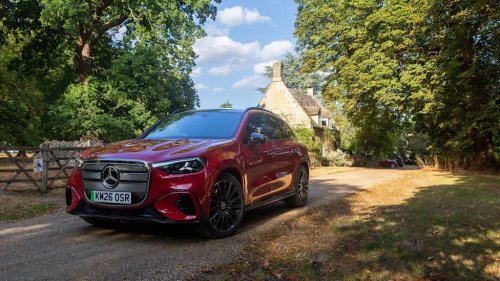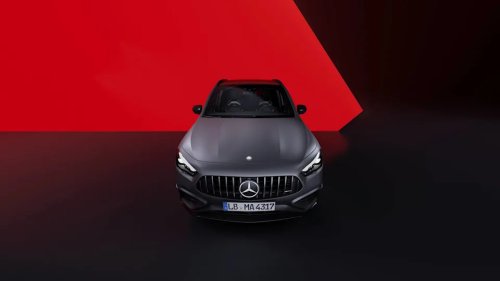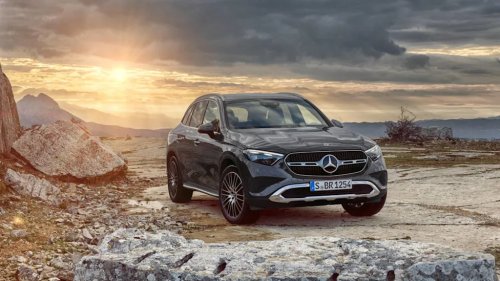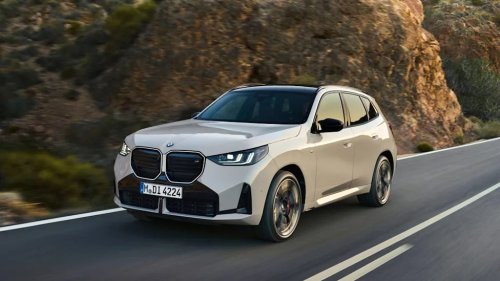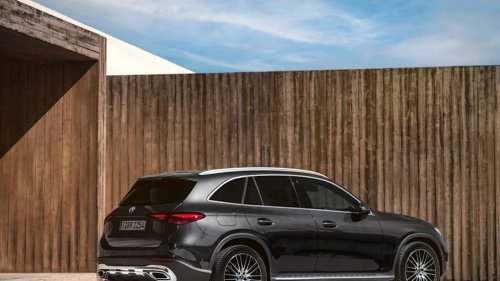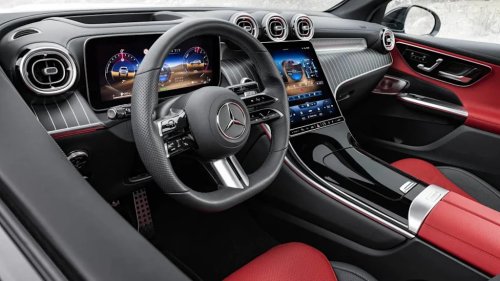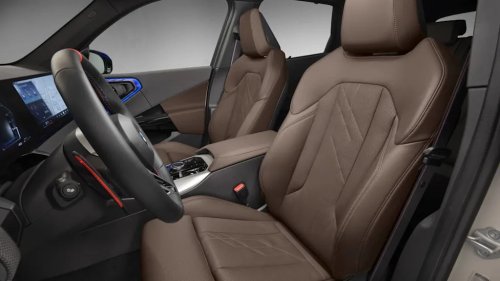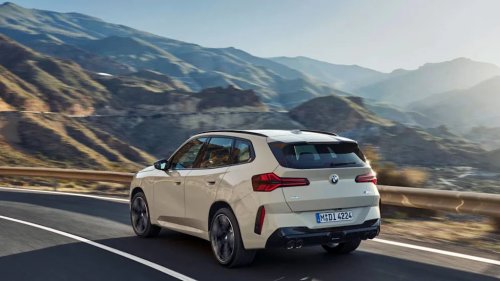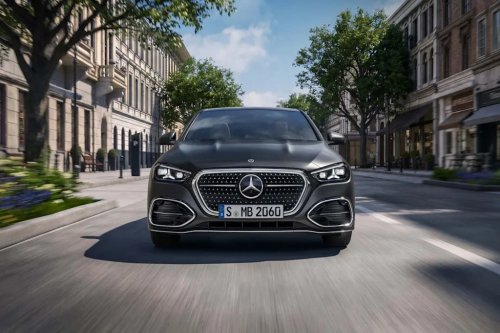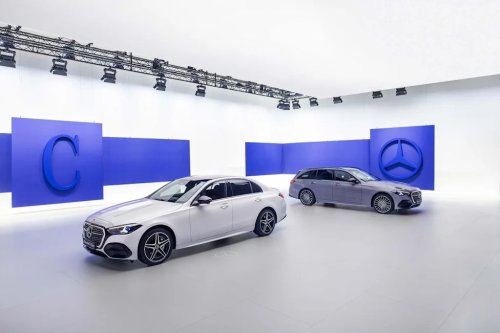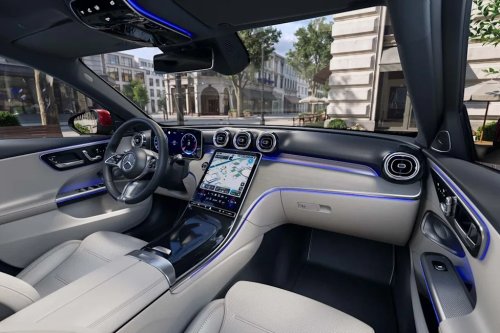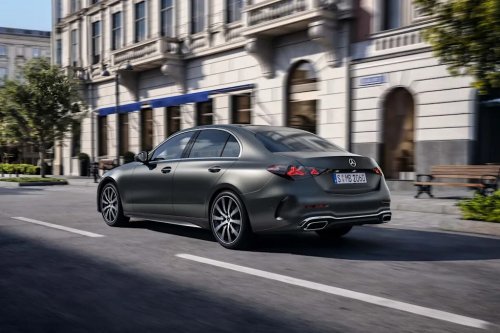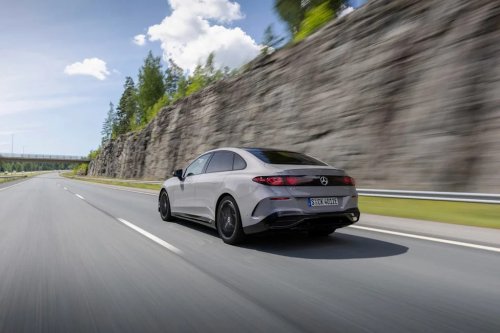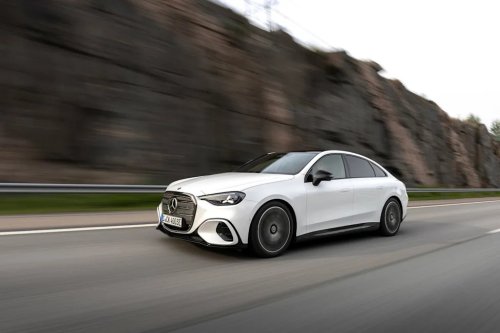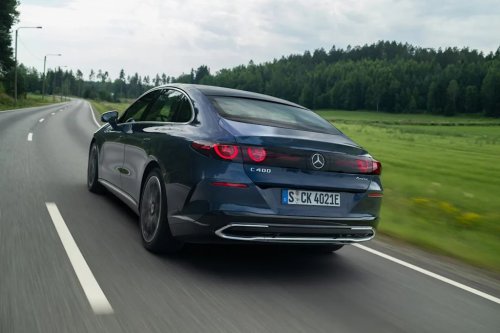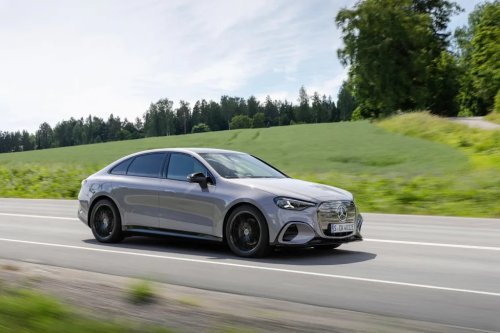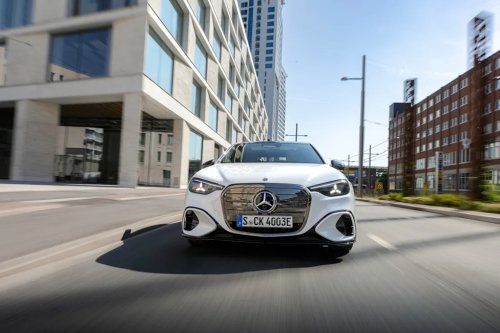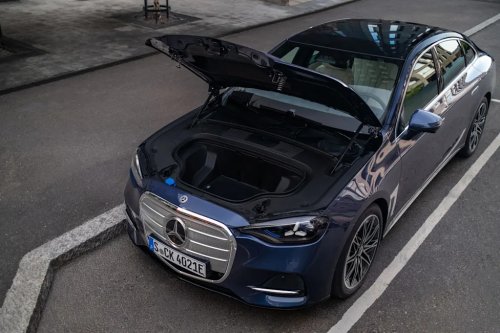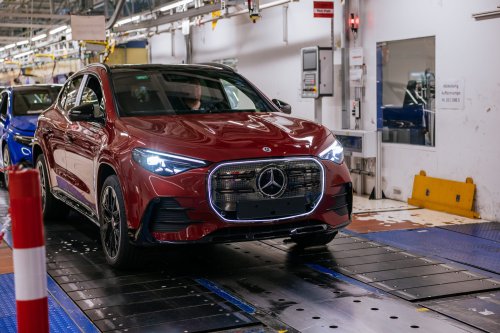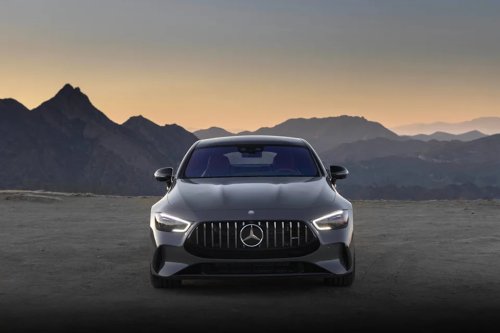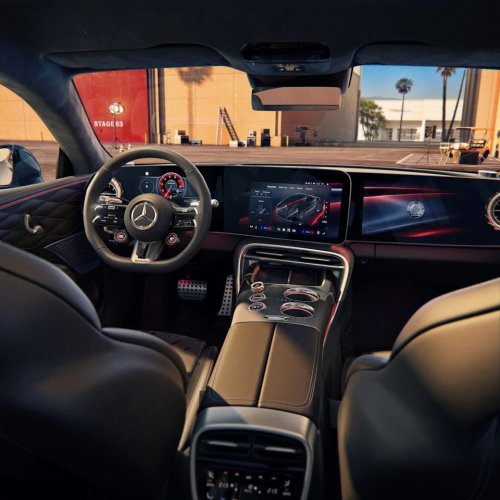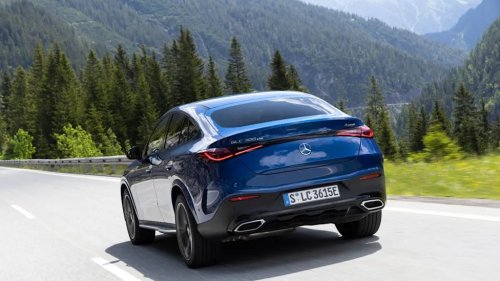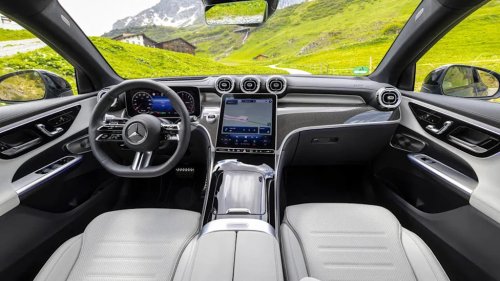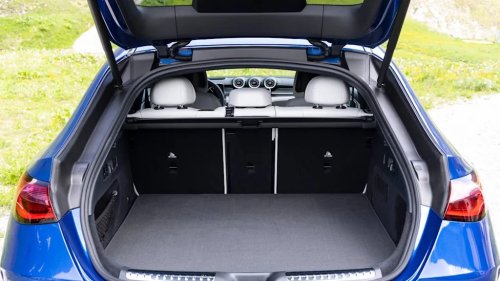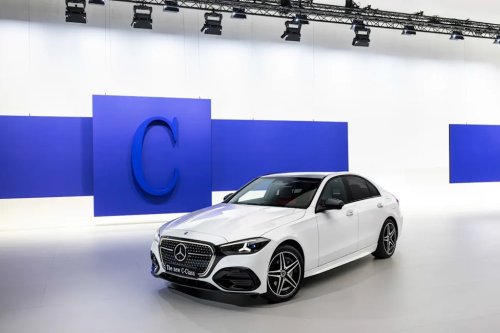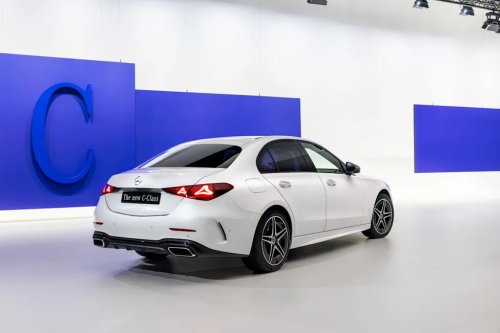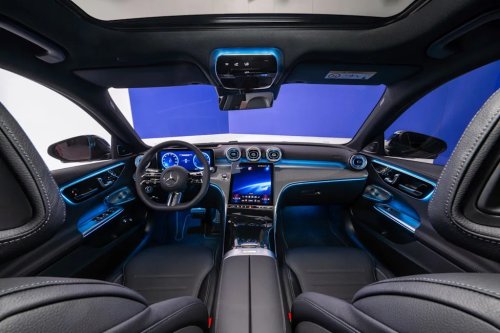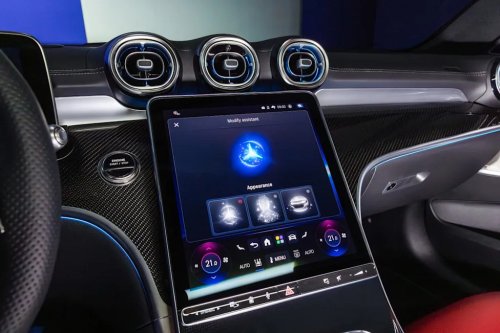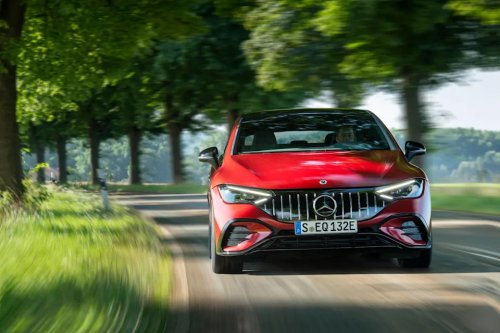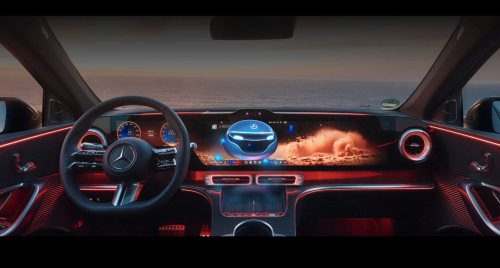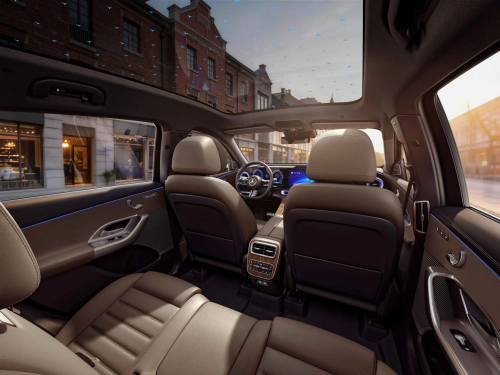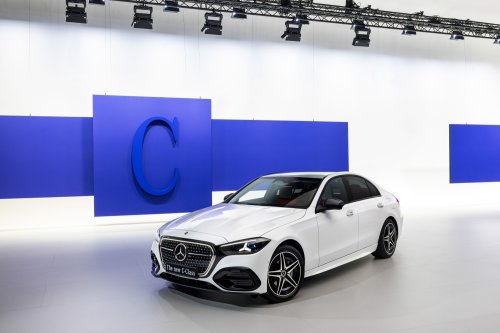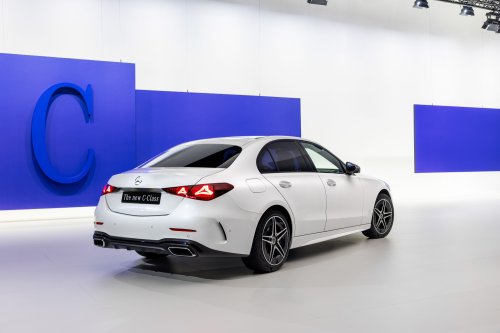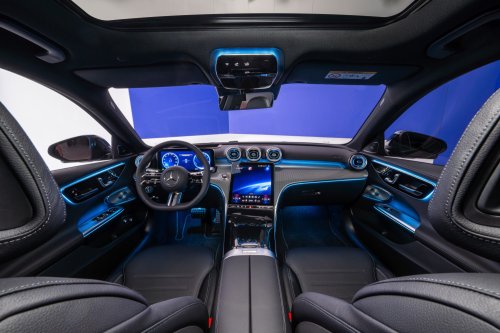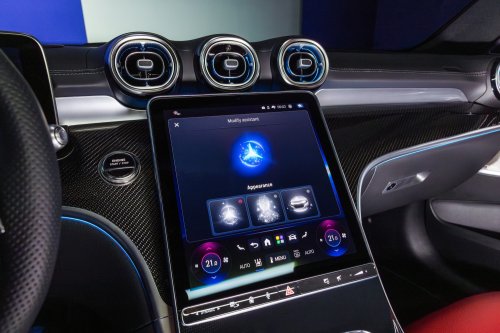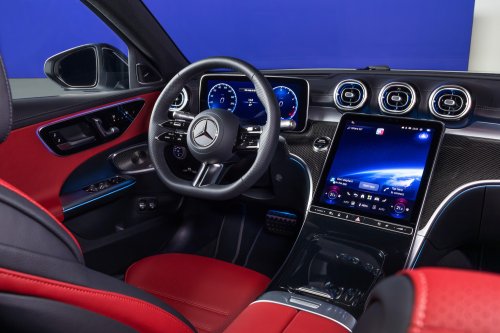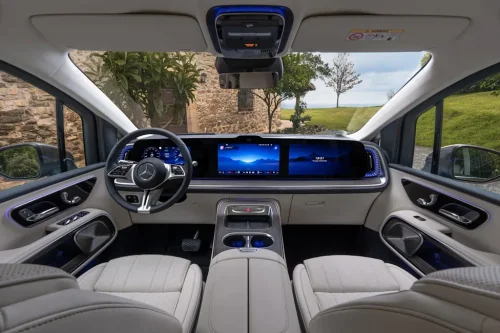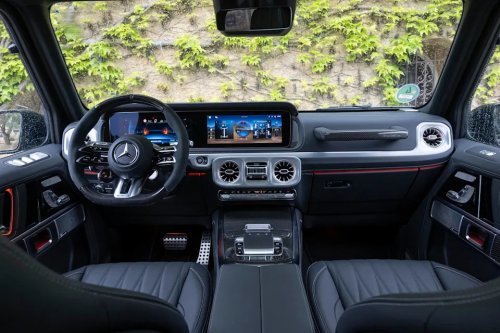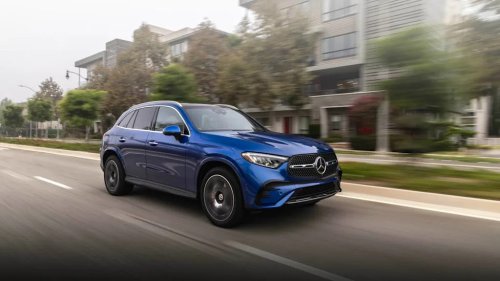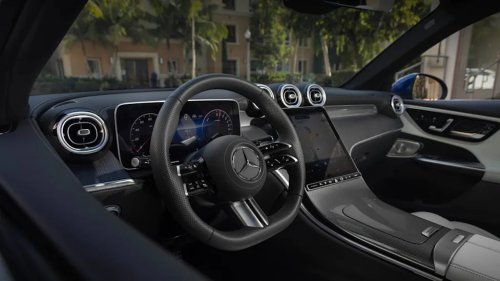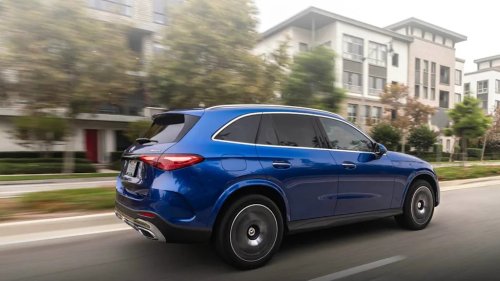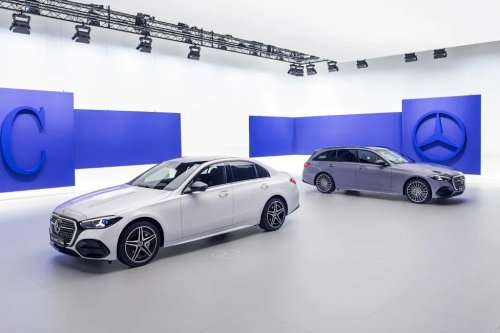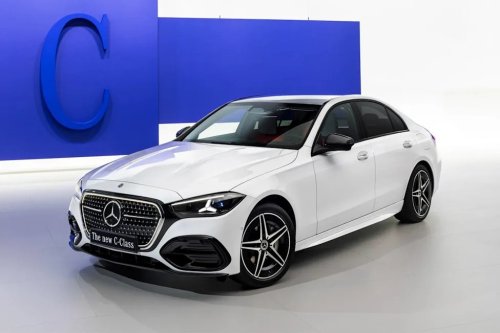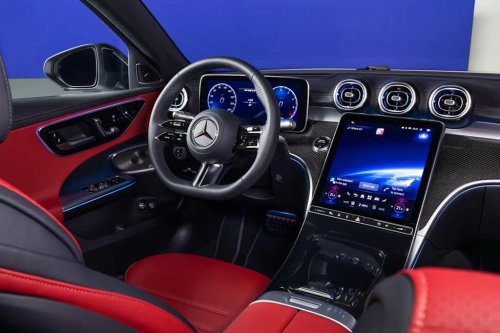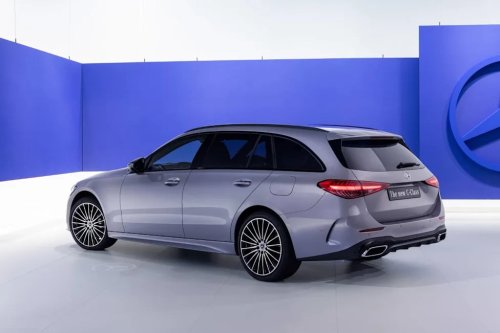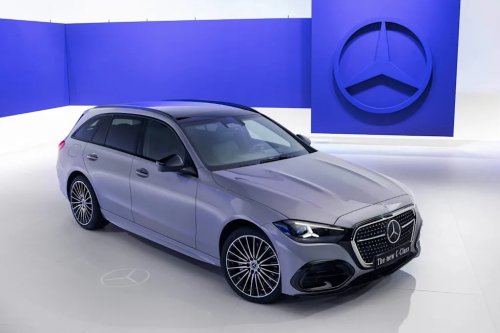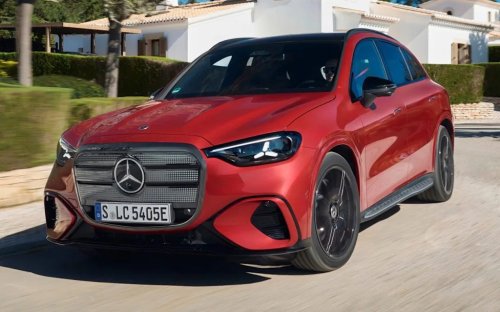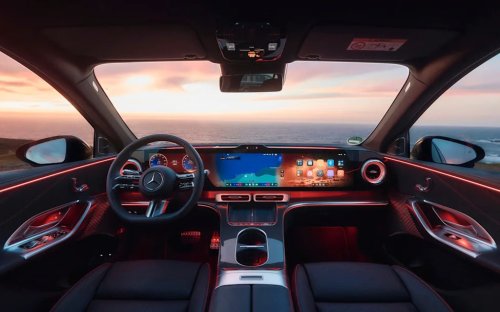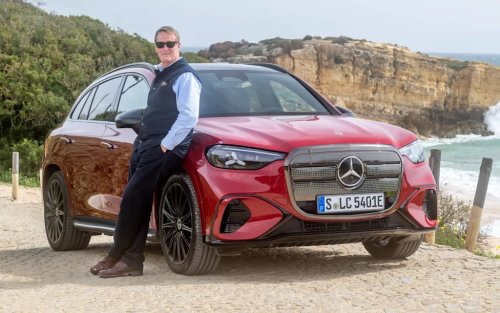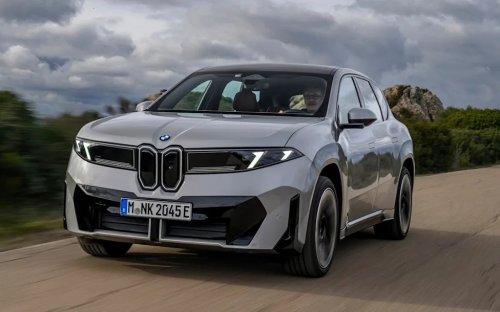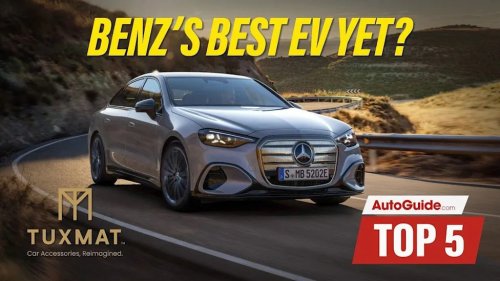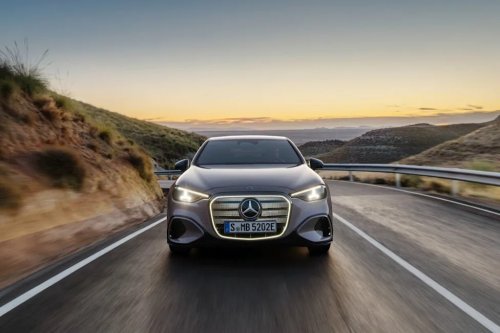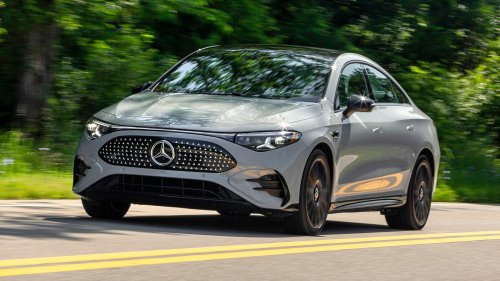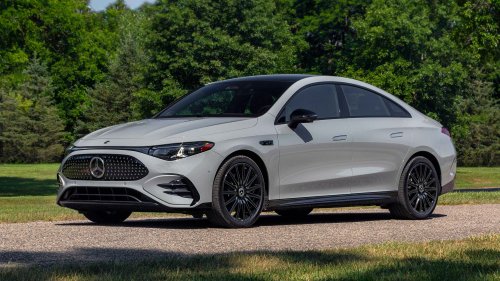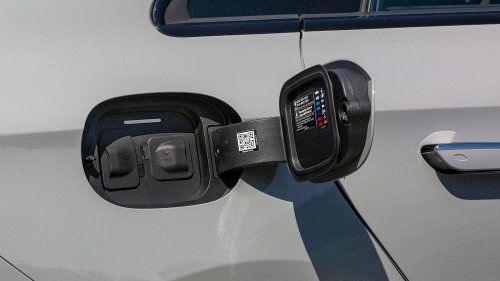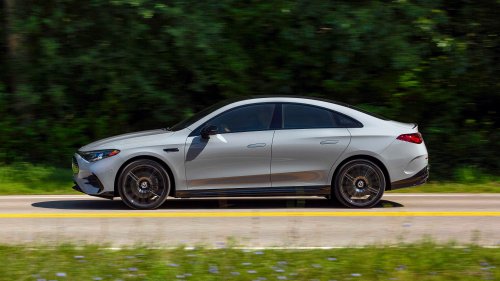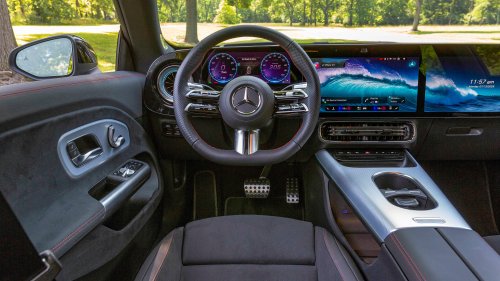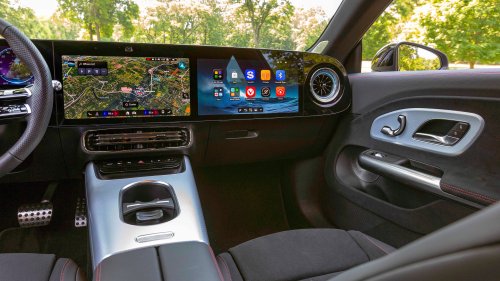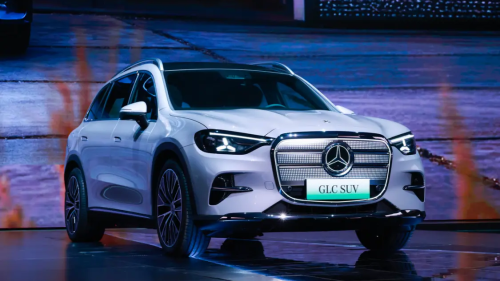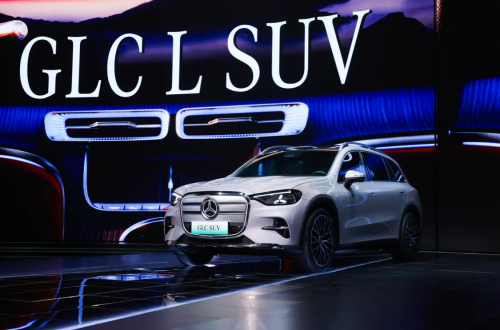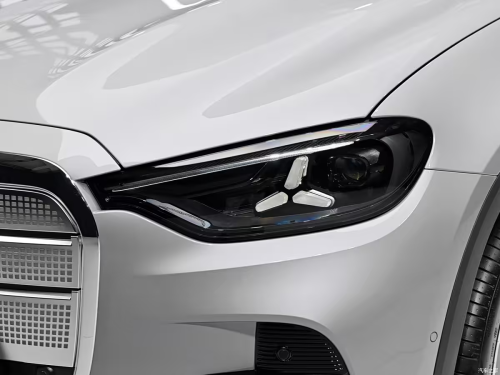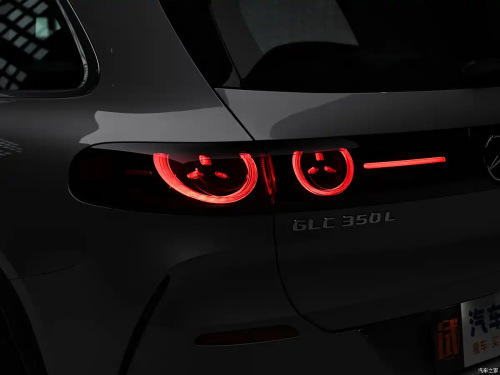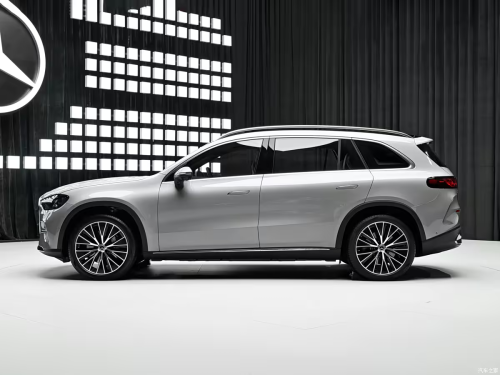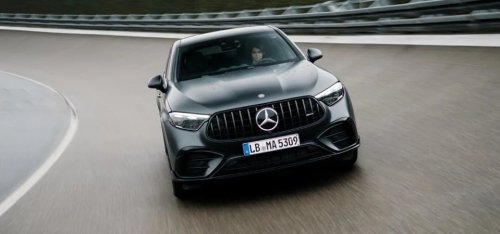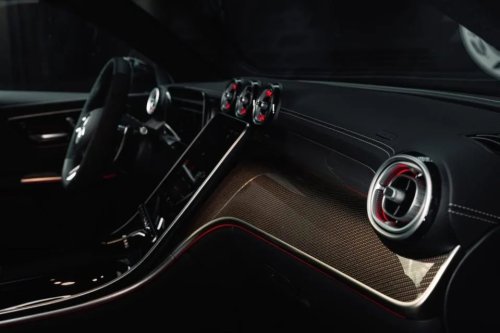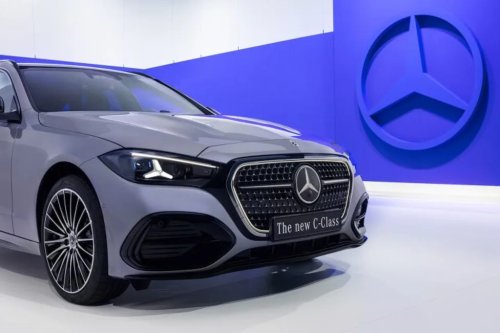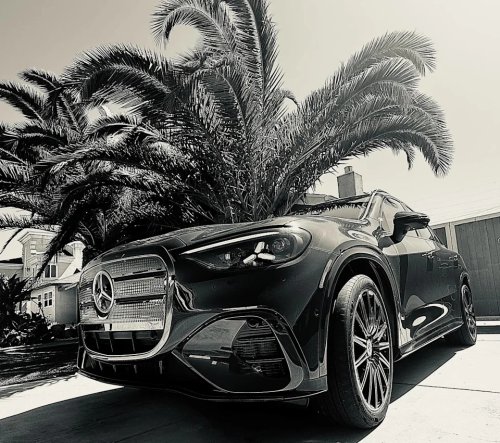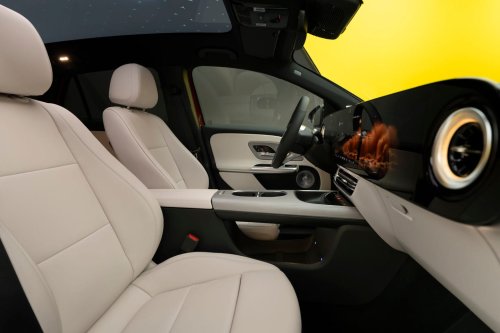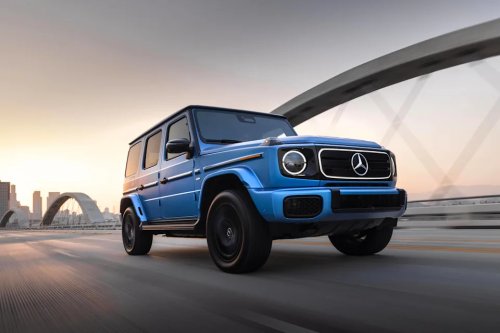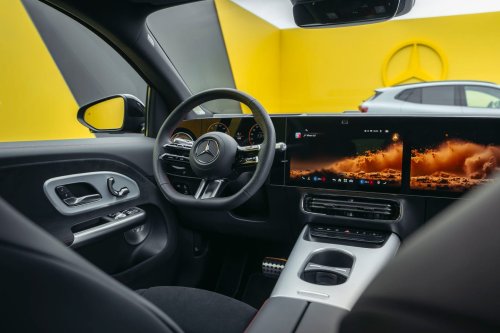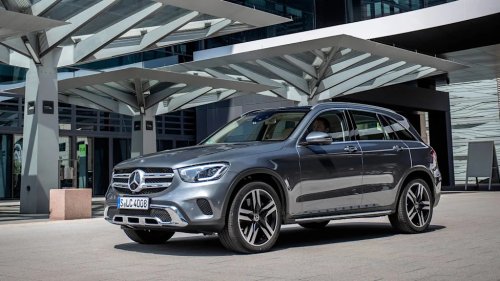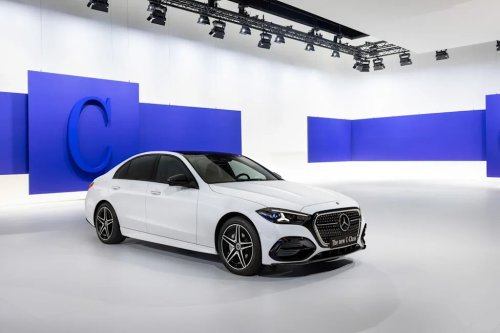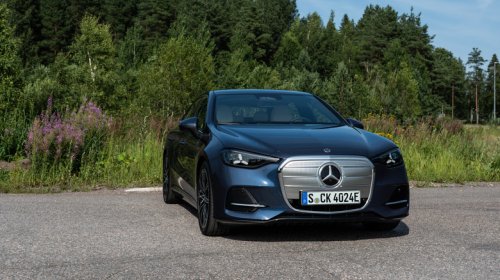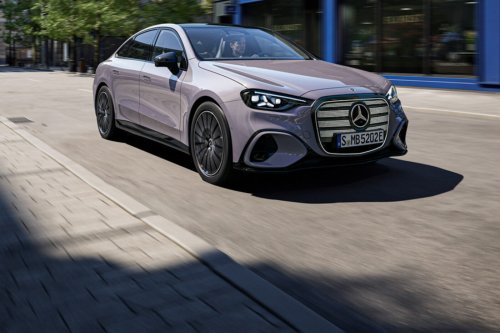
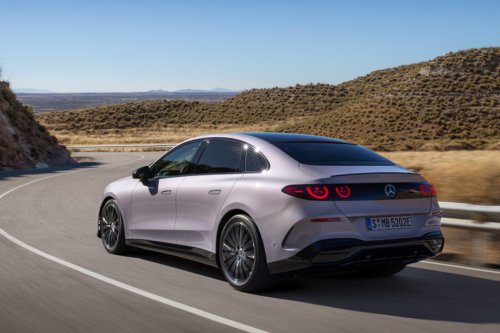
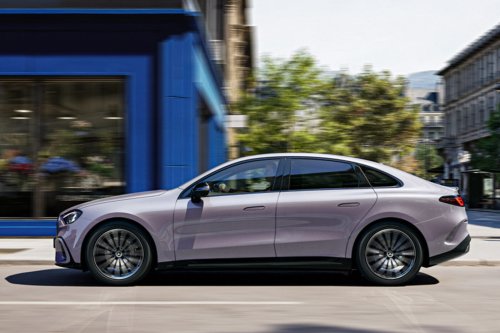
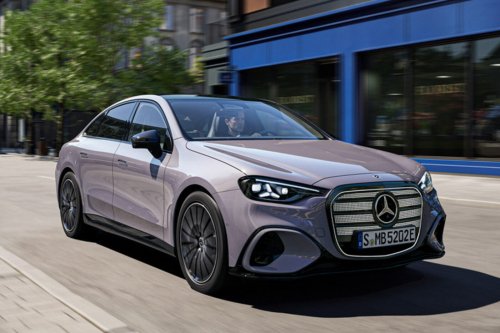
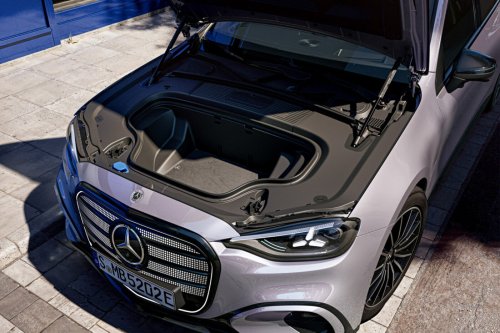
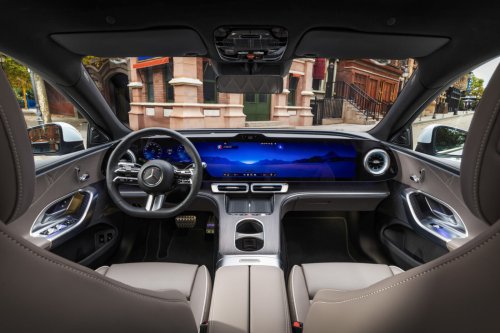



















Image: Mercedes-BenzFor decades, saloons served as the flagship models of German premium brands. Carmakers launched this body style first, then derived additional variants such as estates, coupés, and cabrios. They added SUVs later. They also introduced new platforms and technologies with the saloon.That hierarchy has since shifted. SUVs have overtaken saloons in popularity.BMW unveiled its Neue Klasse with the iX3 at the IAA 2025 and only revealed the i3 as the corresponding saloon in March. Mercedes has adopted a similar approach: after launching the electric GLC at the IAA as the first model on the MB.EA-M platform, the German carmaker took an extra month to unveil their own saloon—the C-Class with EQ technology.Both technically and visually, the new battery-electric C-Class closely mirrors the GLC in a lower, sleeker form. The headlight design—including the daytime running lights—the prominent front grille with LED illumination, and the lower air intakes all align more with the SUV sibling than with the saloon design of the slightly smaller CLA.The CLA, by contrast, launched without the new Mercedes grille and instead features a continuous light strip at the front. At the rear, four round light elements in the Mercedes star signature further underline the close styling relationship to the Mercedes-Benz GLC.In side profile, the differences between the saloon and the SUV become most apparent. However, the new C-Class strongly echoes a model Mercedes-Benz would likely rather move past: its silhouette closely resembles that of the Mercedes-Benz EQE. The aerodynamically stretched roofline flows into a short, compact rear—a design already seen on the EQE.The C-Class is not a direct copy, though, as its bonnet appears slightly longer. Still, the model now measures 4.90 metres in length, putting it within centimetres of the EQE, which was originally conceived as the electric counterpart to the higher-segment E-Class. Some market observers expect Mercedes to phase out the less successful EQE after launching the technically more advanced C-Class. Unlike the Mercedes-Benz EQS, the EQE is also unlikely to receive another facelift.The Mercedes-Benz EQE would struggle to match the new C-Class on a technical level. At launch, the new model—like the GLC—will arrive as the C400 4MATIC with EQ technology. It features an 800-volt architecture, a 94 kWh battery, up to 330 kW charging power, and 360 kW of drive output. Its range reaches up to 762 kilometres under WLTP.This puts it ahead of the EQE 500 4MATIC, which delivers 330 kW and achieves up to 622 kilometres of range with a 90 kWh battery. The C-Class also surpasses the EQE 350+, the range-focused variant with a 96 kWh battery and up to 691 kilometres of WLTP range, although that model uses a 235 kW rear-wheel-drive setup.Mercedes-Benz also plans a rear-wheel-drive version of the C-Class with the 94 kWh battery. This variant is expected to exceed the 800-kilometre mark in standard range. Image: Mercedes-Benz Image: Mercedes-Benz Image: Mercedes-Benz Image: Mercedes-Benz Image: Mercedes-BenzThe fact that the nearly identically sized C-Class, with its 94 kWh battery, delivers more than 100 kilometres of additional range over the Mercedes-Benz EQE with its 96 kWh pack primarily comes down to newly developed drivetrains. Like the GLC, the C-Class uses an in-house drive unit from Mercedes-Benz featuring a two-speed transmission on the rear axle. The system, first introduced in the CLA, is optimised for 800-volt architecture and boosts efficiency through its dual-gear setup.At the same time, the need for a range-focused rear-wheel-drive version to exceed 800 kilometres highlights the limits of the battery concept. Mercedes relies on prismatic cells in conventional modules, while BMW Group takes a different approach with its Neue Klasse. BMW uses cylindrical cells combined with a cell-to-pack design, allowing significantly higher energy density. This enables the Munich-based carmaker to integrate up to 108 kWh into its mid-size models. As a result, the iX3 50 xDrive already reaches 805 kilometres, while the more aerodynamic i3, with 345 kW all-wheel drive, is expected to surpass 900 kilometres.On charging performance, both brands are nearly level on paper. Mercedes specifies a charging time of 22 minutes from 10 to 80 percent for the GLC and the new C-Class, compared to 21 minutes for BMW’s Neue Klasse models. However, BMW’s batteries store more energy, meaning they recover more range within a similar timeframe. In concrete terms, the C400 4MATIC adds around 325 kilometres of range in ten minutes of charging.Whether this difference matters in everyday driving depends on usage patterns. Drivers who typically stop after around 300 kilometres or roughly three hours behind the wheel are unlikely to notice a meaningful gap between BMW and Mercedes in real-world conditions.While the BMW 3 Series has traditionally been seen as the more dynamic option and Mercedes-Benz has focused on comfort, Stuttgart is now positioning the new model as the ‘sportiest C-Class of all time.’ At the same time, BMW Group also emphasised the driving dynamics of the electric 3 Series during the i3’s design premiere in Munich. How the two compare in real-world performance will likely only become clear in a direct head-to-head test.The C-Class at least brings the right hardware. Optional air suspension and rear-axle steering aim to balance agility and comfort. The air suspension offers a wider spread between sporty handling and ride comfort at the push of a button compared to conventional coil springs, even when paired with adaptive dampers. Rear-axle steering, meanwhile, enhances stability at higher speeds while improving manoeuvrability at low speeds—such as in tight corners or when parking. Despite its 4.90-metre length, the C-Class is designed to feel almost as agile as a compact model.The new C-Class also offers improved practicality, translating its larger exterior dimensions into a more spacious boot. Instead of the previous maximum of 455 litres, the saloon now accommodates up to 490 litres. Additionally, even the all-wheel-drive model with a second electric motor on the front axle provides an extra 100 litres under the bonnet. This means the frunk is no longer just for the charging cable but can also fit a sports bag or a carry-on suitcase.Inside, the new C-Class features the (almost) standard Mercedes design: as in all newer models from the brand, a black design element spans nearly the entire width of the dashboard. However, instead of the usual three-part layout consisting of a cockpit display, central touchscreen, and optional passenger display, there is now a seamless monitor without interruptions or borders. The materials are said to be more premium, and the additional ten centimetres of wheelbase create a more spacious feel.Mercedes-Benz has not yet announced pricing, with details set to follow at the order launch in May. Traditionally, the saloon undercuts the SUV slightly. With the GLC 400 4MATIC starting at €71,281, a price of around €70,000 for the C400 4MATIC appears realistic.Prices could fall later as Mercedes introduces a rear-wheel-drive version with the large battery and a more affordable variant with a smaller pack. At the same time, the range will expand upwards: the “sportiest C-Class of all time” is also set to receive an AMG derivative.