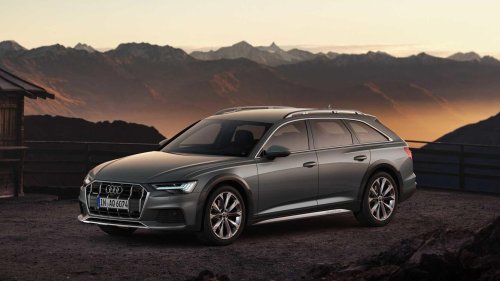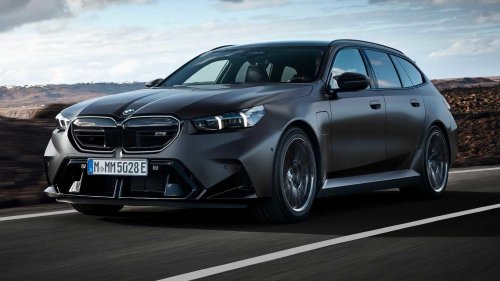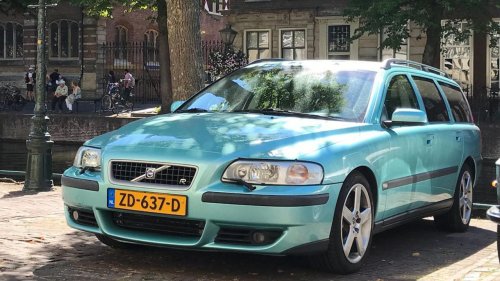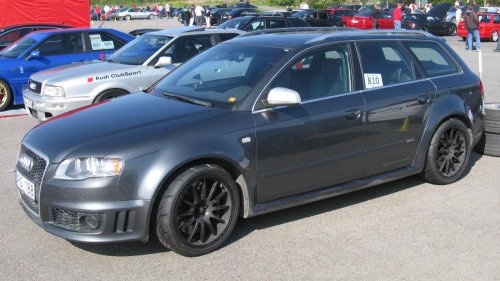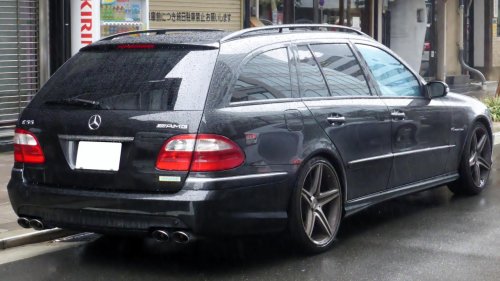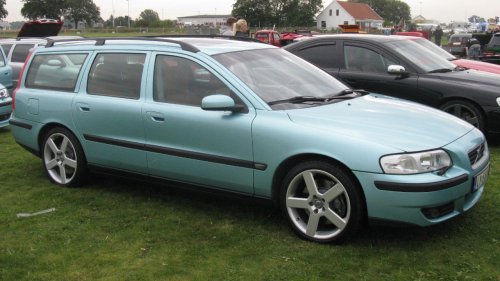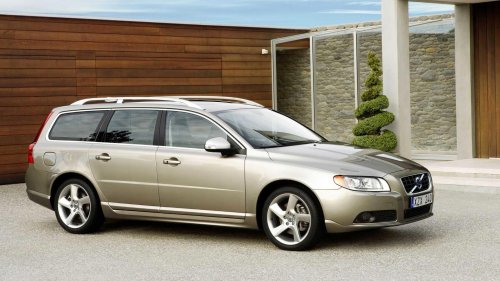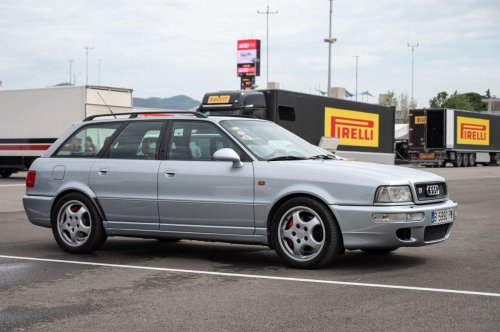
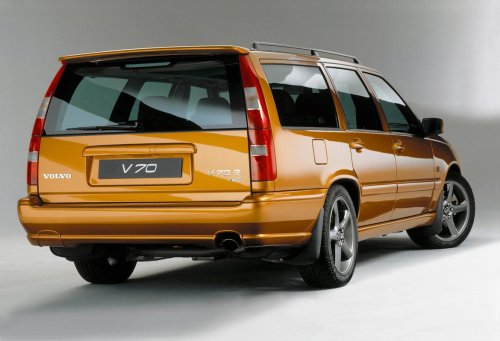
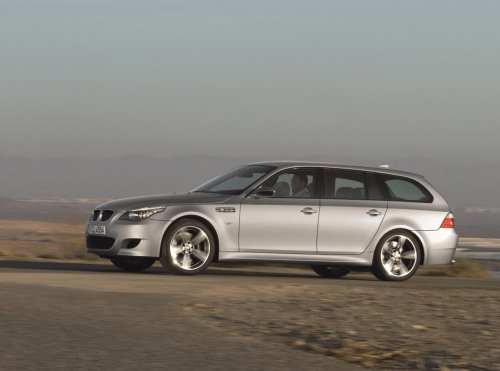
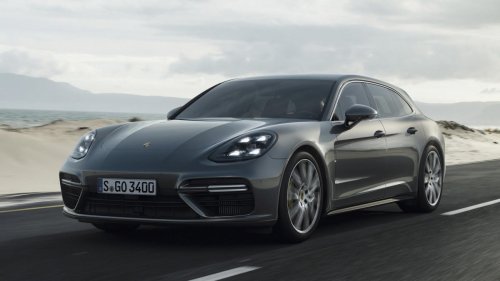



















How wagons quietly stole performance’s thunder SUVs and crossovers have been the “family” vehicle of choice worldwide since the early 2000’s. As these vehicles became popular, the wagon was pushed to the back burner. In Europe, however, there’s been an emphasis on improving wagons’ balance and performance as a natural fit for performance and driver interaction. This shift away from pure utility to being a “personality” type of vehicle is what makes many European wagons different. European wagons began handling similarly to sedans in everyday driving conditions, delivering superior performance in areas like cornering, highway stability, and overall comfort. Early adopters of this philosophy included brands such as Audi, which produced the RS Avant; Volvo R models, which offered power and safety packaged in a uniquely Scandinavian style; and BMW Touring models, delivering the brand’s hallmark rear-wheel drive dynamics. Audi RS2 Avant was the moment the family car got serious The 1994 Audi RS2 was developed through a partnership between Audi and Porsche. The outcome of this collaboration was one of the most powerful wagons of its time, although at first glance, the RS2 may seem just another grocery getter. With a 2.2-liter turbocharged 5-cylinder producing 311 horsepower, plus Porsche Carrera brakes, mirrors, and wheels, the RS2 delivered a sub-5-second (4.8) 0-60mph run, leaving many cars with prestige badges behind. For example, the RS2 had similar performance characteristics to the E36 BMW M3, but offered both greater cargo capacity and all-wheel drive traction via quattro. Mercedes-Benz and BMW would go on to create their own powerhouse wagons in the following decade. Volvo V70 R showed safety could be thrillingWhen Volvo, known for making reliable, safe-to-operate vehicles, debuted the V70 R in 1997, it generated some attention. The V70 R’s exterior was sportier than the RS2 Avant, and it featured a 2.3L turbocharged inline-5-cylinder engine with 250 horsepower. Those seeking pure speed may prefer the RS2, but the V70 R’s appeal was boosted by an early Haldex all-wheel-drive system and an adaptive Four-C suspension before Active Damping became a standard feature in early-2000’s luxury. Overall, precision, performance, and safety met in the V70 R to grow the wagon’s audience.Need new tires? Save up to 30% at Tire RackFind the perfect tires for your exact vehicle and driving style. Click here to shop all top-tier brands, including Michelin, Bridgestone, and more, directly at Tire Rack. Mercedes-Benz E55 AMG wagon turned suburbia into a drag stripThe 2003 Mercedes-Benz E55 AMG wagon was both crazy and genius as a family car packing a supercharged 5.4-liter V8 with 469 horsepower (as in the iconic SL55 AMG). This 5-speed automatic, rear-wheel drive model embarrassed many two-seater sports cars with its 0-60 mph acceleration of just 4.5 seconds. Years would pass after Mercedes-Benz released this vehicle for athletic SUVs, such as the BMW X5 M and Porsche Cayenne Turbo S, to appear in showrooms. For those looking to obtain supercar thrills while having actual storage, this is the wagon you wanted. The E55 showed us that there can be a place for sheer practicality and unadulterated madness in wagons. BMW M5 Touring made autobahn speed practicalBMW’s E61 M5 Touring was another wagon that combined exotic engineering and everyday driver functionality. The E61 M5 Touring had BMW’s legendary S85 5.0-liter naturally aspirated V10 engine that generated 500 horsepower; it was coupled to a SMG III seven-speed semi-automatic transmission and an adaptive suspension system that transferred high-performance characteristics from the race track to the road. For a short drive, if you didn’t mind being a bit snug up front, you could even install child seats in the rear. In comparison, the earlier E34 M5 Touring (produced from 1992 to 1995) reached its peak horsepower of 335. Only about 1000 E61 M5 Touring units were manufactured by BMW specifically for European markets, and it would set the stage for modern M wagons like the 2025 G99 M5 Touring. Porsche Panamera Sport Turismo’s balanced design: a roofline that worksForm finally caught up to function with the 2017 to 2021 Porsche Panamera Sport Turismo. Porsche built upon the Panamera 4-door coupe and provided a longer-wagon profile, with a steeper rake in the rear window, and a full liftback tailgate. The new configuration provided additional rear headroom and more seamless loading for larger items. Regarding appearance, the 2017 to 2021 Sport Turismo had a far greater sense of balance than did the previous 2010-16 fastback Panamera. The fastback version of the Panamera had felt somewhat top-heavy at the rear; however, the gentle slope of the Sport Turismo’s roof line and the square hatch resulted in a much more unified and purposeful design. Buyers weren’t making wagon compromises. Instead, they were making statements.Don’t write off wagons, especially the ones aboveWhile many continue to hop on the SUV train, wagons generally offer a more balanced approach to performance. Sitting lower to the ground with unobstructed visibility and ideal weight distribution, our list’s vehicles are sensible without ditching thrills, reminding enthusiasts that practicality and driving pleasure can coexist. Which model would you choose?