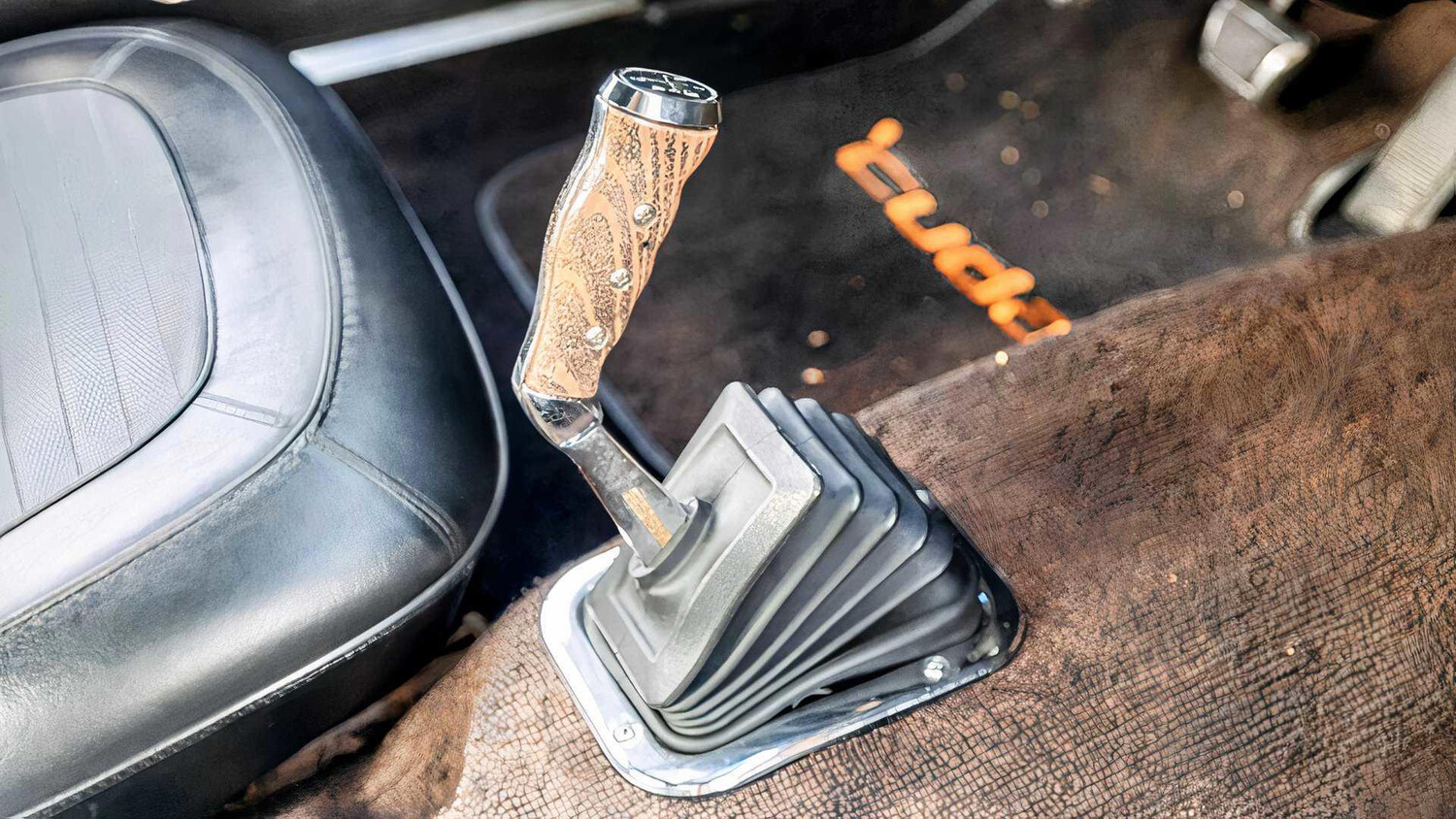
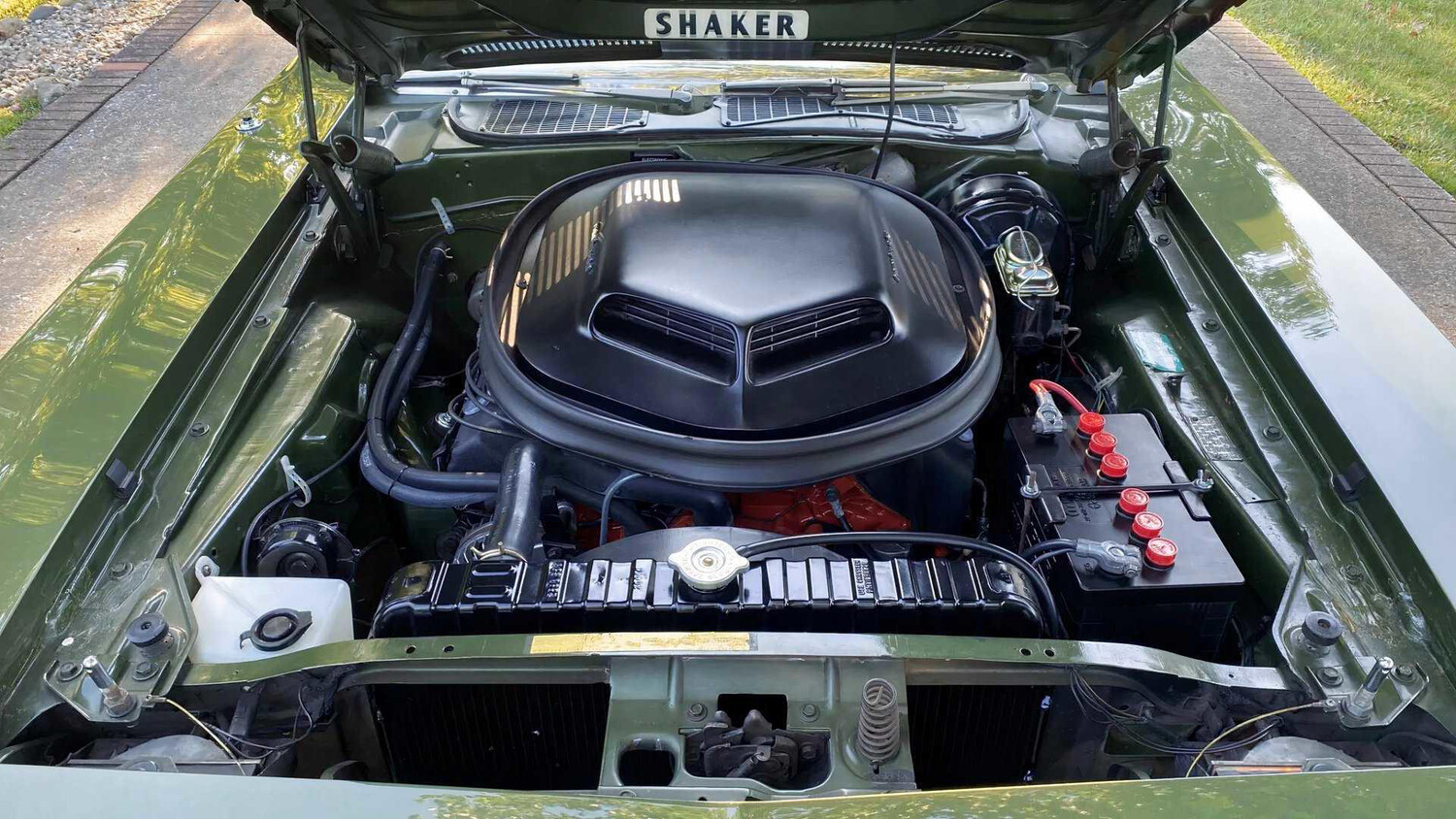
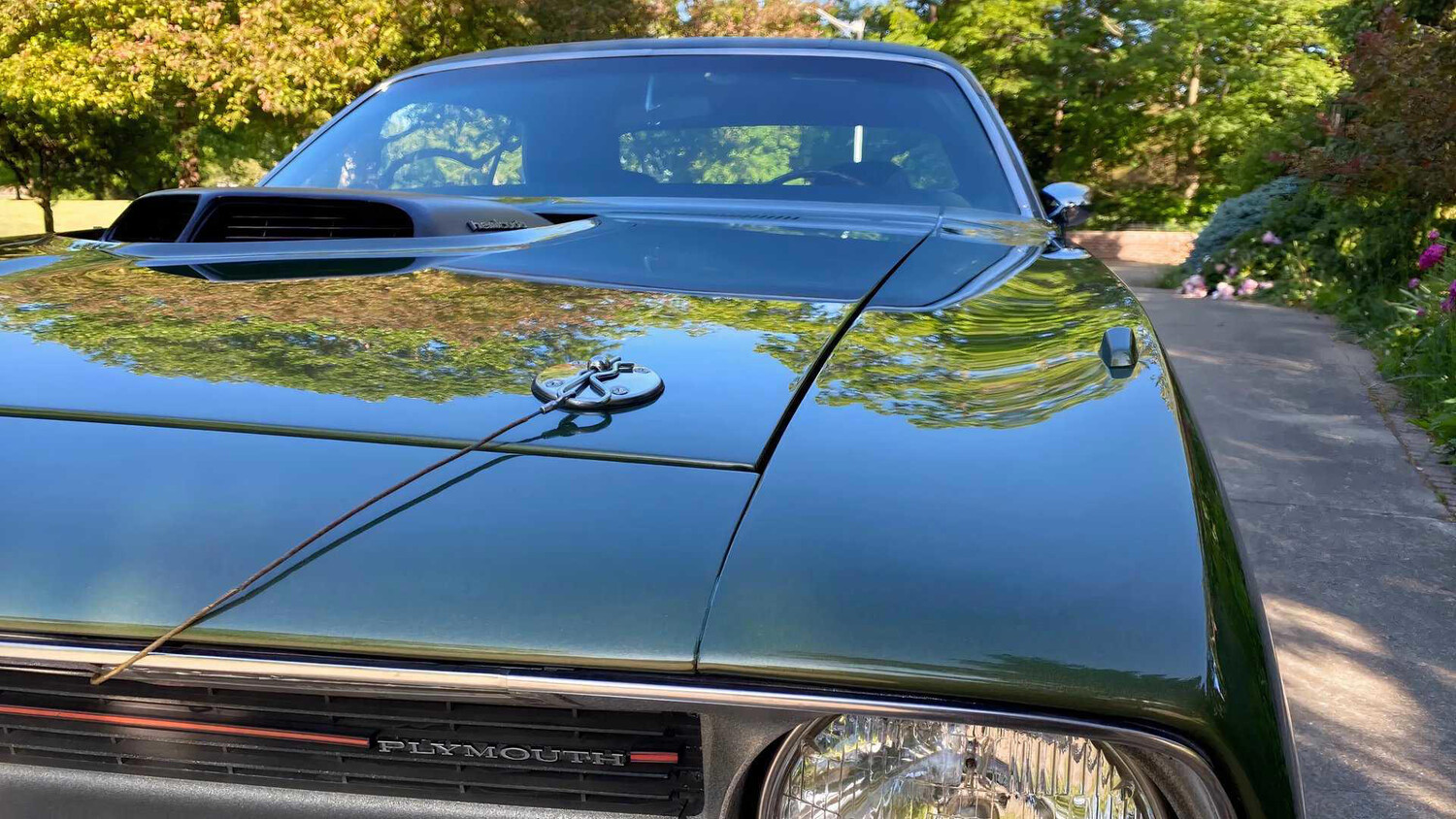
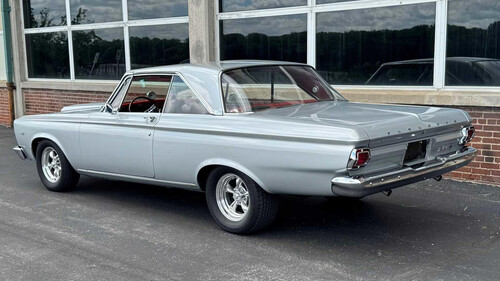
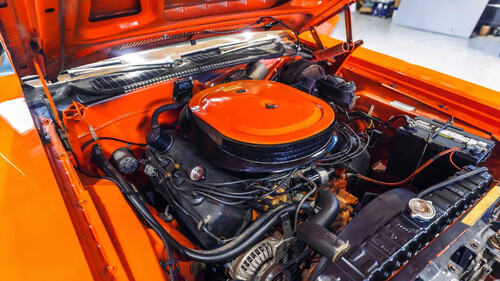
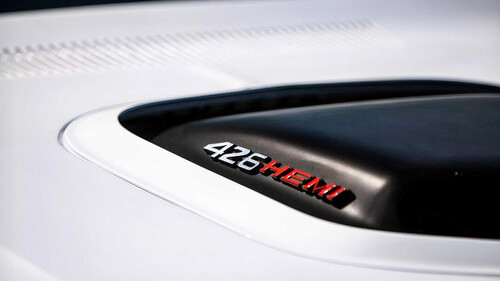
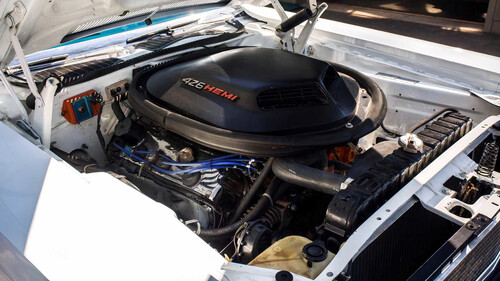
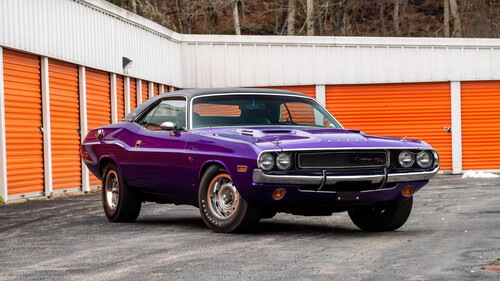
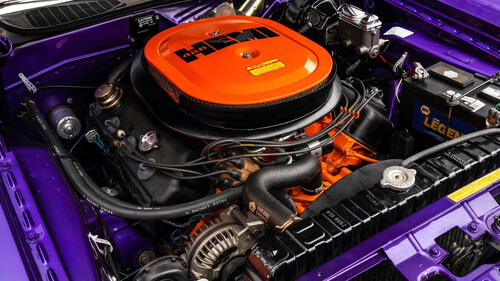
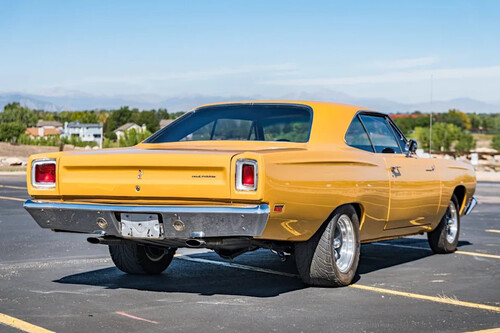
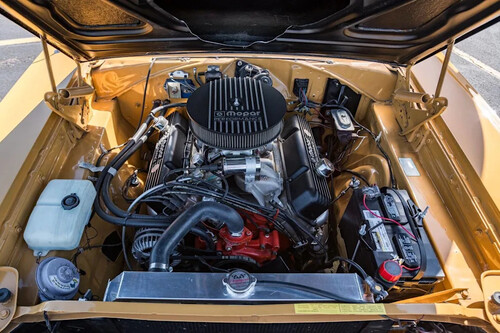
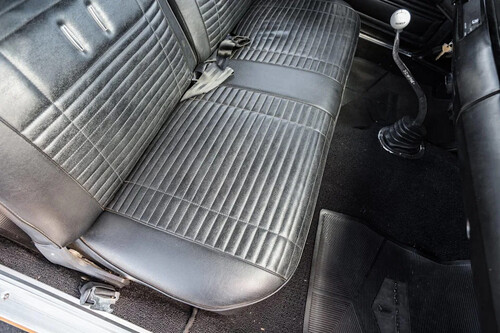
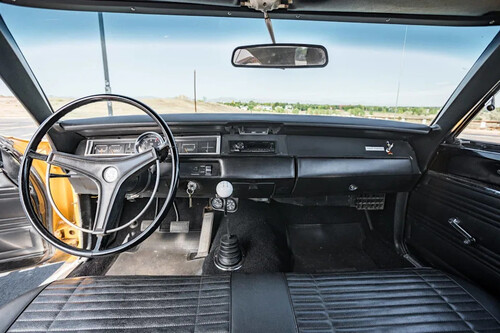
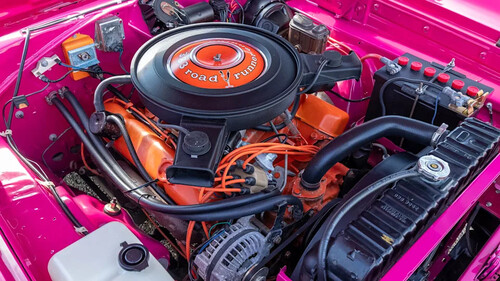
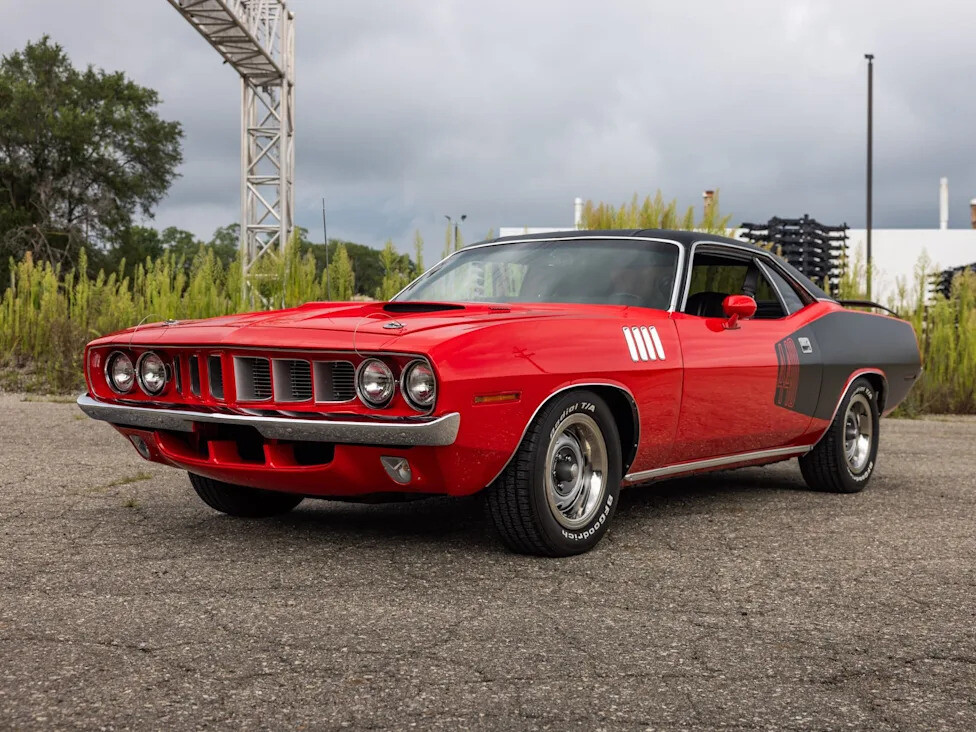
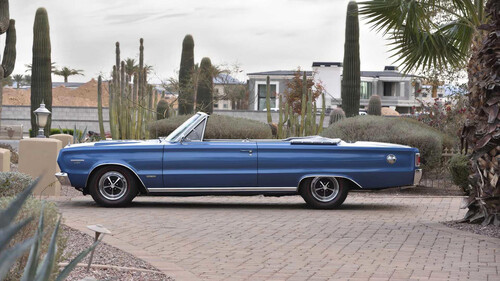
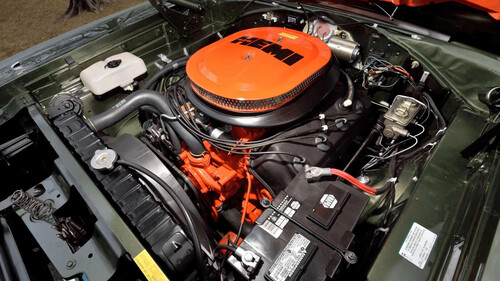
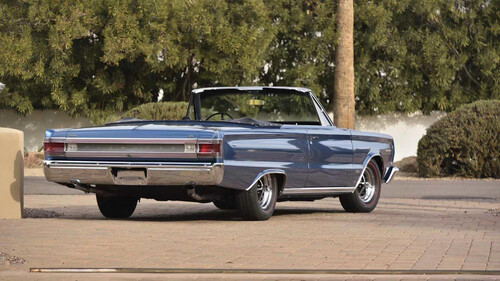
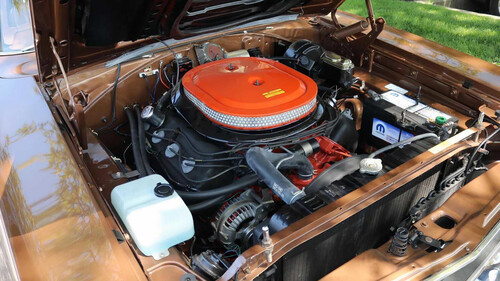
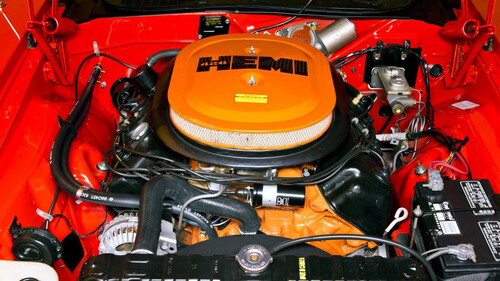
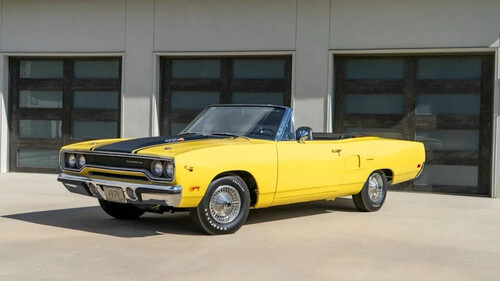
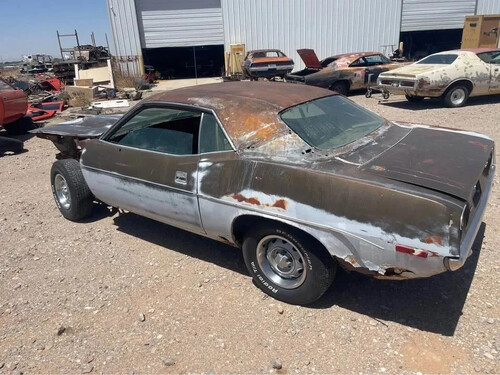
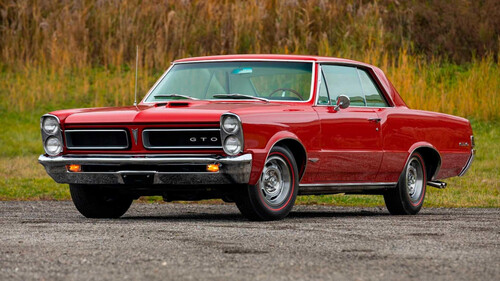
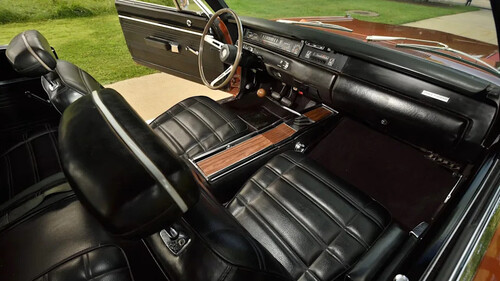
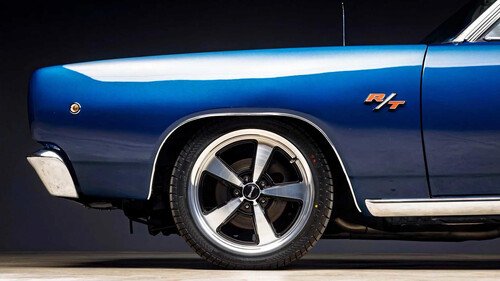
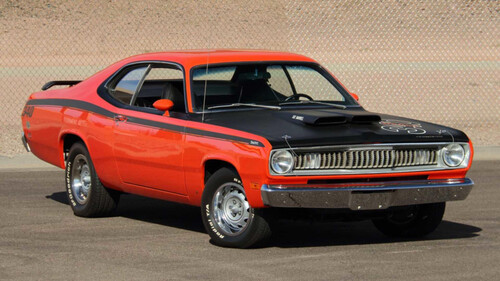
By the late 1960s, American muscle cars were already fast, loud, and unapologetically powerful. Seasoned gearheads will remember that horsepower numbers were climbing, quarter-mile times were falling, and buyers knew roughly what to expect when it came to performance of the era.But in 1970, everything seemed to change on a dime. You see, it was the arrival of one car in particular that quietly disrupted those expectations. And, no, it didn’t introduce speed, and it didn’t invent power. Instead, it changed how both were packaged, delivered, and understood, and suddenly, familiar benchmarks were so last year, and “fast” stopped being predictable. Yes, there was one machine that came along and seemingly changed it all. Let’s get into it. Before 1970, “Fast” Had Limits via Bring A TrailerEvery good gearhead knows that the 1970 Plymouth Hemi ‘Cuda 4-speed redefined the American auto scene and the definition of going fast. Sure, the 1968 Chevrolet Chevelle SS 396 was sick with its big-block torque and the ability to launch across a quarter-mile in 13.8 seconds. And, yes, the ‘69 Pontiac GTO Ram Air IV was one of the best-balanced muscle cars of the era.The '69 Ford Mustang Boss 429 certainly made its mark, too, with its NASCAR-derived engine. Now, while each of these muscle cars can certainly feed a gearhead’s soul, nothing, and I mean nothing, made a gearhead stop dead in their tracks quite like the 1970 Plymouth Hemi ‘Cuda 4-speed.Interestingly, what held others back from the status that the ‘Cuda reached was tire technology. You see, bias-ply tires did not directly correlate to usable traction, even with rising horsepower. Wheelspin was common, and maintaining control under full throttle often mattered more than peak output. Braking systems and chassis rigidity imposed further limits, as stability and stopping distance became more of a concern.via Bring A TrailerVehicle size and weight also played a role. Many of the fastest cars of the late 1960s achieved their performance through sheer displacement in relatively large, heavy platforms. That approach worked, but it came with trade-offs. Acceleration was impressive, yet driver confidence was often compromised. Fast, in this context, was powerful but predictable. There was a ceiling to how far a machine of this era could go before it became just outrageous and unsafe for gearheads on everyday drives.Just as important, there was a shared expectation among buyers, manufacturers, and insurers about where that ceiling sat. A high-13-second quarter mile was quick, and low-13s were exceptional. Anything beyond that was considered specialized or experimental, rather than something a typical customer would manage on public roads.By the end of the 1960s, the muscle car formula had become familiar. Power increases were incremental, and gains came with diminishing returns. Fast still mattered, but it existed within limits. Those limits were widely accepted, right up until they weren’t, and thus, that’s where the 1970 Plymouth Hemi ‘Cuda 4-speed’s story truly starts. The 1970 Hemi ’Cuda Changed the Math Overnight via Bring A TrailerSure, when Plymouth released the 1970 Hemi ’Cuda, it did not suddenly reinvent speed. However, what it did do was change how speed was calculated, packaged, and experienced in a factory-built American car. The formula seemed simple in written form, yet it was quite extreme in execution. Take Chrysler's 426 cubic-inch Hemi V8, officially rated at 425 horsepower and 490 lb-ft of torque, and install it into the compact E-body platform with a short 108-inch wheelbase. Then offer it with a heavy-duty four-speed manual and minimal compromise for comfort. The result was a speedometer that climbed much faster than a gearhead’s common sense ever could.via Bring A TrailerSo, yes, this was the combination that completely altered the expectations around American gearheads throughout the rest of the 1970s. Those power-to-weight ratios that had previously belonged to larger muscle cars were now concentrated into a shorter, lighter, and far more aggressive package with the Hemi ’Cuda weighing hundreds of pounds less than many full-size and midsize big-block competitors, yet delivering comparable or greater output. The result was a factory car capable of an incredible 13.1-second quarter-mile run in stock form.However, it’s also important to remember that when it came to the Hemi ’Cuda, there was little buffer between traction and chaos. The massive torque curve overwhelmed bias-ply tires, and gearheads can’t forget that the four-speed manual put full responsibility in the driver’s hands. Fast stopped being theoretical and became something that demanded restraint and skill as this ‘Cuda served as the street-legal expression of what the upper limit of American performance could realistically be at the time. Why The 4-Speed Manual Was Central To That Redefinition via Bring A TrailerThe 1970 Hemi ’Cuda’s impact was not just about horsepower. You see, what made this machine special was more about how that power was delivered and controlled. The available four-speed manual transmission was central to that shift because it forced speed to become an active process, as there was no such thing as passive behind the wheel of this ‘Cuda. So, yeah, every shift was simply a reminder that horsepower doesn’t care about confidence, no matter who you are.While automatic transmissions that made big horsepower were much more accessible in the 1970s, the ‘Cuda was never meant to be an easy driver. If you wanted performance, you actually had to know how to drive. You see, the ‘Cuda with its four-speed manual did the opposite of an easy automatic, placing the burden of performance squarely on the driver with clutch engagement, throttle modulation, and gear selection all mattering more than ever. And, if you couldn’t handle it, mistakes were immediately punished. In a car with this much torque, the margin for error was thin, making drivers honest about their ability behind the wheel of a powerhouse like the ‘70 Hemi ‘Cuda. Drivers who couldn’t handle the heat definitely needed to stay out of the kitchen with this one.1970 Plymouth Hemi ’Cuda 4-SpeedThat dynamic changed how “fast” was experienced, as acceleration was only half of the story, with the other side hinging on what the driver could actually manage. Yep, that clutch pedal doubled as a reality check for any gearhead that slipped behind the wheel. A poorly timed shift or an overly aggressive launch could erase any advantage the engine provided as speed became conditional, not a guarantee. Thus, with this ‘70s muscle car, gearheads soon found out that missing a shift wasn’t just embarrassing, it was educational.The four-speed also reinforced the car’s raw, mechanical character. There was no insulation between driver input and vehicle response. Every upshift and downshift was felt, meaning that getting behind the wheel of one of these bad boys was a reality check for every gearhead. This was not refinement chasing performance; it was performance that demanded discipline.In the broader muscle car landscape, that mattered. Many contemporaries were fast, but increasingly forgiving. The Hemi ’Cuda with a four-speed resisted that trend. It reasserted the idea that maximum performance required skill, restraint, and experience. Fast stopped being something you simply owned and became something you had to earn, and that change was as important as any number on a spec sheet. The New Benchmark That Other ’70s Cars Had To Chase via Bring A TrailerWhen we look at the impact that the 1970 Hemi ’Cuda left on the auto industry, it really comes down to one thing: defining the upper boundary of what was possible from a muscle car following the height of the muscle car era in the 1960s. After the release of the Hemi ‘Cuda, any serious performance car released in the 1970s was measured against a new reference point.And, really, what gave this machine even more of an edge was that is truly could not be replicated again. You see, with rising regulations in the ‘70s, heightened insurance pressures, and increased safety standards, automakers had their hands tied behind their backs. Throughout the rest of the decade, horsepower ratings fell, compression dropped, and performance became more carefully managed. Even as engineers continued to chase speed through gearing and suspension tuning, the Hemi ’Cuda’s formula became almost unmatchable.via Bring A TrailerYet, despite the many obstacles thrown in the way, performance cars still pushed forward. Albeit, within much narrower constraints, causing straight-line numbers to fluctuate. Still, handling improved, and drivability became a higher priority, both of which were good things in the end. Yet the Hemi ’Cuda remained the point of comparison throughout the ‘70s. It represented the moment when factory performance was simply allowed to exist, and that memory shaped how later cars were judged.The Hemi ’Cuda established a standard for how gearheads felt performance, as it was no longer about just how it was measured. This muscle car hinged on the idea that speed could be intimidating, demanding, and deeply mechanical. That experience became something gearheads remembered, and manufacturers quietly chased, even when the industry and tightened regulations forced them in different directions.In hindsight, the Hemi ’Cuda’s importance hinges on the time it was released as much as its actual execution. You see, it arrived at the precise moment when the limits of the muscle car formula were about to be enforced. By doing so, it raised the bar, redefined the decade that followed, and clarified what “fast” had meant when it was allowed to exist without restraint.Sources: Automobile Catalog, Supercars.