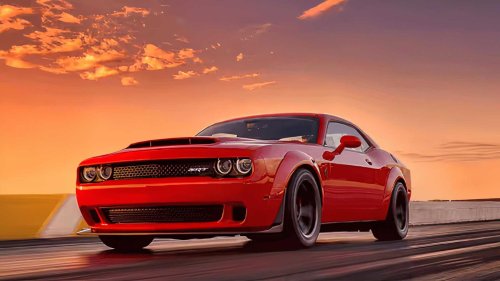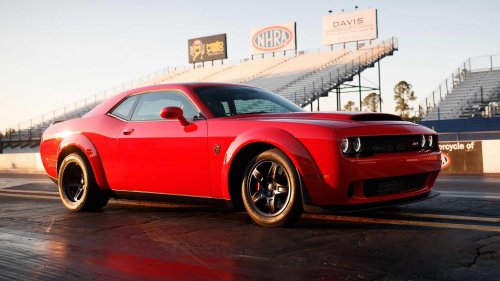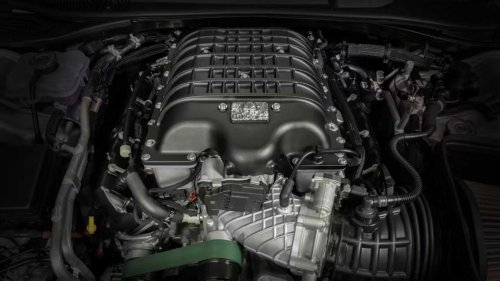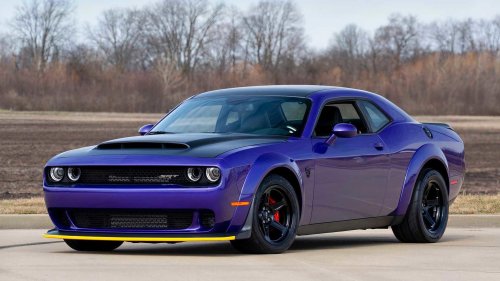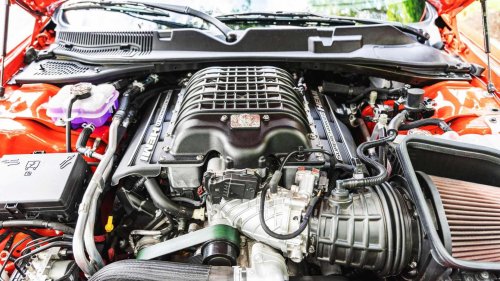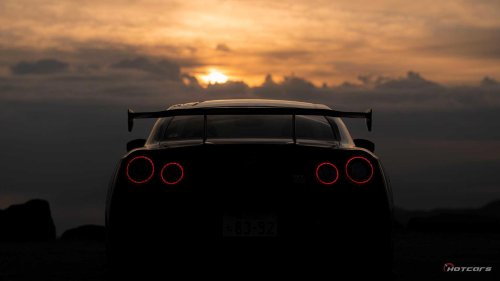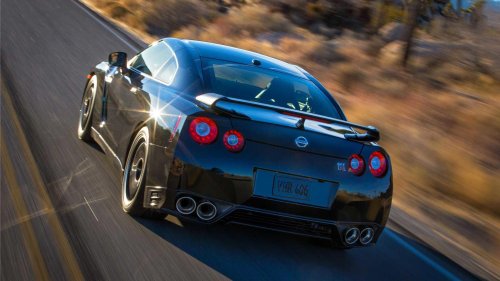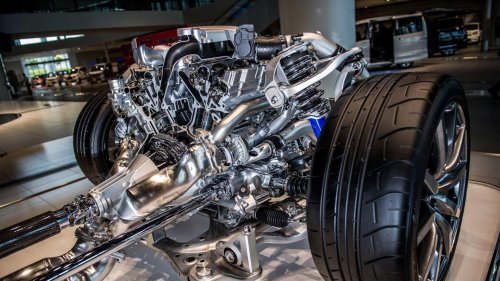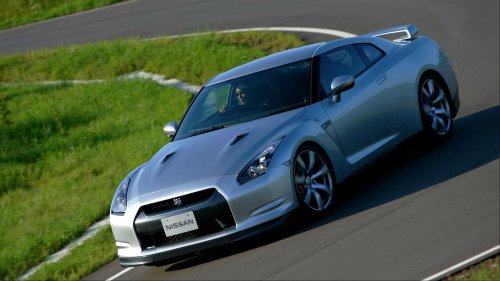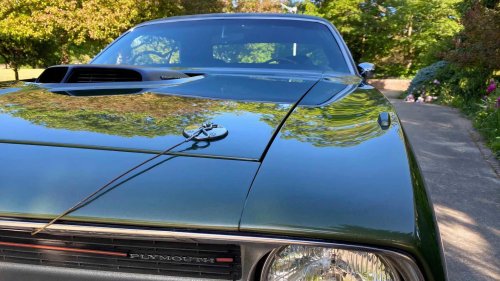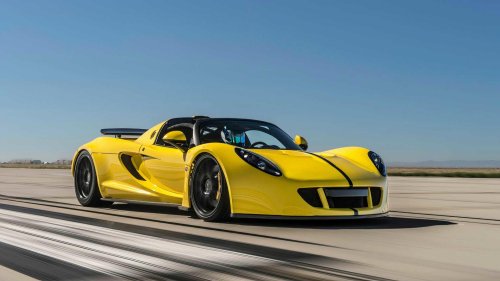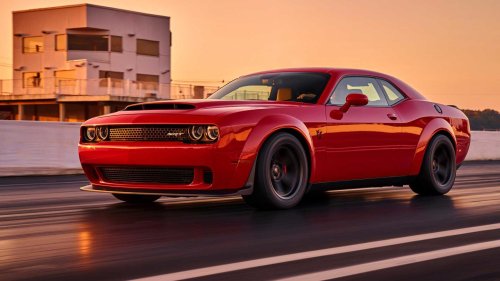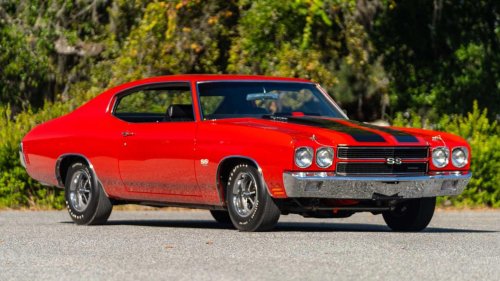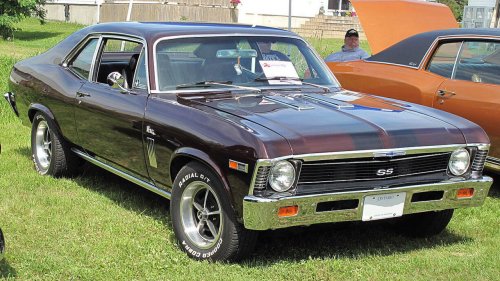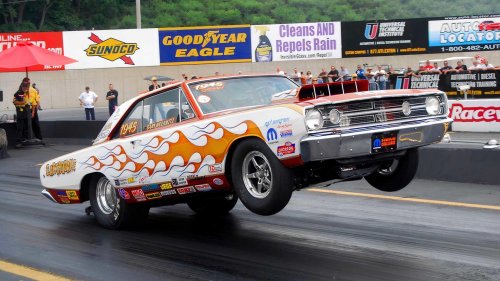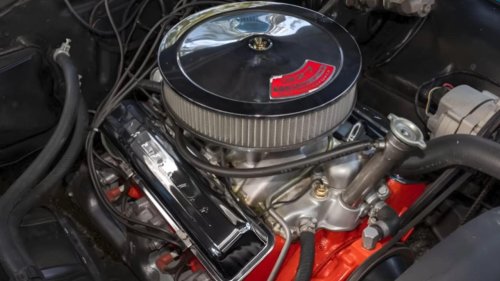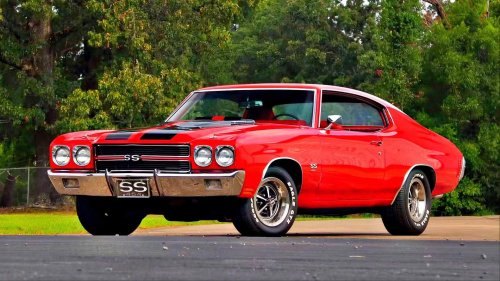
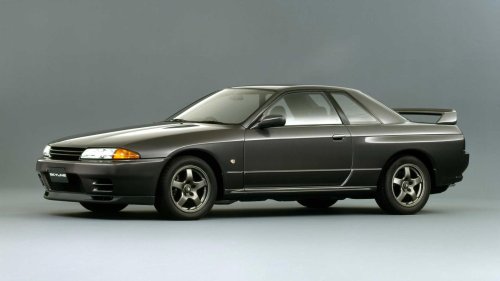
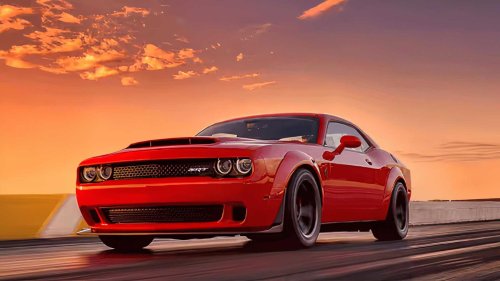
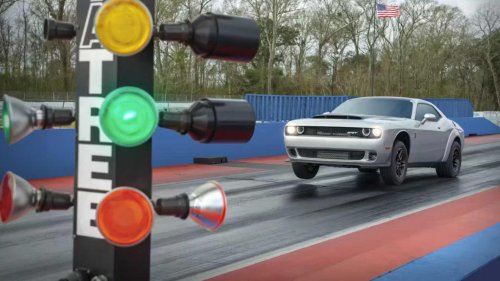
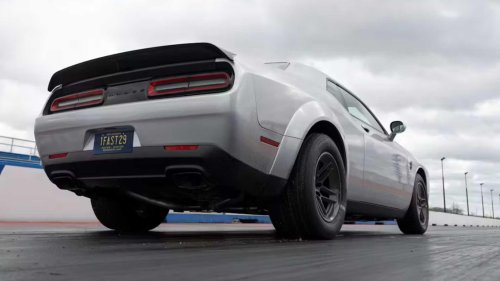
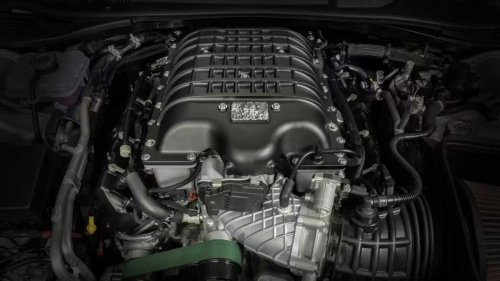
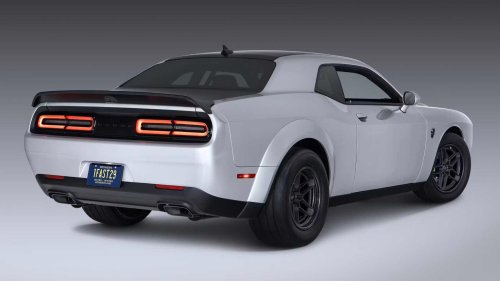
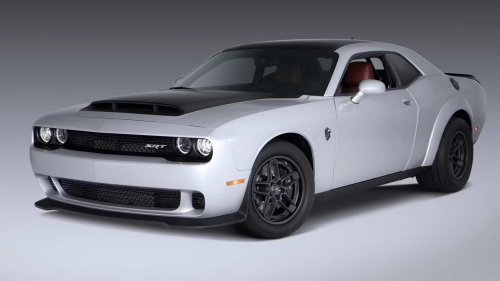
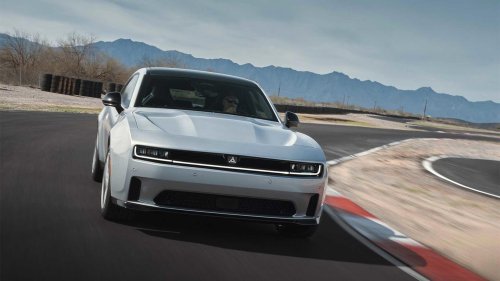


















The quarter-mile sprint is the ultimate automotive equalizer. It is a raw, 1,320-ft sprint where there are no excuses and the timing tower is the only thing that separates the fast, from the fastest. For decades in the US, the standing quarter-mile has served as the definitive yardstick for mechanical greatness.What was once considered a fast street car has evolved dramatically, shifting from the smoky, double-digit runs of the sixties to the lightning-quick hypercar territory of today. This evolution was driven by a handful of legendary machines that refused to follow the herd. We explore the icons that won races, particularly one automobile that forced the world to rewrite the rules of what a street-legal machine could achieve on a prepped surface. The Pioneers Of The Drag Strip: Chevelle, Skyline, And The 2018 Demon Mecum The journey toward quarter-mile dominance began in 1970 with the Chevrolet Chevelle SS 454 LS6. Widely regarded as the original king of the muscle car era, its 450-horsepower V8 represented the absolute high-water mark of 20th-century American performance. In an age of primitive bias-ply tires and heavy steel bodies, the LS6 was a revelation. It was the first time a factory-warrantied machine could flirt with the 13-second bracket right off the showroom floor, setting a terrifying benchmark that defined a generation of street racing. The Chevelle SS 454 proved that raw, unadulterated displacement was the most effective way to conquer the drag strip.Nissan Decades later, the narrative shifted to technical precision with the Nissan Skyline GT-R R32. Nicknamed Godzilla, this Japanese icon became a massive disruptor without stepping foot in the US. By pairing the legendary RB26DETT twin-turbo engine with the ridiculously accurate ATTESA E-TS all-wheel-drive system, Nissan proved that computers could out-launch American V8s with fewer ponies under the hood. The GT-R R32 could run the standing quarter in 13 seconds, with just 275 hp. It redefined the concept of traction, showing the world that smaller, turbocharged engines could deliver more consistent results through high-tech grip. It effectively set the stage for modern tuner dominance and changed the quarter-mile conversation forever.Dodge By 2018, the Dodge Challenger SRT Demon arrived to reclaim the throne as a specialized weapon. It was the first production car capable of a front-wheel lift and the first to offer a dedicated Drag Crate containing narrow front tires and other drag-strip specific equipment. By utilizing professional racing technology like a TransBrake and Torque Reserve, it aggressively launched and sprinted the 1,320 ft distance in an unbelievable 9.65-seconds. This was a pivotal moment in automotive history, as it brought purpose-built drag racing hardware to the local dealership, proving that a street-legal car could perform like a professional bracket racer without losing its road-going status. The Nuclear Option: The 8.9 Second 2023 Demon 170 Stellantis Just when it seemed like internal combustion had reached its physical limits, Dodge released the Demon 170. As the final "last call" for the HEMI V8, this machine did more than just break records; it shattered the 1,000-horsepower barrier for a production muscle car. Delivering a staggering 1,025 horsepower, the 170 represents the ultimate evolution of the gasoline engine. It stands alone as history’s first eight-second factory muscle car, having earned an official NHRA-certified quarter-mile time of just 8.91 seconds. This achievement signaled a new era where factory-warrantied vehicles could compete with elite, custom-built race cars.Apart from being able to pop a wheelie, the accolades associated with the Demon 170 are truly physics-defying. It features a 0–60 mph sprint of just 1.66 seconds, making it the quickest production car ever built. Even more impressive is the 2.004 g of longitudinal acceleration it generates at launch, which is the highest of any production vehicle on the planet. This level of force is typically reserved for fighter pilots or professional dragsters, yet it is available in a car that can be driven to the grocery store. It is a testament to how far engineering has come in the pursuit of straight-line speed. Too Quick For The Drag Strip Stellantis However, this unprecedented speed came with a unique badge of honor: a formal ban from the drag strip. The NHRA issued a violation letter because the car is capable of running sub-nine-second passes at over 150 mph without a roll cage or a parachute. According to standard safety regulations, any vehicle moving that fast requires significant safety modifications that the stock 170 does not include. This means that while the car is perfectly legal to drive on public streets, it is technically prohibited from sanctioned competition in its showroom form. It is the ultimate paradox of performance, a car too fast for the very tracks it was designed to conquer.To comply with the NHRA violation letter, you will need to build a custom roll cage, as manufacturers are legally restricted from installing them in factory-production vehicles in the United States. Fortunately, the Mopar Direct Connection performance parts catalog offers a factory-backed solution for the required parachute. Engineering The Impossible: Specs and Potential StellantisAt the heart of the Demon 170 lies a heavily modified 6.2-liter HEMI V8, but the real star of the show is the massive 3.0-liter supercharger. This unit pumps out a staggering 21.3 psi of boost, a figure that would destroy a standard engine. The 170 designation refers to the alcohol content of E85 ethanol, which is essentially 170-proof fuel. Smart flex-fuel technology allows the Demon 170 to monitor the ethanol percentage in real time, automatically adjusting the engine timing to unlock the full 1,025 horsepower. This means the car can transition from standard pump gas to high-performance racing fuel without the driver ever needing to manually swap a computer chip or use a special tuning tool.Translating over a thousand horsepower into forward motion required a complete overhaul of the driveline. Dodge equipped the car with bespoke Mickey Thompson ET Street R drag radials, marking the first time such an aggressive tire has been offered on a production vehicle. To prevent the car from snapping under the pressure of 945 lb-ft of torque, the rear axle was made 53% stronger than the one found in the original 2018 Demon. Every component, from the driveshaft to the differential housing, was beefed up to survive the violent launch.Stellantis Beyond the raw power, the Demon 170 embraces extreme weight reduction. Enthusiasts can opt for a passenger seat delete, and the car offers specialized two-piece carbon fiber wheels to reduce unsprung weight. These measures shed approximately 157 pounds, allowing the car to maximize its power-to-weight ratio. The tuning potential is nearly exhausted from the factory, as Dodge engineers have already pushed the hardware to its absolute limits. The Demon 170 is a masterpiece of mechanical engineering that leaves almost nothing on the table for the aftermarket to improve. The End Of An Era Or A New Beginning? Stellantis The Demon 170 serves as the ultimate mic drop for the gasoline era. It is a loud, unapologetic celebration of internal combustion, arriving at a time when the automotive industry is rapidly pivoting toward electrification. By looking back at the progression from the 1970 Chevelle to the R32 Skyline and finally to the modern Demon, we see a clear timeline of the human desire to push mechanical boundaries. These cars represent more than just speed; they are milestones of engineering courage that challenged what was once considered physically possible for a street-legal automobile. They prove that the quarter-mile will always be the yardstick by which we measure our progress.As we move forward, the legacy of these legends remains secure. The Chevelle brought power to the people, the Skyline brought digital precision to the asphalt, and the Demon 170 brought the professional drag strip to the local driveway. Each one redefined performance by refusing to accept the limits of their respective eras. These vehicles have ensured that the history of the pure internal combustion engine ends on a high note. Have We Reached Peak ICE? Dodge Ultimately, the Demon 170 forces us to ask a difficult question: Have we finally reached Peak ICE? With the physics of traction and gasoline combustion stretched to their breaking point, it seems unlikely that a more powerful piston-driven street car will ever be mass-produced. The next redefinition of quarter-mile performance may very well happen in total silence. As electric vehicles begin to challenge these legendary times with instant torque and digital precision, we must decide if the thrill remains the same without the roar of a V8. Whether the future is powered by EVs or ethanol-blended gasoline, the quest for the perfect standing quarter mile sprint is far from over.Sources: Stellantis, NHRA