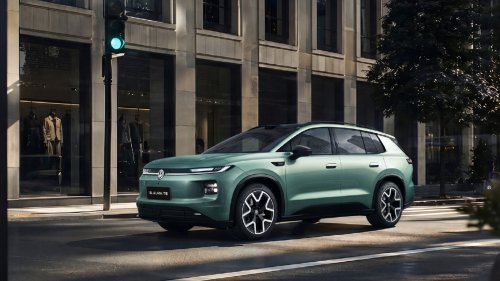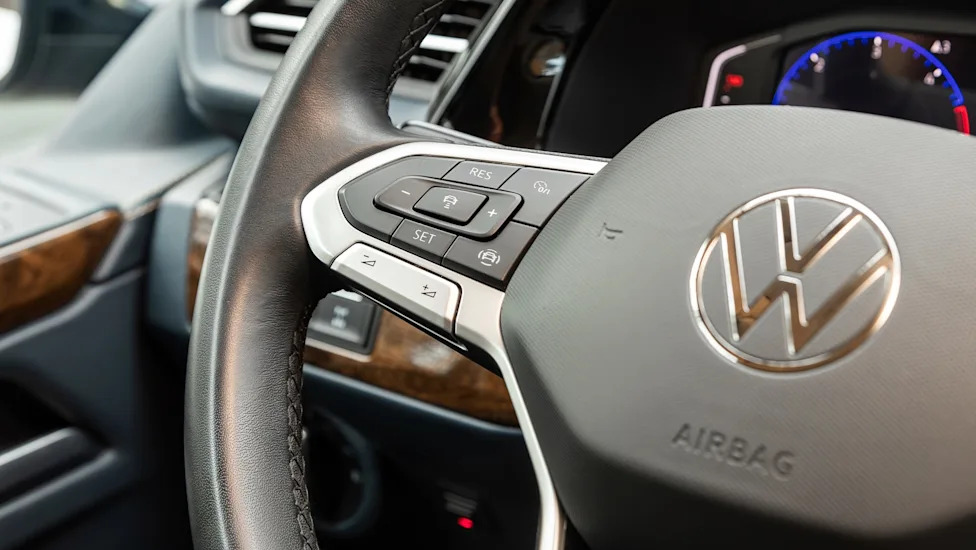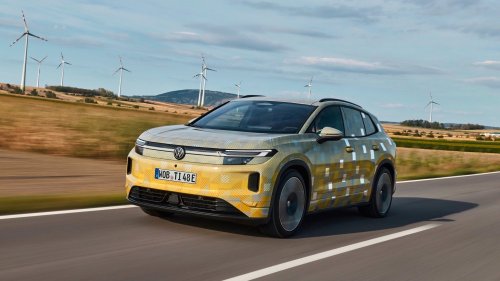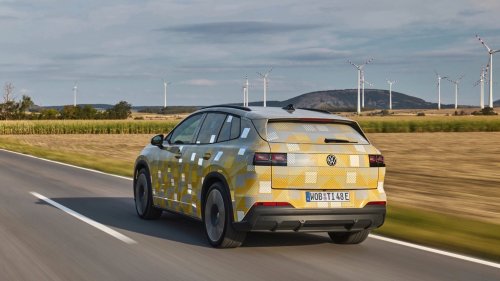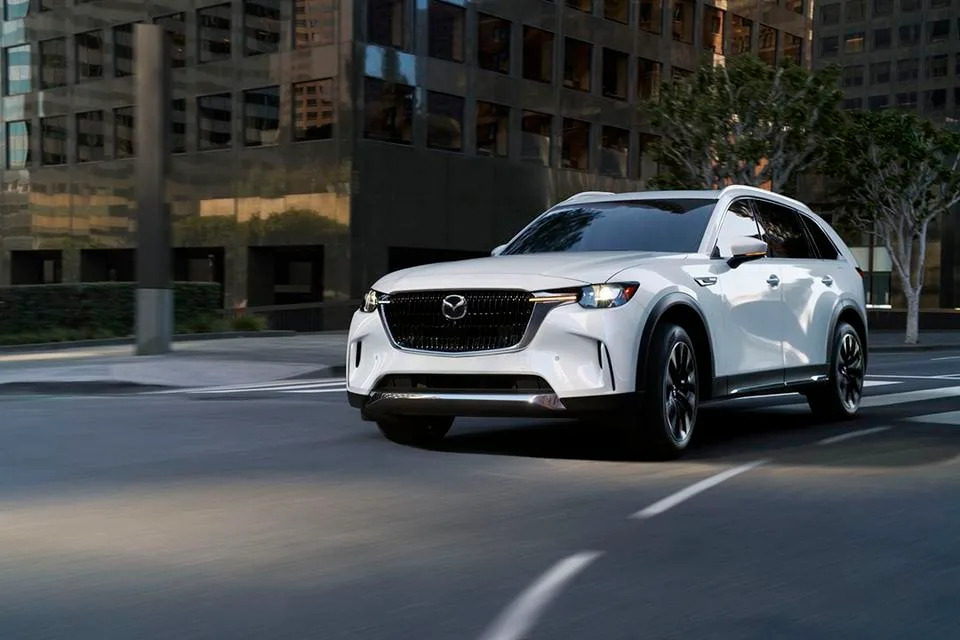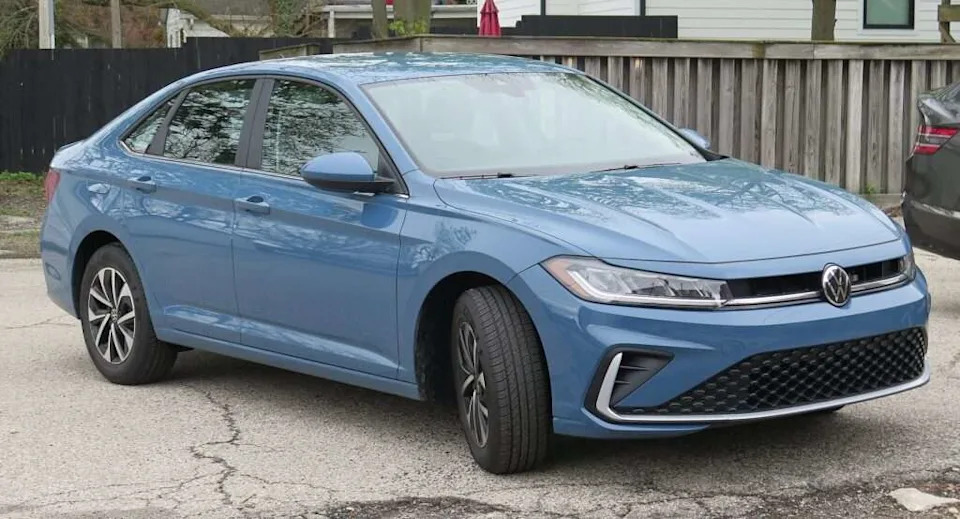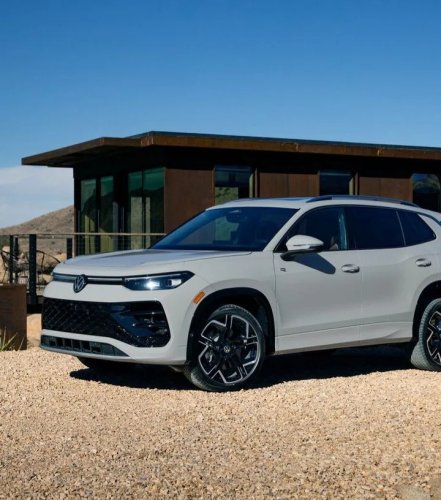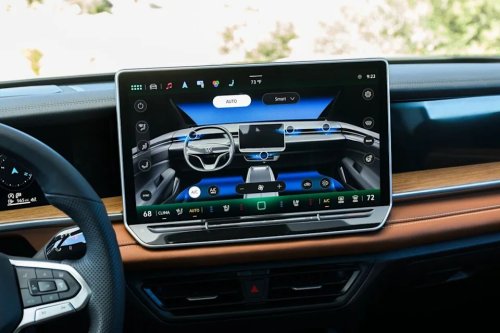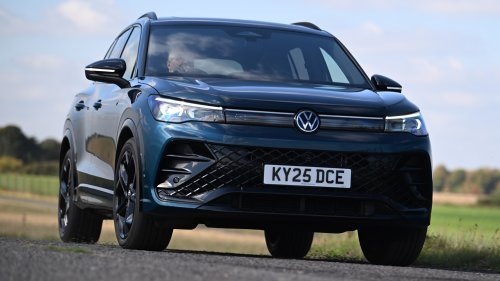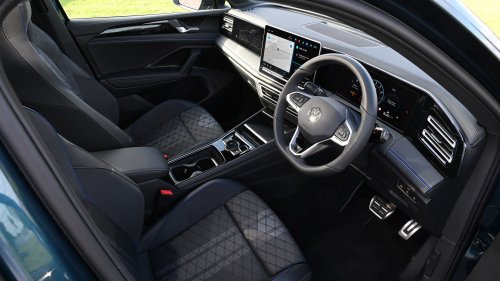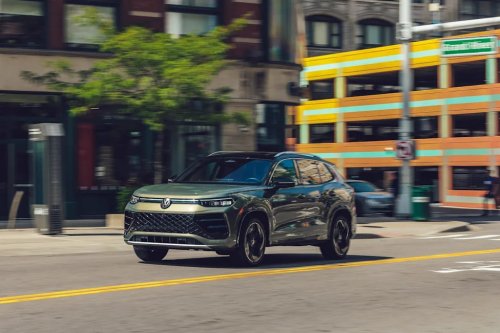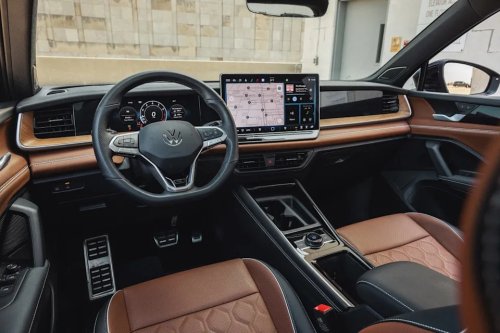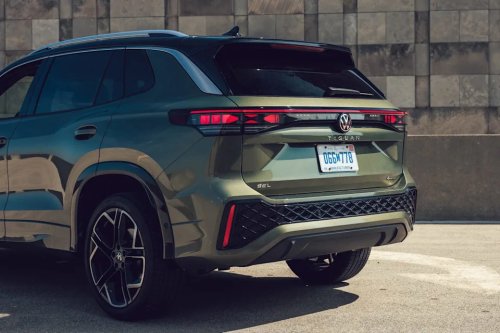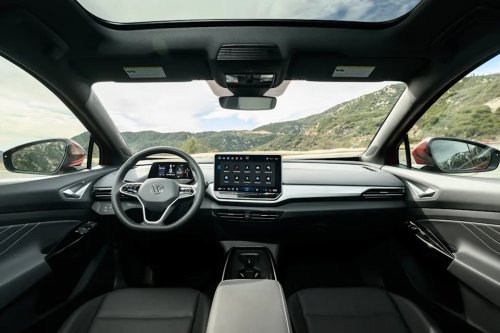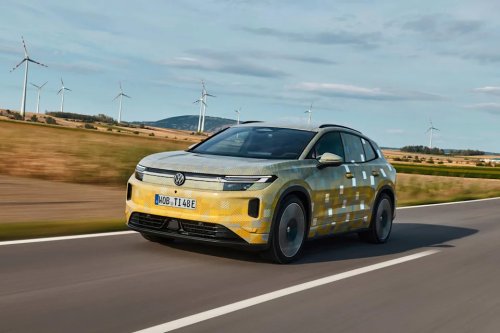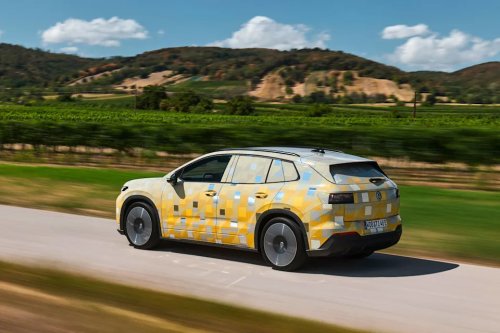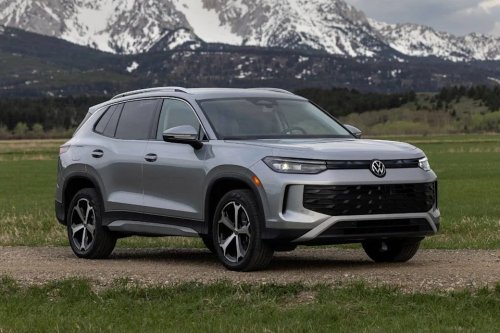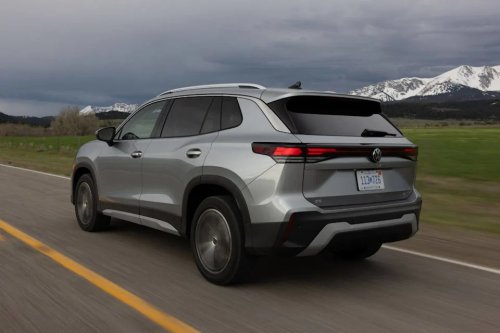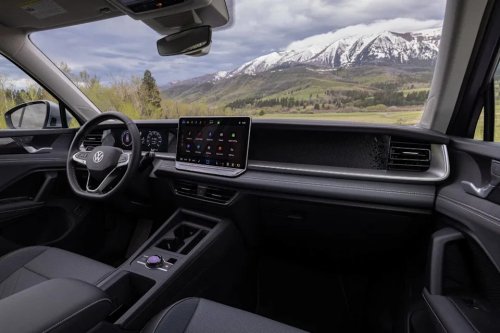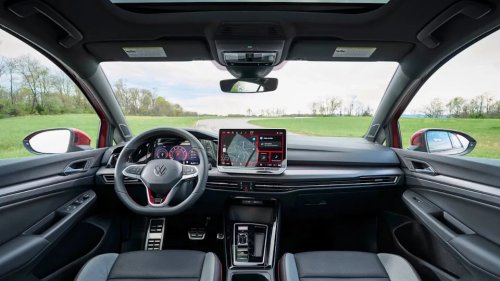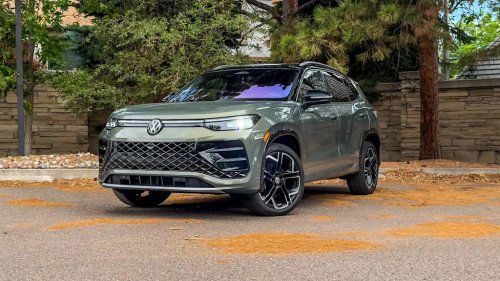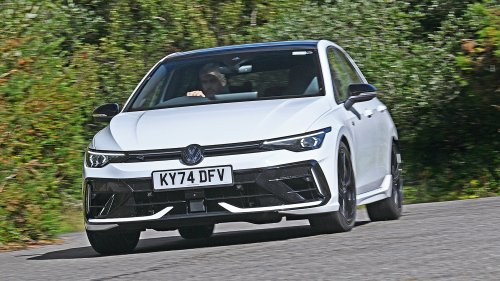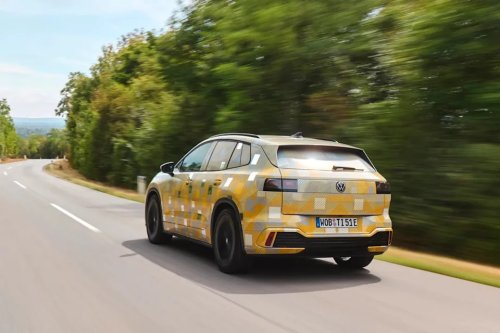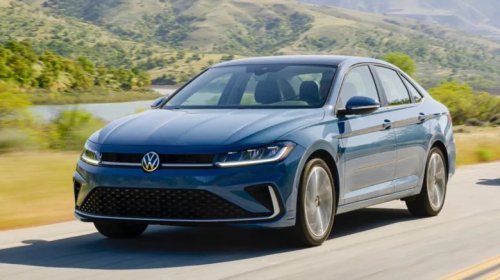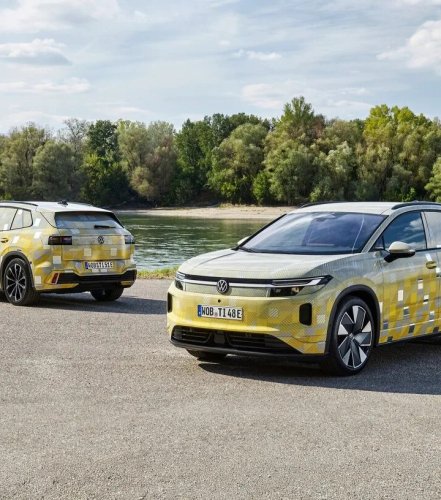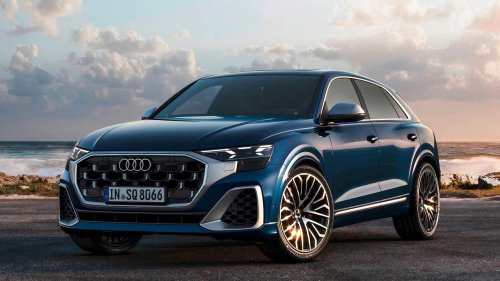
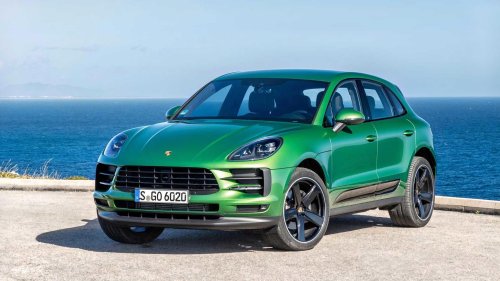
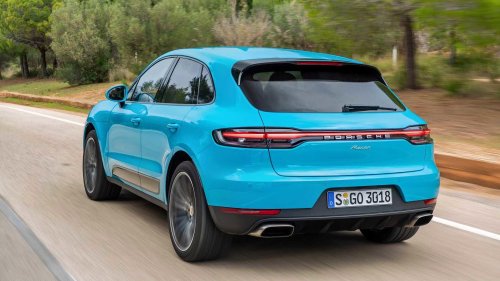
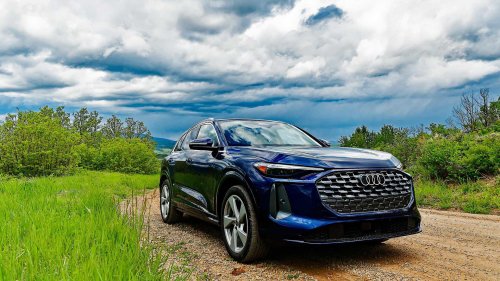
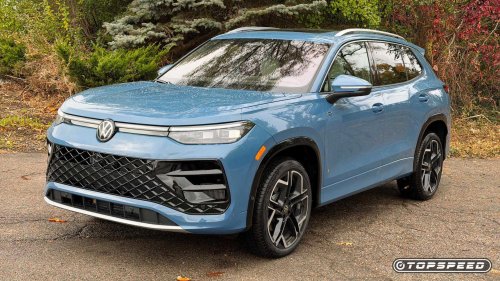
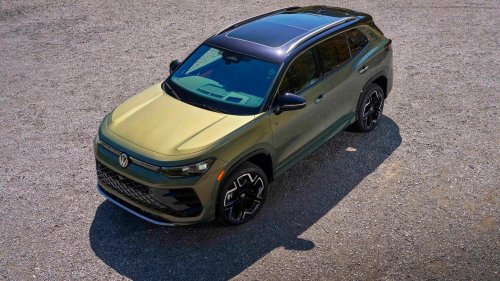
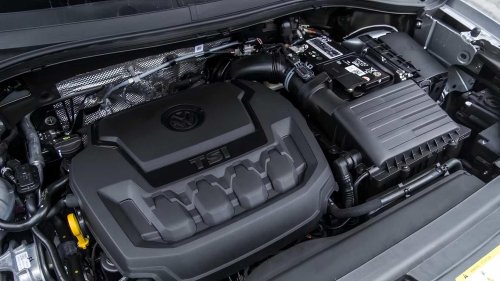
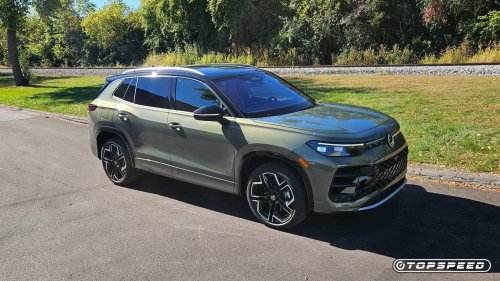
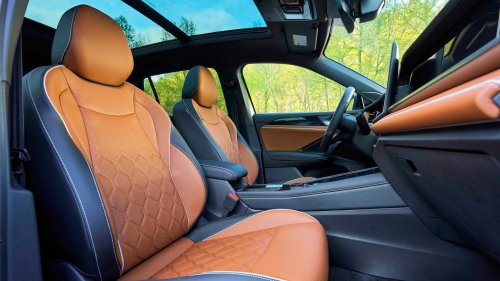
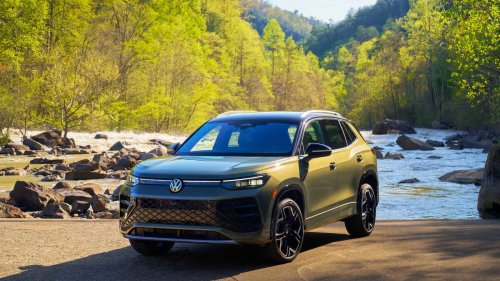
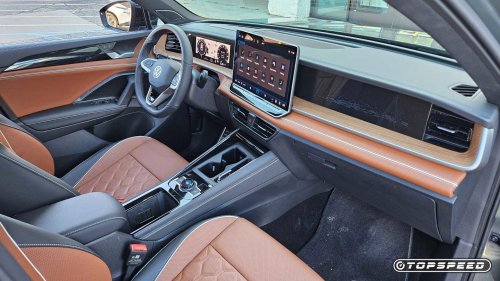
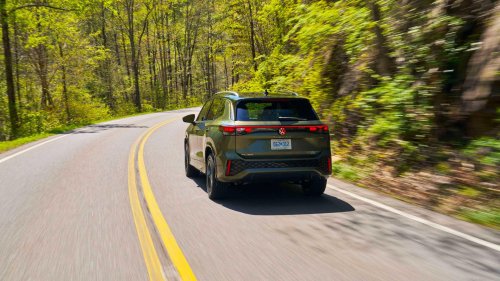



















German SUVs are known for a lot of things, but reliability is not the first thing that comes to mind. European luxury vehicles are often a double-edged sword, for better or for worse. They represent the benchmark for performance engineering, but the complexity that enables this capability often contributes to their undoing.Specific brands have dominated this segment—BMW, Mercedes, Porsche, and Audi. If there is one thing all these brands share in common, it's that the more powerful and sophisticated the vehicle, the higher the ownership cost. Yet, if you dig deep enough, there is one German SUV that defies the standard narrative, and it's a model that most shoppers tend to neglect. Building A Reliable German SUV Is Hard AudiThere is a big gap between good engineering and long-term dependability. All things that make German SUVs so good and enjoyable to drive are the same things that make them expensive to fix and maintain. The Cost Of Complexity AudiIf we look at a recent Consumer Reports' long-term cost study, the facts are clear-cut: Audi, BMW, Mercedes, Porsche, Land Rover, and Volvo have the highest ownership costs among all car brands. The longer you own one of these vehicles, the more expensive it becomes to maintain. This isn't a coincidence—it's the cost of achieving the high standard expected by luxury SUV shoppers.AudiGerman turbocharged engines are among the best-performing engines on the market, but they require premium fuel and strict service intervals. Dual-clutch transmissions are popular among German SUVs, but require more service and attention than traditional automatic transmissions. Then add to the sheer number of sensors and electronics that litter modern cars, and you have the makings of an auto technician's nightmare. According to RepairPal, the average annual repair cost across all vehicles sits at $657, while German luxury SUVs cost closer to $900 to $1,265 per year for unscheduled repairs alone. The Reliability Gap PorscheYou might wonder why depreciation hits German SUVs particularly hard. The fact is that the reliability gap between German brands and the broader market widens with age. If we take a look at J.D. Power's vehicle dependability study, which surveys owners of three-year-old vehicles, German brands consistently perform below the industry average. Initial quality scores are strong, but long-term metrics don't inspire confidence. Porsche is a notable exception, finishing second among all luxury brands in J.D. Power's 2024 dependability study. Yet, in stark contrast, the German brand sat in 27th place on Consumer Reports' maintenance cost rankings. The pattern is obvious: most German vehicles are meant to be leased, not purchased. Where The Obvious Candidates Fall Short PorscheThe majority of German SUV shoppers choose either a BMW or Mercedes option, yet there are two vehicles that often come up as top picks outside these brands: the Porsche Macan and Audi Q5. On paper, both look like legitimate competitors. In reality, they both fail to meet our expected standard. The Porsche Macan Is A Trap CarBuzzThe Porsche Macan is often cited for offering strong reliability outside the BMW or Mercedes sphere. In J.D. Power's 2024 Vehicle Dependability Study, it earned an award for the Most Dependable Compact Premium SUV. Consumer Reports called the Macan the model with the highest predictable reliability in Porsche's entire vehicle lineup. These accolades are both valid, but they do not tell the full story.Porsche Kelley Blue Book states that the five-year ownership cost of a 2024 Macan is $57,884. Compare that to the $42,181 cost for an Audi Q5, and that is about a $15,700 difference in only five years. RepairPal gives the Macan an annual maintenance cost of $1,265, and CarEdge estimates it costs $6,717 more than the average luxury SUV to maintain over its first decade. The Macan is reliable—for a Porsche. Some German SUVs may not break every week, but they are, by no means, cheap to own. The Audi Q5 Is Close, But Still Lacking TopSpeed | Michael FrankThe Audi Q5 is the German brand's best-selling SUV and one of the segment's most recognizable vehicles. Despite its popularity, it is difficult to recommend when considering its reliability. Consumer Reports gave the Q5 a below-average score of 42 out of 100for reliability. RepairPal ranks it 11th out of 14 luxury midsize SUVs and gives it a reliability rating of 3.0 out of 5.0. Yet, the toughest sell is its shop visit frequency. Q5 owners average 1.2 unscheduled repair visits per year, which is nearly three times the industry average of 0.4. This excludes scheduled annual maintenance costs, which are about $928. The Q5 is a great SUV in many respects, but if you are looking for reliability, it cannot be the right choice. Why Volkswagen Deserves Another Look Nicole Wakelin / TopSpeedWhen shopping for German luxury SUVs, Volkswagen rarely comes into consideration. Yet, if you want a German SUV with low ownership costs, Volkswagen consistently ranks as the best option. Let's break down what the data actually shows. Here Is The Real-World Data Volkswagen In a recent iSeeCars study that evaluated over 330 million vehicles in terms of reliability, safety, and residual value, the Volkswagen Tiguan ranked as the best German compact SUV with a quality score of 7.4. If we look at CarEdge, they state the ten-year maintenance costs for the Tiguan to be $8,197—a figure lower than the average luxury SUV.VolkswagenCompared to the Porsche Macan, there is no comparison. $1,000+ annual repair bills are par for the course for German SUVs, so the Tiguan's relatively affordable cost profile is an outlier. The current third-generation model was introduced in 2024 and is powered by Volkswagen's iconic 2.0-liter EA888 turbocharged inline-four mated with a conventional eight-speed automatic transmission. The DCT found in the Audi Q5 may be quicker, but this powertrain combination is the one that keeps costs to a minimum. The Tiguan Is Built For The Long-Term Tom Murphy | TopSpeedVolkswagen For comparison, the first model year of the current generation 2023 Mercedes GLC-Class SUV received 11 recalls and 60 complaints. The RepairPal score of the Tiguan is a 3.0 out of 5.0, which is modest but consistent. The Tiguan also benefits from widespread parts availability, and independent shops often have no issues working on Volkswagen. Take your Macan or Q5 to an independent shop that doesn't specialize in Porsche or Audi, and you might just get turned away because of a lack of familiarity. Volkswagen makes more accessible vehicles, and that value compounds with every passing year of ownership. The Balancing Act Of German SUVs Volkswagen Reliability tends to have a different meaning in the German SUV market. It's less about which brand builds the best vehicle and more about which brand can build a vehicle that can survive long-term ownership without creating financial devastation in the process. The Tiguan's Real Competition Tom Murphy | TopSpeed Once we consider the Tiguan's competition outside the German SUV sphere, its value proposition only strengthens. The 2026 Volkswagen Tiguan starts at $30,805 for the base model, which is well below the $50,000 price of the average new vehicle in America. This price point makes the Tiguan the most accessible German SUV on the market by a significant margin, with an annual maintenance cost of $518.That is less than half of what Q5 owners pay and a fraction of the Macan's cost. Despite its relatively low price, the Tiguan is still packed with strong standard features, including a 12.9-inch touchscreen and a 10.25-inch digital cockpit instrument cluster. Other impressive features include front and rear parking distance control sensors, an adaptive front lighting system, and a full safety suite including adaptive cruise control. Most German SUVs charge you an arm and a leg for premium features, but the Tiguan offers a great selection even in its base trim. The Tiguan Is The German SUV Worth Keeping Volkswagen We know that the Porsche or Audi badge may carry a certain level of prestige that many luxury shoppers desire. Yet, experiencing German engineering without high German ownership costs is something few vehicles currently offer. The Volkswagen Tiguan hits this mark more consistently than any other alternative on the market. No matter where the data comes from, it all corroborates the same story.Nicole Wakelin / Top SpeedThe Tiguan may not be the flashiest, the best-handling, or the fastest German SUV, but it is one of the most reliable. If you want German SUV pedigree but loathe the idea of four-figure annual maintenance bills, the Tiguan might be the perfect fit. It is the most reliable German SUV that isn't a BMW or Mercedes, and its relative simplicity will pay dividends as it ages.Sources: Volkswagen, NHTSA, CR, iSeeCars, RepairPal, CarEdge, J.D. Power