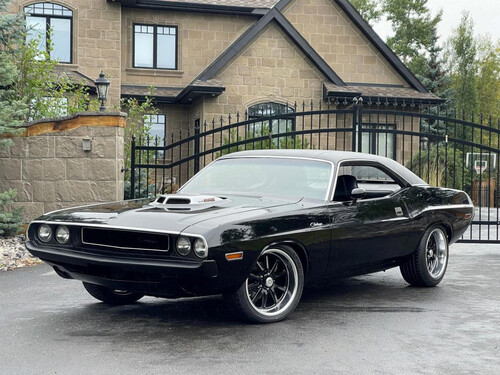
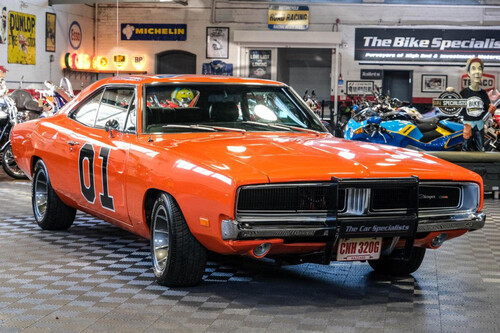
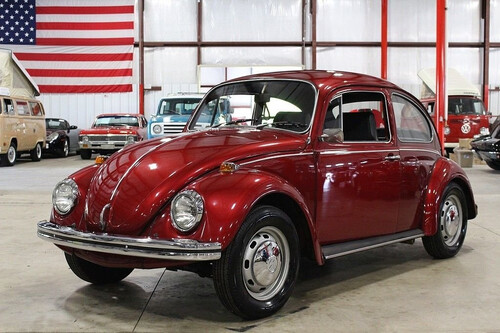
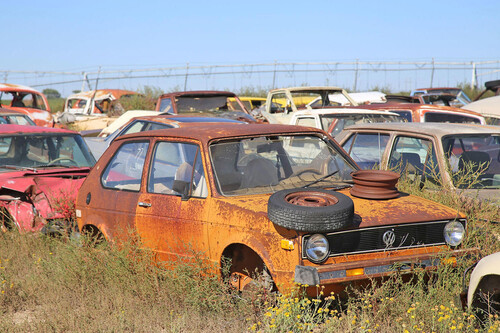
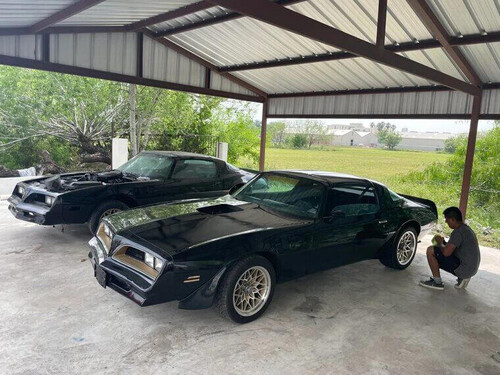
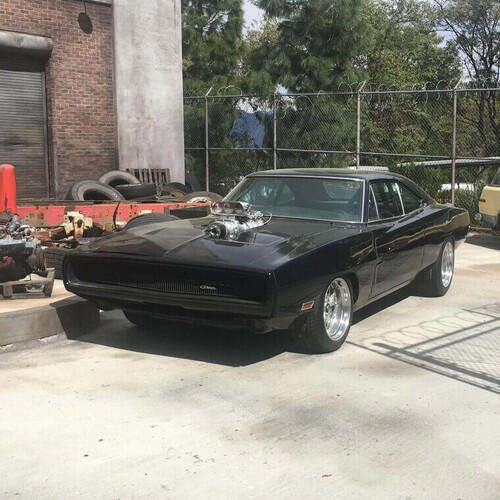
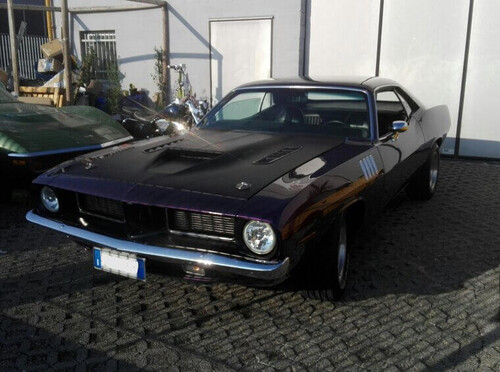
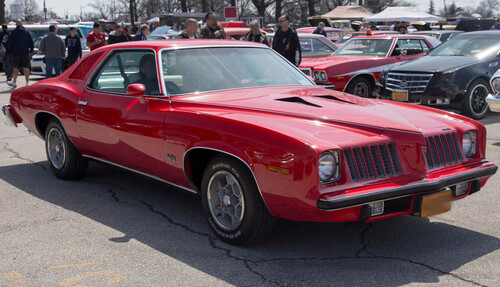
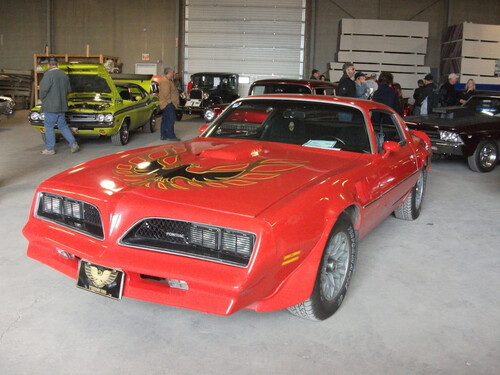
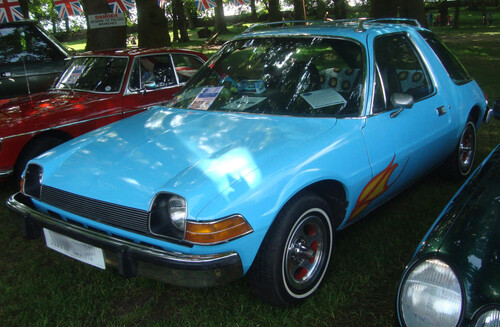
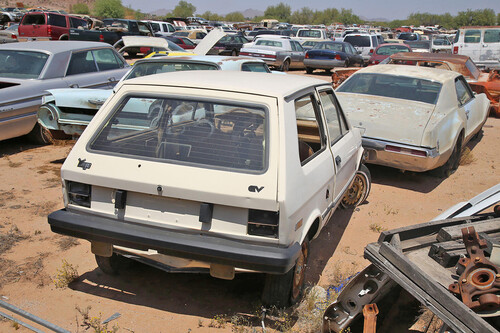
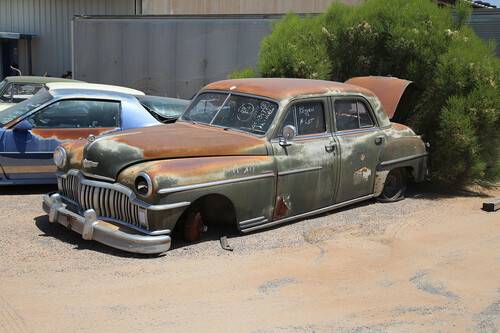
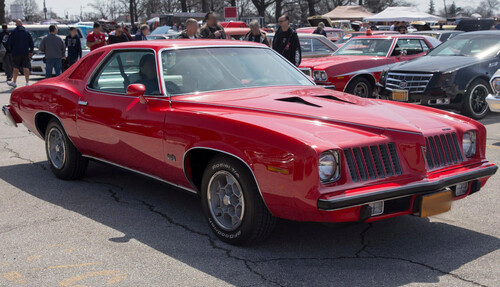
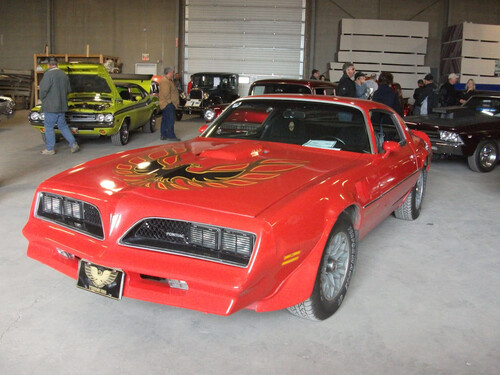
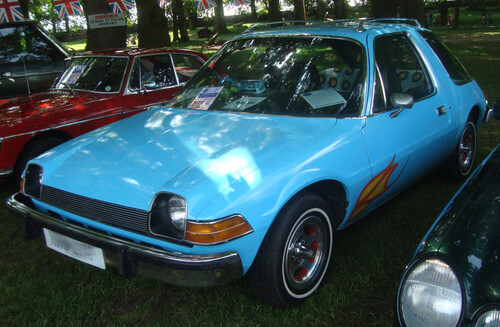
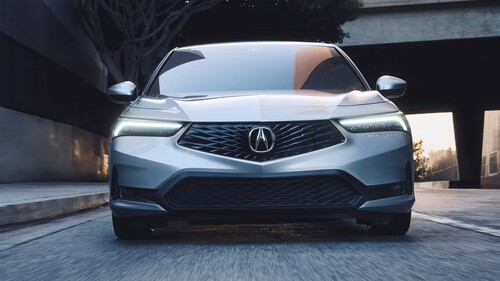
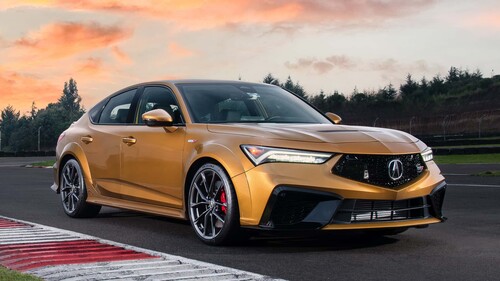
Muscle Cars That Ruled the SouthHorsepower was a religion below the Mason-Dixon Line. From the backroads of Alabama to the drag strips outside Atlanta, muscle cars weren't just transportation — they were identity. The Dodge Charger, Plymouth Road Runner, and Pontiac GTO roared through Southern summers with a ferocity that matched the heat rising off the asphalt. Saturday nights meant cruise strips, tire smoke, and the unmistakable rumble of a big-block V8 echoing off storefronts. Southern drivers didn't just buy these cars — they built relationships with them, customizing engines in driveways and passing mechanical knowledge down like family recipes. No other region wore its automotive obsession quite so loudly on its sleeve.The Pickup Trucks of Rural TexasA truck wasn't optional in rural Texas — it was a prerequisite for existing. Ford F-Series and Chevy C/K trucks dominated ranch roads, oil field sites, and feed store parking lots from Amarillo to Laredo. These weren't weekend toys. They hauled hay, pulled trailers loaded with cattle, and sat baking in 100-degree sun without complaint. Texans developed fierce brand loyalties that could fracture friendships. Ford families and Chevy families didn't always mix. Bed-mounted gun racks, mud flaps, and CB radios were standard accessories long before any dealership thought to offer them. A well-worn pickup with cracked leather and a reliable engine was worth more respect than anything fresh off the lot.California's Love for the VW BugSunshine, open highways, and a counterculture spirit made California the perfect home for the Volkswagen Beetle. It arrived as a symbol of rebellion against Detroit's chrome-heavy excess, and coastal Californians embraced it completely. Surfers strapped boards to the roof. Artists painted them in wild colors. Students packed them with protest signs. The Bug was cheap to run, easy to fix, and had a personality that felt almost human. VW mechanics in Venice Beach and San Francisco became neighborhood institutions. By the late '70s, the Beetle had evolved into something beyond a car — it was a cultural statement about simplicity and individuality that resonated deeply with the West Coast mindset. No other import came close to matching its grip on the California imagination.New England's Obsession with the VolvoPracticality and survival instinct drove New England's automotive choices, and nothing answered both calls like the Volvo. Swedish engineering met Yankee pragmatism somewhere on a snowy Connecticut highway, and the relationship stuck. The 240 series became ubiquitous in Boston suburbs, Vermont college towns, and coastal Maine communities throughout the late '70s and '80s. Volvo's safety reputation mattered enormously to a region that understood what black ice could do. But there was also a quiet status element — owning a Volvo signaled education, restraint, and a preference for substance over flash. It wasn't showy. It started reliably in February. It lasted 200,000 miles without drama. For New Englanders, that combination of dependability and understated sophistication was the automotive equivalent of a firm handshake.The Trans Am That Conquered DixieSmokey and the Bandit didn't create the Trans Am's Southern legend — it just confirmed what Dixie already knew. The 1977 Pontiac Firebird Trans Am, particularly in black with the screaming chicken hood decal, became the defining automotive image of the region for nearly a decade. From Mississippi Delta towns to the Florida Panhandle, this car represented freedom with an edge. Burt Reynolds made it cinematic, but local legends made it real. Every county seemed to have its own version of the Bandit — someone who drove too fast, laughed too loud, and somehow always got away with it. The T-top configuration let that Southern heat in while the 6.6-liter engine pushed everything else out of the way. It was drama on wheels, and the South consumed every bit of it.Jeeps That Defined the Mountain WestAltitude changes everything. In Colorado, Wyoming, Utah, and Idaho, a car wasn't judged by its paint job — it was judged by whether it could get you home through a February blizzard on an unpaved mountain road. The Jeep CJ-5 and CJ-7 answered that test with four-wheel-drive confidence that became almost mythological in the Mountain West. Skiers, hunters, park rangers, and ranchers all converged on the same vehicle. Jeep ownership carried a specific cultural weight — it meant you actually went places, not just drove to them. Lift kits, oversized tires, and winches weren't aftermarket luxuries; they were practical upgrades. The Mountain West didn't romanticize the Jeep so much as simply rely on it, which ultimately created a bond more durable than any regional car crush built purely on aesthetics.The El Camino's Reign in the SouthwestHalf car, half truck, completely Southwest. The Chevrolet El Camino occupied a peculiar and beloved space in the automotive culture of New Mexico, Arizona, and southern California's desert communities. It could haul building materials to a job site Monday morning and cruise lowrider-style down Central Avenue in Albuquerque on Friday night — no other vehicle offered that range. The lowrider culture that flourished in Chicano communities across the Southwest adopted the El Camino enthusiastically, transforming it into rolling art with hydraulics, custom paint, and chrome details that took months to complete. At the same time, ranchers and contractors valued its practical bed space. This dual identity — workhorse and showpiece simultaneously — made the El Camino uniquely suited to a region that never saw those two things as contradictions.Cadillacs That Owned the Streets of DetroitDetroit built Cadillacs. Detroit also understood them better than anywhere else on earth. In the Motor City, owning a Cadillac wasn't aspirational — it was a natural progression, a reward for years spent contributing to the industry that made the city run. The DeVille and Fleetwood commanded neighborhood streets with an authority that felt almost municipal. Black Cadillacs lined up outside churches on Sunday mornings. Pimped-out Eldorados with wire wheels became symbols of a different kind of success story. Motown artists drove them. Autoworkers saved for them. The car meant something specific in Detroit that it couldn't mean anywhere else — it was the product of your own hands, your own city, your own people. Driving a Cadillac through Detroit in 1978 was a statement about belonging to something larger than yourself.The Honda Civic's Rise on the West CoastNobody saw it coming. In 1973, the Honda Civic arrived as an unassuming economy car, and the West Coast — battered by gas shortages and tired of paying premium prices at the pump — responded with immediate enthusiasm. Seattle, Portland, San Francisco, and Los Angeles embraced the Civic's fuel efficiency with a pragmatism that quickly evolved into genuine affection. By the early '80s, the Civic had shed its purely utilitarian reputation. It was reliable in ways that felt almost personal — it never let you down. Young professionals, students, and environmentally conscious buyers found in it a car that aligned with Pacific Coast values around efficiency and anti-excess. The Civic didn't just sell well on the West Coast; it reshaped what West Coast drivers expected from a car, permanently raising the bar for reliability and value.Broncos Built for the Pacific NorthwestRain doesn't stop Pacific Northwesterners — it just filters out the uncommitted. The Ford Bronco found its spiritual home in Washington and Oregon, where logging roads, volcanic terrain, and perpetually wet conditions demanded a vehicle that treated obstacles as invitations rather than warnings. The first and second-generation Broncos became fixtures in small mountain communities and coastal timber towns alike. There was nothing glamorous about how these trucks were used. They got muddy. They got scratched. They worked. Hunters drove them into the Cascades before dawn. Fishermen loaded them with gear for remote river access. The Pacific Northwest's relationship with the Bronco was built entirely on function, which paradoxically made the emotional attachment run surprisingly deep. A vehicle that never fails you in genuinely difficult circumstances earns a loyalty that no amount of advertising could manufacture.The Lincoln Continental in the Deep SouthElegance has always meant something particular in the Deep South, where hospitality, presentation, and a certain theatrical sense of self intersect at every social occasion. The Lincoln Continental — especially the long, formal sedans of the late '70s — fit perfectly into that cultural landscape. It was the car you drove to a funeral and to a wedding, and it was expected to look appropriate at both. In cities like New Orleans, Birmingham, and Savannah, the Continental represented old money moving quietly through town. Suicide doors, opera windows, and plush velour interiors communicated a refinement that Cadillac sometimes felt too flashy to achieve. Church deacons drove them. Funeral home directors drove them. Successful businessmen drove them as a signal that they had arrived somewhere worth noticing, without feeling the need to announce it too loudly.Corvettes That Turned Heads in FloridaFlorida in the 1970s and '80s was theater, and the Corvette was its leading actor. Biscayne Boulevard in Miami, A1A along the Gold Coast, the Tamiami Trail cutting through Naples — these roads were made for a sports car that looked like it was moving even when parked. Retirees with disposable income, real estate developers, and drug money all found their way into Corvette dealerships across the Sunshine State. The C3 generation's dramatic styling — long hood, fastback roofline, aggressive fender flares — looked almost absurdly perfect against a backdrop of palm trees and ocean light. Florida buyers often chose white or bright red, colors that photographed beautifully against that relentless blue sky. The Corvette wasn't just a status symbol here; it was a natural element of the landscape, as expected as a swimming pool or a boat in the driveway.The Datsun 280Z on the East CoastSophisticated. Quick. Slightly dangerous-looking. The Datsun 280Z arrived on the East Coast at precisely the right moment, offering European sports car aesthetics at a price that didn't require a trust fund. Boston, New York, Philadelphia, and Washington D.C. took notice immediately. Young professionals who wanted performance without the maintenance nightmare of a British roadster found exactly what they needed. The East Coast's dense highway networks and aggressive driving culture actually suited the 280Z's character. It wasn't a lazy cruiser — it wanted to be pushed. Automotive journalists based in New York wrote glowingly about it. Car enthusiasts in Connecticut debated it against the Porsche 914 with genuine seriousness. The 280Z proved that Japanese engineering could compete on terms that European manufacturers had long considered exclusively their own territory, and East Coast drivers were the first to publicly acknowledge that fact.