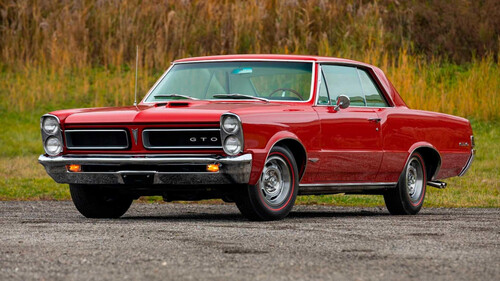
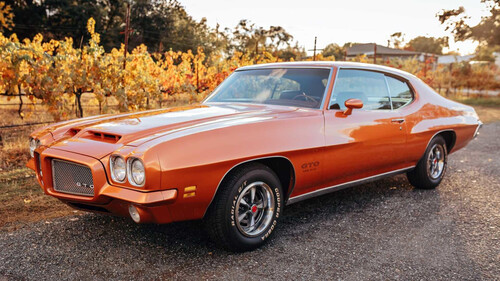
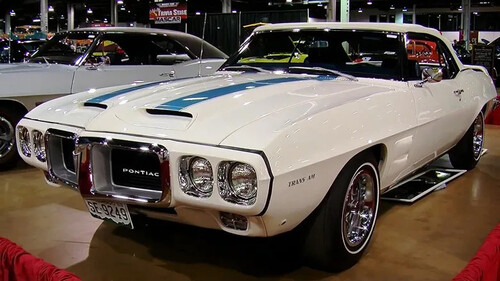
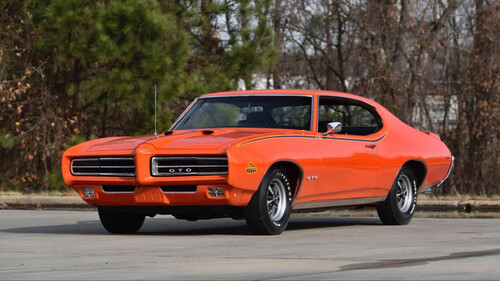
The Pontiac GTO did not arrive with corporate fanfare or a sweeping ad campaign. It slipped into showrooms as a quiet option on an ordinary mid‑size coupe, a rule‑bending experiment that General Motors management never officially asked for. Yet that low‑profile gamble, built in defiance of the company’s own limits, ended up reshaping American performance cars and defining what a muscle car would be for generations. To understand how a single model could have that impact, it helps to see how deliberately small the idea started. The GTO was born as a way to sneak big‑engine performance into an era of corporate caution, and its success forced Detroit to rethink what a mainstream car could be. Detroit plays it safe, engineers do not In the early 1960s, Detroit was cautious. Corporate rules at General Motors capped engine size in mid‑size cars, and the big divisions focused on full‑size models that fit neatly into internal policies about weight and displacement. As one account of Pontiac GTO History puts it, Detroit in 1964 was playing it safe, with corporate priorities shaped by insurance concerns and internal mandates rather than raw performance. Pontiac, however, had built a reputation on speed. The division had leaned on NASCAR and drag racing to sell an image of power, and its engineers were not eager to give that up just because paperwork said mid‑size cars should stay mild. Within that culture, the idea emerged to take a modest Tempest body and drop in a large performance engine. Rather than designing a new platform, the team would simply combine existing parts in a way the rulebook did not anticipate. The heart of the plan was to wedge a 389 cubic inch V8 into a mild‑mannered intermediate. Accounts of how the original describe engineers essentially hijacking their own company’s rulebook by pairing that 389 with a compact chassis that had never been meant to handle so much power. On paper, the result violated the spirit of GM’s internal guidelines even if it could be justified as an option package. From option code to underground icon The GTO did not begin life as a standalone model. It started as an option group on the Pontiac Tempest and LeMans, a way to bundle the 389 engine, upgraded suspension and visual cues without triggering corporate alarms. Later coverage of Pontiac GTO Beginnings traces how that option package eventually evolved into its own nameplate, but the critical early step was keeping it buried in the order sheet. Inside Pontiac, the project relied on a small group willing to push boundaries. A later retrospective credits engineers Russ Gee and with creating the 1964 GTO, using the Pontiac home plant assembly line in Pontiac, Michigan, to turn a mid‑size platform into something closer to a street‑legal drag car. The option strategy gave them cover: on paper, Pontiac was still selling a sensible Tempest, just with a performance package for those who knew to ask. Marketing support at first was modest. Pontiac chief marketing manager Jim Wangers, whose role is detailed in Glory Days, helped shape the car’s image, but the GTO initially spread through word of mouth and local street reputation more than national campaigns. Enthusiasts sought it out rather than encountering it in heavy mass advertising. The first true muscle car What made the Pontiac GTO different was not just its engine size. American performance already existed in big full‑size coupes, but those cars were heavy and expensive. The GTO took the formula of a large V8 and placed it in a smaller, lighter body, creating a new kind of performance per dollar. A short video on the 1964 Pontiac GTO points out that the first muscle car did not come from Dodge or Ford but from Pontiac, which took an ordinary Tempest and transformed it into something far more aggressive. Multiple accounts describe the Pontiac GTO as the first true muscle car, the vehicle that effectively created the entire muscle car industry in 1964. A detailed documentary on the Pontiac GTO notes that the model is often credited with starting the muscle car era in the 1960s, even though it remained in production for only about a decade in its original form. Another film on Pontiac GTO rise goes further, arguing that the GTO created the entire muscle car industry in 1964 and that ten years later the original concept was effectively dead. That framing is echoed in enthusiast histories. One overview of History of the emphasizes how the car became an icon for the muscle car segment, while another retrospective on GTO performance calls it a cornerstone of Pontiac performance and a car that created the muscle car segment by hitting a bullseye with buyers who wanted speed in a practical package. The corporate rule Pontiac quietly broke The GTO’s existence depended on a quiet work‑around. General Motors had internal policies that limited engine displacement in mid‑size cars to smaller V8s. Pontiac’s team found a way to interpret those rules loosely by classifying the GTO as an option package instead of a separate model, which let them slip the 389 engine into a category that was not supposed to host it. A video on how the original highlights how engineers essentially hijacked the rulebook by wedging a 389 cubic inch V8 into a mild mid‑size, creating something corporate leadership had not intended. That quiet defiance mattered because it showed other divisions what was possible. If Pontiac could sell a big‑block mid‑size without immediate corporate backlash, then Chevrolet, Oldsmobile and Buick could push their own limits. The GTO proved that performance did not have to be confined to full‑size flagships and that younger buyers would respond to a smaller car with a big engine and an accessible price. Later, General Motors embraced the formula more openly. A company feature on Retro Rides recalls that in October 1963 General Motors had already been thinking about cars designed for speed and power, but the GTO still stands out as the project that turned that thinking into a specific, rule‑breaking product. From street sleeper to showroom magnet Early GTOs were not flashy by modern standards. The car’s appeal came from its sleeper character: a mid‑size body that looked familiar but hid serious power. Coverage of from Street Sleeper to Icon describes how the GTO started as a relatively understated performer before evolving into a more aggressive visual statement later in the decade. That evolution tracked with demand. Once word spread that a Tempest or LeMans with the right option code could outrun cars that cost far more, the GTO became a showroom magnet. Buyers walked into Pontiac dealers asking specifically for the GTO package, and the car’s reputation on the street fed directly into sales. An enthusiast piece on six decades of recalls how the first 1964 Pontiac GTO seen in late 1963 left a lasting impression, helping to cement the car’s identity as something special within the broader Pontiac lineup. As the decade progressed, the GTO’s styling grew bolder. Hood scoops, badges and brightwork turned the former sleeper into a visual statement. A social media feature on The Pontiac GTO notes that the 1966 Pontiac GTO is often credited with kickstarting the muscle car era in American performance, and that the model’s blend of style and speed secured its place in automotive history. How a single car created an entire segment By the mid‑1960s, competitors had taken notice. Dodge, Ford, Chevrolet and others began introducing their own high‑powered mid‑size and compact models, but many enthusiasts and historians still point to the GTO as the template. A concise overview on the Pontiac GTO stresses that the car is often credited with starting the muscle car era, while another documentary on Pontiac GTO story argues that it created the entire muscle car industry in 1964. That claim rests on more than nostalgia. The GTO showed that there was a large, profitable audience for relatively affordable, straight‑line performance. Instead of paying for a luxury badge or a full‑size chassis, buyers could put their money directly into horsepower. Insurance companies and regulators would eventually push back, but for a crucial window in the 1960s, the GTO’s formula set the pace for Detroit. Enthusiast histories of Pontiac GTO through trace how other manufacturers responded, building their own big‑engine mid‑size cars. Even when rivals disputed whether the GTO truly came first, they acknowledged that it defined buyer expectations for what a muscle car should be. Pontiac’s path to the GTO The GTO did not appear in a vacuum. The Pontiac Motor Company had already been on a long journey by the time its engineers started thinking about big engines in smaller cars. A historical overview from the brief History of explains that The Pontiac Motor Company was originally founded in 1907 by a man named Edward Murphy in Pontiac, Michigan, and that the brand evolved into a division focused on performance in terms of power and handling. That performance identity made Pontiac a natural incubator for the GTO idea. While other GM divisions leaned more on luxury or economy, Pontiac cultivated an image of speed that resonated with younger buyers. A feature on real story behind notes that despite no longer being a part of Pontiac as an active brand, Pontiac has left its mark on the automotive industry with cars like the legendary GTO. That legacy helps explain why the GTO still looms large in discussions of American performance. Even after the brand’s discontinuation, the model’s influence on later muscle cars and modern performance sedans remains a reference point for designers and enthusiasts. The cultural shift powered by GTO The GTO’s impact went beyond sales numbers. It helped shift American car culture toward a more youth‑oriented, performance‑focused mindset. A feature on how the GTO describes a cultural shift powered by the car, where the idea of owning a powerful V8 became tied to personal freedom and identity. Advertising and imagery around the GTO leaned into that shift. The car was marketed less as a family appliance and more as a statement about who the driver was. That approach influenced how other manufacturers sold their own muscle cars, with an emphasis on individuality, rebellion and speed. Even buyers who never took their cars to a drag strip absorbed the message that a big engine and bold styling said something about their personality. Social media retrospectives, such as a video that tracks all of the until the end run of modern GTOs from 2006, underline how the model’s identity evolved over time. Yet the core idea remained consistent: a car that promised accessible performance and a sense of belonging to a broader enthusiast culture. Rise, fall and reinvention The original GTO story is not just about ascent. By the mid‑1970s, the factors that had enabled the muscle car boom had shifted. Insurance costs, emissions regulations and changing consumer priorities squeezed high‑powered models. The documentary on The Pontiac GTO notes that the car created the entire muscle car industry in 1964 and that ten years later it was effectively dead in its original form. Later attempts to revive the GTO nameplate drew on that heritage with mixed results. A video feature that follows GTOs from 1964 shows how the badge moved across different platforms, including modern imports adapted for the American market. These later cars delivered strong performance but faced a different regulatory and competitive environment from the freewheeling 1960s. Even as the nameplate cycled in and out of production, the original 1960s models grew in stature among collectors. Auction coverage under the banner of six decades of highlights how early GTOs, especially the first‑generation cars, now command significant attention as symbols of a formative era in American performance. Why the GTO still matters For modern enthusiasts, the GTO represents more than nostalgia. It encapsulates a specific idea about what a performance car should be: straightforward, mechanical and focused on delivering power in a simple package. That idea continues to influence how people think about muscle cars, even as technology and regulations change. Clubs, museums and online communities keep that history alive. The Volo Museum, which documents the History of the Pontiac GTO, and attractions listed on Volo Museum sites, help preserve physical examples of the car for new generations to see. Social media groups dedicated to the GTO, such as those that share images of Pontiac GTO History and From Street Sleeper to Icon, show how the car still inspires discussion and restoration projects. Even short clips and retro reviews, such as those shared through discovered retro reviews and a shortened link at discovered video, keep the story circulating among audiences who may never have seen a GTO in person. The quiet gamble that changed everything Looking back, the most striking part of the GTO story is how modestly it began. A small team at Pontiac took an ordinary Tempest, added a 389 V8 and framed the result as an option package to slip past corporate limits. There was no guarantee that buyers would respond, and the project could easily have remained a niche curiosity. Instead, the car became a reference point for an entire generation of performance machines. As a video on Part 1 GTO explains, the GTO was a cornerstone of Pontiac performance and a car that created the muscle car segment by aligning exactly with what buyers wanted. Another enthusiast film on Pontiac GTO story frames the model as the car that started it all, then tracks what happened as the market and regulations changed. That arc, from quiet experiment to industry‑shaping icon, illustrates how innovation sometimes arrives not through official programs but through rule‑bending projects that test what a company will tolerate. Pontiac built the GTO quietly, within the gray areas of corporate policy, and in doing so created a template that competitors had to answer. The muscle car era that followed, with all its sound, speed and cultural impact, can be traced back to that decision to slip a big engine into a mid‑size and see who noticed. More from Fast Lane Only Unboxing the WWII Jeep in a Crate 15 rare Chevys collectors are quietly buying 10 underrated V8s still worth hunting down Police notice this before you even roll window down