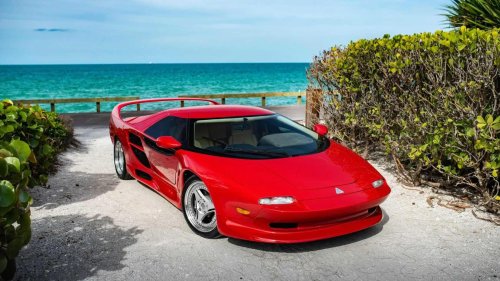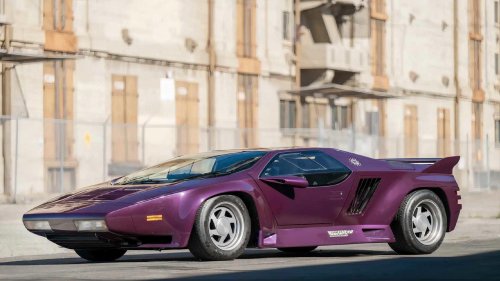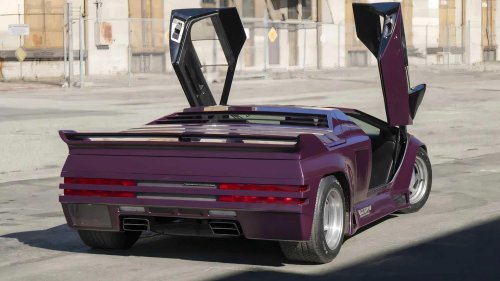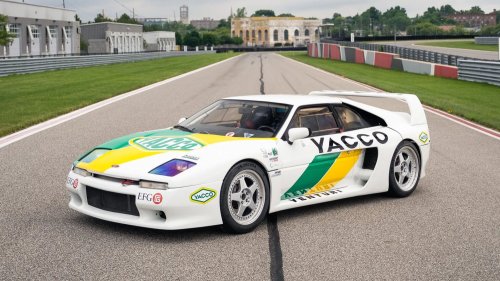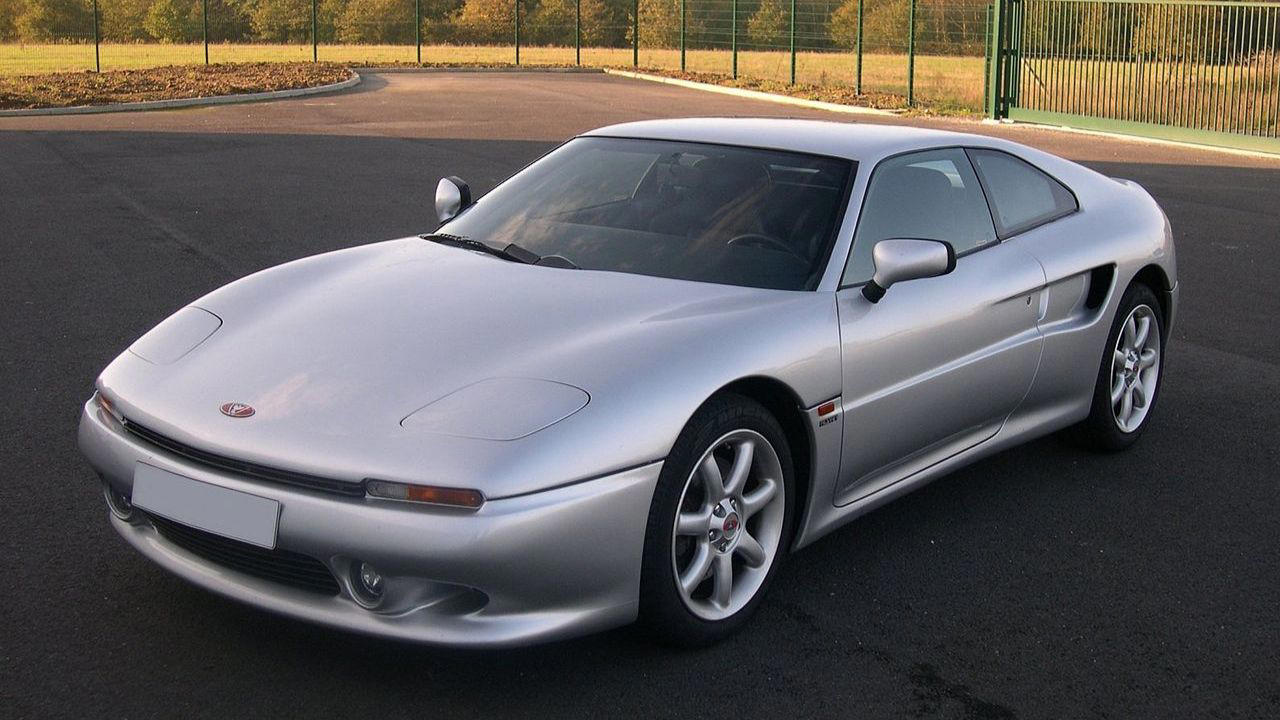



















Often forgotten, the 1999 Venturi Atlantique delivered serious European performanceAt the end of the 1990s, when European performance cars were defined by names like Ferrari F355 and Porsche 911, a small French maker quietly built a twin-turbo V6 coupe that could run with them. The 1999 Venturi Atlantique 300 Biturbo combined lightweight construction, serious power, and race-bred engineering, yet it slipped almost completely out of public memory. Today, it stands as one of the sharpest examples of how a promising supercar can be eclipsed by timing, finance, and geography rather than talent. Viewed from more than two decades on, the Atlantique’s story is less about nostalgia and more about how a focused, 300-horsepower French exotic anticipated trends that would later define European sports cars, from turbocharged efficiency to track-ready chassis tuning. The French supercar that almost made it Venturi was founded in France in the 1980s with a clear objective: to build low-volume sports cars that could challenge established German and Italian rivals. By the late 1990s, that ambition had crystallized in the Atlantique line, and the 300 Biturbo version represented the peak of the company’s combustion-era engineering. The car used a mid-mounted V6 with twin turbochargers, a layout that gave it compact dimensions, a low center of gravity, and a power output that put it squarely in the supercar conversation of its time. Contemporary figures placed the 300 Biturbo around the 300 horsepower mark, a meaningful benchmark in the late 1990s for a car that weighed significantly less than many of its rivals. The combination of moderate displacement, forced induction, and relatively light curb weight gave the Atlantique the kind of power-to-weight ratio that translated into vivid real-world performance. In period tests, it was capable of acceleration numbers that put it on par with far more famous machinery. Unlike some boutique sports cars that leaned heavily on off-the-shelf components, the Atlantique carried a strong sense of identity. Its fiberglass bodywork wrapped around a dedicated chassis, and the cabin, while not lavish, offered a driver-focused environment with clear instrumentation and tight, purposeful ergonomics. It looked and felt like a serious piece of engineering rather than a kit or a styling exercise. Design that mixed restraint and aggression The styling of the Atlantique 300 Biturbo reflected its era without being trapped by it. The basic shape was clean and low, with a long, sloping nose, a compact cabin set forward on the wheelbase, and a short, muscular tail that hinted at the engine’s mid-mounted position. The proportions were classic mid-engine coupe, yet the detailing was distinctly French, with soft curves and subtle surfacing rather than the sharp creases that would dominate supercar design a decade later. Air intakes behind the doors fed the twin-turbo V6, while the rear featured a wide stance and integrated spoiler work that balanced visual weight and aerodynamic function. The car’s relatively narrow footprint compared with some Italian exotics gave it a more understated presence on the road, but from certain angles the Atlantique carried a purposeful, almost race-car intensity. Inside, the layout reflected Venturi’s limited production scale. Materials and switchgear did not match the polish of mass-produced German coupes, yet the driving position, pedal alignment, and visibility were carefully considered. The result was a cabin that felt tailored to enthusiastic driving, with modest concessions to comfort rather than an attempt to mimic a luxury grand tourer. Engineering focuses on balance and feedback The Atlantique 300 Biturbo’s chassis engineering was shaped by Venturi’s experience in competition. The company had already campaigned cars in endurance racing and GT categories, and that background informed the road car’s suspension geometry, braking system, and weight distribution. With the engine located behind the seats and ahead of the rear axle, the car achieved a near-ideal balance that rewarded smooth inputs and punished clumsy driving. Double wishbone suspension at each corner, combined with carefully tuned spring and damper rates, delivered both precision and compliance on real roads. The car’s relatively low mass allowed Venturi to fit brakes that were strong enough for serious track use without resorting to the oversized hardware that heavier cars required. Steering was geared for quick response, and the feedback through the wheel and seat distinguished the Atlantique from more insulated contemporaries. The twin-turbo V6 itself was a study in period turbocharging. With modest boost pressure and careful mapping, it produced strong mid-range torque and a top-end surge that felt more linear than some of the peaky turbo engines of the 1980s. Turbo lag existed but was manageable, and once the turbos were on song, the Atlantique delivered the kind of relentless thrust that suited its long-legged gearing and high-speed stability. Performance numbers that matched the hype On paper, the Atlantique 300 Biturbo sat in an enviable position. Around 300 horsepower in a compact, mid-engine package meant acceleration that could rival more expensive exotics. Period figures placed its sprint to highway speeds in the low five-second range, with a top speed comfortably above 160 mph. For a small French manufacturer, those numbers were not just respectable; they were genuinely impressive. Out on the road and track, testers praised the car’s ability to combine straight-line pace with composure in fast corners. The chassis invited drivers to lean on the available grip, and the mid-engine layout rewarded smooth weight transfer. Where some turbocharged cars of the era felt like engines in search of a chassis, the Atlantique presented a cohesive whole, with power, grip, and braking capacity that felt well matched. Those traits placed the Venturi in the same mental space as cars like the Lotus Esprit and later TVR models: focused, slightly raw, and aimed squarely at buyers who cared more about driving feel than about brand prestige or dealership networks. In that sense, the Atlantique 300 Biturbo was a connoisseur’s choice, a car for people who were willing to look beyond the obvious badges. Why almost nobody remembers it Despite its capabilities, the Atlantique 300 Biturbo never escaped obscurity. Production numbers were low, distribution was limited, and Venturi itself struggled financially. Without a robust dealer network, after-sales support, or marketing budget, the car remained largely invisible outside a small circle of enthusiasts. Even in France, it was rare to see an Atlantique on the road. Timing also worked against it. By the late 1990s, large manufacturers were pouring resources into high-performance models, and the market’s attention gravitated toward cars backed by global brands. Buyers who could afford a supercar often preferred the perceived security of a Ferrari or Porsche showroom to the uncertainty of a boutique French maker. As a result, the Atlantique slipped into the background, joining a small group of French exotics that have since been described as forgotten supercars. That obscurity has only deepened with time, since Venturi’s later pivot toward electric prototypes and Formula E involvement shifted attention away from its combustion-era road cars. Context among late‑90s European performance cars To understand why the 1999 Atlantique 300 Biturbo matters, it helps to place it alongside its contemporaries. In Europe, the benchmark sports cars of the period included the Ferrari F355, the Porsche 911 (996 generation), and the Lotus Esprit V8. Each of those models came from a marque with decades of racing heritage and strong commercial infrastructure. Venturi, by contrast, had to fight for recognition with far fewer resources. Yet in terms of concept, the Atlantique fit squarely within that group. Like the F355 and Esprit, it used a mid-engine layout to prioritize handling balance. Like the 996 Turbo that would follow, it relied on turbocharging to extract significant power from a relatively compact engine. Its curb weight and footprint were closer to the Lotus than to the heavier German coupes, which gave it a similar sense of agility. Where it diverged was in refinement and brand cachet. The Atlantique’s cabin and build quality reflected the realities of low-volume production, and the Venturi badge carried little recognition outside specialist circles. For buyers who valued exclusivity and driving purity, those factors could be positives. For the broader market, there were barriers. Rarity and the modern collector market The same factors that limited the Atlantique’s commercial success have turned it into a rare prize for collectors. Production of the 300 Biturbo variant was extremely limited, and survival numbers are low. Many cars remained in continental Europe, often in the hands of dedicated enthusiasts who appreciated their uniqueness and kept mileage modest. In the current collector market, the Atlantique sits in an interesting niche. It is not widely recognized enough to command the kind of speculative prices seen for more famous exotics, yet its rarity and performance credentials give it a strong appeal to knowledgeable buyers. For collectors who already own mainstream supercars, a Venturi offers something different: a conversation piece that reflects a very specific moment in European automotive history. Rising interest in 1990s performance cars has also helped. As younger enthusiasts gain buying power, they often gravitate toward the cars they grew up seeing in magazines and video games. While the Atlantique never enjoyed the media exposure of its rivals, its period-correct styling and analog driving experience align neatly with the tastes of enthusiasts who value engagement over outright speed. Lessons from a forgotten 300‑horsepower coupe The story of the 1999 Venturi Atlantique 300 Biturbo highlights how much more goes into a successful performance car than power output or lap times. On those metrics, the car delivered. It had a potent twin-turbo V6, a finely tuned chassis, and the kind of feedback that drivers now seek out in older analog machines. What it lacked was the industrial and financial backing needed to turn engineering into lasting market presence. For modern manufacturers, especially smaller ones, the Atlantique serves as a reminder that a clear identity and strong product are only part of the equation. Distribution, service, marketing, and long-term brand building can determine whether a car becomes an icon or a footnote. Venturi’s pivot away from combustion road cars also meant that the Atlantique did not benefit from a continuous lineage of successors to keep the name alive. For enthusiasts, the car offers a different lesson. Automotive history is full of machines that delivered exceptional performance yet never broke through to mainstream awareness. Seeking them out can broaden an enthusiast’s understanding of what performance meant in a given era, beyond the usual headline models. Why the Atlantique deserves a second look Revisiting the 1999 Atlantique 300 Biturbo today reveals a car that anticipated several trends that would come to define European sports cars in the 2000s. Turbocharged engines became the norm, mid-engine layouts spread from exotics to more accessible models, and driver-focused, relatively lightweight coupes gained renewed appreciation as electronic aids and mass increased elsewhere. The Venturi embodied many of those qualities before they became widespread, and it did so with a distinctly French character. Its design avoided the aggressive, angular styling that would dominate later supercars, opting instead for a smoother, more understated form. Its performance came from a careful balance of power, weight, and chassis tuning rather than sheer displacement or headline-grabbing horsepower figures. More from Fast Lane Only Unboxing the WWII Jeep in a Crate 15 rare Chevys collectors are quietly buying 10 underrated V8s still worth hunting down Police notice this before you even roll window down *Research for this article included AI assistance, with all final content reviewed by human editors.