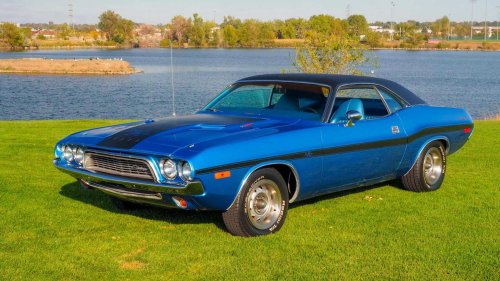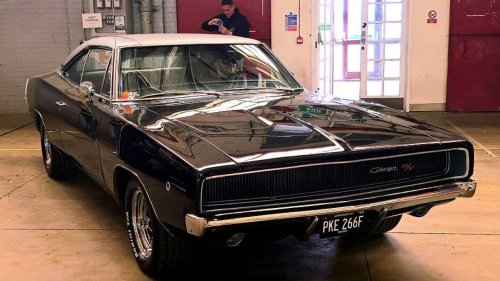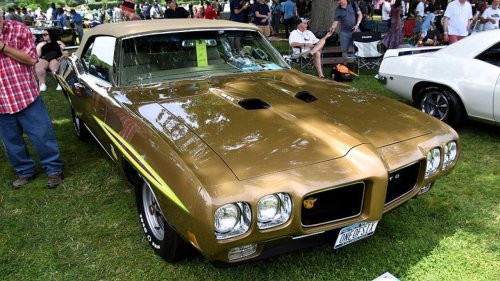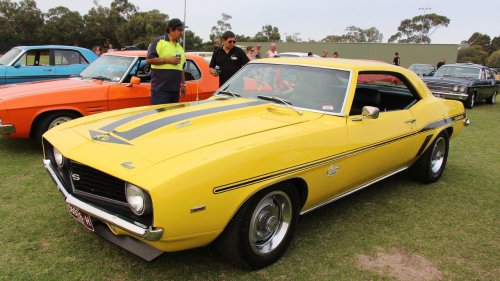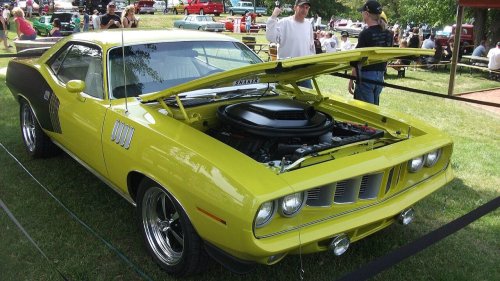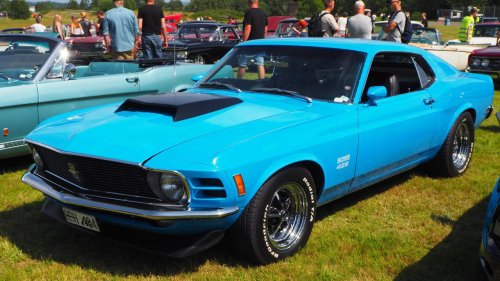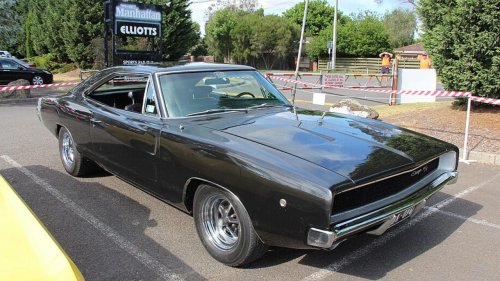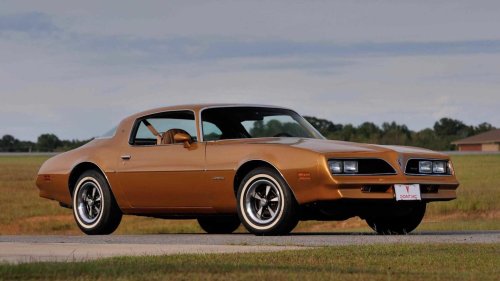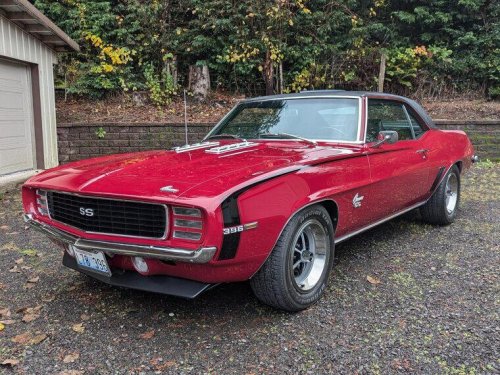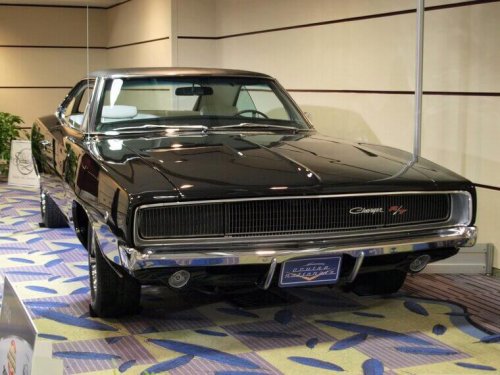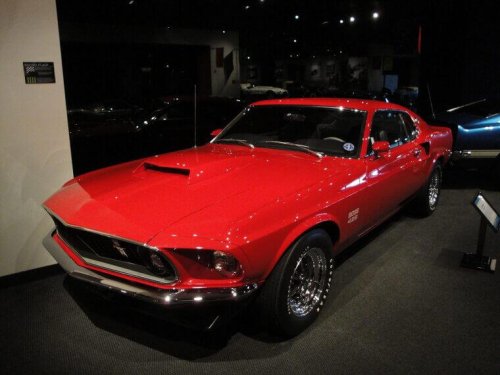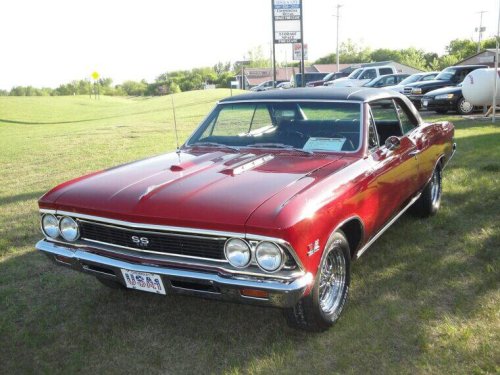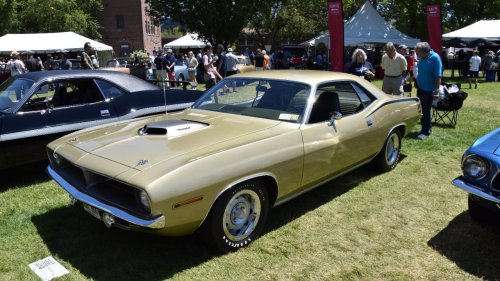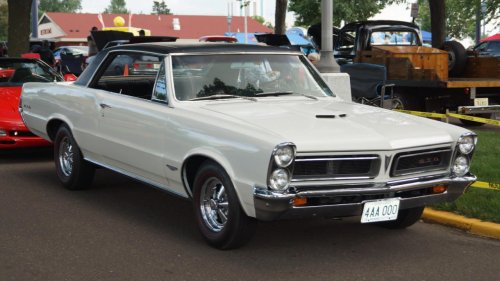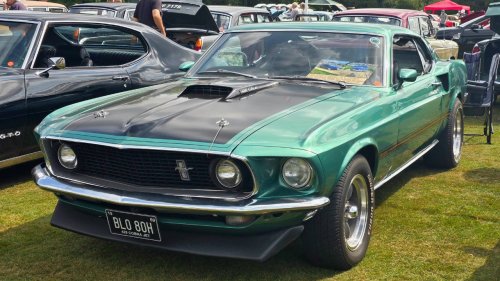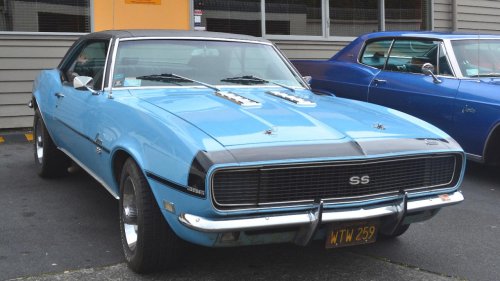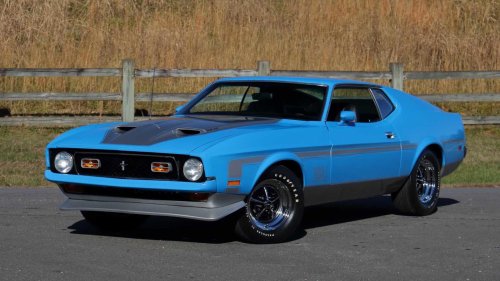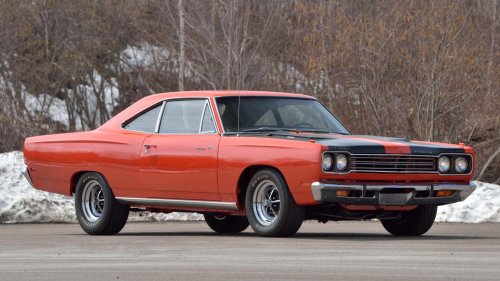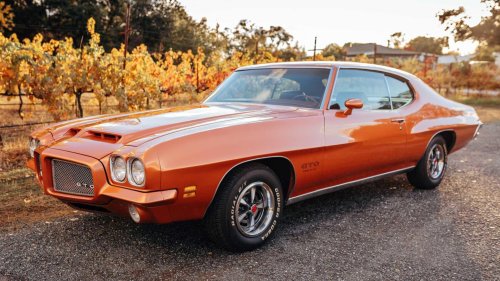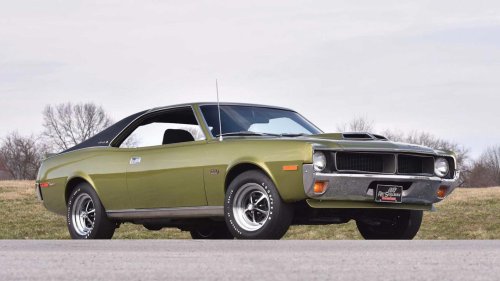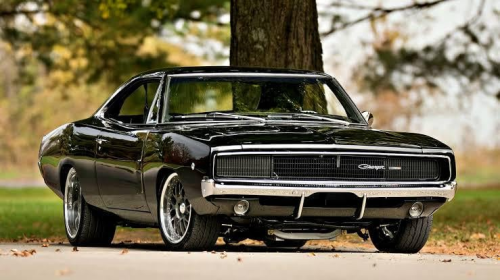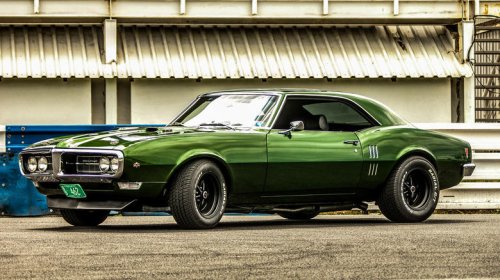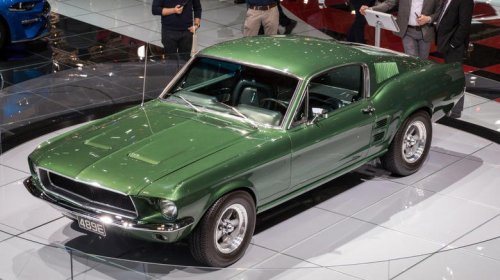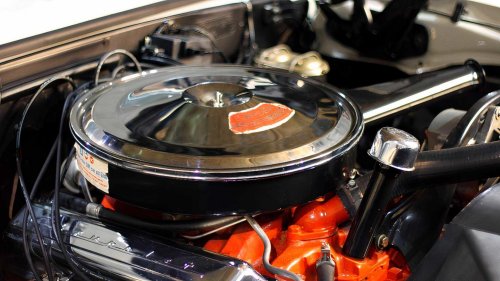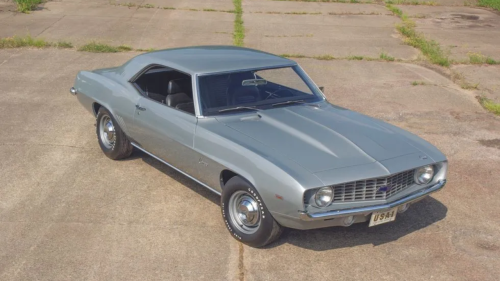

























There was a moment in the late 1960s when American performance cars weren’t just about what rolled off the factory floor. As corporate rules were tightening, insurance companies were watching, and engine displacement limits were quietly shaping what manufacturers were willing to install in their most popular street cars, muscle cars with insane performance credentials were still finding a way to roll out of the factory.Behind dealership doors, a small number of insiders understood how to work within the system without technically breaking it. Using factory order channels that most buyers never even knew existed, dealers found a way to slip race-bred big-block power into platforms that weren’t supposed to have it.And, no, the result wasn’t a backyard swap or some tuner experiment. Rather, it was a factory-built, fully serialized, and ready to terrorize drag strips straight from the showroom. This legendary engine swap created one of the most respected and valuable muscle machines of the entire era. UPDATE: 2026/02/23 18:24 EST BY MAGDAN DANIEL CVITESIC This article has been updated with deeper insight into Don Yenko’s racing and dealer background, General Motors’ internal 400-cubic-inch engine limit for intermediate cars, the COPO ordering system that allowed factory-installed high-performance engines, and a more detailed comparison of the Yenko Camaro’s performance against the era’s top muscle cars. How The 1969 Yenko Camaro 427 Used Chevy's COPO System To Bypass Factory Engine Limits via MecumIn the late 1960s, Don Yenko, a racecar driver and Chevrolet dealer from Pennsylvania, conceived a glorious brainchild, giving the world the Yenko Camaro. Also referred to as Yenko Super Camaros, this newly modified Chevrolet Camaro was created by utilizing Chevrolet’s Central Office Production Order (COPO) system.A four-time SCCA National Champion and former U.S. Air Force pilot, Yenko wasn’t just a salesman; he was a hardened racer who understood exactly what it took to win on Sunday and sell on Monday. By the late ’50s, he had already turned his family’s Canonsburg Chevy dealership into a performance nerve center, first homologating the Corvair-based Stinger for SCCA competition before setting his sights on stuffing Corvette-sourced big blocks into Chevy’s newest pony car.GettyAt the time, General Motors enforced an internal corporate policy that prohibited engines larger than 400 cubic inches from being installed in midsize and smaller cars like the Camaro. The rule stemmed from rising insurance premiums, growing liability concerns, and GM’s desire to preserve brand hierarchy by reserving its biggest engines for full-size models and the Corvette. As a result, the Camaro was officially capped at 396 cubic inches from the factory, making the 427 technically off-limits through standard ordering channels.The COPO system was originally designed to allow fleet buyers and large commercial customers to request non-standard combinations of factory-installed equipment. However, dealers like Yenko could also use the COPO system as a legitimate pathway to order vehicles with configurations that fell outside normal production guidelines.via MecumIn 1969, the standard Camaro SS was outfitted with a 350 cubic-inch V8 that was tuned to make around 295 to 300 horsepower. Gearheads could also opt for the 396 cubic-inch big-block V8, which pumped out between 325 and 375 ponies. Now, as you might have guessed, the 1969 Yenko Camaro sported something very different under the hood. Yenko arranged for Camaro SS models to be ordered through COPO with the L72 427 cubic-inch V8 (with order number COPO 9561), an engine originally developed for the Corvette and full-size performance applications.Starting in 1969, the Yenko Camaros were delivered from the factory equipped with the high-performance powerplant, eliminating the need for dealer-installed engine swaps that transpired between 1967 and 1968 and preserving factory-level assembly quality. Chevrolet shipped the cars to Yenko Chevrolet in Canonsburg, Pennsylvania, where they received Yenko-specific branding, striping, badging, and performance verification before being sold to customers.More importantly, it demonstrated how dealership performance programs could work within corporate systems to produce vehicles that rivaled or exceeded the capabilities of official factory muscle cars, helping establish the Yenko Camaro as one of the most historically significant dealer-enhanced performance machines of the muscle car era. Why The L72 427 Made The Yenko Camaro One Of The Most Powerful Dealer-Built Muscle Cars Of The Era via MecumAt the heart of the 1969 Yenko (Super) Camaro’s reputation sits Chevrolet’s L72 427 cubic-inch big-block V8, an engine that already carried serious performance credibility before it ever reached the Camaro platform. Originally developed for high-performance Corvette and full-size Chevrolet applications, the L72 was engineered around high airflow and durability under sustained high-RPM operation.Within Chevrolet’s own performance hierarchy, the Yenko Camaro sat just below the extremely rare COPO 9560 ZL1 Camaro, which used an all-aluminum 427 originally designed for racing. While the ZL1 offered higher performance potential, it was significantly more expensive and produced in far smaller numbers.The engine featured solid lifters, a forged steel crankshaft, forged pistons, rectangular-port cylinder heads, an aluminum intake manifold, and a Holley four-barrel carburetor. Chevrolet officially rated the L72 at 425 horsepower and 460 lb-ft of torque, although period testing and historical consensus suggest the actual output was likely higher.When installed in the relatively lightweight Camaro body, the L72 transformed the Yenko Camaro into one of the most formidable dealer-built muscle cars of its time. Most Yenko Camaros were paired with a heavy-duty Muncie M21 or M22 four-speed manual transmission, while a small number were equipped with the Turbo Hydra-Matic 400 automatic.via MecumWhat made the L72-powered Yenko Camaros particularly standout was its combination of factory engineering, dealer performance, and street usability. Unlike many race-focused builds that sacrificed drivability, the Yenko Camaro maintained full production assembly standards and still created rigs with performance that rivaled or exceeded many factory big-block competitors. Its COPO-authorized production also gave buyers confidence that the engine and supporting components were integrated and validated by Chevrolet.Today, the Yenko Super Camaro is respected in collector circles and among performance historians because it represents a rare moment when dealership performance programs successfully expanded the limits of factory muscle engineering. The L72-equipped Yenko Camaro stands as one of the clearest examples of how dealer initiative helped shape the upper boundary of the American horsepower era. How The Yenko Super Camaro Compared To Factory Big-Block Muscle Car Rivals via Bring A TrailerBy the late 1960s, the American muscle car segment had evolved into a horsepower war with manufacturers competing aggressively to deliver the quickest factory street machines possible. The 1969 Yenko Camaro entered this environment alongside serious big-block competitors such as the 426 Hemi-powered Dodge and Plymouth lineup, Chevrolet’s own COPO ZL1 Camaro, and Ford’s newly introduced Boss 429 Mustang.The 1969 Yenko Camaro could launch itself from 0 to 60 mph in about 5.4 seconds, with quarter-mile times typically recorded in the mid-13-second range at speeds exceeding 105 mph. Depending on gearing and test conditions, top speed estimates generally fall in the 140 mph range, making it one of the fastest American muscle cars available at the time. However, Yenko's own press release from 1969 highlights the L72's fastest recorded quarter-mile time at a ridiculous 11.94 seconds at 114.50 mph, driven by Ed Hedrick on Goodyear 8" slicks. This was obviously in ideal conditions and on a prepped surface, but impressive nevertheless.This means that, compared to Chrysler’s 426 Hemi offerings, including the Hemi Road Runner and Hemi Charger, the Yenko Camaro delivered comparable or faster straight-line performance. The Hemi engines were officially rated at 425 horsepower, matching the L72’s published output. Period testing often placed both platforms in the low-to-mid 13-second quarter-mile range. For example, HotRod recorded a 13.48-second quarter mile for a '69 Charger R/T Hemi with a 4-speed manual.via Bring A TrailerAgainst Ford’s Boss 429 Mustang, the Yenko Camaro typically held an advantage in straight-line acceleration. The Boss 429 was developed primarily to homologate Ford’s NASCAR engine program and emphasized high-RPM breathing and sustained speed rather than immediate drag strip dominance. As a result, the Boss 429 often produced slower quarter-mile times. Heck, if the 11.94-second run is accurate, the Yenko Super Camaro is even quicker than Chevrolet's LS6-powered Chevelle that came a year later and clocked the fastest 1/4-mile run at 13.44 seconds, posted by John Dianna on Irwindale Raceway in 1970 for HotRod.What gives the Yenko Camaro an edge today is its dealer-driven origin, combined with that factory-backed assembly through COPO ordering. It demonstrated that dealership performance programs could produce vehicles capable of going toe-to-toe with the most powerful factory muscle cars of the era, securing the Yenko Camaro’s place in the history books as one of the most respected and historically significant dealer-built performance machines ever produced. Here’s How Much A 1969 Yenko Camaro 427 Is Worth Today via MecumWhen the 1969 Yenko Camaro 427 originally hit the market, its price reflected a performance-oriented dealer build rather than a pure factory option car. Back in the day, the ‘69 Yenko Camaro 427 carried a starting sticker price of $4,200. Gearheads should also keep in mind that only 201 of these COPO-ordered L72 Camaros ever left Yenko's dealership in Pennsylvania, making them exceptionally rare compared with standard 1969 Camaros, which numbered in the tens of thousands across all trims.Now, fast-forward six decades, and the Yenko’s limited production numbers and insane engineering have created a recipe for the ultimate collector’s machine. Data collected by Classic.com highlights just how far the price has climbed on these muscle cars, as over the last 12 months, the average sales price of a 1969 Yenko Camaro has sat at a staggering price tag of $664,600, with the lowest sale price sitting at $308,000 and the top sale coming in at $1.8 million.via Bring A TrailerOne pristine example is this stunning bumblebee finished 1969 Chevrolet Yenko Camaro with about 32,000 miles showing on the odometer. One lucky gearhead with some pretty deep pockets was able to get behind the wheel of this muscle car special for a whopping $605,000, after winning the high bid via Mecum.Based on these prices, it’s clear that collectors still seek the Yenko Camaro not just for its performance capabilities but for its credentials as a factory-backed dealer performance car that challenged corporate limits and delivered genuine big-block muscle in a pony car package.In short, the 1969 Yenko Camaro 427 sits among the most respected and financially desirable American performance cars of its era, proving its one of those forgotten engine swaps that deserve to reenter the conversation and be appreciated by Gen Z and the younger generations that follow.Sources: Classic.com, Hemmings, Hot Rod Network, How Stuff Works