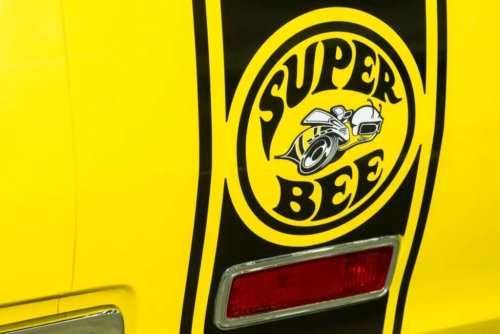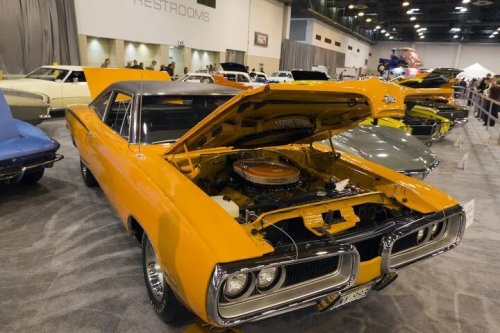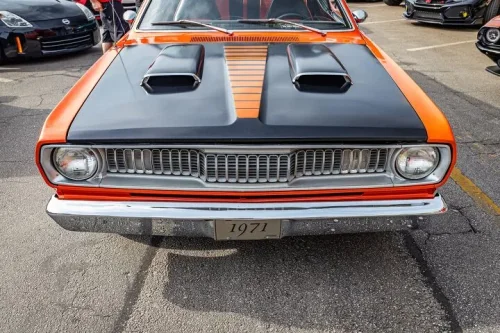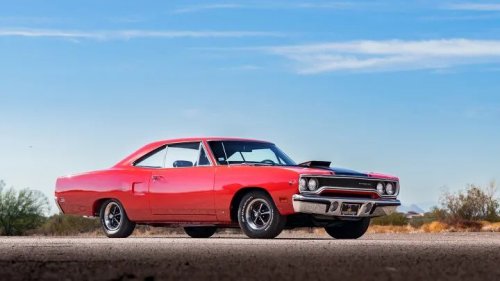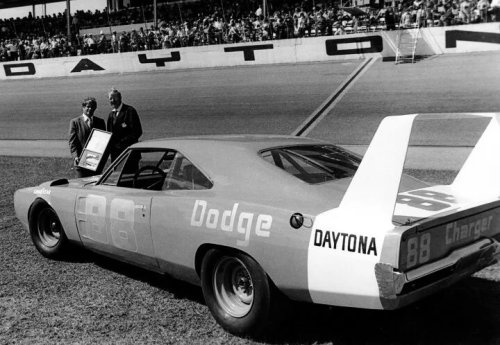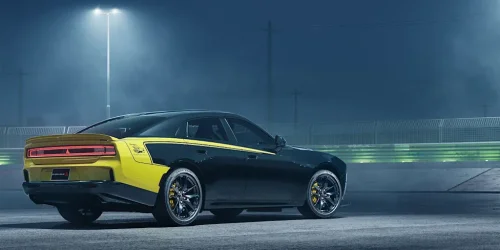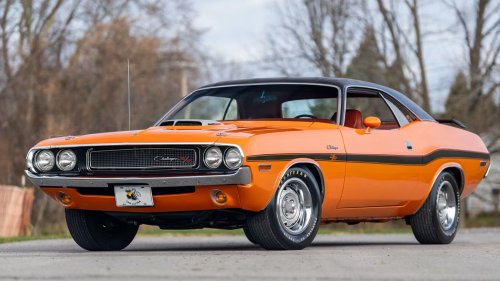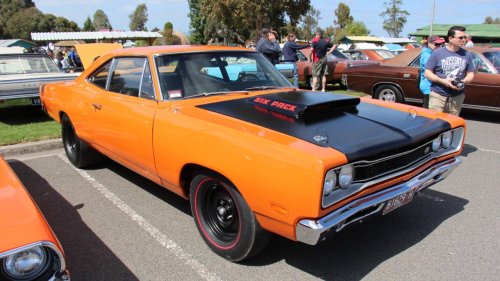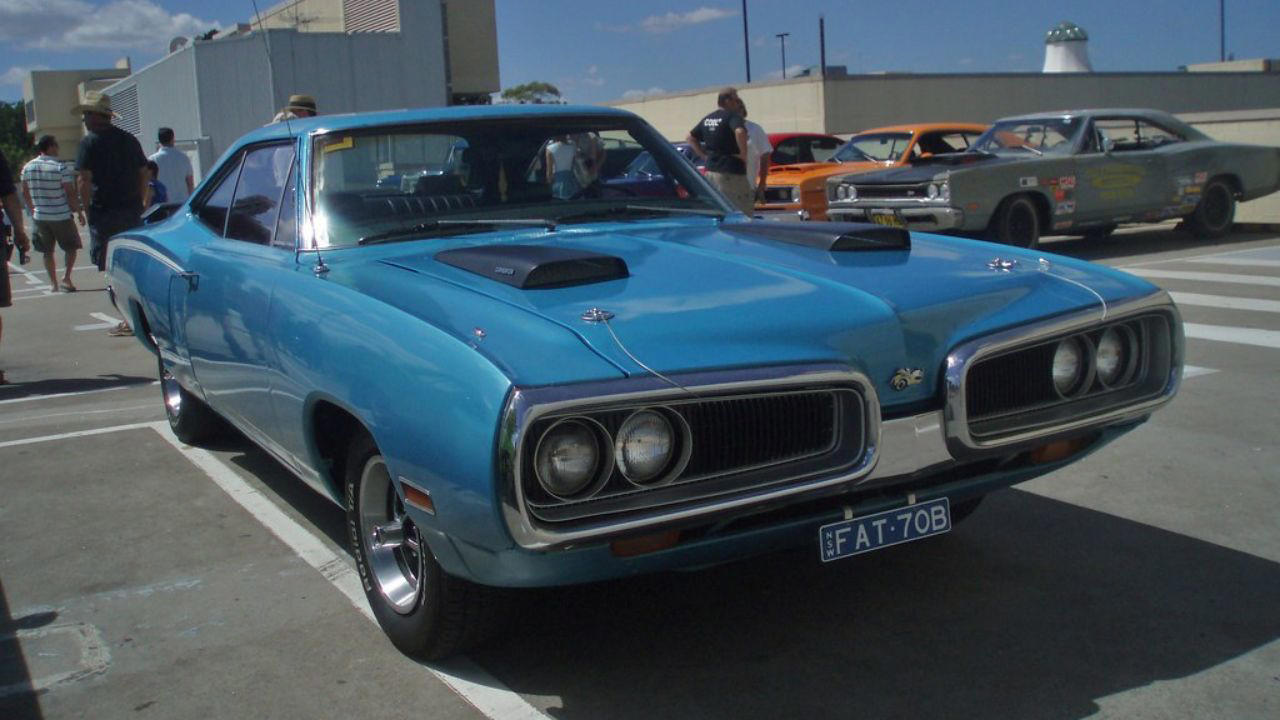



















The Super Bee looked aggressive because it wasThe Super Bee did not just look like trouble. It was engineered, styled, and marketed to be a bare-knuckle street fighter, and the 1970 version turned that attitude into sheet metal. From its controversial front end to the thump of big-block V8s, everything about the car was meant to broadcast aggression and then back it up when the light turned green. That is why the 1970 Dodge Super Bee still divides opinions on looks while uniting enthusiasts around its purpose. The car’s angry face, raw performance hardware, and stripped-down mission created a machine that appeared hostile because, by design, it was. The face that started arguments Among muscle cars, the 1970 Dodge Super Bee might have the most polarizing front end of its era. Fans and critics alike fixate on the twin-looped nose, a design that framed the grille and headlights in a pair of rounded rectangles that looked more like a scowl than a smile. Contemporary and modern owners often describe that front view as ugly yet impossible to ignore, a styling choice that made the car look like it wanted a fight even when parked. That visual aggression was not accidental. The Super Bee had already been pitched as a no-nonsense brawler in earlier years, and by 1970 Dodge leaned into that identity. Enthusiasts describe the 1970 Dodge Super Bee as classic American muscle with “aggressive styling and powerful performance,” with the car originally positioned as a budget way into big-block power for American buyers who cared more about quarter-mile times than chrome polish, as reflected in one detailed discussion of the 1970 Dodge Super Bee. The front end did more than grab attention. It visually lowered the car, made the hood look longer, and framed the Super Bee as something closer to a street weapon than a family coupe. Owners today still debate whether it is beautiful or brutal, but they tend to agree that the styling perfectly matches the car’s intent. Mopar muscle at its boldest The Super Bee grew out of the Dodge Coronet line, and by 1970 it had become one of the purest expressions of Mopar performance. Enthusiasts describe the 1970 Dodge Coronet Super Bee as “Mopar muscle at its boldest” and “mean, wild, and unapologetic,” a reputation that came from both its stance and its hardware. Compared with other Mopar icons like the Dodge Charger, the Super Bee was designed as a more affordable, stripped-back alternative. Enthusiast writeups describe how the Dodge Super Bee was a classic muscle car built for straight-line speed, with bold and aggressive looks and a focus on raw power rather than refined handling. Compared to other Mopar models like the Dodge Charger, the Super Bee was slightly more affordable and more single-minded about performance, as outlined in one overview that contrasts the Compared Mopar Dodge. The design choices reflected that mission. The body carried larger rear wheel openings and a signature bumblebee tail stripe, along with fancier grille and trim pieces that still looked more like speed parts than jewelry. Period descriptions and later summaries of the Dodge Super Bee highlight these exterior cues, including the bumblebee stripe and bright medallions, as key identifiers of a car that wore its performance on its sleeve, as outlined in reference material on the Dodge Super Bee. Color choices added to the menace. High-impact paint and bold graphics made the Super Bee impossible to miss, a look that enthusiasts still describe as “green and mean” on 1969 examples and equally wild on 1970 cars. Auction descriptions of a 1969 Dodge Super Bee in F6 Bright Green Metallic emphasize that the Dodge Super Bee was designed from the start as a no-nonsense brawler, with unapologetic looks and an aggressive stance that were not just for show but tied directly to unfiltered performance, as seen in coverage of one especially vivid Dodge Super Bee. Engines that matched the attitude The Super Bee’s styling would have been empty theater without serious power. Under the hood, the base engine was a 383 M V8 rated at 335 horsepower, a combination that gave the car strong acceleration even before buyers dipped into the options list. Enthusiast breakdowns of the 1970 model highlight that the base engine was a 383 Magnum V8 producing 335 horsepower, with optional 440 Six Pack setups offering higher performance. Those 440 engines, often paired with triple two-barrel carburetors in Six Pack form, turned the Super Bee into a serious threat at the drag strip. In some enthusiast builds, displacement went even further. One profile of a 1970 Dodge Super Bee notes “540 cubic inches buzzin’ under that hood,” and describes the 1970 Dodge Super Bee The Dodge Super Bee as Mopar muscle at its most intense, still built off the Dodge Coronet platform but transformed into a budget-friendly street brawler, as highlighted in coverage of a particularly wild Aug Dodge Super. Transmission choices reinforced the split between hardcore and practical buyers. Enthusiast comparisons between the 1970 Dodge Super Bee and rivals like the Oldsmobile 442 W-30 point out that the 4-speed manual was the choice for performance enthusiasts, while the automatic was preferred for easier everyday driving. These comparisons also note that both cars were offered in two-door hardtop and coupe body styles, with the 4-speed manual appealing to performance-focused drivers. Inside, the Super Bee stayed simple and functional. Enthusiast overviews describe how the Dodge Super Bee kept basic gauges, straightforward seating, and few luxuries, all in service of delivering the most horsepower for the least money. The focus was on loud exhaust, big V8s, and striking graphics rather than plush materials, a formula that made the car feel as aggressive from the driver’s seat as it looked from the curb, as described in summaries of how the Dodge Super Bee was never about luxury but about power and pride. Design features that made the aggression real Beyond the engines, specific design features of the 1970 model helped the Super Bee earn top dollar in the collectors market. Analyses of the car’s appeal point to the introduction of the twin-looped front bumper as the most notable design upgrade for 1970, a piece that visually separated the Super Bee from its Coronet roots and from other muscle cars. These same breakdowns list other details such as revised taillights, updated interior trim, and an ignition mounted on the steering column as part of the 1970 package, as summarized in one overview that focuses on the Design Features Super. These elements did not soften the car. They sharpened it. The twin loops framed the grille like a pair of clenched jaws, while the bumblebee stripe wrapped the rear with a racing-inspired graphic that made the car look ready to launch. The combination of larger rear wheel openings and bold striping telegraphed that this was a car built for drag racing, not for gentle cruising. Earlier models had already set the tone. Enthusiasts describe the 1969 Dodge Coronet Super Bee as one of the most iconic muscle cars of the golden era, built for raw power and no-nonsense performance. That reputation carried into 1970, with the newer front end and updated details only amplifying the attitude that had already made the Dodge Coronet Super Bee a legend, as reflected in tributes to the Oct Dodge Coronet. Modern enthusiasts still see the 1970 car as the boldest expression of that lineage. One profile describes the 1970 Dodge Super Bee as a bold, no-nonsense muscle car built for raw performance and street dominance, known for its aggressive styling and the way it made drivers feel like they were piloting something serious. These accounts emphasize that the Dodge Super Bee was Known for its intimidating presence as much as for its speed, as summarized in a feature on the Jun Dodge Super. From “ugly” to icon More than fifty years later, the 1970 Super Bee still sparks the same argument: is that front end hideous or heroic? Social media posts from owners and fans often repeat the same pattern. Someone calls the 1970 Super Bee front end the ugliest they have ever seen, then admits they cannot stop looking at it. That tension is part of the car’s lasting appeal. It is not pretty in a conventional sense. It is compelling because it looks like it wants to pick a fight with the road. That visual aggression has even inspired modern reinterpretations. One builder imagined a 1970 Dodge Super Bee dropped onto a stock car chassis with a modern Hellcat engine, turning the already angry face into something “plain, pissed, angry type of mean.” The reworked car removes brightwork and headlights, keeps the original housings and grille, and pushes the stance even lower. The result still reads instantly as a 1970 Super Bee, proof that the original design language was strong enough to survive radical modification and still look like a weapon, as captured in the custom vision of the Dodge Super Bee. Enthusiast communities still single out the 1970 Super Bee when debating which car had the meanest looking front end. One fan discussion that uses Dan S.’s 1970 Super Bee as a reference car notes that the Super Bee has to be near the top of any list of intimidating noses. That same conversation describes how the 1970 Dodge Super Bee was known for its aggressive styling, powerful engines, and no-nonsense performance, remaining a favorite for its bold colors and presence. Even casual posts that use the car as a weekend mood-setter, such as those that say “What’s that buzzing? Dan S.’s 1970 Super Bee gets our Saturday rolling,” lean on the car’s image as something that looks ready to sting. The combination of sound, stance, and styling keeps the Super Bee front of mind whenever enthusiasts talk about machines that look as angry as they drive, as reflected in playful references that tie the Dodge Super Bee to the start of a loud Saturday. Why the attitude still matters The Super Bee’s enduring appeal lies in how honestly it communicates its purpose. Enthusiast descriptions often say the Dodge Super Bee is raw American muscle at its finest, Known for its aggressive styling, high performance engines, and unapologetic attitude. The car was built for straight-line speed with a bold and aggressive look, and it focused on raw power and drag racing performance rather than refined handling or comfort, as summarized in overviews that describe how the Dodge Super Bee embodied power and pride rather than luxury. More from Fast Lane Only Unboxing the WWII Jeep in a Crate 15 rare Chevys collectors are quietly buying 10 underrated V8s still worth hunting down Police notice this before you even roll window down