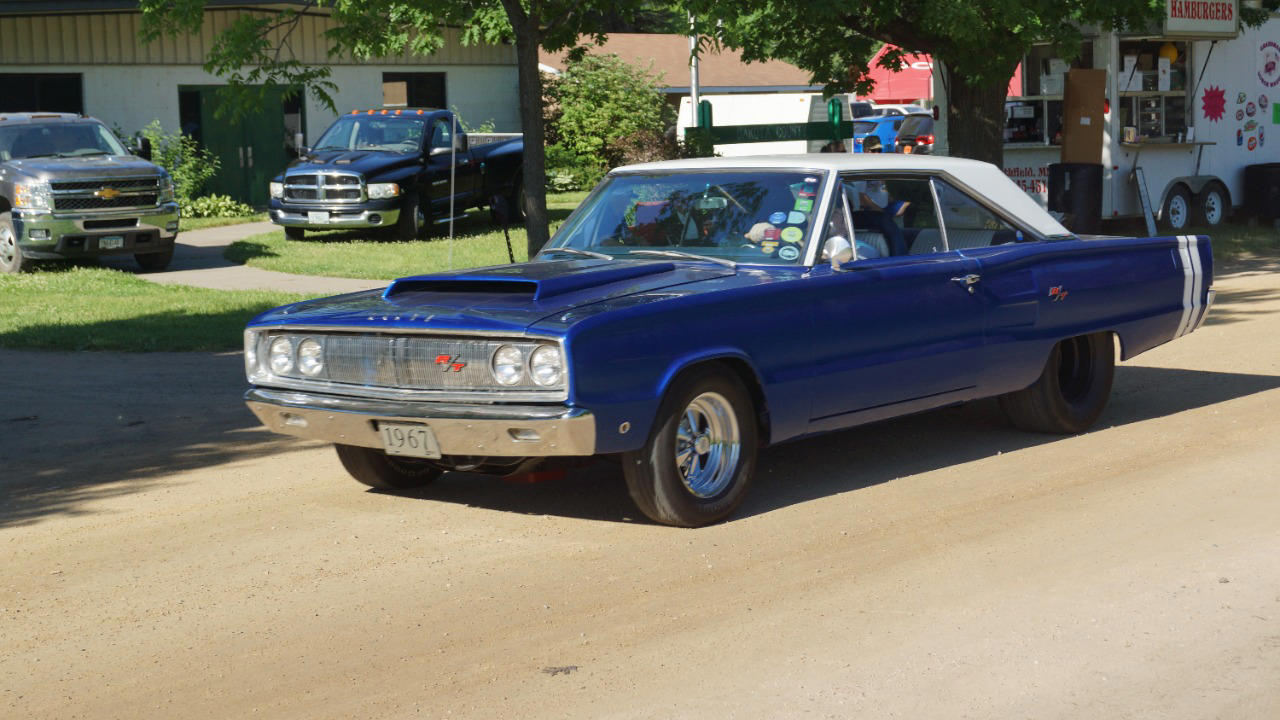
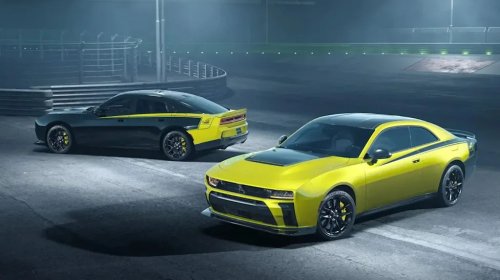
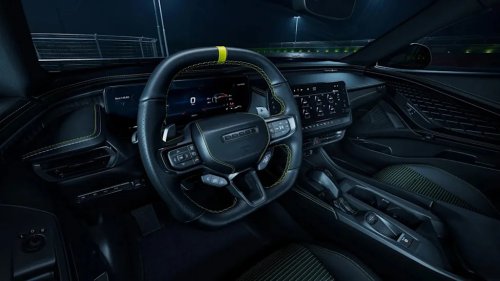
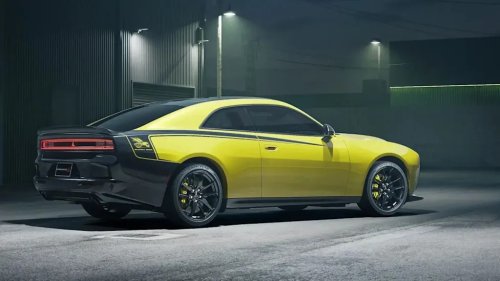
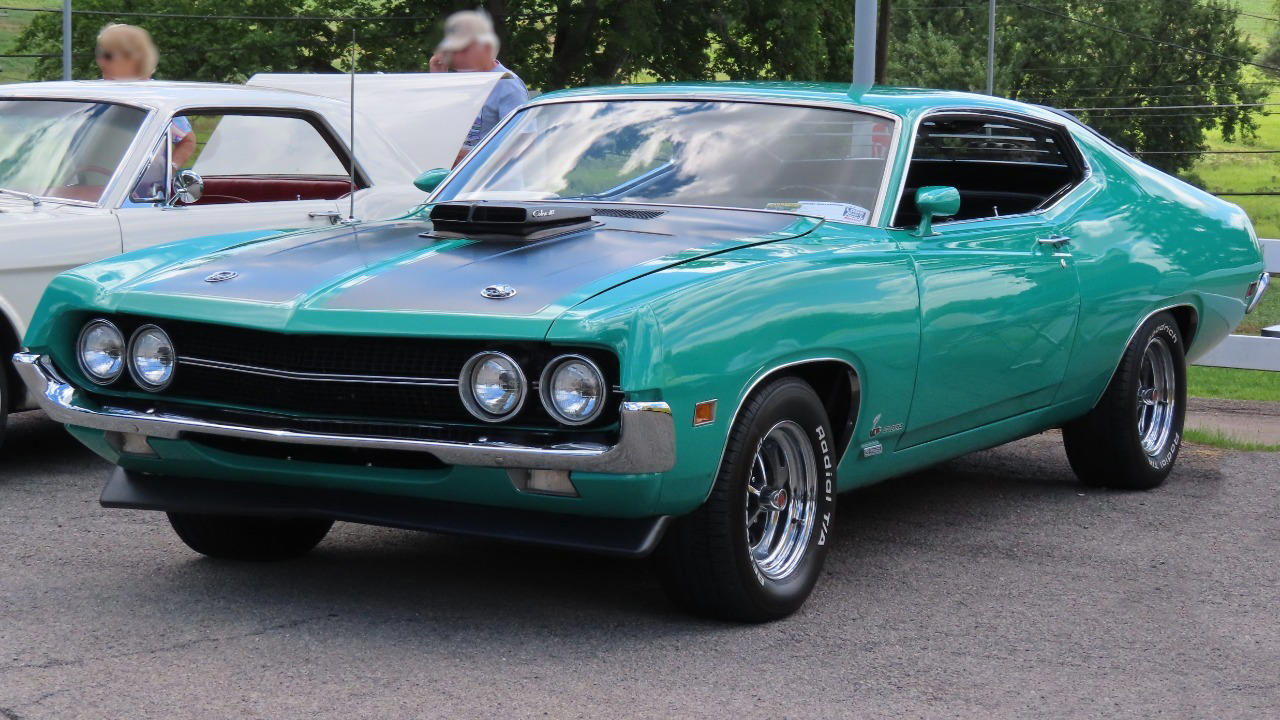
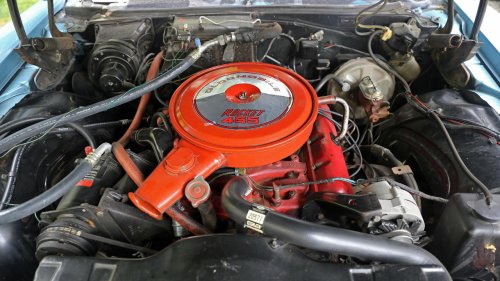
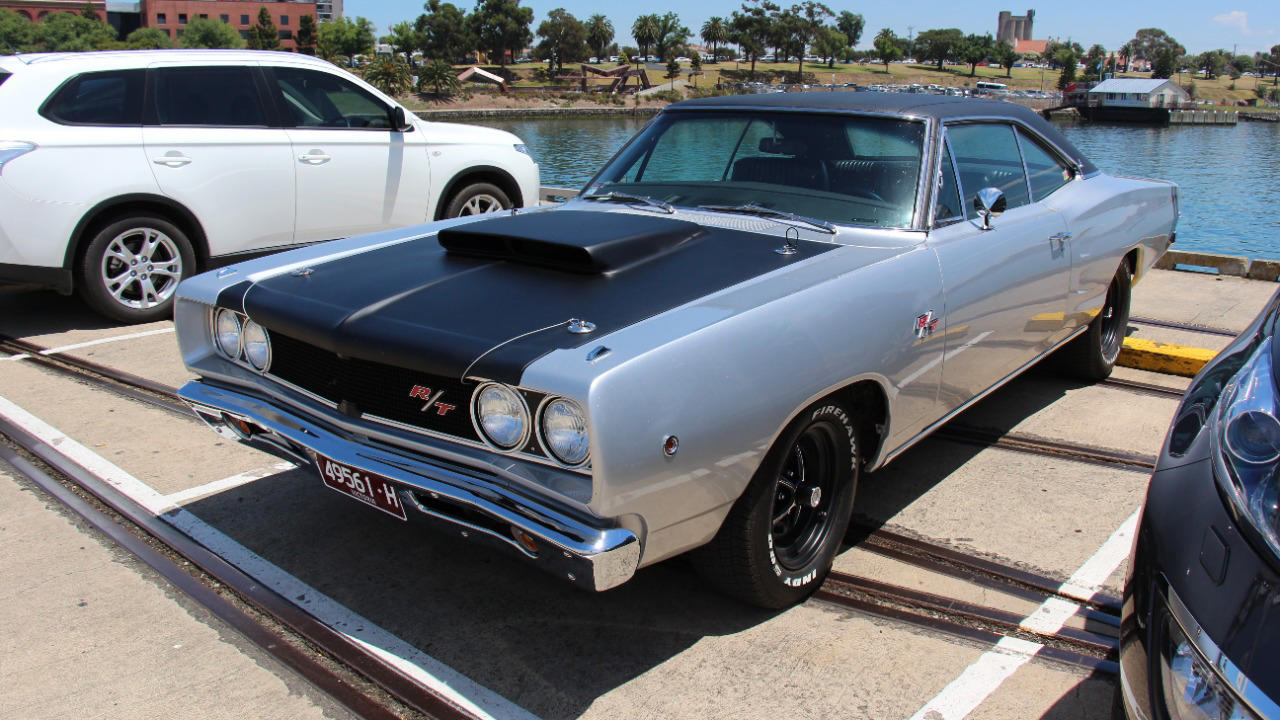
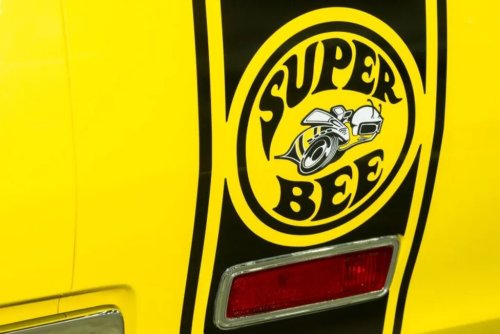
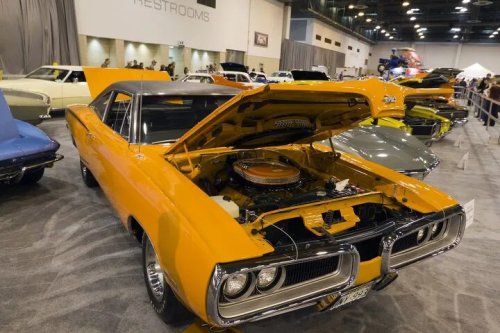
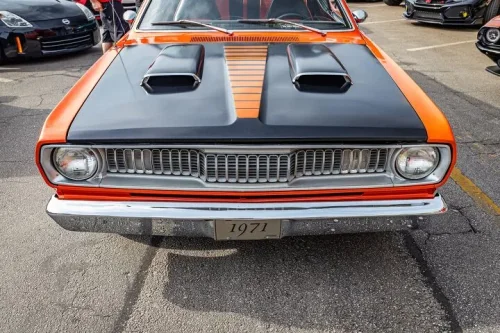
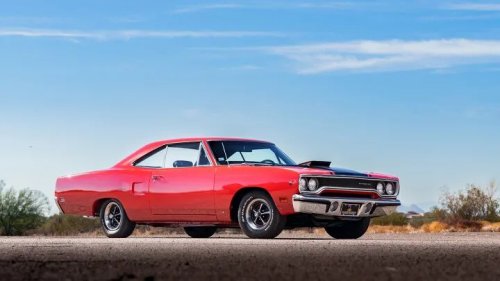
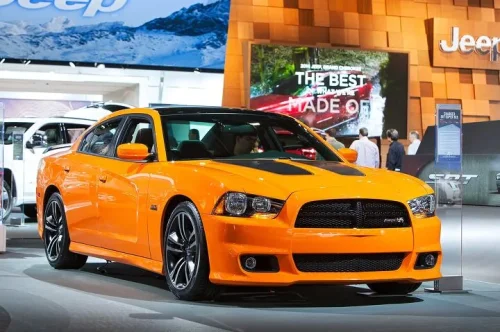
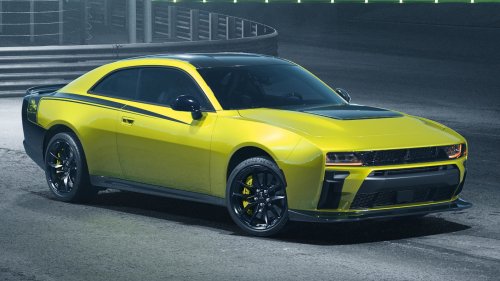
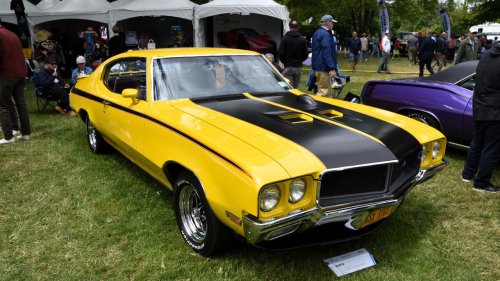
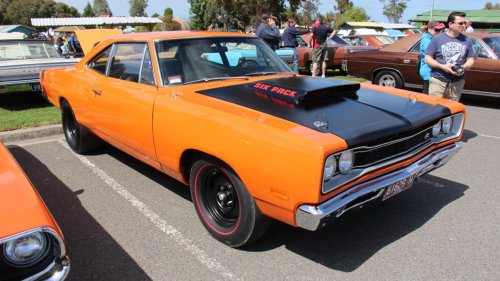
The Super Bee delivered big performance without the big price tagThe Dodge Super Bee arrived in the late 1960s with a simple promise: big power for buyers who could not afford the flashiest showroom toys. Built from mainstream Dodge hardware and stripped of unnecessary frills, it delivered serious quarter-mile performance without the luxury-car price. That value-first formula turned the Super Bee into one of the purest expressions of working-class American muscle. A budget bruiser with a sting The original 1968 Dodge Super Bee was introduced as Dodge’s affordable entry into the booming muscle car market, an answer to rising demand for straight-line speed on a blue-collar budget. Period descriptions of the 1968 Dodge Super stress that it was deliberately positioned as Dodge’s low-priced, high-performance option among late 1960s Mopar muscle cars. Rather than invent an all-new platform, Dodge started with the mid-size Coronet and focused spending on the engine bay, driveline, and a handful of visual cues that signaled intent. Marketing around Jan and other enthusiasts has since framed Jan’s era of the Dodge Super Bee as a car “born to deliver power and performance without breaking the bank.” That theme runs through modern writeups that call Dodge Super Bee a legendary muscle car precisely because it balanced serious acceleration with a sticker price that put V8 thrills within reach of younger and less affluent buyers. The car did not chase luxury appointments or cutting-edge technology; it chased bragging rights at the drag strip and stoplight. That value orientation was not accidental. Dodge already sold the more upscale Coronet R/T, so the Super Bee filled a gap underneath it, a place where buyers would accept bench seats and simpler trim if it meant more engine for the money. The strategy mirrored what Plymouth had done with the Plymouth Road Runner, and Dodge leaned into the same formula of cartoon bee graphics, bright colors, and stripped-back interiors that put personality ahead of polish. Shared bones, cheaper bite To keep costs in check, Dodge borrowed heavily from existing components. The Super Bee was essentially a rebadged version of the Plymouth Road Runner, sharing much of its structure and drivetrain. Market guides describe how Dodge and the overlapped, with the Super Bee marketed as Dodge’s low-priced powerful muscle car. This parts-bin approach meant Dodge could offer big-cube engines and heavy-duty hardware without the expense of bespoke engineering. Later references to the car’s lineage show that the Dodge Super Bee name even migrated beyond its original Coronet roots, appearing on other platforms such as the Charger and Valiant in different markets. That flexibility underlines how the badge came to represent a formula more than a single body shell: take a mainstream Dodge, bolt in serious power, add distinctive stripes and bee logos, and keep the price lower than the premium muscle offerings. Contemporary descriptions of the late 1960s and early 1970s Super Bee emphasize its straightforward character. The Super Bee was a classic muscle car built for straight-line speed, with high-impact colors, bold graphics, and a focus on drag racing rather than corner carving. Enthusiast accounts highlight how The Super Bee used loud exhaust, big V8 engines, and simple interiors to deliver thrills instead of chasing the more refined handling and comfort that some competitors began to emphasize. Engines that made the value case The heart of the Super Bee story lives under the hood. The model is closely associated with big-block Chrysler V8s, particularly the 383 and the legendary Hemi options. Profiles of original cars describe how Internals were strong, with a drop-forged crank and rods, and how Dodge and Plymouth rated this 383 at 335 horsepower at 5200 rpm and 425 lb-ft of torque. That specification for the 383 big-block package illustrates why the car felt so potent relative to its price. For buyers who wanted the ultimate bragging rights, Dodge offered the fabled Hemi. Coverage of the 1968 Dodge Super Bee 426 Hemi V8 describes that engine as one of Mopar’s most legendary muscle car powerplants, famous for its hemispherical combustion chambers. The highlight of that model was the optional 426 Hemi, which turned the Super Bee into a serious threat at any drag strip. Although the Hemi option raised the price and was far rarer than the 383, the very existence of such a package on a relatively bare-bones car reinforced the model’s performance-first identity. Even the more common 383 Magnum combinations made a strong case for value. Enthusiast stories about a Dodge Coronet Super Bee equipped with a 383 Magnum and 4-speed manual describe a car that could run hard yet still serve daily-driver duty. The Super Bee was a more affordable alternative to some of its Dodge Coronet Super Bee competitors like the Chevelle, particularly when buyers skipped luxury extras and focused on the drivetrain. That balance of usable power and attainable pricing helped cement the car’s reputation as the working person’s muscle machine. Design that shouted, interior that saved money On the outside, the Super Bee did not try to hide. The car wore bright paint, cartoon bee badges, and bold stripes that made it instantly recognizable. Accounts of late 1960s and early 1970s examples describe high-impact colors and a bold design that set The Super Bee apart from other vehicles. The combination of dual hood scoops, red or contrasting stripes, and simple steel wheels with dog dish hubcaps created a look that was both aggressive and unpretentious. A standout example comes from a feature on a 1970 Dodge Super Bee, which is described as a classic American muscle car whose styling made a statement from every angle. Enthusiast commentary on the 1970 Dodge Super highlights how its bolder front fascia and graphics evolved the original look while keeping the same no-nonsense attitude. Inside, cost control was obvious. Descriptions of the Super Bee interior point to basic gauges, bench seats in many cars, and few luxuries. Some examples added bucket seats and a center console, but the overall cabin remained simple and functional. The focus stayed on providing the most horsepower for the least amount of money rather than on delivering a plush driving environment. That stripped-back approach also made the car lighter, which only helped performance. Modern overviews of the model’s history emphasize that this combination of aggressive styling, performance hardware, and limited frills is what turned the Super Bee into a treasured piece of automotive history. One such Historical Overview of the Dodge Super Bee points to its distinctive styling and performance enhancements as the core of its appeal, especially when compared with more luxurious or complex rivals. The working man’s muscle car Contemporary enthusiasts often refer to the 1969 Dodge Super Bee as the working man’s muscle car, a phrase that captures both its mission and its audience. A widely shared short video describes the 1969 Dodge Superbeat Dodge as “Dodge’s answer to affordable, high performance,” emphasizing that it was not fancy, not subtle, and very much focused on pure, raw Detroit power. That framing reflects how buyers in the late 1960s could walk into a Dodge showroom and order serious performance without needing a sports car budget. Historical analysis of the 1968 and 1969 Super Bee models notes that the car arrived just as Dodge launched a redesigned B-body platform. Commentators who are Focusing solely on Dodge describe how the timely release of the Super Bee coincided with the debut of that new structure, which gave the car modernized styling and packaging advantages compared with earlier mid-size models. The Super Bee slotted beneath its more upscale brother, the Coronet R/T, and attracted buyers who wanted similar straight-line performance with fewer creature comforts and a lower monthly payment. Family stories from original owners back up that positioning. One profile of a 1970 Super Bee owned since new recounts how the car served as the coolest family car in the neighborhood, doing school runs during the week and stoplight sprints on weekends. That dual identity, both practical and wild, was possible only because the Super Bee started as a regular mid-size sedan or coupe and then layered on performance parts rather than the other way around. From budget hero to collectible prize Ironically, a car created to be cheap speed has become a prized collectible. Market data on rare American muscle cars shows how values have climbed, especially for limited-production or high-spec examples. One analysis of Collector market trends for rare American muscle cars notes that While the Rebel Machine averages $53,300 in good condition, values for some rarer models have dipped or surged depending on originality and options. Within that context, Hemi-equipped Super Bees and exceptionally preserved cars have achieved record sums at auction, a far cry from their original role as bargain bruisers. Broader guides that track the Dodge Super Bee across generations show how the name has been revived for modern performance packages. A recent overview of Fifth Generation Super Bee Prices and Value Over the Years points out that the 2023 Dodge Charger Super Bee had a starting price of $61,805, a figure that reflects both inflation and the way performance has moved upmarket. That Dodge Charger Super package leans on the heritage of the original, but it sits in a very different price and technology bracket, with modern electronics, safety systems, and comfort features that would have been unthinkable in 1968. At the enthusiast level, individual cars tell the story of rising appreciation. A detailed account of a restored 1969 Dodge Super Bee describes a comprehensive, no-expense-spared rebuild that turned the car into a showpiece. The fact that owners are willing to invest heavily in restorations of what began as budget models illustrates how cultural value has overtaken the original cost-cutting mission. The Super Bee has moved from cheap thrill to cherished artifact. Why the Super Bee formula still resonates Looking back, several elements explain why the Super Bee continues to attract attention from collectors and younger fans alike. First is the clarity of its mission. The car was created to deliver as much straight-line performance as possible at a price that ordinary buyers could reach. By focusing spending on engines like the 383 and 426 Hemi and trimming back interior and cosmetic luxuries, Dodge offered a package that felt honest and purposeful. Second is the personality baked into the design. High-impact colors, cartoon bee logos, and bold stripes gave the car a playful image that contrasted with the more serious, upscale tone of some competitors. Photographs and descriptions of cars like the gloss black Dodge Coronet Super Bee with a red interior, bench seats, Ramcharger hood, black steelies, dog dish hubcaps, redline tires, and a red Bee stripe show how much visual drama Dodge achieved with relatively simple ingredients. The Super Bee became a rolling statement that its owner cared more about fun than formality. More from Fast Lane Only Unboxing the WWII Jeep in a Crate 15 rare Chevys collectors are quietly buying 10 underrated V8s still worth hunting down Police notice this before you even roll window down




















 +37 others