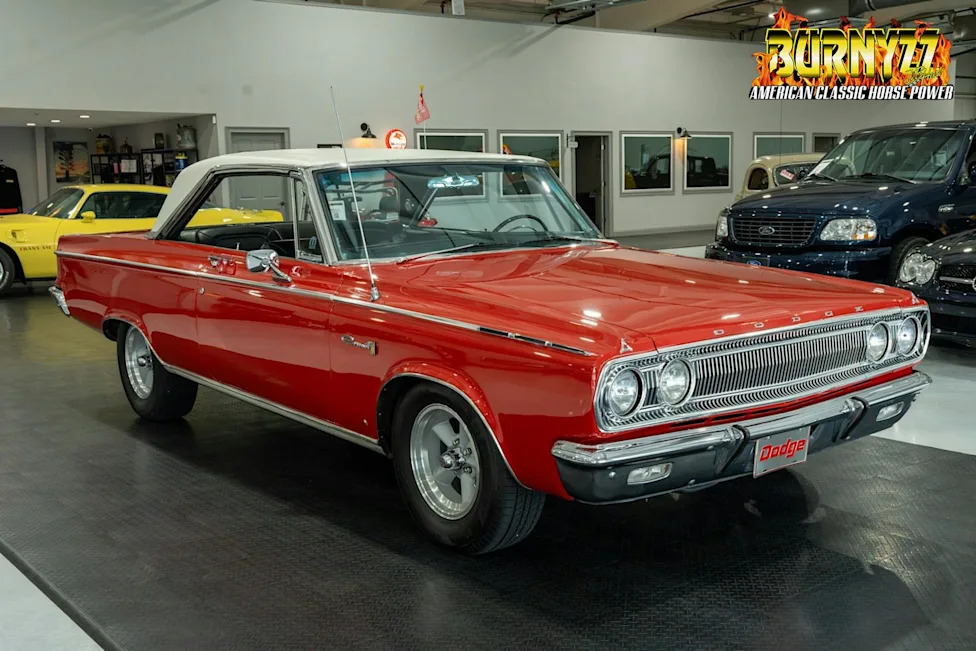
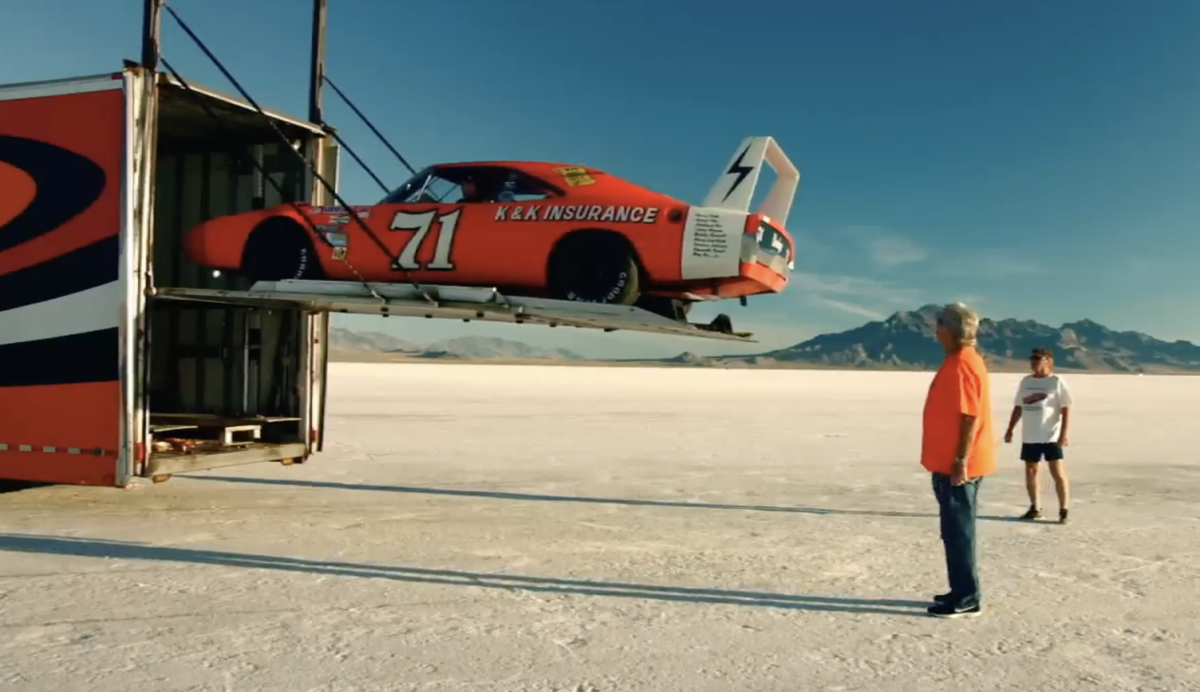
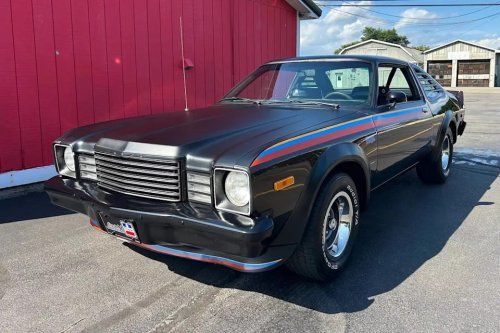
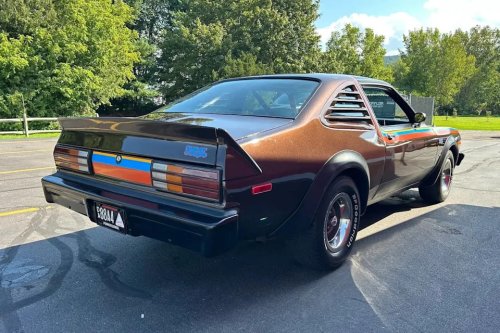
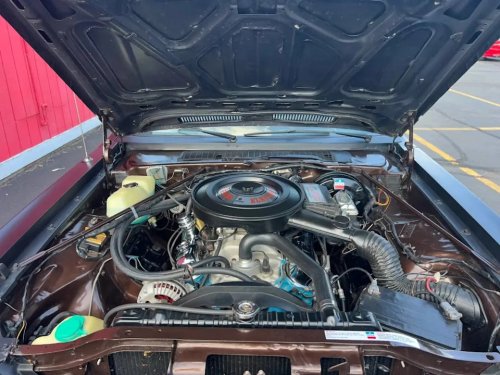
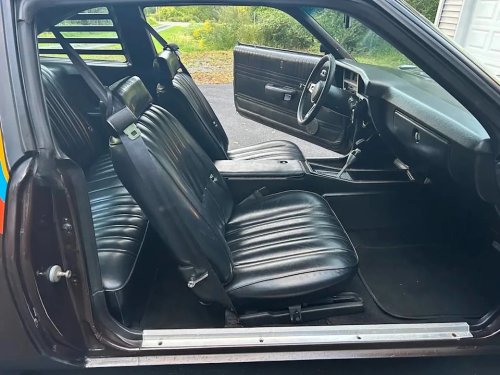
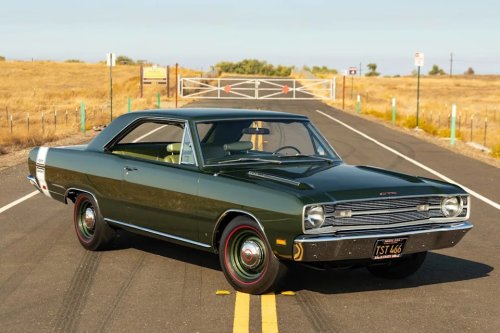
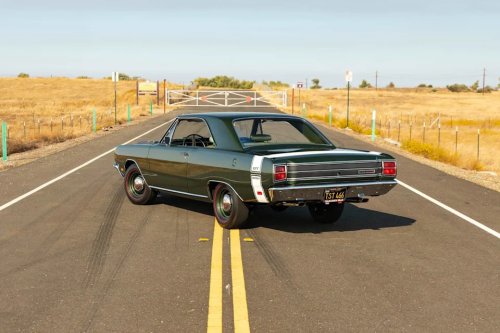
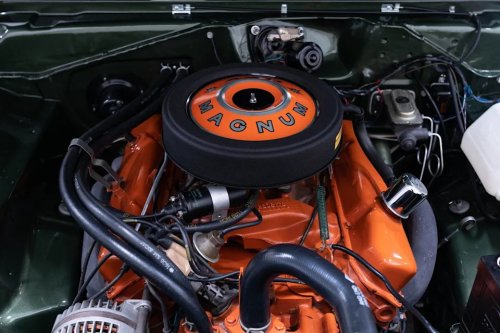
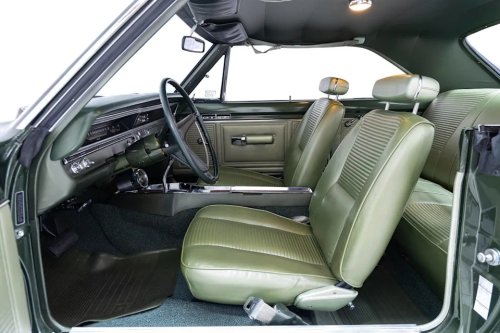
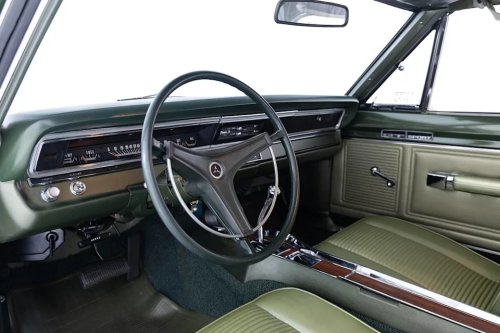
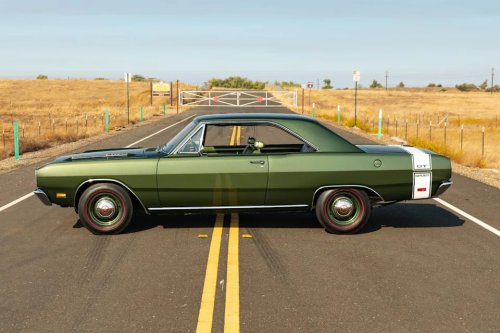
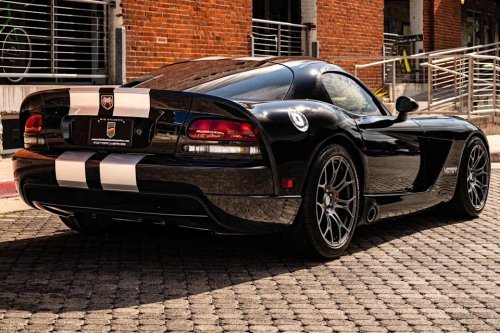
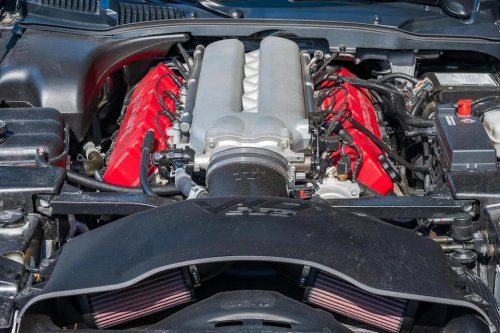
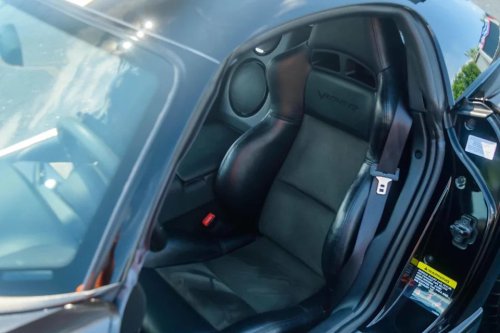
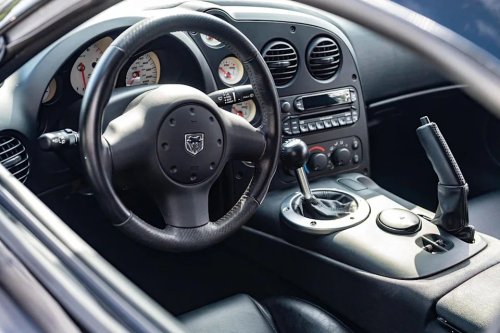
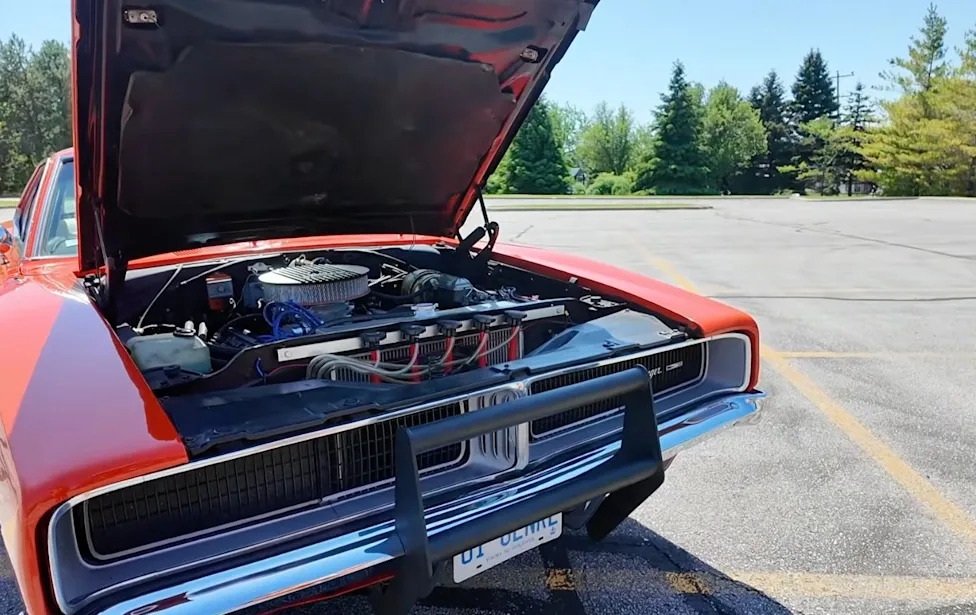
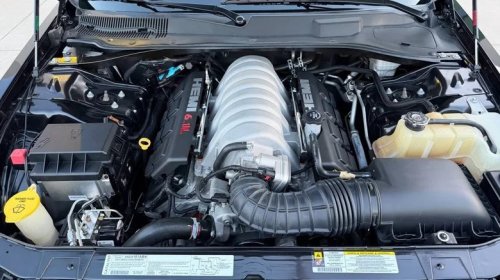
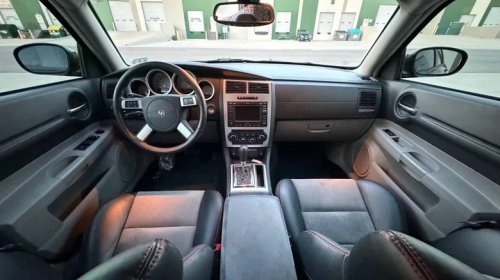
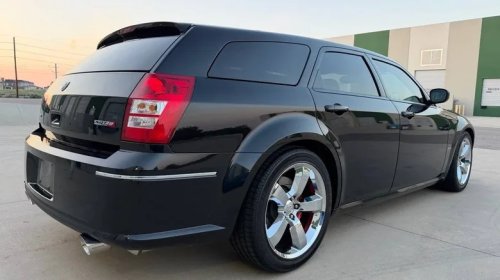
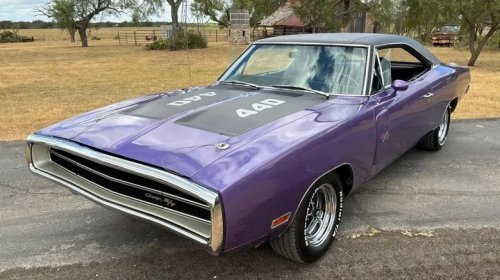
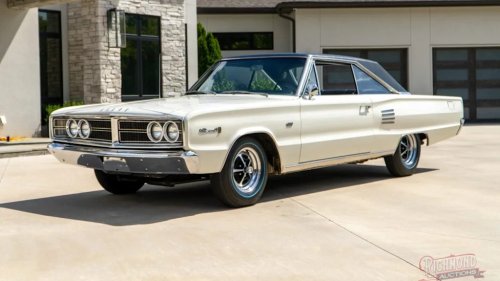
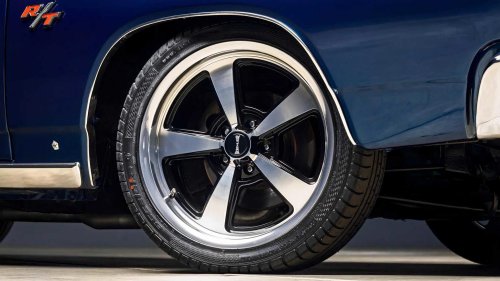
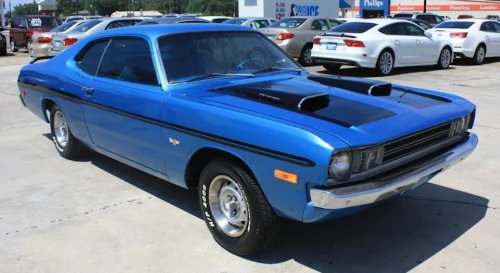
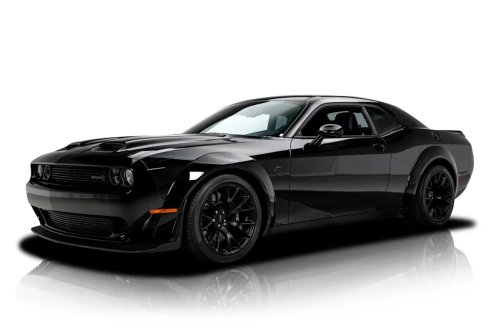
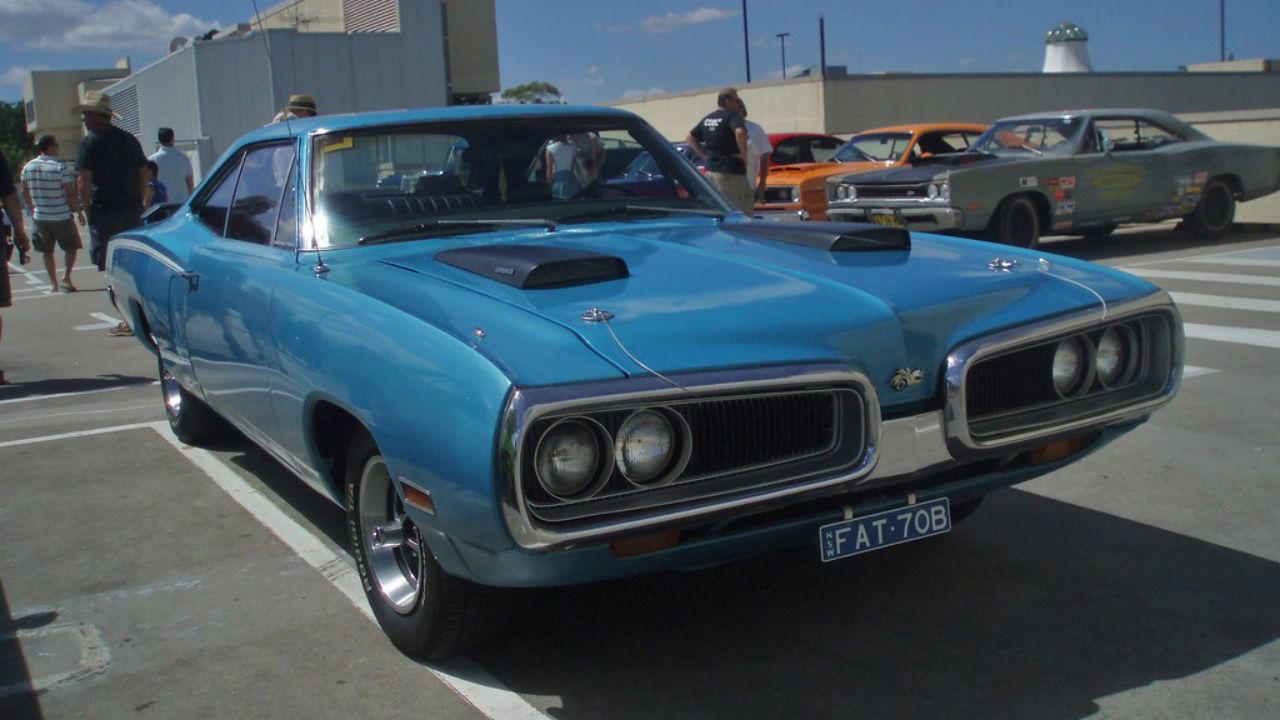
Dodge’s 1970 Super Bee packed big-block power and ran low 13s in stock formThe 1970 Dodge Super Bee emerged as a formidable player in the muscle car arena, boasting impressive big-block power and performance that allowed it to run low 13-second quarter miles straight out of the factory. With its raw horsepower, striking design, and an undeniable presence on the road, the Super Bee captured the hearts of car enthusiasts and collectors alike. In this article, I will explore the specifications, design, and legacy of this iconic vehicle, delving into what makes the 1970 Super Bee a standout model in automotive history. The Muscle Car Era: Context and Evolution The late 1960s and early 1970s marked a golden age for the muscle car phenomenon, characterized by high-performance vehicles that appealed to a youthful demographic seeking excitement and power. During this time, American manufacturers competed fiercely, each striving to outdo the others with innovative designs and formidable engines. The market was dominated by key players such as Chevrolet with its Chevelle SS, Ford with the Mustang and Torino, and Pontiac with the GTO. Each manufacturer offered distinct options that catered to the desires of speed and style. The Dodge Super Bee was introduced in 1968 as a performance-oriented version of the Dodge Coronet. By 1970, it had cemented its place in the Dodge lineup, appealing to those who craved a no-frills muscle car experience. The Super Bee’s aggressive styling and powerful engine options were designed to attract a younger audience looking for a thrilling driving experience without breaking the bank. As a result, it stood out in a crowded market, embodying the essence of the muscle car era. Engine Specifications and Performance The 1970 Dodge Super Bee was available with two big-block engine options: the 383 cubic inch V8 and the more potent 440 cubic inch V8. The 383 engine produced a staggering 335 horsepower and 425 lb-ft of torque, while the 440 engine cranked out an impressive 375 horsepower and 480 lb-ft of torque. This combination of power and torque translated into exhilarating performance, with the Super Bee capable of sprinting from 0 to 60 mph in just under 6 seconds and completing the quarter mile in the low 13-second range—an impressive feat for a car of its time. When comparing the Super Bee to its competitors, it becomes evident how it held its ground. The Chevrolet Chevelle SS with the 396 engine offered comparable performance, but the Super Bee’s big-block engines provided a unique blend of power and reliability. The Pontiac GTO, another muscle car legend, similarly matched the Super Bee in horsepower but often fell short in torque, which made the Dodge a preferred choice for many performance enthusiasts. The Super Bee proved that it was not just another muscle car; it was a force to be reckoned with on the drag strip. Design and Aesthetics The exterior design of the 1970 Super Bee is one of its most striking features. The elongated body, bold lines, and muscular stance exuded confidence and power. Available in a range of colors, including the iconic Plum Crazy Purple and Hemi Orange, the Super Bee was often adorned with distinctive graphics and decals that added to its aggressive look. The front grille featured a unique design, with the signature “Bee” emblem prominently displayed, further enhancing its identity as a performance vehicle. Inside, the Super Bee offered a driver-focused cockpit that combined comfort with functionality. Optional bucket seats provided excellent support during spirited driving, while the dashboard featured clear gauges for monitoring vital engine parameters. Technology was relatively simple compared to modern standards, yet it included essential features like an AM radio and optional air conditioning. The minimalist interior design reflected the car’s focus on performance over luxury, making it appealing to purists who cherished the raw driving experience that the Super Bee delivered. Engineering Innovations The engineering behind the 1970 Super Bee was a blend of tried-and-true methods and innovative features. The car was built on the Chrysler B-body platform, which offered a solid foundation for performance. Its suspension system was engineered for improved handling, featuring heavy-duty shocks and springs that provided a sportier ride compared to its predecessors. The addition of front disc brakes (optional on the base models) improved stopping power, ensuring that the Super Bee could handle its own when it came to both acceleration and deceleration. Transmission options included the TorqueFlite automatic and a four-speed manual, allowing drivers to choose their preferred driving style. These engineering choices contributed to a driving experience that was both thrilling and responsive. Furthermore, safety regulations of the time began to influence design, leading to the incorporation of features like energy-absorbing bumpers and improved structural integrity. While performance was a priority, Dodge also recognized the importance of safety in its engineering philosophy. The Super Bee’s Performance in Stock Form The stock performance of the 1970 Super Bee was nothing short of impressive. With its big-block engines, the car consistently delivered acceleration that left its competitors in the dust. Acceleration tests showed that the Super Bee could complete the quarter mile in the low 13-second range, making it one of the fastest muscle cars available at the time. Top speeds were reported to be in the range of 120 mph, showcasing its capability on the highway as well as the drag strip. Real-world testing results further solidified the Super Bee’s reputation as a performance powerhouse. Owners and auto enthusiasts have shared personal accounts of their experiences, often describing the adrenaline rush that accompanies the roar of the big-block engine. Comparisons with other muscle cars of the era reveal that the Super Bee held its own against the likes of the Ford Mustang and Chevrolet Camaro, often outperforming them in stock form. These firsthand experiences contribute to the enduring legacy of the Super Bee among muscle car aficionados. The Super Bee in Popular Culture The 1970 Dodge Super Bee has made its mark on popular culture, featuring prominently in movies, television shows, and car enthusiast events. Its aggressive styling and powerful presence have made it a favorite among filmmakers and car enthusiasts alike. Iconic appearances in films such as “The Fast and the Furious” franchise and television shows have solidified its status as a symbol of American muscle. The Super Bee’s distinct look and performance have made it a staple at car shows and events, where it often draws crowds of admirers. Within the muscle car community, the Super Bee holds a special significance. It has become a symbol of performance and style, with clubs and events dedicated to celebrating its legacy. Collectors actively seek out well-preserved models, and restoration projects have become popular among enthusiasts looking to breathe new life into these classic machines. As the muscle car culture continues to thrive, the Super Bee remains a beloved icon, attracting new generations of fans who appreciate its history and performance. Collectibility and Market Value Today The current market for the 1970 Dodge Super Bee is robust, with prices reflecting its status as a classic muscle car. Depending on condition, originality, and rarity, Super Bees have been known to fetch impressive sums at auctions and private sales. Models in pristine condition with original components can command prices well into the six-figure range, while project cars or those in need of restoration can be more accessible for enthusiasts looking to own a piece of history. Several factors influence the collectibility of the Super Bee, including its engine options, color combinations, and production numbers. For instance, the rarer 440 engine models and those painted in vibrant colors tend to be more sought after. Restoration and preservation efforts have also increased interest in these vehicles, as enthusiasts work to maintain their classic charm while ensuring they perform as intended. The Super Bee’s legacy continues to grow, making it a worthwhile investment for collectors and a thrilling ride for those lucky enough to own one. Owner Stories and Experiences Talking to current owners of the 1970 Super Bee often reveals a deep passion and connection to their vehicles. Many enthusiasts share stories of how they acquired their Super Bees, whether through family connections or as a long-sought dream car. These personal narratives often highlight the emotional ties that develop over time, with owners relishing the opportunity to drive a piece of automotive history. Some recount thrilling moments at the drag strip, while others speak of the joy of cruising down scenic roads on sunny weekends. However, owning a vintage muscle car like the Super Bee comes with its challenges. Maintenance and restoration can require significant investment, both in terms of time and money. Owners often face decisions about whether to maintain originality or upgrade components for better performance. Despite these challenges, the camaraderie within the muscle car community provides a support network for enthusiasts. Meetups, shows, and online forums allow Super Bee owners to share tips, experiences, and a mutual appreciation for these remarkable machines. The passion for the Super Bee transcends generations, ensuring its place in the hearts of car lovers everywhere. More from Fast Lane OnlyUnboxing the WWII Jeep in a Crate15 rare Chevys collectors are quietly buying10 underrated V8s still worth hunting downPolice notice this before you even roll window down The post Dodge’s 1970 Super Bee packed big-block power and ran low 13s in stock form appeared first on FAST LANE ONLY.


















 +65 others