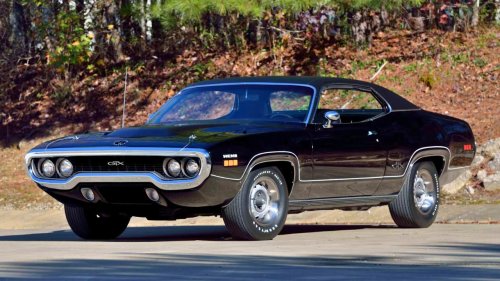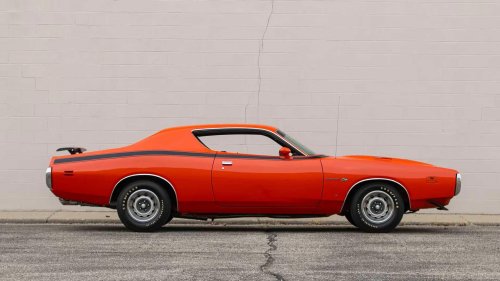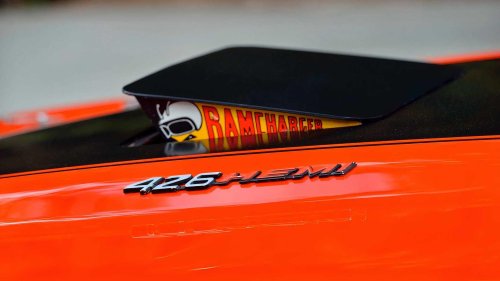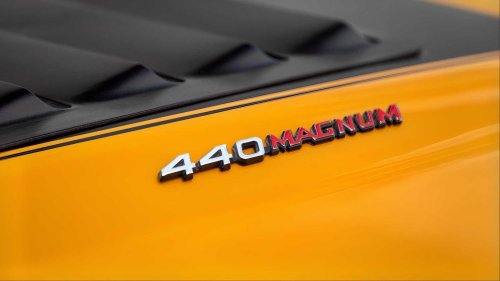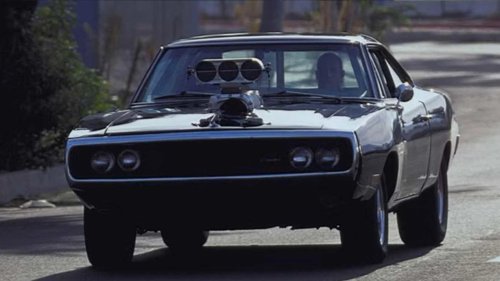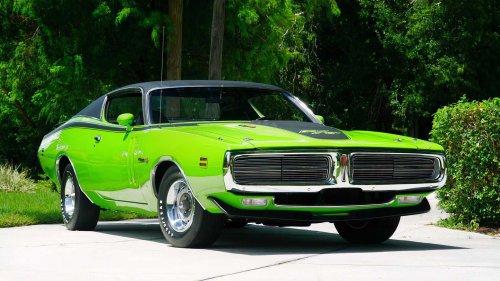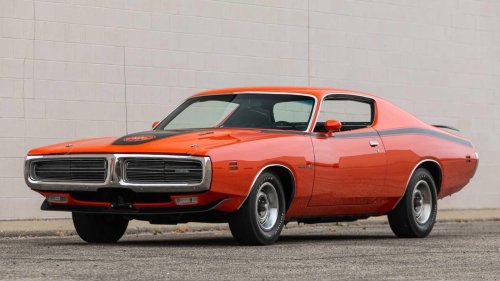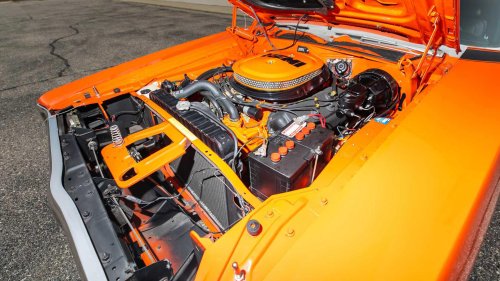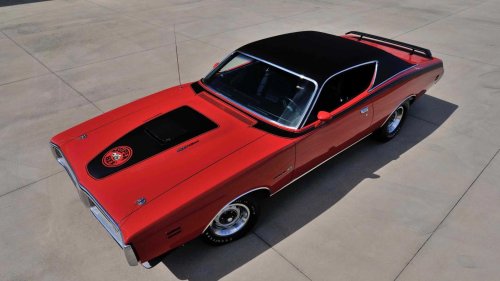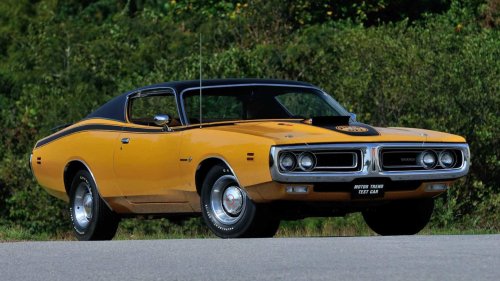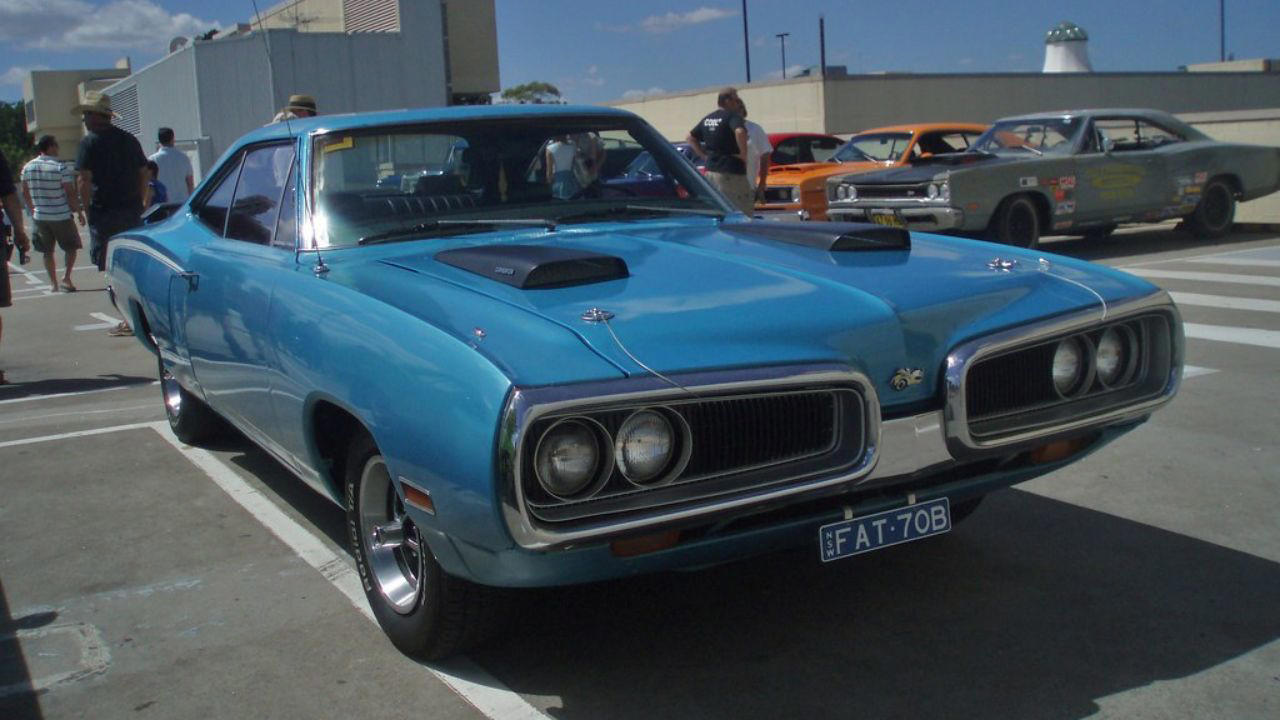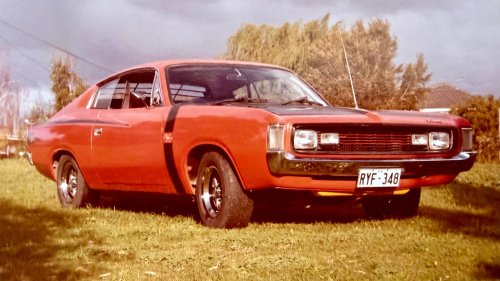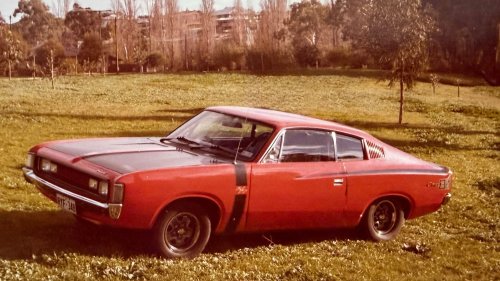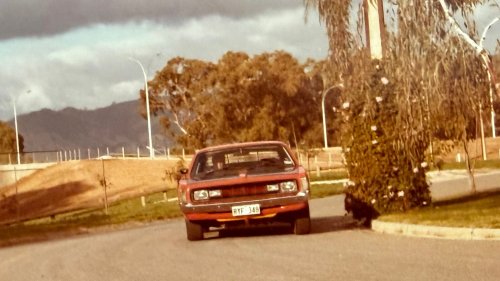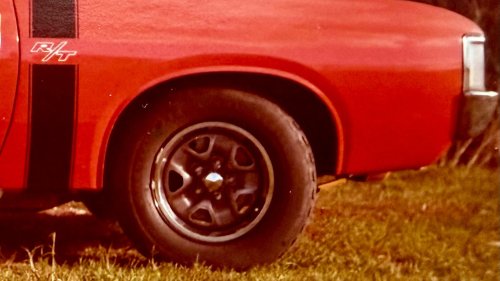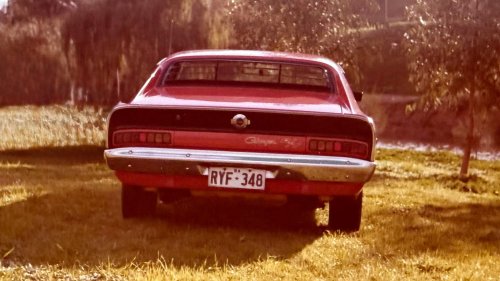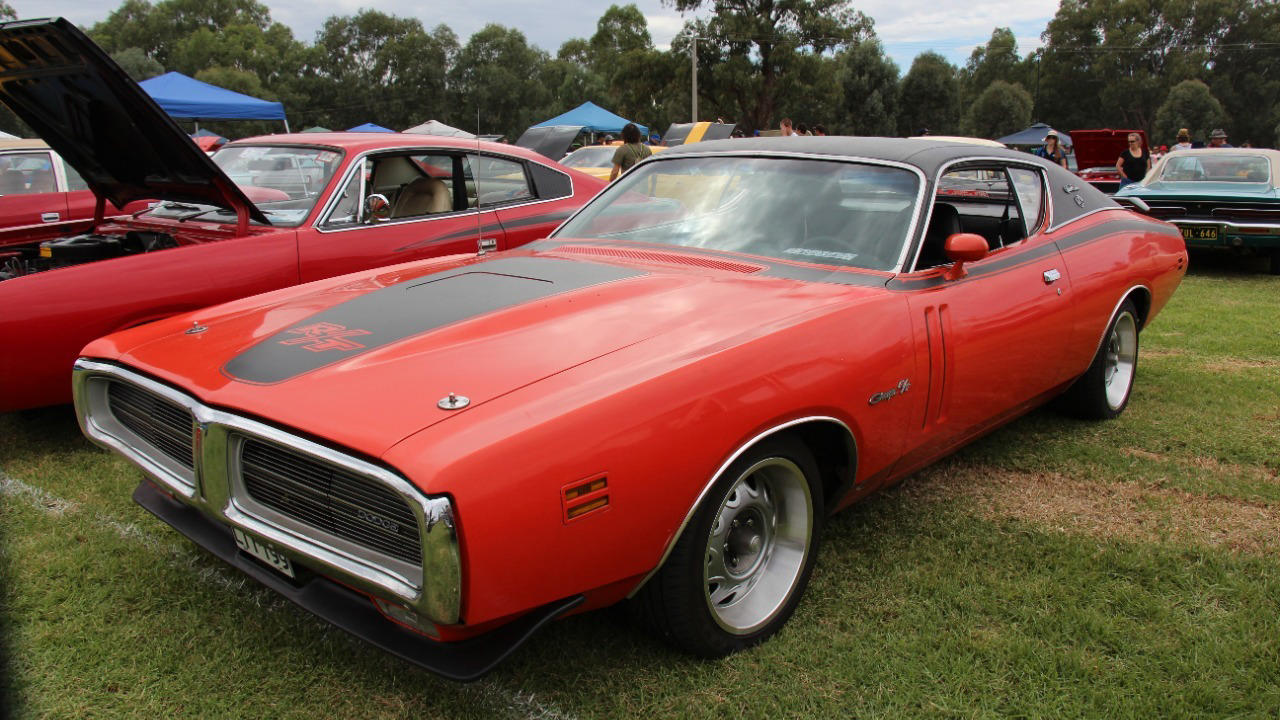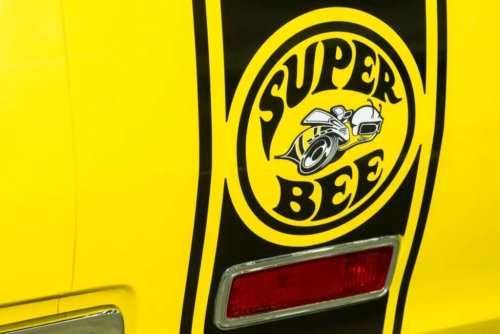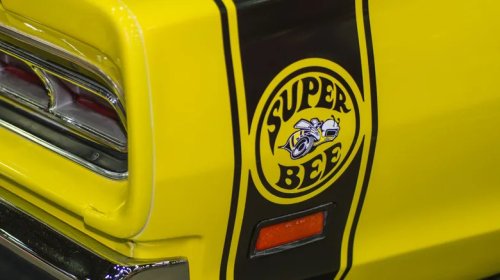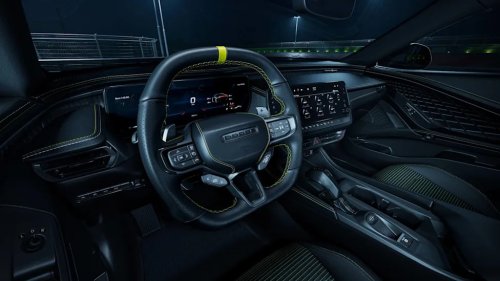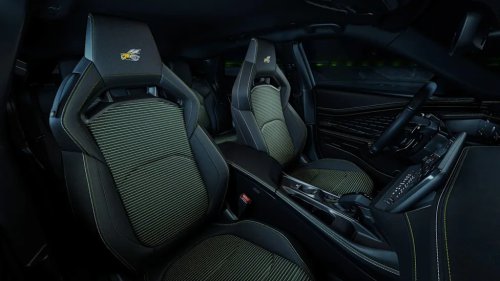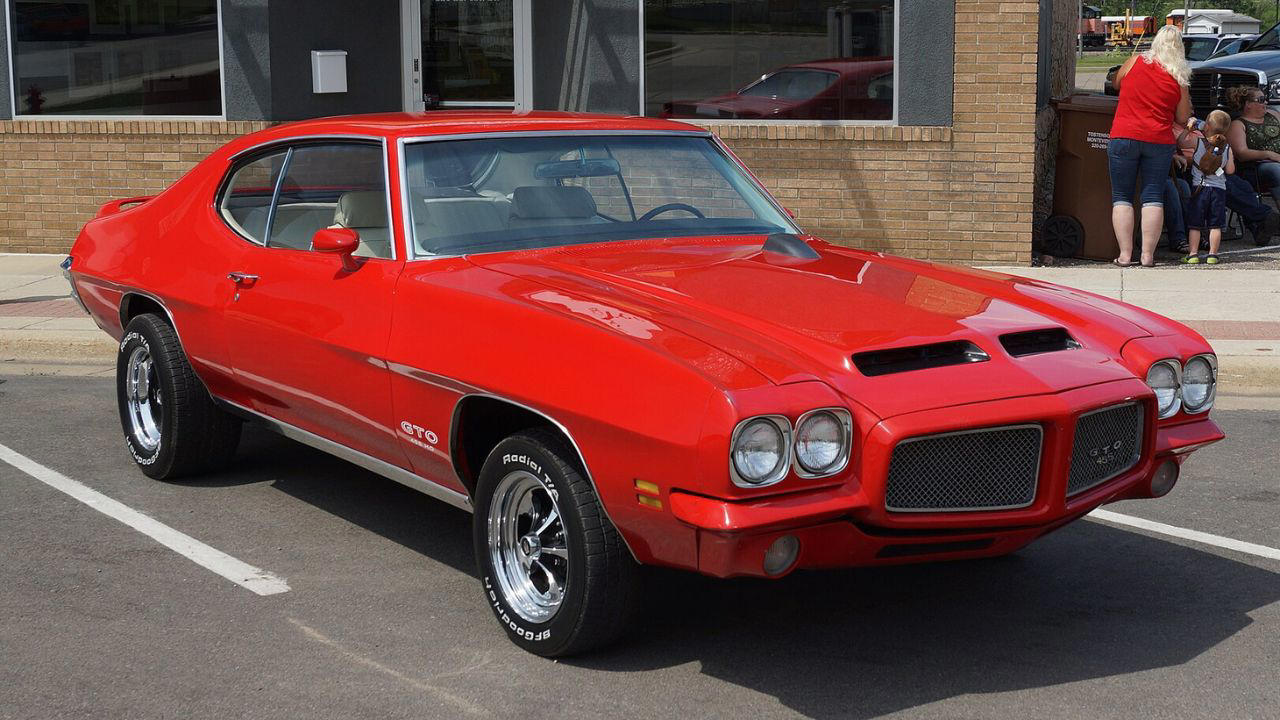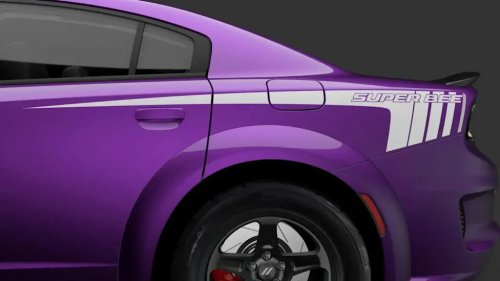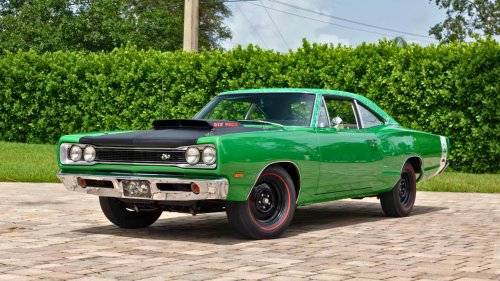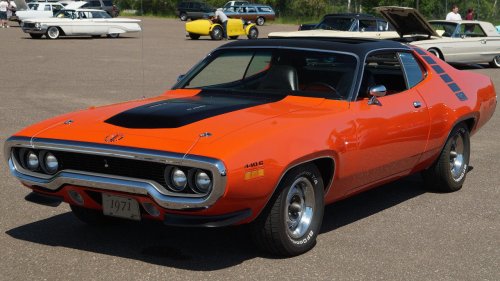
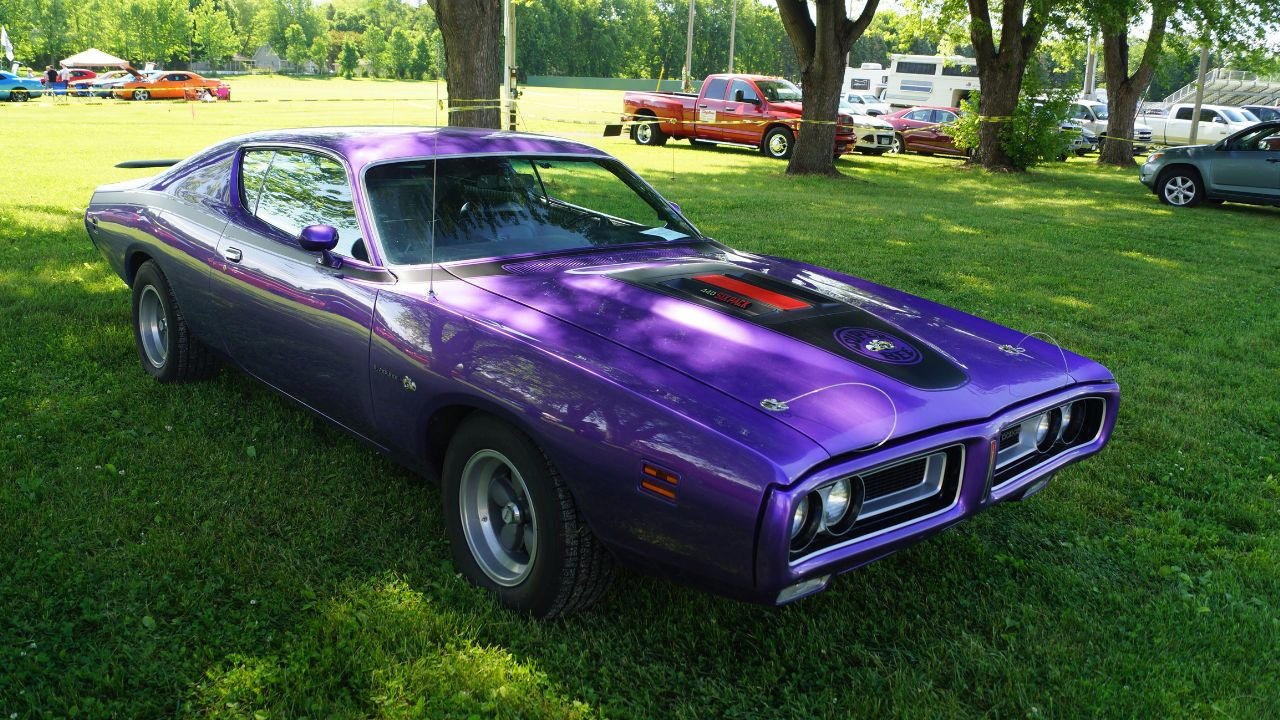




















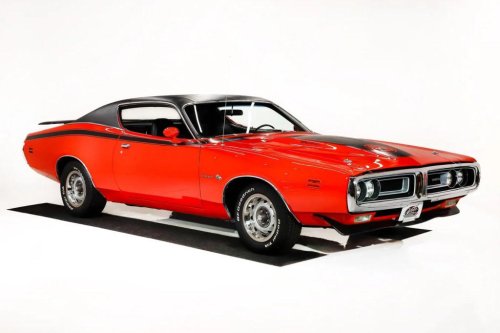
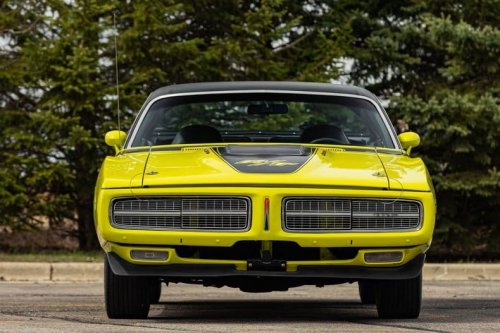
The 1971 Dodge Charger Super Bee holds a special place in automotive history as a muscle car that captured the essence of its era. With its powerful performance and unique design, it was a favorite among car enthusiasts and collectors. Known for its affordable price point and robust engine options, the Super Bee remains a standout model in the classic car world.Design and AestheticsThe transition from the Coronet to the Charger platform in 1971 marked a significant evolution for the Super Bee. This model embraced a more streamlined, aerodynamic shape, deviating from the previous boxier design. The shift to the Charger platform allowed for a more aggressive and sporty look, which resonated with the muscle car enthusiasts of the time. The 1971 Super Bee’s design changes were not only about aesthetics; they also improved the car’s performance and handling. One of the most distinctive styling features of the 1971 Charger Super Bee was the “ramcharger” hood, which added to its aggressive demeanor. The front grille was designed to be bold and intimidating, making a strong statement on the road. Signature Super Bee decals and badges further set this model apart from its competitors, creating an instantly recognizable look. The interior design also catered to the muscle car enthusiast, featuring a sporty dashboard and driver-focused ergonomics that enhanced the overall driving experience.Cultural Impact and PopularityThe 1971 Charger Super Bee was born during the height of the muscle car era, a time when American automakers were pushing the boundaries of performance and design. This period, spanning the late 1960s and early 1970s, was characterized by a fascination with speed and power, and the Super Bee embodied these qualities. The car quickly gained a following among enthusiasts who appreciated its blend of performance and affordability. Beyond its performance on the road, the Super Bee made appearances in popular media, further cementing its iconic status. Films and television shows of the era often featured muscle cars, and the Super Bee was no exception, appearing in various productions that celebrated its raw power and distinctive design. Today, the 1971 Super Bee is a highly sought-after model among classic car collectors, prized for its historical significance and enduring appeal.