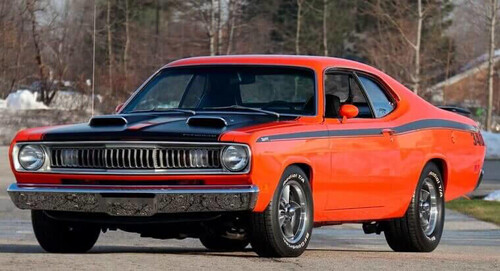
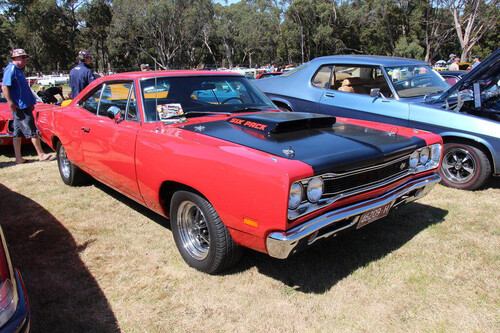
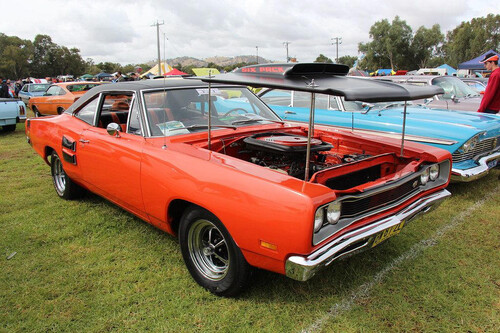
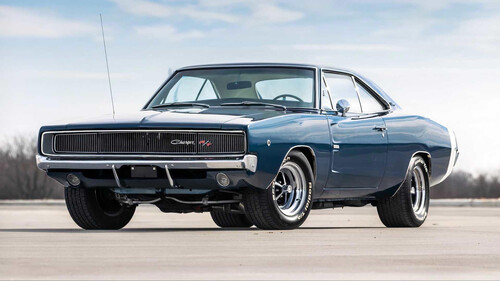
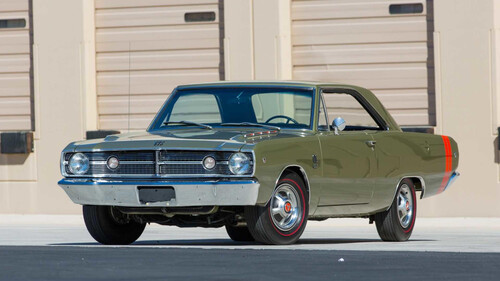
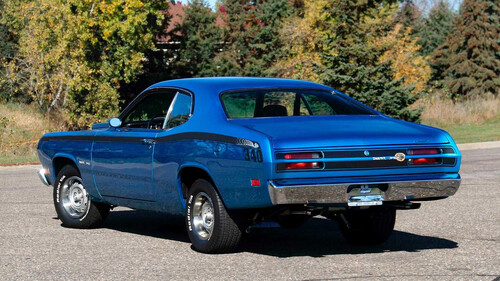
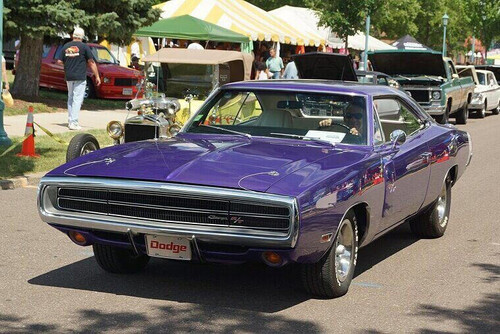
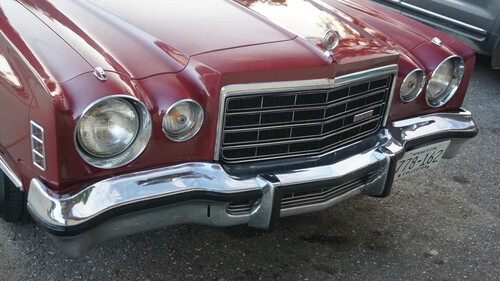
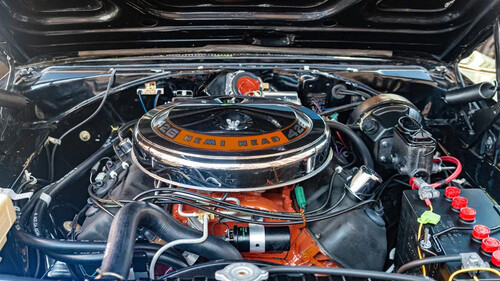
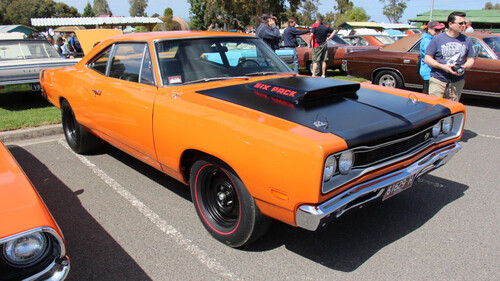
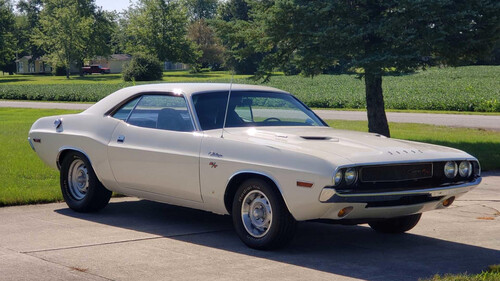
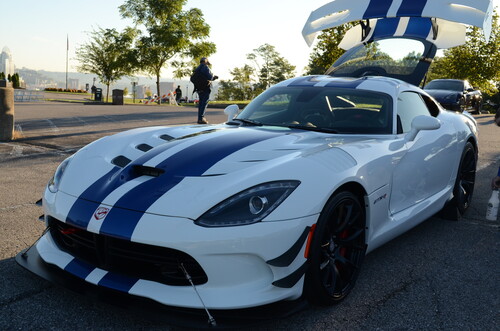
The 1970 Dodge Coronet Super Bee competed hard but stood in a crowded fieldThe 1970 Dodge Coronet Super Bee arrived at the peak of Detroit’s horsepower wars, armed with serious performance hardware and loud styling. It could run with the best of its era, yet it had to fight for attention in a showroom already packed with legends and in a market that was starting to drift away from bare-bones muscle. That tension between capability and competition still defines how enthusiasts see the car today. Seen from a distance of more than half a century, the 1970 Super Bee looks like a classic case of a strong player that happened to enter a very crowded field. It shared its bones with more glamorous siblings, chased the same buyers as the Plymouth Roadrunner, and tried to stay relevant just as insurance rates and fuel worries began to bite. The Coronet Foundation and the birth of the Bee The Super Bee story starts with the Dodge Coronet, the mid-size workhorse that provided the B-body platform. Chrysler engineers labeled these cars with a simple letter, and the name Super Bee was literally derived from the “B” Body designation used for models such as the Coronet. The idea was straightforward: take the solid, mid-size Dodge, strip out unnecessary frills, and bolt in big engines for drivers who cared more about quarter-mile times than chrome. By 1970, the formula had matured. The Dodge Super Bee was still built on the Coronet B-body platform, and contemporary descriptions present it as Dodge’s budget performance model that sat below the more upscale Charger. The car aimed at buyers who wanted American muscle without paying for extra luxury, a positioning that would become both its strength and its long-term challenge. Wild new styling for a changing year For 1970, the styling department gave the Dodge Coronet a front end that even period observers called “rather unique to say the least.” The new for 1970 nose used a twin-loop bumper that framed two separate grille openings, creating a sort of angry mask that still sparks debate among enthusiasts. On the Super Bee, that face was combined with bright graphics, bold colors and the cartoonish bee logos that telegraphed performance from across the parking lot. Fans today often single out the 1970 Dodge Super Bee as Mopar muscle at its boldest, loudest, and most aggressive, and built for speed. The twin-scooped hood, high-impact paint, and stripe packages pushed the Coronet shape as far toward street-racer attitude as the factory dared. For some buyers, it was exactly the kind of visual statement they wanted, while others preferred the cleaner lines of the Charger or the new Challenger, a split that would show up in the sales charts. Engines, hardware, and the Six Pack edge Under the sheet metal, the Super Bee delivered the sort of specifications that made late 1960s and 1970s muscle cars famous. Period descriptions of the 1970 Dodge Super Bee emphasize that it was Mopar muscle at its boldest, with engine choices that ranged from a stout 383 to more exotic options for serious racers. The most talked about configuration paired the Super Bee with the 440 Six Pack, a triple two-barrel carburetor setup that turned the car into a factory hot rod. Enthusiast coverage of the Dodge Super Bee highlights the way this package combined big-block torque with a relatively bare interior and minimal comfort options. The focus stayed on speed. Buyers could choose a four-speed transmission with the familiar “pistol grip” Hurst shifter, a combination that gave the Super Bee a direct, mechanical feel that still appeals to collectors. A strong rear differential and heavy-duty suspension completed the package, making the car a natural candidate for drag strip duty. Modern builds show how far that foundation can be pushed. One 1970 Dodge Coronet Super Bee used for drag racing features an engine bored .040 over, Edelbrock heads, a forged crank, and 14.5:1 compression, paired with a Dana rear differential and ladder bar coilover suspension. With a four-speed transmission and a “pistol grip” Hurst shifter, the Super Bee demonstrates how the original hardware lends itself to serious competition and how the basic Dodge Coronet Super Bee shape still has sporty appeal for racers. Production numbers and rarity Despite the focus on performance, the 1970 Super Bee never became a mass-market hit. A detailed museum description lists Production Numbers for the 1970 Super Bee at “Approximately 8,500 units,” a figure that immediately puts the car in rarer company than some of its rivals. Fewer of those cars were equipped with the most desirable engines and performance options, which adds another layer of scarcity for collectors chasing specific configurations. The same museum overview frames the 1970 Dodge Super Bee as a classic American muscle car that was part of Dodge’s performance lineup during the height of the muscle car era. It notes that the Super Bee moved to the Charger platform in 1971, which makes 1970 the final year for the Coronet-based version. That one-year styling and the relatively low production volume help explain why the car has become a prized collector’s item in recent years. Fighting for attention in its own showroom If the 1970 Super Bee struggled in the marketplace, a key reason sat just a few feet away on the same dealer floor. One original owner who later reflected on life with a 1970 Super Bee pointed to the second-generation Charger as a major factor in the car’s subdued sales. The Super Bee shared much of its mechanical package with the Charger, but the sleeker fastback body and more upscale image of the Charger drew in buyers who might otherwise have chosen the budget performance model. The Charger also developed a stronger presence in popular culture, which fed back into demand and, eventually, into collector values. Modern analysis of the collector market notes that, given that the two muscle cars are so similar underneath, it may seem odd that the Charger is worth so much more than the Coronet Super Bee. That gap reflects how styling and image can outweigh mechanical similarity when buyers decide which cars to chase decades later. Inside Dodge showrooms, the Super Bee also had to share space with the new Challenger. One enthusiast comparison of a 1970 Dodge Super Bee and a 1970 Dodge Challenger R/T lists the way the 1970 Super Bee received a new front end with a distinctive twin-loop bumper and emphasizes that the design of the 1970 Dodge Super Bee leaned hard into aggressive cues. Yet the Challenger offered a fresh pony car shape and captured a different kind of excitement. In a sea of Challengers and Chargers, the Super Bee moniker became something customers did not come across as often, even if it was yet another great creation from Dodge. Cross-town rivalry with the Plymouth Roadrunner The competition did not stop at Dodge’s own door. Across the showroom network, Plymouth was selling the Roadrunner, another stripped-down B-body muscle car that went after the same youth market. Commenters on an enthusiast discussion about the underappreciated Super Bee versus the Plymouth Roadrunner point out that Plymouth came out with the Roadrunner first and hit a home run with it as a low-buck muscle car that teenagers could afford. That early success gave Plymouth a head start in brand recognition that the Super Bee never fully overcame. Once the Road Runner posted impressive sales figures, Dodge had to respond quickly. Coverage of the period notes that once the Road Runner started showing what a bare-bones performance car could do in the marketplace, Dodge tweaked the Super Bee package to stay competitive. The two cars ended up sharing much of their hardware, but the Roadrunner kept the advantage of being the original low-price hero in the segment, which mattered when young buyers were choosing where to spend limited money. Writers looking back at the era say that Dodge was emboldened by the sales success of 1969 but was still losing the war against the Road Runner, which explains why the company pushed styling and options for 1970 in an attempt to grab attention. That pressure helps make sense of the radical Coronet front end and the louder graphics. Dodge needed the Super Bee to stand out in a market where the Plymouth Roadrunner had already become a star. Driving character and real-world use On the street, the Super Bee delivered the kind of experience that made owners loyal. The original owner, who described the 1970 Super Bee as the coolest family car in the neighborhood, used it as real transportation, not just a weekend toy. That story of a Super Bee doing school runs and highway trips while still serving as a local stoplight hero captures the dual nature of the car. It was both a practical Coronet and a serious performance machine. Technical accounts emphasize that the 1970 Dodge Super Bee was a high-performance muscle car that packed a powerful punch. Built on the Dodge Coronet, the Super Bee combined relatively simple interiors with strong engines and heavy-duty drivetrains. The nameplate’s connection to the B-body platform meant it could carry passengers and luggage while still running hard at the strip, a balance that helped it earn a following among drivers who needed one car to do everything. Even scale model reviews of the 1969 and 1970 Super Bee highlight how the car’s identity is tied to the B-body architecture and to the Coronet itself. The Super Bee was never a standalone shape. It was always a hot-rodded version of the mid-size Dodge, which gave it a slightly more blue-collar image than the Charger or Challenger and may have limited its appeal to buyers who wanted something more glamorous. From overlooked option to collector favorite For years after production ended, the Coronet-based Super Bee sat in the shadow of its more famous relatives. Analysts of the collector market point out that, given the shared mechanicals with the Charger, the Coronet Super Bee has often been overlooked and priced lower, even though it offers similar performance. That relative bargain status attracted enthusiasts who cared more about driving than about resale values or television fame. At the same time, some commentators argue that the 1970 Dodge Super Bee gets top dollar in the collector market when equipped with the right options and in the right condition. Rare combinations, such as high-impact colors paired with a 440 Six Pack and a four-speed, can command strong prices because they combine low production numbers with maximum visual and mechanical drama. The fact that the 1970 model marked the final year of the Super Bee’s run on the Coronet platform also adds to its appeal, since collectors often chase last-of-the-line examples. Modern enthusiast pieces describe the Dodge Super Bee as the underrated muscle car classic that is still reasonably priced today compared with some rivals. That perception reflects the same market dynamics that shaped the car’s original sales performance. The Charger and the Roadrunner still draw more attention, which leaves room for informed buyers to seek out Super Bees that deliver similar thrills for less money. More from Fast Lane Only Unboxing the WWII Jeep in a Crate 15 rare Chevys collectors are quietly buying 10 underrated V8s still worth hunting down Police notice this before you even roll window down The post The 1970 Dodge Coronet Super Bee competed hard but stood in a crowded field appeared first on FAST LANE ONLY.