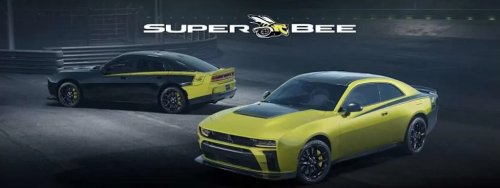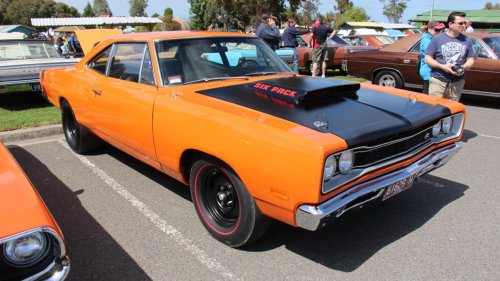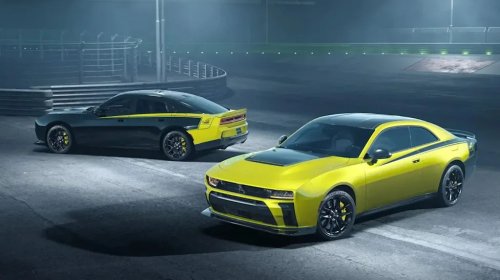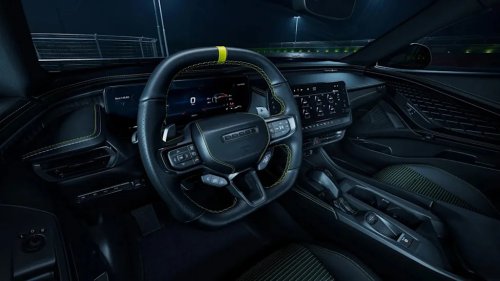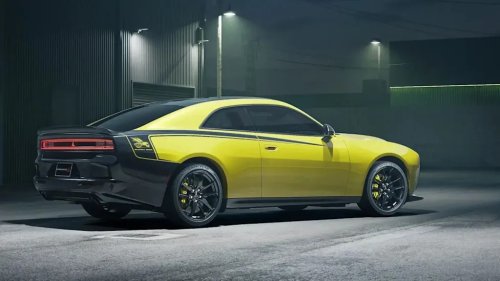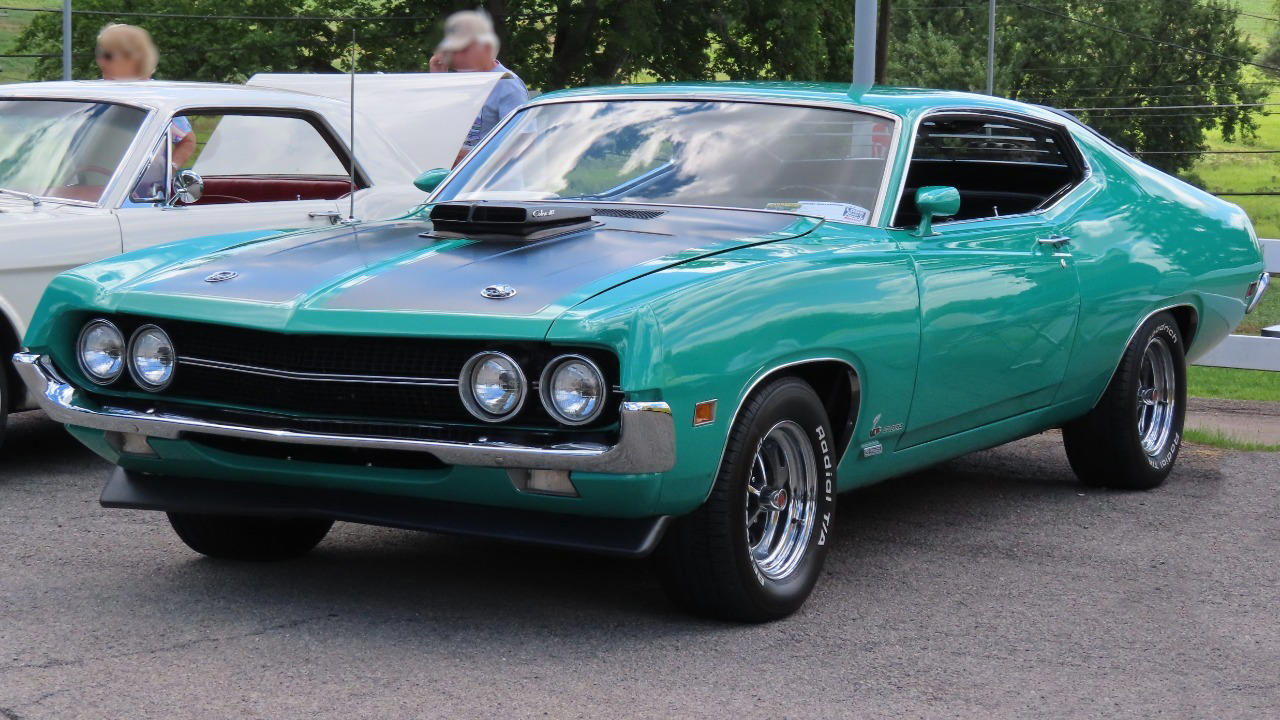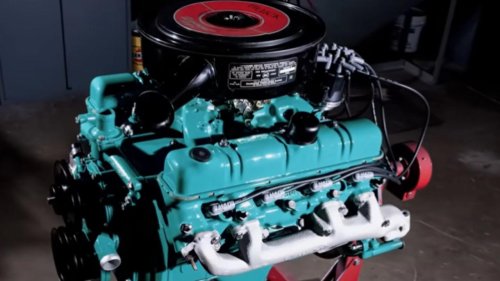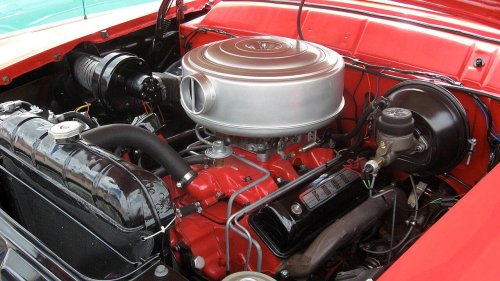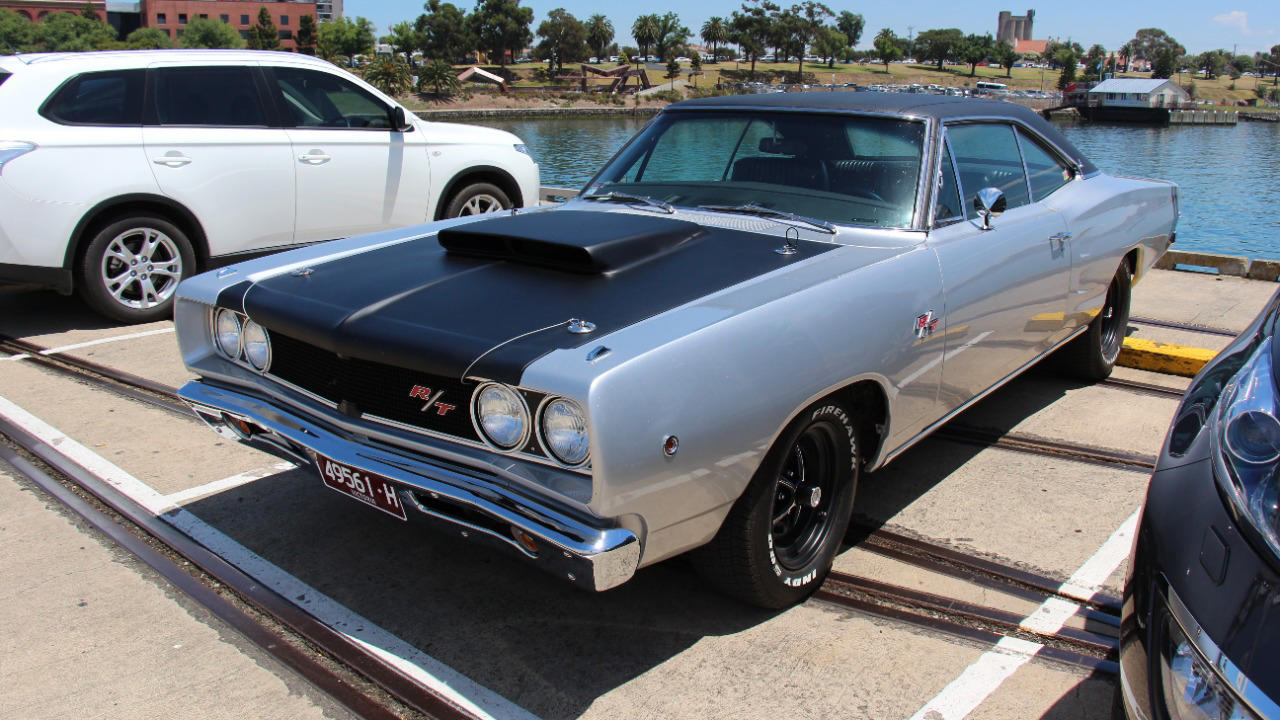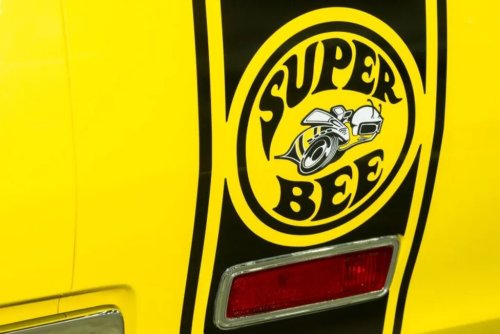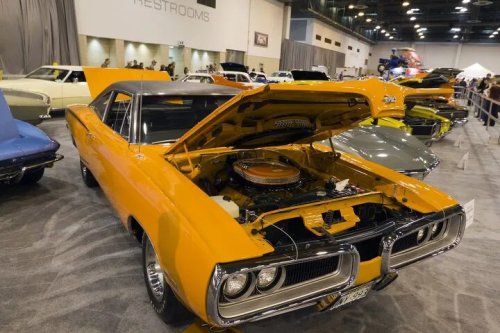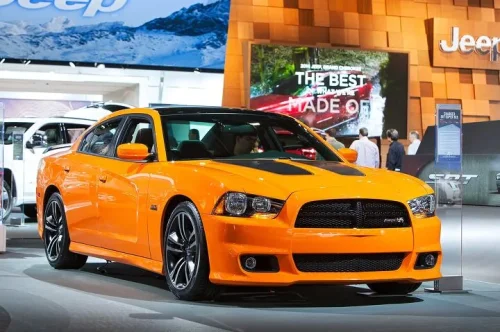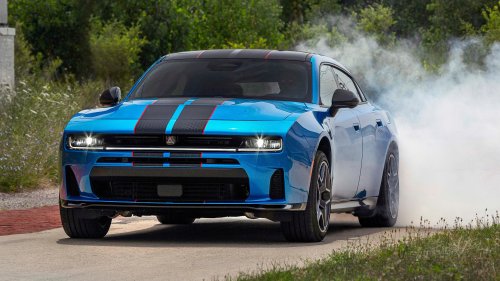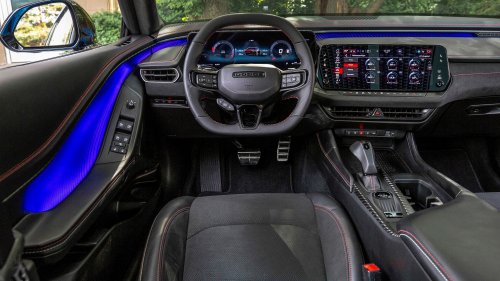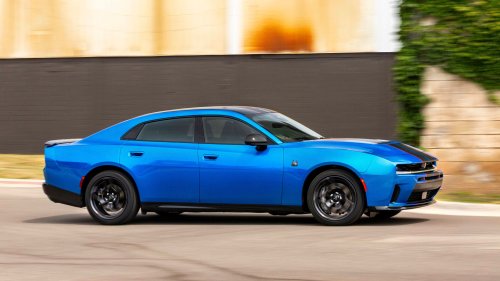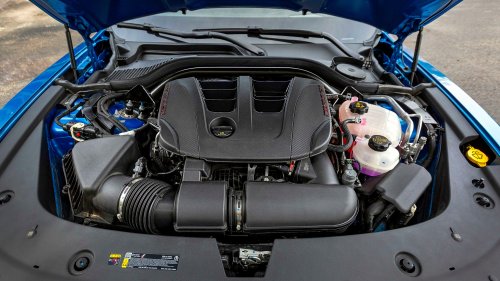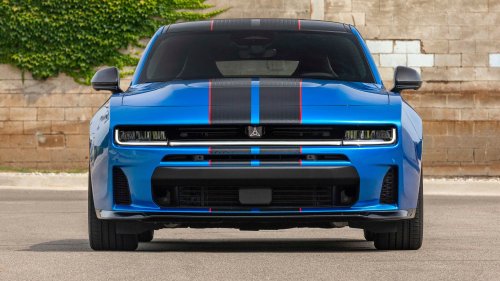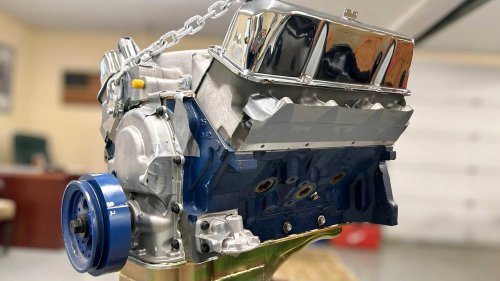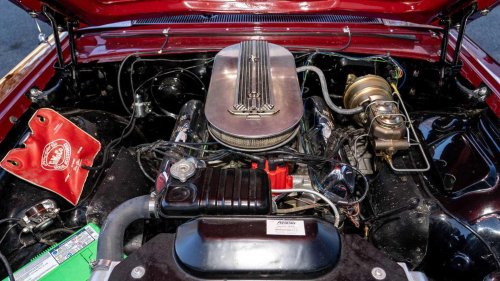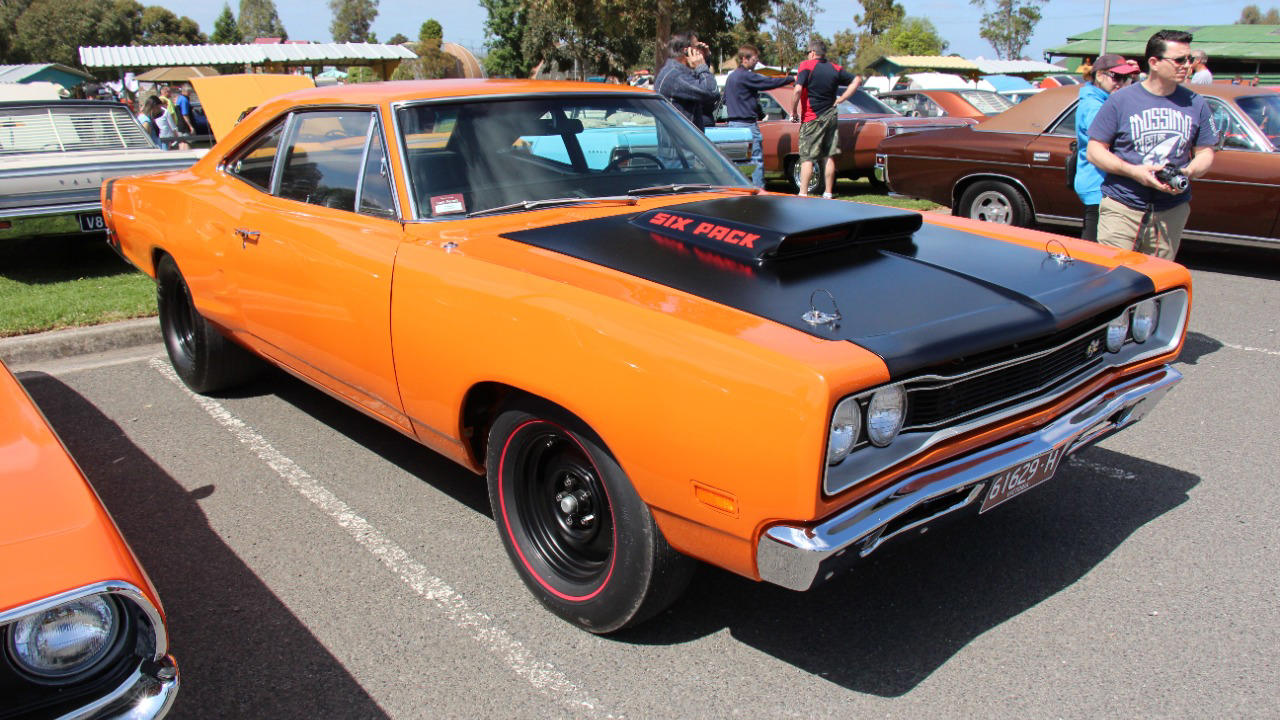


















The Super Bee delivered big performance without the big priceThe Super Bee arrived in the late 1960s with a simple mission: deliver high quarter-mile speed for buyers who could not afford the flashier big-block machines. Built on humble underpinnings and stripped of unnecessary frills, it proved that Detroit could sell real performance without a luxury price tag. That formula turned a budget Dodge into one of the muscle era’s most compelling bargains. Born as Dodge’s budget bruiser The car that became the Dodge Super Bee did not start as an exotic halo project. It was conceived as Dodge‘s low-priced muscle car, a counterpart to the Plymouth Road Runner that shared much of its basic hardware. According to period specifications, it was derived from the design of the Plymouth Road Runner, with the Dodge version mildly distinguished by its own trim and graphics while targeting the same value-conscious buyer. The original Dodge Super Bee was marketed explicitly as the company’s low-priced, powerful muscle car and was derived from the design of the Plymouth Road Runner, a description that underlined its no-nonsense mission. Rather than chasing luxury, it aimed at drivers who wanted big power and a tough look at a price that still fit a working paycheck. That focus on affordability was not just marketing spin. Contemporary pricing data lists a Base price of $3,027 for the 1968 Super Bee, a figure that made it one of the cheapest ways to buy a serious V8 performance package. One later analysis notes that the better-known first-generation 1968 Super Bee cost a little over $450 less than a comparable Charger in period, a gap that translates to around $4,200 in today’s money, which shows how aggressively Dodge priced its budget muscle entry. Built from the Dodge Coronet, tuned for speed To keep costs under control, Dodge did not engineer a bespoke platform. Instead, the 1968 Dodge Super Bee was based on the Dodge Coronet two-door coupe, with the Coronet shell providing the structure and much of the hardware. From there, engineers added a distinctive bumblebee tail stripe, unique badging, and a tough, no-nonsense look that separated it visually from the more conservative family versions. A companion description of the same car notes that the 1968 Dodge Super Bee was introduced as Dodge’s affordable entry into the growing muscle car market, offering performance and style without a hefty price tag. That combination of shared underpinnings and targeted upgrades allowed the brand to deliver big power on a relatively modest development budget. Standard power that was anything but basic The value story only makes sense when paired with the engine lineup, and here the Super Bee delivered. Standard power came from a 383-cubic-inch Magnum V8 producing 335 horsepower, paired with a heavy-duty suspension and four-speed manual transmission. That Standard Magnum combination gave buyers a legitimate high-performance drivetrain without forcing them into a premium trim or lengthy options list. Another period breakdown of the same package reinforces the numbers, describing a 383-cubic-inch unit rated at 335 horsepower and backed by components chosen to make the car both fast and durable. Torque figures for the 383 Magnum were equally muscular, with one source citing 425 lb-ft of torque in a Super Bee configuration, which explains why the car quickly earned a reputation for brutal launches and strong midrange pull. For buyers who wanted more, Dodge offered the legendary 426 HEMI V8, listed at 425 hp, and the brutal 440 Six-Pack, with three two-barrel carburetors. A later profile of a 1969 example highlights the choice between the 426 and the 440 Six Pack, a reminder that the Super Bee could be ordered with the same headline engines that powered Mopar’s most feared drag-strip machinery. Stripped interiors and street-focused hardware The Super Bee’s cabin made its priorities clear. One period description of the 1969 model notes that the interior followed suit with bucket seats, an optional console, and clear instrumentation designed for spirited driving rather than luxury. That focus on function over comfort fits the car’s image as a bare-knuckle street fighter. Other accounts describe a more basic layout that still felt a step up from some rivals. Inside, it featured door-to-door carpeting, vinyl-upholstered seats, and door panels, just like the Road Runner, while still avoiding expensive extras. Premium features like front disc brakes, air conditioning, or cruise control were available, but they were framed as add-ons to a budget-friendly muscle car rather than standard equipment. The mechanical hardware told the same story. A detailed feature on period examples explains that Dodge equipped the Super Bee with the Charger’s podded gauge cluster, dimensional bumble bee emblems, and a Hurst Competition Plus shifter on four-speed cars. That mix of shared components and performance-focused parts kept costs manageable while giving the car a purposeful, driver-oriented feel. One later walkaround of a restored example points out that Standard features included a floor-mounted four-speed transmission, a vinyl bench seat, and heavy-duty suspension and brakes. This configuration made clear that the Super Bee was built to survive hard launches and rough pavement rather than coddle occupants with soft ride tuning. A body that looked as mean as it drove Affordability did not mean anonymity. Contemporary descriptions emphasize that the Super Bee’s aggressive design featured bold stripes, a distinctive “Super Bee” logo, and a wide stance, which contributed to its street presence. Those graphics were not just decoration; they turned a modest Coronet shell into a recognizable muscle car that could hold its own visually against far more expensive rivals. Another overview of the same car describes it as an iconic muscle car born to deliver power and performance, introduced in 1968 as Dodge’s answer to budget-friendly muscle cars like the Plymouth Road Runner. That summary highlights how styling, branding, and pricing worked together to position the Super Bee as a blue-collar alternative to better-known nameplates. In some color combinations, the effect was especially dramatic. A profile of a B5 Blue 1968 example notes how the paint, the bumblebee tail stripe, and the stance combined to make the car stand out even in a crowded field of late-1960s performance machines. For many buyers, that visual punch was part of the value proposition: they could get a car that looked as serious as anything else at the drag strip without paying Charger money. Performance that punched above its price The Super Bee had one purpose. Comfort was not part of it. One retrospective on the model puts it bluntly and then lists the numbers: Dodge built the Super Bee in 1968 with a Base price of $3,027, 335 horsepower, and 425 lb-ft of torque. Those figures placed it squarely in the muscle car conversation, even though its sticker undercut many competitors. When ordered with the 426 HEMI or the 440 Six Pack, the car moved into a different league. A later profile of a 1969 Super Bee calls it Mopar’s meanest buzz and highlights the 426 HEMI V8 (425 hp) and the 440 Six-Pack as the ultimate performance options. While relatively few buyers paid for those top-tier engines, their availability gave the entire Super Bee line a performance halo. On the strip, the combination of big torque, relatively low price, and simple construction made the car a favorite among grassroots racers. Another retrospective on Mopar drag machines notes that nearly 40 years later, the revitalized muscle marketing machine at Chrysler elected to resurrect the name, a decision that speaks to how deeply the original Super Bee had embedded itself in the brand’s performance identity. How Dodge kept the price low Several decisions allowed Dodge to sell the Super Bee so cheaply without neutering its performance. The first was platform sharing. By basing the car on the Dodge Coronet two-door coupe and borrowing elements like the Charger’s podded gauge cluster, the company avoided the cost of a clean-sheet design. The second was a ruthless approach to content. Inside, the car relied on vinyl upholstery, simple door panels, and a bench seat in many configurations, while premium items such as air conditioning or cruise control remained optional. The interior was designed for spirited driving rather than luxury, which meant fewer gadgets and more focus on clear gauges and a sturdy shifter. Third, the standard drivetrain was powerful enough that most buyers did not need to spend extra on exotic options. The 383-cubic-inch Magnum V8 with 335 horsepower and 425 lb-ft of torque delivered serious acceleration in stock form, especially when paired with a floor-mounted four-speed and heavy-duty suspension and brakes. That allowed Dodge to advertise strong performance numbers even for the entry-level configuration. Finally, the Super Bee leveraged the existing popularity of the Plymouth Road Runner. Since the Dodge Super Bee was derived from the design of the Plymouth Road Runner, the company could share engineering costs while tailoring the Dodge version to its own dealers and customer base. The result was a car that felt distinct yet benefited from economies of scale. From budget hero to underrated classic Although the Super Bee never sold in the same volumes as some rivals, its reputation has grown steadily among enthusiasts. A modern assessment describes it as the underrated muscle car classic that is still reasonably priced today, pointing out that Inside, it featured door-to-door carpeting and vinyl-upholstered seats like the Road Runner while offering similar performance at a lower cost. Another enthusiast-focused overview calls it The Dodge Super Bee, a budget-friendly muscle car that retailed at USD$3,027 on the consumer market, and stresses that it was the company’s low-priced, powerful muscle car. Those reminders of the original sticker help explain why the car retains a loyal following among collectors who appreciate performance value rather than brand prestige alone. Market comparisons back that up. As one analysis notes, the first-generation 1968 Super Bee was priced a little over $450 below an equivalent Charger, yet it shared much of the same drivetrain and could be ordered with the same big-block options. For buyers who cared more about elapsed times than about rear-seat legroom or trim, the choice was obvious. The Super Bee name refuses to die The strength of that original formula has kept the badge alive. The Super Bee model name returned on versions of the Dodge Charger four-door sedan for the 2007, 2008, 2009, 2012, 2013, and 2023 model years, with each revival trading on the idea of high performance at a relatively accessible price. Although modern cars are more complex and far better equipped than their 1960s ancestor, the branding leans heavily on the heritage of a low-cost, high-output street machine. One contemporary description of a newer version even frames it directly in those terms, describing The Super Bee as a classic muscle car built for straight-line speed with an aggressive design and a wide stance that contribute to its street presence. Unlike the older muscle cars, it combines that straight-line speed with improved aerodynamics, suspension tuning, and features ready for the track, which shows how the name has evolved while still promising serious performance. More from Fast Lane Only Unboxing the WWII Jeep in a Crate 15 rare Chevys collectors are quietly buying 10 underrated V8s still worth hunting down Police notice this before you even roll window down