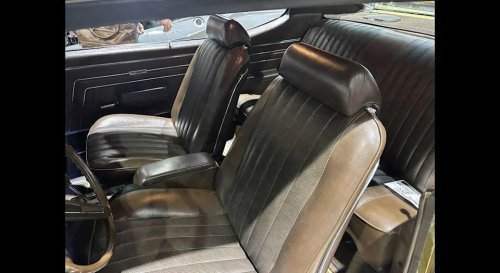
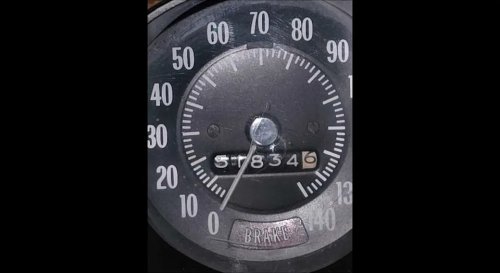
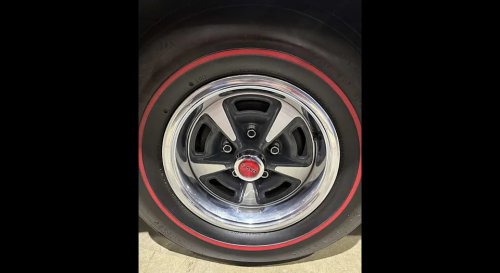
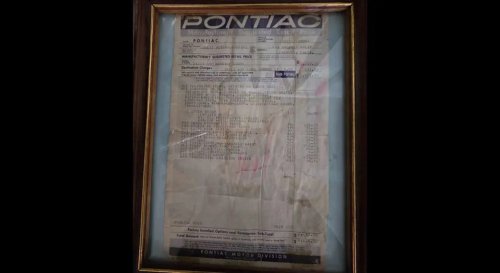
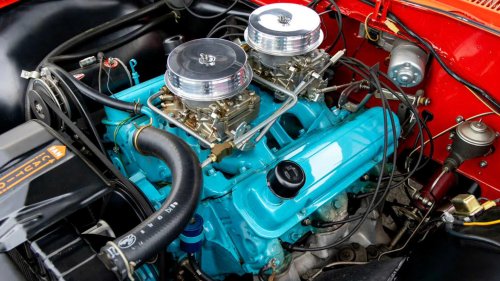
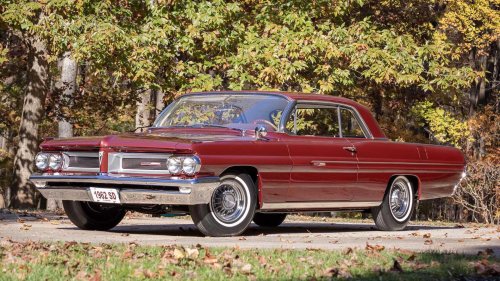
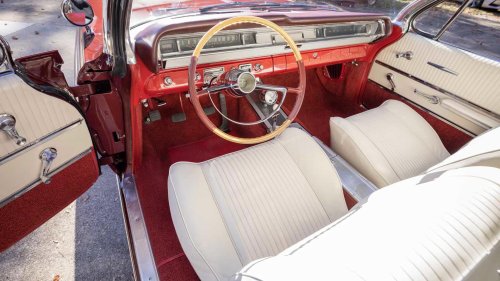
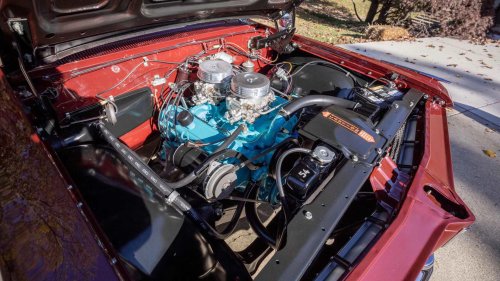
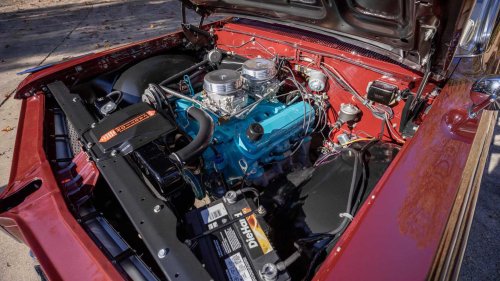
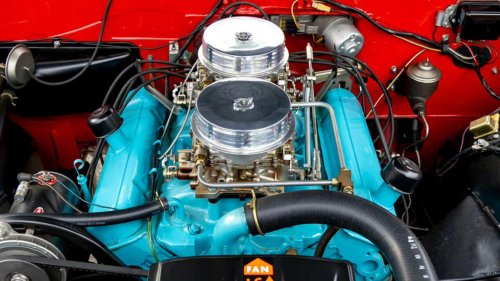
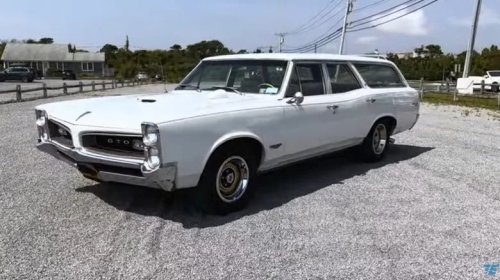
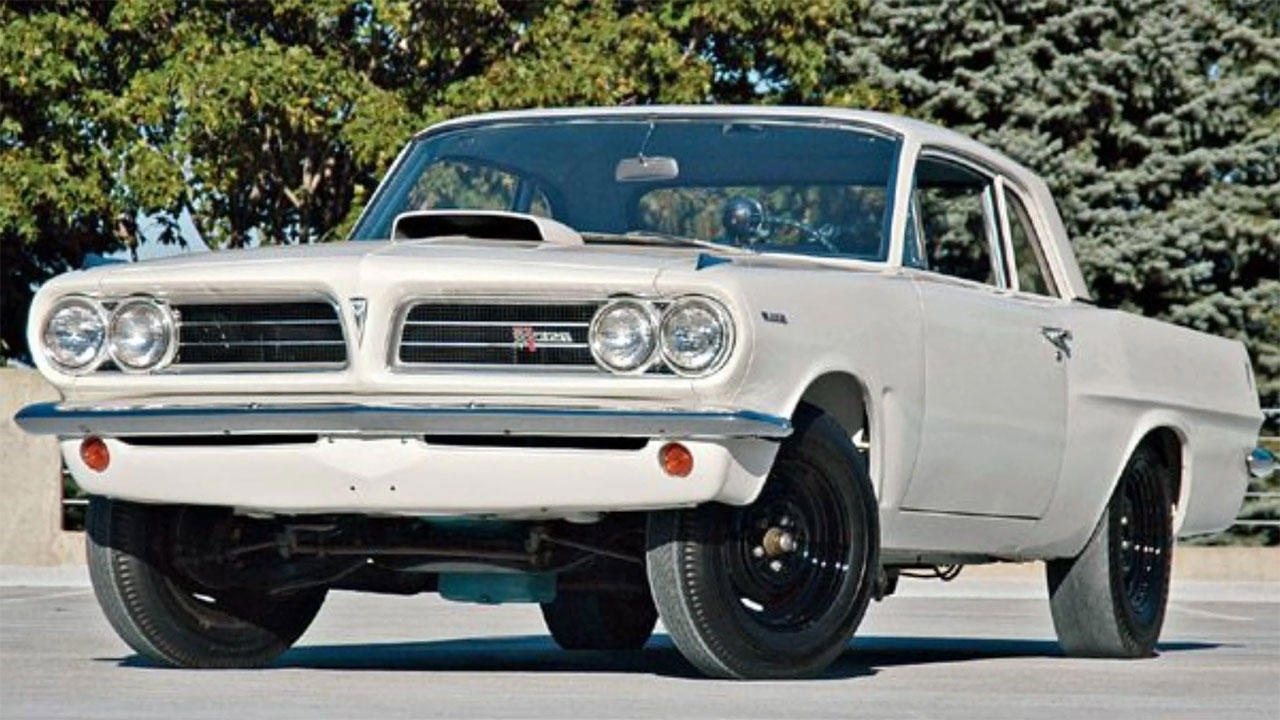
Hidden in plain sight the 1963 Pontiac Tempest Super Duty nearly rewrote historyThe 1963 Pontiac Tempest Super Duty never became a household name, yet it had the hardware and results to change how American performance history is remembered. Built in tiny numbers, stripped for speed and packed with race engineering, it briefly made established legends look ordinary before corporate politics shut the program down. Hidden inside what looked like compact family cars, this factory experiment combined radical chassis ideas with Super Duty power and a weight figure that embarrassed bigger muscle icons. For a moment in 1963, Pontiac had a machine that could have reset the pecking order from Detroit to Daytona, then quietly walked it back into the shadows. The oddball Tempest that set the stage The wider story starts with the early 1960s Pontiac Tempest, a compact that already broke with Detroit convention. Period footage of Pontiac engineering highlights how this car used a rear transaxle and a flexible driveshaft layout that enthusiasts still describe as ahead of its time. Instead of a traditional front engine and rear axle linked by a straight driveshaft, the Tempest carried its transmission at the back to improve balance. Another contemporary look at the Pontiac Tempest the over the 1961 to 63 model years underlines how unusual it was to see a compact domestic car offered with a four cylinder, a V8 and that unconventional driveline. This engineering foundation, created for a relatively humble model, would soon become the secret weapon for a far more serious racing project. From Catalina bruiser to compact weapon Pontiac had already tasted success with the full-size Catalina Super Duty on drag strips. Yet, as one deep dive into Catalina Super Duty history explains, engineers wanted to push further in 1963 and saw the compact Tempest as the ideal platform. The goal was simple: take Super Duty power, shrink the body, and use the rear mounted transaxle to create better weight distribution off the line. They followed the same weight saving playbook already proven on the SD Catalina. A later account of the racing Tempests notes that The Tempests received aluminum front ends, stripped interiors and targeted lightening that turned them into bare bones competition cars. The result was a compact that carried big car power with far less mass and far better traction. Built in the shadows at Pontiac Production of the Super Duty Tempests did not follow a normal retail path. A detailed profile of the program explains that the Super Duty Tempests were assembled as rollers at the Pontiac Assembly Plant in Pontiac, then shipped out for their race hardware. From the Assembly Line they left without full drivetrains, which were installed later under more controlled conditions. This unusual process kept the project semi off the books and helped Pontiac move around tightening internal rules on factory racing. The cars emerged as factory supported specials that looked like regular Tempests to the untrained eye but were purpose built weapons underneath. The 421 Super Duty heart At the center of the package sat Pontiac’s most serious V8. One technical breakdown of the car notes that the Pontiac Tempest SD was Fitted with a 421 Super Duty engine that shared its basic architecture with the big car drag machines. This was no mild street motor. It was designed to live at high rpm under race conditions. Another breakdown of forgotten details stresses that The Tempest SD Produces Over 400 Horsepower and lists a Specs table that calls out the Engine as a 6.9-liter V8, with the row label shortened simply to Eng. That Tempest SD Produces 400 figure, combined with the relatively small body, gave the car a power to weight ratio that rivaled or exceeded many better known muscle legends. For context, a contemporary video comparison that surveys American icons such as the Ford Mustang Boss 429 and the 1970 Chevy Chevel SS 454 makes clear how highly enthusiasts rank these big cube monsters. That same overview of American muscle underscores how unusual it was for a compact Pontiac to play in the same performance league as cars associated with the 429 and 454 badges. Transaxle trickery and the Powershift edge The Tempest layout gave Pontiac engineers a unique tool. Instead of fighting front heavy weight distribution, they could use the rear transaxle to plant the tires under acceleration. A deep technical feature on the car notes that Pontiac chose to equip the cars with a four speed version of their Tempest rear transaxle, called Powershift. Pontiac designed this unit specifically for the Tempest, and the piece emphasizes that Tempest, Powershift and All of the cars in this program were built around that combination. In practice, this meant the 421’s torque did not simply overwhelm the rear suspension. The transaxle helped distribute mass more evenly along the wheelbase, improving traction off the line and stability at speed. It was a sophisticated answer to a problem that many front engine, rear drive muscle cars simply tried to brute force with wider tires. The station wagon sleepers Among the rarest variants were the wagons. A community post dedicated to the car highlights the 1963 Pontiac Tempest Super Duty Station Wagon and repeats the name to stress how unusual it was to see such a body style turned into a race car. The same post explains that Pontiac Tempest Super produced 6 of these wagons, making them some of the scarcest factory muscle machines of the era. These cars doubled down on the sleeper theme. To casual observers they looked like practical family haulers. Under the skin they shared the same Super Duty hardware and weight reduction approach as the coupes, which made their performance on track and strip even more shocking to those who underestimated them. Beating Ferraris before breakfast The Tempest Super Duty program did not stay theoretical. It went racing and won. A detailed account of the American Challenge Cup at Daytona International Speedway describes how specially prepared 1963 Tempest Super Duty entries lined up at a run up race to the Daytona 500. The video chronicling American Challenge Cup competition shows how these compact Pontiacs were not just class fillers but front runners. Another modern look back at the program emphasizes that The Pontiac Tempest Super Duty was up against the likes of giants from Ferraris to Stingrays to Jags to Porsches. The same analysis notes that the cars were Driven by racers who understood how to exploit their balance and torque, which allowed this obscure Pontiac to embarrass far more glamorous European and American sports cars. That account of Pontiac Tempest Super on track helps explain why some historians argue the car deserved a much louder place in performance lore. Why it stayed in the shadows Given the hardware and results, it might seem strange that the Tempest Super Duty did not become the defining Pontiac performance nameplate. Several factors worked against it. The car was produced in extremely low numbers, with the station wagons capped at six and the overall run staying far below mainstream muscle car volumes. That scarcity meant few enthusiasts ever saw one in person, let alone drove one. Corporate politics also shifted quickly. As Pontiac’s factory racing involvement came under pressure, radical specials like the Super Duty Tempests were easy targets. The brand soon pivoted to more showroom friendly performance names, which would eventually include the better known GTO. A later retrospective that calls out The Pontiac Tempest Super Duty Was a Powerhouse and lists Pontiac Tempest Super Duty Key Specs notes that the Tempest Super Duty name itself faded even as Pontiac leaned into a broader performance image. That Tempest Super Duty branding never had time to build mainstream recognition. Faster than the legends that followed Modern enthusiasts who dig into the data often come away surprised by how advanced the Tempest Super Duty package was compared with later icons. The same breakdown that lists the Engine as a 6.9-liter V8 and credits it with over 400 horsepower makes a case that this compact was among the quickest American cars of its decade. When set against later favorites like the Ford Mustang Boss 429 or the Chevel SS 454, the Tempest’s combination of power, weight and traction looks even more impressive. Another retrospective on Specs and forgotten facts about the car reinforces that point by walking through its drag strip times and race wins. Enthusiasts who only know the 1960s performance story through big name badges often discover that this compact Pontiac quietly set benchmarks that others spent years chasing. Why collectors obsess over it now Scarcity, engineering intrigue and race pedigree have combined to turn surviving Super Duty Tempests into holy grail cars. The unusual production process at the Pontiac Assembly Plant in Pontiac, the limited number of wagons and the short factory racing window all contribute to their mystique. For collectors, the car represents a moment when Detroit briefly prioritized engineering audacity over marketing caution. Modern fan communities and social channels keep the story alive. Dedicated groups share images of restored coupes and the rare Pontiac Tempest Super Duty Station Wagon, while official feeds that highlight Discovered stories and Things Everyone Forgot About The Pontiac Tempest Super help surface archival material that might otherwise stay buried. Linked presences on platforms such as Discovered, Things Everyone Forgot and Pontiac Tempest Super show how a once obscure factory experiment has become a favorite subject for deep dive content. The near miss that reshaped expectations anyway Even without mainstream fame, the 1963 Pontiac Tempest Super Duty left a mark. Engineers proved that a compact platform with a rear transaxle, a big displacement V8 and serious weight reduction could compete with, and sometimes beat, exotic machinery from Ferraris to Porsches. The Daytona runs in the American Challenge Cup at Daytona International Speedway, held as a prelude to the Daytona 500, gave hard evidence that this was more than a clever engineering exercise. In the broader sweep of performance history, the car stands as a reminder that innovation often arrives in unlikely wrappers. While the muscle era is usually defined by big coupes and familiar badges, Pontiac’s compact outlier quietly showed what was possible when engineers were allowed to chase balance, traction and power all at once. Hidden in plain sight, the Tempest Super Duty nearly rewrote the script for American performance before corporate caution pulled it off stage, leaving behind a legend that enthusiasts are still piecing together today. More from Fast Lane Only Unboxing the WWII Jeep in a Crate 15 rare Chevys collectors are quietly buying 10 underrated V8s still worth hunting down Police notice this before you even roll window down



















 +25 others